Exploring the Relationship between Music and Emotional Well-Being
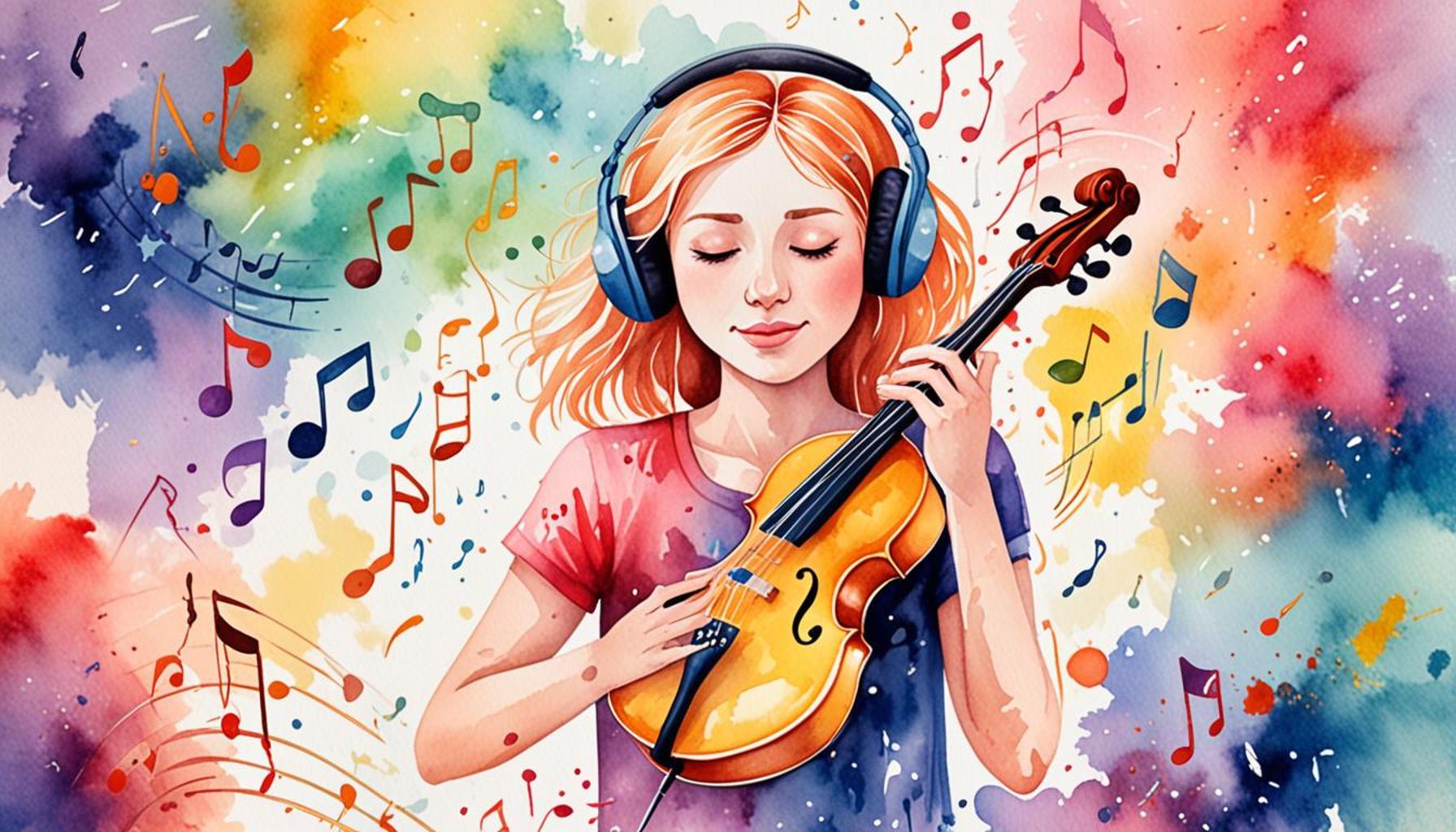
Exploring the Emotional Landscape of Music
Music is not merely a form of entertainment; it serves as a powerful conduit for emotional expression and connection. Its ability to influence human feelings is seen universally, cutting across various demographic lines and historical contexts. The intricate relationship between music and emotional well-being showcases how this art form can be harnessed to foster healthier mental states and enhance overall life experiences.
One of the most intriguing aspects of music’s impact is its therapeutic effects. Music therapy, a recognized approach within the realm of mental health care, employs music-based interventions to address emotional and psychological issues. Research has shown that patients undergoing music therapy can experience reduced levels of anxiety, depression, and stress. For example, individuals battling PTSD have found solace through guided imagery and music, greatly improving their coping mechanisms. Anecdotal evidence suggests that simply listening to calming music can lower cortisol levels, the hormone linked to stress, providing a natural antidote to everyday pressures.
The messaging of lyrics also plays a crucial role in this emotional landscape. Songs with poignant messages often resonate deeply with listeners, giving voice to feelings that may otherwise be hard to articulate. Take, for instance, the song “Fight Song” by Rachel Platten, which has become an anthem of resilience and empowerment. Such lyrics can provide comfort, a sense of validation, and reassurance during difficult life stages. It’s not uncommon for individuals to turn to certain songs that echo their own experiences, creating a profound connection between the listener and the artist, often leading to cathartic releases of emotion.
Moreover, the cultural significance of music cannot be overstated. Various genres—ranging from blues, which often expresses pain and heartache, to joyful rhythms in pop and dance music—spark distinct emotional responses. This cultural diversity shapes how different communities experience and interpret music, contributing to their unique identity. For example, Native American powwow music often features communal drumming that serves to unite and heal, critically underscoring music’s uplifting properties within those traditions.
Engaging with music, whether through listening, performing, or composing, leads to notable enhancements in emotional stability and social connections. A striking example can be found in community choirs, where participants not only indulge in the joy of singing but also forge meaningful relationships with fellow members. Studies reveal that these shared musical experiences can significantly improve feelings of belonging and community, which are essential for emotional health. Participants often report enhanced moods, greater feelings of happiness, and even a decrease in loneliness.
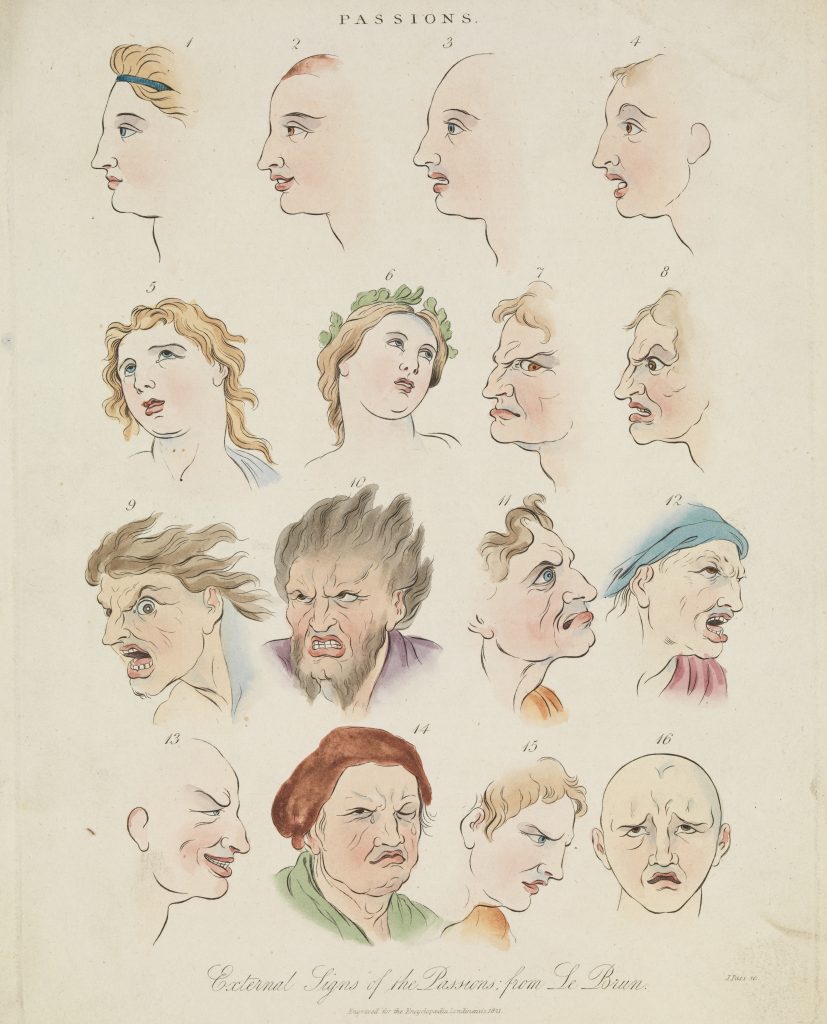
As we investigate further into the connection between music and emotional well-being, it becomes evident that music transcends mere entertainment; it is a vital aspect of the human experience. Understanding its multifaceted implications opens new avenues for utilizing music as a tool for personal development and emotional health. Join us as we delve into this captivating exploration, examining how we can leverage the power of music in our everyday lives to foster deeper connections and enrich our emotional landscapes.
The Therapeutic Power of Music
As we delve deeper into the relationship between music and emotional well-being, it is essential to appreciate the therapeutic power of music that extends beyond the auditory experience. Studies consistently highlight music’s profound effects on mental health, revealing that auditory stimulation can significantly alter emotional states. This phenomenon is not only seen in clinical settings but also resonates with everyday experiences, suggesting that music can serve as a casual yet effective tool for enhancing emotional health.
Research has demonstrated that different types of music can elicit various emotional responses. For instance, upbeat and rhythmic genres like pop and dance music often trigger feelings of joy and exhilaration, while slower tempos found in classical or ambient music might induce calmness and introspection. According to a study published in the journal Psychology of Music, individuals listening to their preferred styles, whether they be melancholy tunes or fast-paced tracks, reported a significant improvement in mood and emotional well-being. This inherent ability of music to modulate emotions suggests a profound connection that warrants further exploration.
Understanding Emotional Responses through Music
The diversity in music’s impact can be attributed to numerous factors, including personal preferences, cultural background, and life experiences. To better understand how music influences emotions, consider the following elements:
- Familiarity: Music that listeners have grown up with or associate with meaningful life events can evoke strong emotional responses, as these tracks often stir nostalgia and connection.
- Lyrical Content: Songs that articulate feelings of struggle or triumph can resonate deeply, providing listeners with an avenue for emotional release.
- Social Interactions: Engaging with music in communal settings—such as attending concerts or participating in group activities—can enhance emotional connections between individuals, fostering a shared sense of experience.
The intertwining of music and emotion can also be observed in the way certain genres have developed as cultural expressions of collective experiences. For example, the blues genre emerged from a history of struggle and resilience, channeling deep emotions of sorrow, love, and hope. As audiences connect with these narratives through performances, they often find communal healing and catharsis, demonstrating music’s role as a vehicle for processing and understanding emotional complexities.
Moreover, the rise of streaming platforms has made music more accessible than ever, allowing individuals to curate personal playlists that reflect their emotional landscapes. This tailored approach means listeners can conveniently select tracks that soothe anxiety, ignite motivation, or simply provide an escape from daily stressors. As listeners take control of their auditory environments, they are engaging actively with their emotional states, creating a feedback loop that continuously shapes their mental health.
Thus, the relationship between music and emotional well-being is robust and multifaceted, prompting us to consider how we might harness this power in our everyday lives. This exploration opens opportunities to integrate music into various aspects of wellness practices, enhancing overall mental health and personal fulfillment.
| Category | Key Features |
|---|---|
| Music Therapy | Utilizes music to achieve therapeutic goals for mental health. |
| Emotional Regulation | Helps in managing feelings and reducing anxiety through specific musical choices. |
| Social Connection | Enhances relationships and fosters community engagement through shared musical experiences. |
| Cognitive Benefits | Stimulates brain activity, improving memory and concentration via rhythmic patterns. |
Music has proven to be an essential element in the realm of emotional well-being. Various studies show that engaging with music can lead to improved mental health by acting as a powerful tool for emotional expression and healing. Whether it’s through listening, creating, or participating in musical activities, individuals can experience a shift in their emotional states. Not only does music facilitate emotional regulation, but it also promotes social connection. Singing in a choir, for example, can create a sense of belonging and shared joy among participants. Furthermore, the cognitive benefits of music—such as enhanced creativity and sharper focus—show how intertwined our psychological and emotional states are with musical interaction. By examining these categories further, readers can uncover how incorporating music into daily routines can enhance their emotional well-being and social interactions. This exploration invites an in-depth understanding of music’s role in our lives and how it can be harnessed to improve overall mental health and happiness.
The Science Behind Music and Mood Regulation
Diving further into the relationship between music and emotional well-being, it is imperative to address the physiological responses that music evokes within our bodies. Neuroscientific research indicates that listening to music triggers the release of neurotransmitters, such as dopamine, which plays a pivotal role in enhancing feelings of pleasure and happiness. A study published in the journal Nature Neuroscience revealed that participants who listened to songs they enjoyed experienced an increase in dopamine levels, highlighting music’s ability to serve as a natural mood enhancer.
Additionally, the impact of music on emotional regulation can be seen through its capacity to lower cortisol levels, the hormone primarily associated with stress. The American Psychological Association notes that calming music can significantly reduce anxiety and promote relaxation, proving beneficial for individuals dealing with stress-related disorders. This finding underscores music’s value not just in pleasure but in its therapeutic potential for psychological interventions—a tool that can be employed by therapists and wellness coaches alike to aid clients in coping with life’s challenges.
Applications in Mental Health Treatment
Integrating music into mental health treatment has gained traction in recent years, evolving into a recognized practice known as music therapy. Trained therapists utilize music interventions to address physical, emotional, cognitive, and social needs of individuals. According to the American Music Therapy Association, clients engaging in music therapy often display improved communication skills, increased emotional expression, and reduced symptoms of anxiety and depression. This therapeutic gameplay encapsulates both the subjective and objective benefits of music, as beneficiaries find solace in both listening and creating music.
Moreover, studies highlight that creating music, whether through playing an instrument or composing songs, can provide an outlet for emotional expression that can lead to therapeutic release. A survey conducted by the National Endowment for the Arts found that individuals who participated in music-making activities reported heightened feelings of joy and fulfillment, reinforcing the notion that engaging in musical activities can cultivate emotional well-being.
Furthermore, the versatility of music in therapeutic practices extends across various populations, from children with developmental disorders to seniors suffering from cognitive decline. For instance, a program initiated in several U.S. schools introduced music therapy to help students cope with social anxiety and bullying, revealing significant benefits in emotional resilience and peer relationships. Such initiatives reflect the growing recognition of music’s role in fostering emotional health within diverse communities.
In essence, the intricate interplay between music and emotional well-being underscores the transformative power of sounds and rhythms in our lives. As we continue to uncover the nuances of how music can catalyze emotional healing and fulfillment, it becomes increasingly clear that the integration of musical experiences can enhance our understanding of well-being. Exploring music not merely as entertainment but as an essential component of emotional health paves the way toward a more holistic approach to well-being, one where the healing notes of music resonate deeply within our daily experiences.
Conclusion: The Harmonious Link Between Music and Emotional Wellness
In conclusion, the intricate relationship between music and emotional well-being reveals a tapestry of connections that influences our mental health in profound ways. Through scientifically backed research, we understand that music not only elevates our mood by triggering dopamine release but also serves as a powerful tool for emotional regulation. The ability of music to lower stress and anxiety is crucial as society grapples with escalating mental health issues.
Furthermore, the emergence of music therapy emphasizes its therapeutic benefits, showcasing successful applications across different demographics—from children overcoming anxiety to seniors battling cognitive decline. As individuals engage with music—be it listening, performing, or composing—they often find a unique outlet for emotional expression, resulting in increased feelings of happiness and fulfillment. This highlights music’s role not just as a source of enjoyment but as a necessity for emotional stability and resilience.
As we further explore the realms of sound, rhythm, and melody, it becomes apparent that fostering a deeper understanding of music’s emotional impact can lead to innovative strategies in mental health care. By advocating for the integration of musical experiences into our daily lives, we pave the way for a more holistic approach to wellness. Ultimately, the question isn’t just how music affects us, but how we can harness its power to enhance our overall emotional and psychological well-being.