Interactive Handicrafts: Projects that Encourage Community Engagement through Creation

Delving Deeper into Interactive Handicrafts
In today’s fast-paced digital age, turning to interactive handicrafts provides a unique avenue not only for personal creativity but also for fostering community relationships. Each project is an invitation to engage with others and express oneself artistically, ultimately bridging gaps in our increasingly isolated lives.
One of the most appealing aspects of interactive handicrafts is their community collaboration. Local artists, hobbyists, and novices alike come together in workshops and events to exchange ideas, techniques, and stories. For instance, in many urban neighborhoods across the U.S., groups often host community knitting or sewing circles where participants collaborate on specific projects such as creating hats for premature infants or quilts for shelters. This shared experience cultivates a sense of belonging, reminding everyone involved that they are part of something larger than themselves.
Furthermore, engaged participation leads to significant skill development. Workshops often cater to various skill levels, enabling novices to learn weaving, pottery, or fabric arts from seasoned artisans. For example, a pottery class might begin with simple hand-building techniques and progress to wheel-thrown pieces, instilling confidence and encouraging participants to push their creative limits. By mastering these skills, individuals can see tangible results, which often translates into increased self-esteem and further inspiration to explore their artistic potential.
Another noteworthy characteristic of interactive handicrafts is their emphasis on using local materials. Many crafting initiatives focus on sourcing supplies from nearby markets or recycling resources, promoting sustainability and supporting local economies. Projects like creating outdoor sculptures from reclaimed wood or making art from recycled textiles not only reduce waste but also highlight the unique characteristics and stories of the materials themselves.
The innovative spectrum of interactive handicrafts extends beyond mere artistic endeavors. Events such as community murals, workshops, and seasonal craft fairs provide ample opportunities for individuals to come together while showcasing their cultural heritage. For example, in rural areas, farming communities might come together to create large-scale murals that celebrate their agricultural heritage, bringing life to their surroundings and solidifying their identity.
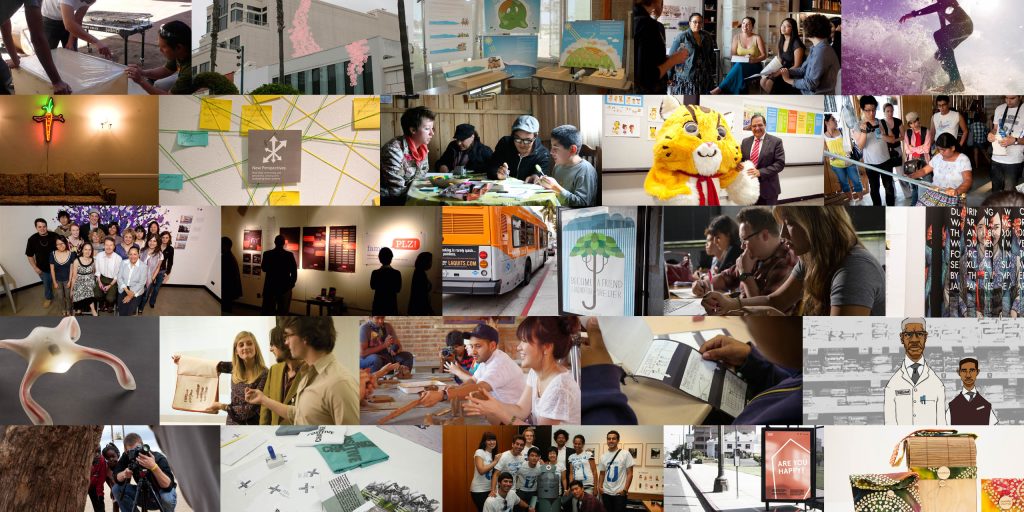
Across the United States, interactive handicraft events have become increasingly prevalent, enriching the lives of participants and their surrounding communities. Whether it’s a weekend pottery class that ends with a gallery show or a collaborative mural that beautifies a neighborhood, these experiences solidify community bonds, leading to deeper connections and lasting friendships. This movement embraces creativity and collaboration, inviting everyone to discover the joy of working with their hands and engaging with their neighbors.
As we explore the vibrant world of interactive handicrafts, we uncover not just the artistic potential within us, but also the collective strength that arises from collaboration. Each project is a beacon of creativity and connection, urging us to step away from our screens and immerse ourselves in the tangible beauty of handcrafted art.
Fostering Connections through Crafting
At the heart of interactive handicrafts lies a powerful means of building connections among community members. This growing movement encourages individuals to unite over shared interests while leveraging their skills to contribute to the greater good. By bringing people together, interactive handicrafts foster an environment in which creativity flourishes, and friendships blossom, making it a perfect vehicle for community engagement.
One effective way to engage individuals is through themed workshops. These sessions often cater to specific causes or goals, such as creating essential items for local charities or beautifying public spaces. For example, community workshops focused on creating hand-painted flower pots for local hospitals invite residents to contribute to community beauty while allowing them to unleash their inner artist. Not only do participants enjoy a sense of accomplishment, but they also create a lasting impression within their community.
Moreover, interactive handicrafts provide an opportunity to revive traditional crafts, which helps to preserve cultural heritage. Many communities organize events where local artisans share their knowledge of traditional skills, such as basket weaving, quilt-making, or wood carving. These workshops do not only pass down essential skills but also promote cultural understanding and appreciation. Some notable examples include:
- Native American beadwork workshops that teach participants about the history and significance of bead patterns.
- Mexican papel picado crafting sessions that celebrate the tradition of paper cutting during cultural festivities.
- Appalachian-style quilt-making gatherings that encourage the preservation of regional textile arts while creating community quilts for those in need.
This melding of creativity and culture encourages participants to embrace their roots while engaging in meaningful dialogue with fellow crafters. When diverse backgrounds come together in pursuit of a common cause, the richness of shared experiences weaves an even tighter community fabric.
Interactive handicrafts also present a distinctive way to address social issues by raising awareness and providing solutions. For instance, initiatives like “Craft Against Climate Change” have emerged, motivating artists to create with sustainability in mind. Projects that utilize biodegradable materials or emphasize upcycling have spearheaded dialogues regarding environmental consciousness and the importance of preserving our planet for future generations. Such crafting endeavors empower participants to consider their environmental impact while engaging in a fun and educational activity.
As communities delve deeper into interactive handicrafts, they discover that these projects serve as a powerful medium for change and collaboration. The creative process becomes a catalyst for community involvement, inspiring individuals to take part in their local landscapes through artistic expression. Whether it’s through small gatherings in a neighborhood park or larger organized events, the impact is undeniable, paving the way for a culture that celebrates collaboration, creativity, and connection.
Exploring the Benefits of Interactive Handicrafts
The world of interactive handicrafts is not just about creating beautiful items; it’s about fostering a sense of community and shared experience through creativity. As we delve deeper into the significance of these projects, it is essential to understand the concrete advantages they offer, particularly in enhancing community bonds.
| Category | Key Features |
|---|---|
| Community Building | These projects facilitate interactions among individuals, leading to stronger connections. |
| Skill Development | Participants enhance their crafting skills while learning new techniques in a collaborative environment. |
Moreover, engaging in such activities encourages diversity, as people from various backgrounds collaborate on their creations. These interactions pave the way for cultural exchange, enriching the community’s social fabric. By participating in interactive handicraft projects, individuals not only build lasting memories but also contribute to a warmth that envelops their surroundings.
Reading further, explore how these initiatives can uplift local economies, provide therapeutic benefits, and promote sustainability—all while nurturing a vibrant community spirit.
Bridging Generations through Creative Projects
One of the most remarkable aspects of interactive handicrafts is their ability to bridge generations, allowing people of all ages to collaborate and learn from one another. Crafting projects often encourage families and community members to come together, fostering intergenerational dialogue and mentorship. By pairing younger participants with seasoned artisans, skills are transferred in a way that deepens relationships and cultivates mutual respect.
For instance, initiatives such as “Grandparents and Grandkids Craft Day” invite families to work on projects ranging from pottery to knitting. In these settings, older generations share not only their expertise but also stories and anecdotes tied to the crafts being made. This interactivity sparks an appreciation for the craftsmanship and history behind each item created. Participants might walk away with both a handmade object and a deeper connection to their family heritage.
Additionally, community centers across the United States have recognized the importance of inclusive craft programs that serve a variety of age groups. These sessions often include activities like sewing and painting murals, where skills are taught collectively and collaboratively. Such inclusive environments ensure that everyone, from preschoolers to seniors, finds a space to express themselves creatively. The damaging stereotype that some craft forms are solely for the elderly or the young dissolves, revealing a tapestry of talent that spans demographics.
Another dimension of community engagement through interactive handicrafts is the incorporation of online platforms that facilitate virtual crafting. In recent years, platforms like Zoom have enabled crafting communities to thrive, allowing participants to join workshops from the comfort of their homes. This innovation not only opens doors to those who may not be able to attend in-person events due to mobility issues or geographical distances but also draws in a global audience, fostering a broader sense of community. Combining local participants with global crafters creates a vibrant exchange of ideas, techniques, and styles.
- Online knitting circles connect enthusiasts from across the world, allowing the sharing of unique patterns and knitting techniques, making it a truly communal experience.
- Virtual art challenges encourage participants to create art from the same theme, instigating friendly competition while celebrating local talents through social media platforms.
- Digital quilting bees enable quilters to work on patches that are later compiled into quilts for charitable purposes, showcasing the unity of shared endeavor.
Through these diverse formats of interaction, communities are not only producing tangible items but also strengthening social fabric. Participants realize that each piece they create—a knitted hat, a carved wooden sculpture, or a beautifully painted canvas—holds a story shared and is part of a larger narrative interwoven with the community’s spirit. The act of crafting bridges divides and builds networks of support where creativity bounces between participants, often resulting in collaborative projects that none could have accomplished alone.
As communities gather around interactive handicrafts, they not only stimulate creativity but also ignite innovative ideas that address local challenges. Projects that merge artistic expression with community action serve as vital pillars of resilience, nurturing a generation of individuals who understand the value of teamwork, cultural appreciation, and social responsibility. This collective spirit instills a renewed sense of purpose, making interactive handicrafts a true embodiment of community engagement.
Concluding Thoughts on Community Connections Through Craft
Ultimately, interactive handicrafts serve as a powerful medium for community engagement, offering individuals a unique platform to connect through creation. These projects not only highlight the importance of sharing skills and fostering creativity but also encourage meaningful relationships among participants of various ages and backgrounds. As seen in diverse initiatives such as craft days for families and virtual workshops, the act of creating together transcends traditional barriers, weaving a fabric of shared experiences that enriches the community.
The impact of these crafting endeavors reaches far beyond the projects themselves. Each handmade item carries with it a story, an emotion, and the essence of collaboration—elements that reinforce social bonds and cultivate a sense of belonging. In an era where social isolation is commonplace, the ability of interactive handicrafts to forge connections is invaluable, reminding us of the universal longing for community.
As more people participate in these engaging activities, they not only produce artistic and functional items but also contribute to a cultural narrative that embraces diversity. The communal spirit that emerges from these projects invites individuals to collaborate, innovate, and find solutions for local challenges, making crafting a catalyst for positive change.
In exploring the realms of interactive handicrafts, one cannot help but recognize their potential as vital tools for building resilience and nurturing a vibrant, inclusive community. As we embrace these creative endeavors, we pave the way for a future rich in connections, creativity, and collective purpose.