Digital Craftsmanship: The Intersection of Technology and Manual Creation
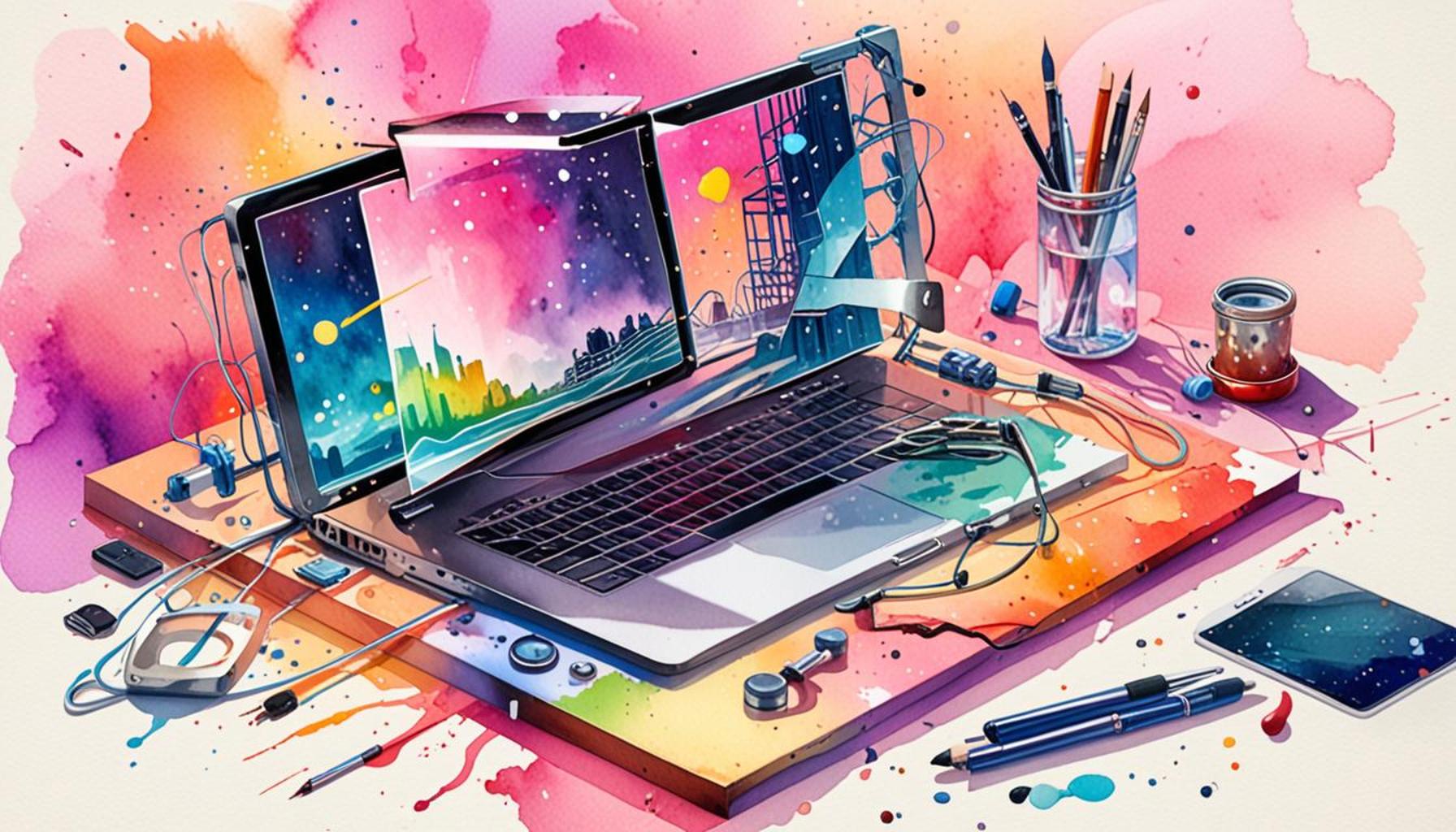
In today’s fast-paced world, the synergy between technology and traditional craftsmanship is captivating artisans and makers across the United States. Digital craftsmanship epitomizes this unique blend, where machines enhance creativity rather than replace it. By harnessing cutting-edge technologies, artists and craftsmen can explore new dimensions of their work, leading to innovative forms and unexpected collaborations that continue to redefine what art can be.
Key Aspects of Digital Craftsmanship
- Tools and Techniques: The advent of 3D printing has revolutionized how objects are conceived, allowing artists to create intricate designs that would be nearly impossible to achieve by hand. For instance, designers like Joris Laarman are utilizing 3D printing to create furniture that combines aesthetics with structural integrity in ways never imagined before. Furthermore, technologies such as laser cutting provide precision and detail, enabling artisans to craft exquisite patterns from wood, metal, and more.
- Materials: Advances in material science open the door to using unconventional materials in art and craftsmanship. Artists are now able to incorporate recycled plastics, bio-materials, and smart textiles into their work, challenging the traditional notions of sustainability in the creative process. For example, fabric artists are creating textiles from biodegradable fibers, reflecting an increasing emphasis on environmentally responsible practices.
- Accessibility: Digital platforms, such as online marketplaces and social media, have democratized the world of craftsmanship. They enable artisans—regardless of location—to showcase their work to a global audience, forging connections and stimulating collaborations that would have been improbable in the past. As a result, makers from diverse backgrounds are able to contribute to and shape contemporary artistic discourse.
As makers leverage technology, they achieve results previously thought impossible. This intersection of artistry and innovation creates a dialogue between the past and future, allowing traditional skills to coexist with breakthrough innovations. The evolving landscape invites both seasoned craftspeople and budding artists to explore endless creative horizons, blending heritage craftsmanship with modern techniques.
Why it Matters
Understanding this intersection is crucial for anyone invested in the arts, as it influences various industries, from fashion to architecture. Designers like Iris Van Herpen are known for their integration of digital techniques in haute couture, pushing boundaries in fashion while maintaining a focus on craftsmanship. In an age where consumers increasingly value authenticity, digital craftsmanship addresses sustainability and ethical production, empowering makers to create with intention.
Engaging with this topic not only inspires creativity but sparks necessary conversations about the future of making in an ever-changing technological landscape. By fostering a dialogue among different artistic communities, digital craftsmanship encourages a collective exploration of what it means to create in a world where innovation and tradition can coexist harmoniously.
Transforming Techniques and Materials
The fusion of digital tools with traditional craftsmanship creates a dynamic landscape where makers are both artists and technologists. This interplay has not only expanded the vocabulary of craftsmanship but has also redefined the creative process itself. As artisans experiment with innovative tools and materials, they unlock new possibilities that challenge preconceived boundaries in artistic expression.
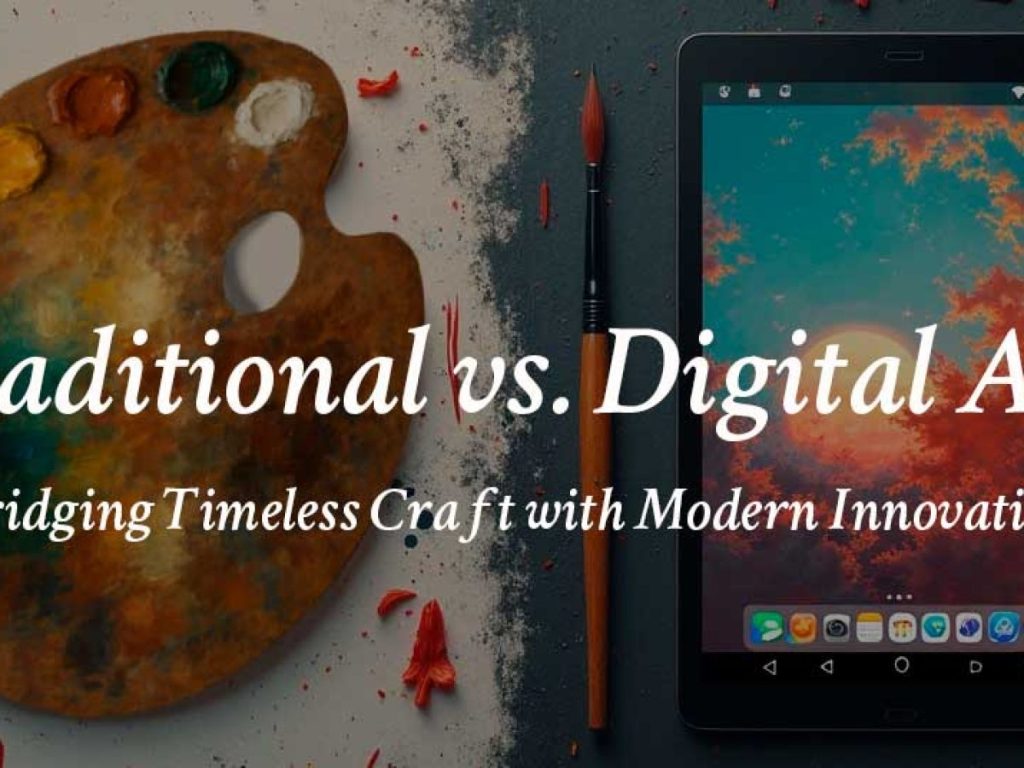
Revolutionary Tools Empowering Artistry
Modern artisans today are experiencing an unprecedented transformation due to the introduction of various cutting-edge technologies. 3D printing stands at the forefront of this transformation, allowing creators to design and produce items layer by layer with incredible accuracy. For example, designers like Joris Laarman have utilized these capabilities to push the boundaries of furniture design, creating pieces that boast both structural integrity and artistic beauty. Rather than merely serving as functional objects, these creations invite viewers to appreciate new forms tailored through digital algorithms and precision engineering.
Complementing 3D printing, laser cutting has emerged as a vital tool in the artisan’s arsenal. Its ability to precisely manipulate materials, from wood to acrylic, has paved the way for intricate designs that would be nearly impossible to achieve through hand-cutting alone. Notably, artisans are utilizing laser technology to produce stunning decorative pieces that seamlessly marry aesthetics with durable functionality.
Innovative Materials for the Modern Maker
The evolution of materials science has dramatically influenced the types of substances artists and craftspeople choose to use. The emphasis on sustainability is leading many creators to explore unconventional materials, such as recycled plastics, bio-materials, and even smart textiles. For instance, textile artists are now crafting intricate pieces from biodegradable fibers, merging artistry with a commitment to environmental responsibility. This shift reflects a growing recognition of the need for makers to engage with contemporary issues, pushing the boundaries of what is considered art and craft.
Accessibility and the Global Marketplace
In tandem with technological advancements, the rise of digital platforms has democratized the art world like never before. Online marketplaces and social media channels empower artisans to showcase their work beyond local boundaries, connecting a diverse global audience. As creators share their projects, they inspire and engage with one another, fostering collaborations that were once inconceivable. This newfound accessibility not only allows for the expression of diverse perspectives but also significantly enriches the contemporary artistic discourse as makers from all walks of life contribute their unique insights.
The amalgamation of traditional skills with modern technologies and materials is producing a vibrant narrative in the world of craftsmanship. As artisans embrace this intersection, they are not just reinventing their practices but are redefining the very essence of what it means to craft in an era where innovation and tradition coexist in beautiful harmony.
| Advantage | Description |
|---|---|
| Enhanced Creativity | The fusion of traditional crafting techniques with modern technology fosters an environment ripe for innovation and artistic expression. |
| Efficient Production | Technological tools like 3D printing enable artisans to streamline processes while maintaining attention to detail. |
The dynamic pairing of craftsmanship and technology leads to extraordinary opportunities for creators. By leveraging tools such as CAD software and laser cutting, artisans are not merely replicating traditional methods; they are elevating their work into new realms of possibility. This intersectionality paves the way for unique collaborations, where designers and technologists come together to create hybrid products that are not only visually striking but also functionally superior.Moreover, as sustainability becomes increasingly vital, digital craftsmanship embraces eco-friendly practices. By utilizing responsibly sourced materials and reducing waste through precise production methods, creators can appeal to a conscientious market. This not only enhances the artisans’ reputation but also contributes to a larger movement towards environmental stewardship. Thus, the blend of manual skill and digital proficiency does not just benefit creators; it resonates with a wider audience, fostering a deeper appreciation for the art of making.
Redefining Collaboration and Community
As digital craftsmanship evolves, the power of collaboration emerges as a cornerstone of innovation within the craft community. Online forums, maker spaces, and collaborative studios are bridging gaps between artisans from varied backgrounds, sparking dialogues that inspire fresh ideas and techniques. This collaborative spirit echoes the age-old traditions of guilds, where artisans shared knowledge and resources, yet it is enhanced in the digital age through platforms like CraftCloud and Instructables, which offer accessible tools for sharing designs and tutorials.
Cross-Disciplinary Partnerships
The intersection of technology and craftsmanship fosters cross-disciplinary partnerships that enrich the creative process. For instance, collaborations between coders and craftsmen lead to projects that intertwine programming with handcrafted pieces. A great example is found in the realm of interactive installations, where artists like Martin Ries integrate physical art with digital interactivity, resulting in pieces that engage viewers in a multi-sensory experience. These partnerships break down silos within disciplines, allowing artisans to push the boundaries of their craft through new methodologies.
The Role of Education and Workshops
Another critical aspect of the digital craftsmanship movement is the accessibility of education. Many traditional art schools are now incorporating digital fabrication techniques into their curricula, preparing the next generation of artisans for a marketplace that increasingly values innovation. Programs focusing on combining traditional skills with modern technology, such as digital weaving or programming for laser cutting machines, are becoming popular. Institutions like the Rhode Island School of Design and California College of the Arts are leading the charge in providing educational experiences that emphasize hands-on learning while fostering digital literacy.
Launching New Artistic Voices
The global nature of the internet serves as a launching pad for diverse artistic voices. Emerging artists can translate their narratives into craft using digital platforms for visibility, reaching audiences far beyond geographical limitations. For example, platforms like Behance and Instagram showcase the work of artisans from various cultures, allowing them to share stories and techniques rooted in their heritage. This blending of cultural influences is reshaping contemporary art and craft, making them more reflective of the interconnected world we live in today.
Sustainability Meets Craftsmanship
A significant focus on sustainability in the realm of digital craftsmanship is encouraging makers to employ eco-friendly practices. Initiatives that emphasize the use of upcycled materials and zero-waste strategies are gaining traction, and artisans are increasingly mindful of their environmental impact. For instance, artists are leveraging software to simulate material use, optimizing designs to minimize waste during production. This not only benefits the environment but also resonates with a growing consumer base that values sustainability, further marrying digital craftsmanship with responsible practices.
The digital realm is not merely an addition to the traditional craft; it is a transformative force reshaping the essence of artistry and craftsmanship as we know it. Through collaboration, education, and a focus on environmental responsibility, artisans are exploring uncharted territories, infusing age-old techniques with dynamic innovations that captivate and inspire. This ongoing evolution of digital craftsmanship continues to open avenues for new creations, while highlighting the importance of connection in a rapidly changing world.
Conclusion
In closing, the concept of digital craftsmanship has ushered in a new era where technology and manual creation converge to redefine the landscape of artistry. This dynamic blend not only encourages innovation but also fosters collaboration among artisans from diverse fields, opening up opportunities for cross-disciplinary partnerships that extend the boundaries of traditional practices. The role of education within this framework cannot be understated, as academic institutions adapt curricula to equip aspiring artisans with the skills necessary to thrive in a competitive, tech-driven marketplace.
Furthermore, the accessibility of digital platforms has empowered emerging voices, allowing artists to showcase their work to global audiences, transcending cultural and geographical barriers. As a result, the richness of this interconnected world is increasingly reflected in contemporary craft, uniting various influences to create truly unique expressions of art.
Importantly, the commitment to sustainability within this movement signifies a conscientious approach to craftsmanship. By embracing eco-friendly practices and minimizing waste, artisans are paving the way for a more responsible creative future. This synergy of innovation and responsibility is crucial as we navigate a world that increasingly values both creativity and environmental awareness.
Ultimately, the ongoing evolution of digital craftsmanship invites us to delve deeper into the myriad possibilities at the intersection of technology and manual creation. As artisans continue to explore this fusion, we can anticipate a vibrant and ever-expanding landscape of artistic expression that will inspire generations to come.