DIY Paint Experiment Projects: Exploring Textures and Colors on Various Surfaces
Unleashing Your Creativity with Paint
Every artist knows that color and texture are fundamental elements of creativity. But what if you could explore these elements beyond traditional canvases? DIY paint experiment projects offer a unique gateway to discover new dimensions in your art.
The Joy of Experimentation
Diving into paint projects allows you to manipulate textures and colors across a variety of surfaces, offering a fresh perspective and opportunities for innovation. Whether you’re a seasoned artist or just starting out, the thrill of experimenting can lead to amazing results. Consider these exciting surfaces for your next DIY project:
- Wood: A classic choice that absorbs paint differently. Use untreated wood to create a rustic look or painted plywood to channel a modern vibe. Techniques such as wood grain painting or decoupage can provide depth.
- Fabric: Transform clothing or household items with vibrant designs. Fabric paints offer a range of colors and finishes, allowing you to create personalized tote bags or upcycle old shirts. Tie-dye and stencil techniques can further enhance your designs.
- Canvas: Go beyond the traditional and mix techniques. Choose larger canvases for murals or smaller ones for intricate designs. Techniques such as pouring, layering, and collage can add dimension and narrative to your projects.
- Glass: Create stunning effects with special paints. Glass painting can produce beautiful stained glass effects for home decor items such as vases or window panes. Use etching cream for added texture and sophistication.
- Paper: Use various weights and textures for unique outcomes. Mixed media techniques can incorporate cardstock, watercolors, and even collage materials to yield different finishes and styles such as vintage or abstract.
Why Try DIY Paint Experiments?
Engaging in these projects not only boosts your artistic skills but also enhances your understanding of materials and techniques. You’ll learn how certain colors blend to evoke emotions, how light interacts with different textures to influence mood, and how surface preparation affects the drying time and adherence of paints.
Additionally, experimenting with paint fosters a spirit of innovation. It challenges you to abandon preconceived notions of what art “should” be, paving the way for personal style development. The satisfaction of creating something uniquely yours is unmatched; it allows you to express individuality and creativity. Imagine hosting a creative evening with friends, exploring these diverse materials together or potentially exhibiting your work at local art fairs.
Ultimately, incorporating DIY paint experiments into your artistic journey can deepen your appreciation for the art form and inspire you to continue exploring and creating. Embrace the endless possibilities that lie in these varied surfaces and techniques, and let your creativity flourish!
Discovering New Techniques and Materials
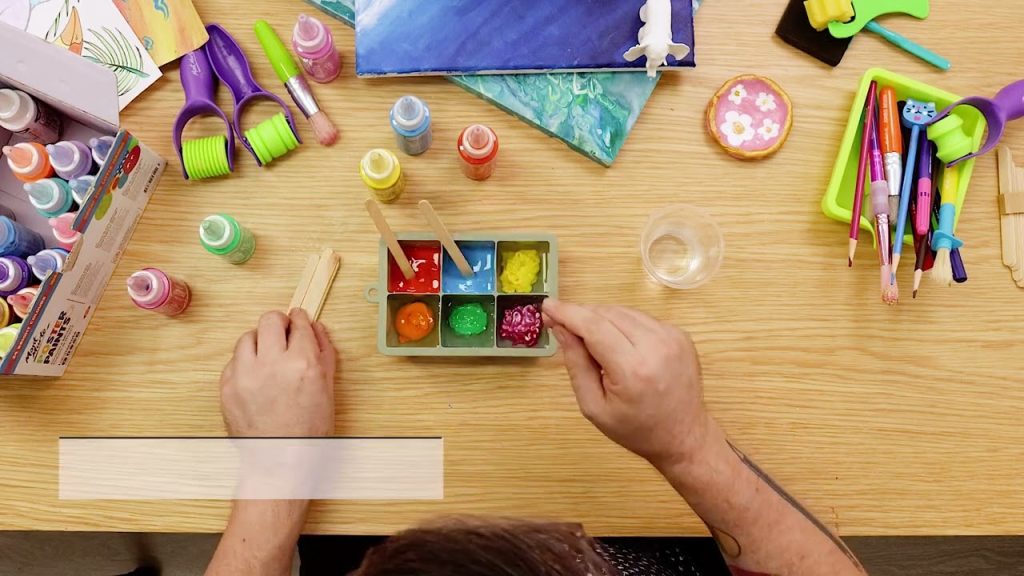
One of the most fascinating aspects of DIY paint experiment projects is the opportunity to explore various techniques and materials. By stepping outside traditional boundaries, you open the door to a world where color and texture merge in unexpected ways. Here are some popular techniques to experiment with that will enhance your creativity:
- Acrylic Pouring: This technique involves mixing fluid acrylics with a pouring medium to create stunning, marbled effects. The unpredictability of the colors blending can lead to mesmerizing results on any surface, including canvas, wood, and even fabric.
- Palettes and Paint Knives: Use palette knives to apply paint in a thick, textured manner. This technique allows for the creation of landscapes or abstract art with impressive depth and dimension. The vibrant color choices you make will determine the overall energy of the piece.
- Sponge Painting: Experimenting with sponges can introduce a unique texture to your projects. Whether it’s stippling or dabbing on paint, this method can be particularly effective when working with backgrounds or creating an impressionistic style.
- Splattering: For an energetic, spontaneous effect, splattering paint can add a dynamic element to your art. This technique works exceptionally well when applied to large canvases or outdoor murals, prompting creativity through chaos.
- Stenciling: Create defined shapes or patterns by using stencils. This method is ideal for adding intricate designs to surfaces like walls, furniture, or fabric. Play with overlaying colors to achieve a gradient effect that gives depth to your stenciled creations.
Each of these techniques offers endless possibilities for artistic exploration, which can be particularly thrilling when applied to unconventional surfaces. In addition to the tactile experience of working with paint, you may discover how your choice of medium impacts the overall look and feel of your work. For example, using porous materials like untreated wood may absorb the color differently compared to a smooth canvas, leading to a unique outcome each time.
Choosing the Right Tools
Your tools can make a significant difference in the outcome of your DIY paint experiment projects. While brushes are a staple in any artist’s kit, consider augmenting your toolkit with other implements like sponges, palette knives, or specialized texture tools. Don’t overlook the value of spray bottles or droppers for achieving precise application or unique effects. Each tool contributes to the texture and tone of your artwork, fostering a more dynamic creative process.
Furthermore, selecting the right type of paint is crucial to your success. Explore acrylics, oils, watercolors, or even spray paints, and observe how they behave on different surfaces. The knowledge you gain through experimentation is invaluable, allowing you to refine your techniques over time.
By focusing on techniques and tools, you can expand your artistic toolkit beyond conventional methods, resulting in projects that are not only visually stunning but also personally meaningful. Whether you are painting for fun or working towards your next masterpiece, the journey through the vibrant world of DIY paint experiments promises endless avenues for discovery and inspiration.
| Category | Details |
|---|---|
| Creative Expression | Engaging in DIY paint experiments allows individuals to unleash their inner artist, encouraging imagination and personal style. |
| Learning Techniques | Experimenting with textures and colors enhances skills such as layering, blending, and understanding color theory. |
| Versatility | DIY paint projects can be applied to various surfaces like canvas, wood, and fabric, broadening artistic possibilities. |
| Cost-Effective | Creating art through DIY projects is often less expensive than purchasing finished pieces, allowing for more creations. |
The journey of making your own paint experiments can transform mundane materials into extraordinary pieces of art. As you dive into unique textures, the tactile relationship with your medium opens up discussions on surface dynamics, pushing the boundaries of traditional painting. You’ll learn how to manipulate surfaces not just physically but through color application, enhancing your understanding of light and shade. Each project is an opportunity to explore the emotional impact of color, along with practical aspects like drying times and layering effects.Moreover, this practice extends beyond mere aesthetics; it nurtures mental well-being and connectivity. Engaging in such artistic ventures can serve as a meditative escape, fostering mindfulness in the midst of a busy life. Additionally, sharing the outcomes with a community reinforces engagement, whether through online platforms or local workshops, driving a collective learning experience. This exploration offers more than just artistic growth—it provides an invaluable opportunity to connect with others and share a passion for creativity.
Experimenting with Surfaces
While techniques and tools are essential, the surfaces you choose for your DIY paint experiment projects can dramatically transform your artwork. Exploring various surfaces not only adds to the overall visual impact but can also inspire new creative approaches. Let’s delve into a range of surfaces that can enhance your painting experience:
- Canvas: The traditional choice for many artists, canvas allows for a broad application of paint techniques, from pouring to stenciling. Stretched canvas provides a sturdy base for heavy applications, while canvas boards offer a more affordable and portable option for artists on the go.
- Wood: Untreated wood surfaces are perfect for achieving unique textures as they absorb paint differently compared to canvas. You can create rustic pieces by embracing the natural grain, or experiment with layering colors to highlight patterns in the wood.
- Fabric: Painting on fabric opens up a realm of possibilities for creating customized items, such as bags, clothing, or home décor. Fabric paint and acrylics can be mixed to produce stunning visual effects, while heat setting can ensure longevity and washability.
- Paper: Using various types of paper—such as watercolor paper, cardstock, or even recycled materials—can surprise you with their adaptability to color and texture. Experimenting with different weights and textures can yield distinct results, especially when introducing water-based techniques.
- Walls: Consider your living or working space as a canvas. Wall painting projects allow for large-scale expression through the techniques mentioned earlier, like splattering or stenciling. Freshen up your environment by creating a mural or simply adding a splash of color to a feature wall.
As you explore these diverse surfaces, pay close attention to how the textures and colors interact. For example, painting on a rough surface may yield a more dynamic result due to the way light reflects off the uneven texture, while a smooth surface may lend itself to a more polished appearance. This interaction can also inspire you to consider layering techniques where different surfaces are combined in one piece, creating a rich tapestry of visual elements.
Caring for Your Art Supplies
To effectively explore the many facets of DIY paint experiment projects, maintaining your art supplies is vital. Proper care can extend the life of your tools and ensure that every stroke is as enjoyable as the last. For brushes, rinse them thoroughly with water after each use, and consider using mild soap for acrylics to keep bristles pristine. Storing brushes upright or in a manner that preserves their shape can also make a significant difference in performance.
The longevity of paint, regardless of the medium, depends on proper storage. Keep paints tightly sealed in a cool, dry place to prevent drying out. For fluid acrylics and other mixed media, consider using airtight containers when mixing small batches to preserve the paint consistency for future use. Regular organization of your workspace can not only safeguard your supplies but also spark new ideas as you rediscover forgotten materials.
By experimenting with a variety of surfaces and maintaining your tools and materials, you can unlock a treasure trove of potential within your DIY paint experiment projects. With creativity and care, your artistic journey through textures and colors will flourish, leading to unique masterpieces that reflect your evolving style and vision.
Conclusion
In the realm of DIY paint experiment projects, the possibilities are nearly endless when it comes to exploring textures and colors on a myriad of surfaces. As we’ve discovered, each material—whether canvas, wood, fabric, paper, or walls—offers its own unique characteristics, inviting you to experiment and innovate. Embracing the distinctive qualities of these surfaces not only enhances your artistic expression but also empowers you to push the boundaries of traditional painting. The interplay of textures and colors opens up new avenues for creativity, highlighting the beauty found in unexpected outcomes.
Taking on these projects encourages a spirit of curiosity and self-discovery. It’s about the journey as much as the final piece—allowing you to delve into personal style and techniques that resonate with you. Furthermore, ensuring the proper care of your tools and materials lays a strong foundation for further explorations, ensuring that you can return to your creative space with confidence and inspiration.
Ultimately, your DIY paint experiments can transform not just surfaces, but also your understanding of art and creativity. As you embark on this colorful journey, remember that each stroke paints a story—one that can evolve and grow with you over time. So gather your supplies, choose your surfaces, and let your imagination run wild; the world of art is waiting for you to explore!