DIY Craft Toy Projects: Developing Creativity and Manual Skills for Children
The Importance of Engaging Children with Hands-On Activities
In an era increasingly characterized by digital engagement, fostering children’s creativity through hands-on activities is essential for their overall development. One of the most effective ways to achieve this is through DIY craft toy projects, which not only captivate their attention but also encourage imaginative play while honing vital skills. These creative endeavors offer an exhilarating blend of fun and education, supporting children in their quest for self-expression and learning.
There are numerous advantages to incorporating DIY crafts into your child’s daily activities. First and foremost, these projects can significantly enhance fine motor skills. Tasks such as cutting out shapes, gluing pieces together, and assembling various components require precision and dexterity, which are crucial for developing hand-eye coordination.
Additionally, engaging in these creative processes provides an exceptional opportunity for boosting creativity. When children create their own toys, whether it’s a whimsical character or a unique design, they can tap into their imagination and bring forth original ideas. For instance, a child may craft a superhero action figure from old fabric scraps and buttons, transforming mundane items into beloved treasures.
Moreover, these hands-on projects can also prove beneficial in improving problem-solving capabilities. Throughout their crafting journey, children encounter various design and construction challenges that require critical thinking to overcome. Picture a young builder faced with the task of creating a bridge using popsicle sticks; they must strategize how to balance weight and stability, honing their logical reasoning skills along the way.
Engaging Craft Projects to Inspire Creativity
There is an array of engaging projects that parents and guardians can encourage, including:
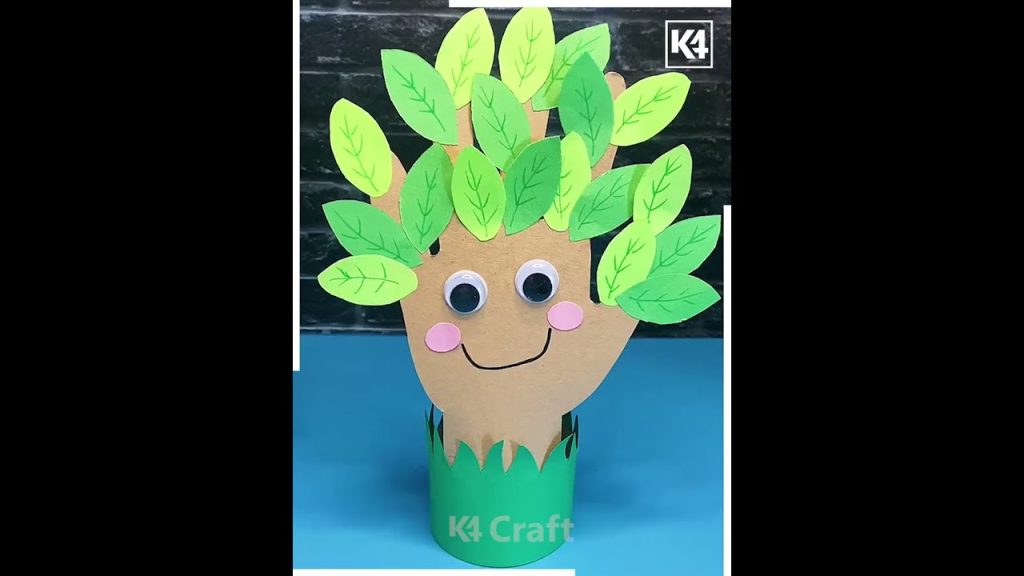
- Homemade action figures crafted from recycled materials like plastic bottles, fabric, and even old toys, allowing children to personalize their creations while promoting sustainability.
- Building block sets made from eco-friendly supplies such as wood scraps or compressed cardboard, providing an inviting medium for open-ended construction play.
- Creative puppet theaters built from cardboard boxes, where children can showcase their storytelling abilities through puppet shows, fostering both creativity and social skills.
Each of these DIY craft toy projects is designed to invite children to explore, experiment, and innovate. The joy of creating not only entertains but also serves as a foundation for nurturing a child’s growth in a playful yet educational context. So, plunge into the vibrant world of crafting, and watch as the remarkable creativity of your little ones flourishes before your eyes!
Nurturing Skills Through Creative Engagement
In recent years, the prevalence of digital devices has surged, leaving many children captivated by screens. This shift poses a risk to their creative development and manual skill acquisition. However, DIY craft toy projects provide an invaluable counterbalance, serving as a transformative vehicle for children to explore their imagination and dexterity. Engaging in hands-on crafting offers a tactile experience that rekindles essential manual skills, allowing children to reconnect with their innate creativity in a physical way. This process not only stimulates their cognitive abilities but also empowers them to express their unique perspectives through their creations.
The journey of crafting toys encourages children to think critically and independently. Take, for example, the construction of a cardboard robot. As children gather and sort through various materials like boxes, paper plates, and buttons, they must make decisions about how to assemble the body, limbs, and head. This hands-on experience fosters a sense of ownership over their creative process. Children engage in planning; they must visualize how different parts fit together, enhancing their strategic thinking and spatial reasoning skills. Through trial and error, they navigate challenges, learning that problem-solving is a crucial aspect of any project.
Moreover, DIY craft projects significantly enhance a child’s focus and concentration. In today’s fast-paced environment, many children grapple with short attention spans. However, immersing themselves in a detailed craft allows them to fully concentrate on the task at hand. Research indicates that engaging in such activities can lead to improved attention. Whether they are painting a colorful puppet or folding intricate origami shapes, children experience a profound sense of accomplishment upon completing their projects. This not only reinforces their ability to concentrate but also cultivates patience and perseverance—qualities that are essential for academic and personal success.
Exciting DIY Craft Toy Ideas
To nurture creativity and enhance manual skills, consider introducing these innovative DIY craft toy projects to your child:
- Nature-inspired mobiles: Children can craft hanging mobiles using twigs, leaves, and small stones, enabling them to explore artistic and organizational skills while fostering a deep appreciation for the environment.
- DIY kaleidoscopes: Using cardboard tubes, reflective foil, and vibrant beads, children can construct their own kaleidoscopes. This project beautifully marries principles of science and artistry, stimulating both their minds and creativity.
- Upcycled toy cars: Encourage children to repurpose materials by utilizing empty containers and bottle caps to create their own toy cars. This not only introduces them to basic engineering concepts but also promotes environmental sustainability by emphasizing upcycling.
These engaging projects do more than just provide entertainment—they lay a strong foundation for lifelong skills. By embracing the world of DIY crafts, children embark on an enriching journey of discovery and innovation. They develop a sense of pride in their accomplishments while cultivating competencies that will prove invaluable throughout their lives. As they immerse themselves in these creative experiences, they not only fashion fun toys but also build the essential scaffolding for future success and critical thinking.
| Advantage | Description |
|---|---|
| Creativity Enhancement | Engaging children in DIY craft toy projects stimulates imaginative thinking and fosters unique self-expression. |
| Skill Development | Being involved in hands-on activities helps children improve fine motor skills and boosts their problem-solving abilities. |
Crafting your own toys not only provides an extraordinary opportunity for children to tap into their innate creativity but also encourages them to think critically. With materials readily available at home, such as cardboard, fabric scraps, and recycled items, parents and children can collaborate on meaningful projects that result in imaginative toys they create together. These DIY projects often culminate in a sense of accomplishment, significantly enhancing children’s self-esteem. As they navigate the process of design and assembly, they learn the value of perseverance and resourcefulness, attributes crucial to lifelong learning. The tactile experience of working with various materials accelerates their development of manual skills as they learn to cut, glue, and assemble their creations—a fundamental aspect of early education.Moreover, engaging in these activities as a family can strengthen the parent-child bond, creating opportunities for meaningful conversations and sharing of ideas. As they explore creativity together, children also learn the importance of collaboration and communication, which are essential life skills. Thus, implementing DIY craft toy projects can be an incredibly enriching experience, yielding benefits that extend far beyond mere playtime.
Fostering Collaboration and Communication
Why are DIY craft toy projects an integral part of a child’s growth? Beyond solitary creativity, they present exceptional opportunities for collaboration and communication. Engaging in crafting activities with peers or family members nurtures social skills, teaching children how to express their ideas, listen to others, and negotiate differing perspectives. For instance, when children work together to create a large scale mosaic from broken tiles, they must discuss color choices, design elements, and placement strategies. This cooperative effort encourages not only teamwork but also boosts interpersonal skills essential for future success in both academic and social environments.
Furthermore, when parents or caregivers join in on these crafting ventures, the bonding experience can pave the way for meaningful conversations and shared learning. Picture a child assembling a birdhouse; as they work shoulder to shoulder with an adult, discussions can naturally shift to the importance of bird conservation or the anatomy of the bird species that might inhabit their creation. This melting pot of creativity and learning fosters a richer understanding of the world around them through experiential evidence.
Inspirational DIY Craft Challenges
To build the collaborative spirit, consider introducing these DIY craft toy challenges that are ripe for team efforts:
- Community art projects: Organize a neighborhood or school event where children can work collectively on large murals or sculptures. Not only does this elevate their creative expression, but it also instills a sense of community pride and responsibility.
- Craft swap parties: Host gatherings where children can exchange crafts they’ve made. This encourages them to value creativity beyond their projects while sharing ideas and receiving constructive feedback, further enhancing their communication abilities.
- Storybook puppet theater: Encourage kids to create puppets based on their favorite storybook characters in groups. Children can work together to write and perform a play, combining storytelling, arts, and collaboration—all while enriching their literary skills.
Moreover, engaging with DIY projects has a profound impact on a child’s emotional intelligence. As children create toys, they learn to manage expectations and develop resilience when faced with setbacks during the process. Research shows that children who engage in hands-on activities are better equipped to handle frustration and adapt when things don’t go as planned. Observing their peers fall short or triumph unveiling their creations teaches them empathy and support, reinforcing emotional growth alongside their manual skills. Crafting, therefore, becomes a multifaceted classroom where life skills thrive.
In addition to valuable skills, these craft projects provide children with tangible outcomes of their hard work. When a child holds a homemade toy, be it a painted puppet or a plush animal stitched from fabric, they experience a sense of accomplishment that significantly boosts their self-esteem. This pride in craftsmanship can encourage further exploration into the realms of DIY projects, inspiring a lifelong passion for creativity, problem-solving, and invention.
As children dive into the world of DIY crafts, they not only create physical objects but also enrich their minds, build relationships, and strengthen their emotional resilience. Crafting can serve as a gateway to numerous learning opportunities, making it an essential part of childhood development.
Conclusion
In conclusion, DIY craft toy projects play an invaluable role in shaping children’s growth, serving as a catalyst for creativity, emotional intelligence, and social skills. Engaging in hands-on creative activities not only sparks imagination but also facilitates essential life lessons in collaboration, resilience, and problem-solving. As children gather together to share ideas and navigate challenges, they cultivate an environment that emphasizes teamwork, communication, and empathy. These experiences prepare them for future academic and personal successes.
Moreover, the sense of accomplishment derived from creating their own toys—whether that be a whimsical puppet or a unique birdhouse—instills a lasting confidence that can stay with them through adolescence and into adulthood. The act of transforming simple materials into something meaningful builds a bridge between imagination and reality, inviting children to explore their inventive potential fully. From enriching cognitive skills to enhancing emotional resilience, the benefits of DIY crafting are extensive and profound.
As parents and educators, fostering a culture that encourages creative play through DIY projects can have lasting effects on a child’s development. By incorporating craft challenges and collaborative projects into regular activities, we can ensure our children are equipped with the creativity and practical skills necessary for a dynamic and ever-evolving world. Ultimately, embracing DIY craft toy projects can open up new avenues of learning, creating a nurturing space where the boundaries of creativity are limitless.