The Art of Finding Inspiration in Nature: How the Environment Can Stimulate Creativity in Writing

The Relationship Between Nature and Creativity
For centuries, nature has served as a timeless muse for writers seeking inspiration. The vibrant landscapes, soothing sounds, and ever-changing elements of the environment play a pivotal role in unleashing creativity. But how does the natural world stimulate our writing? Let’s delve into some compelling factors that illustrate this vital connection.
Consider the following key influences:
- Scenic Beauty: The striking visuals of nature—lush forests, serene lakes, and majestic mountains—can evoke deep emotional responses that resonate with readers. Think about how a writer might describe the golden hues of autumn leaves falling against a backdrop of crimson sunsets, creating imagery that not only captures a moment but also transports readers into that experience. Notable authors, such as John Muir, have drawn extensively on their surroundings, producing vibrant prose that speaks to the heart of nature itself.
- Sounds of Nature: The rustling of leaves, the gentle babble of a brook, and the chirping of birds create a calming atmosphere that enhances focus. For writers, these sounds can drown out unsettling distractions and allow for a deeper mental engagement with their work. Research in psychology has shown that natural sounds can lower stress levels, making for a more productive writing session. For example, many poets and novelists report that writing with an open window, where they can hear the world around them, enhances their creative flow.
- Seasonal Changes: Each season brings a unique array of colors, scents, and experiences that spark new ideas. Spring’s vibrant blooms evoke themes of renewal and hope, while winter’s stark landscapes can inspire feelings of desolation or introspection. Writers like Emily Dickinson often reflected the changing seasons in their work, showcasing how nature serves as a rich source of inspiration that evolves throughout the year.
Additionally, immersing oneself in nature encourages mindfulness, which can be transformative for the creative process. As distractions from everyday life diminish, writers find mental space that fosters profound insights and innovative storytelling. Take a moment to sit by a lake or walk through a forest—these simple acts can ignite the imagination, leading to fresh story ideas and compelling narratives.
As you explore the intersection of writing and your surroundings, you’ll find that the key to creativity might be just outside your door. Embrace the art of finding inspiration in nature, whether it’s through a simple stroll in a local park or a weekend retreat to the mountains, and watch as your words flow more freely and vividly than ever before. Connecting with the natural world allows for a dynamic relationship between the writer and their work, fostering a richness that can enhance every page. Consider documenting your observations and emotions, as this practice could lead to a treasure trove of ideas awaiting to be crafted into your next masterpiece.
Navigating the Creative Landscape
Exploring the intricate relationship between the human spirit and the natural world unveils a tapestry of inspiration that can significantly enhance the writing experience. Engaging with nature often ignites passion and creativity, allowing writers to tap into their innermost thoughts and emotions. This connection is not merely anecdotal; it is supported by various studies and observations made throughout history.
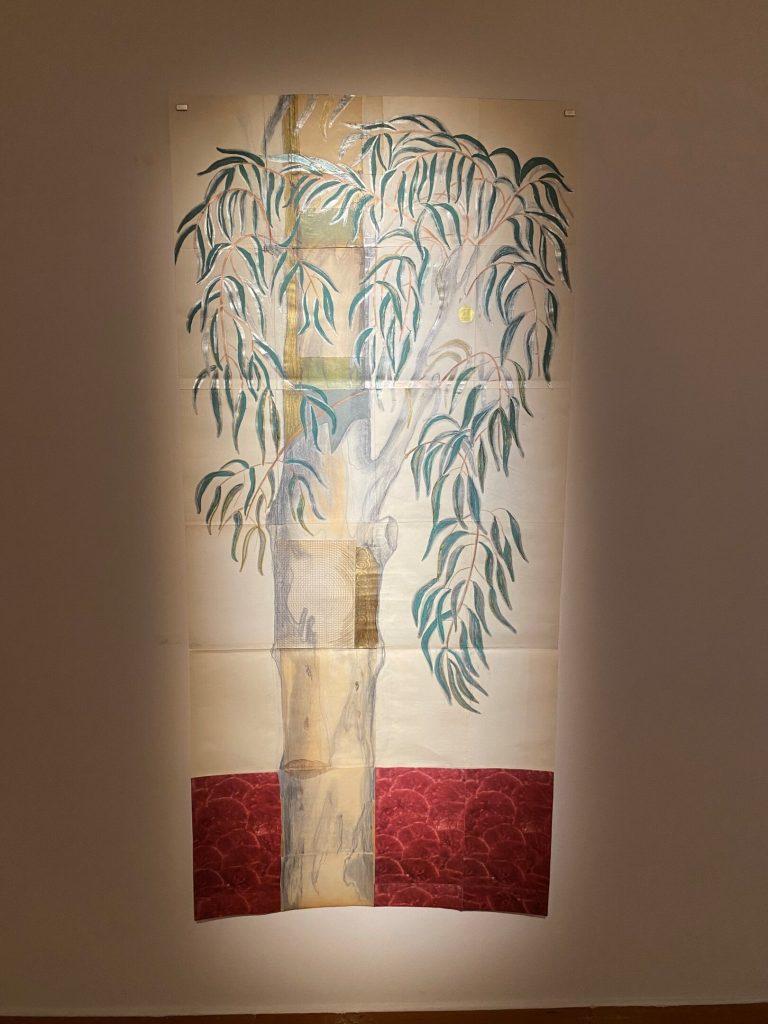
One striking aspect of nature’s influence on creativity lies in its ability to reshape a writer’s perspective. By stepping outside the confines of traditional settings or facing screens, authors can find renewed clarity and focus. The shift in environment encourages a fresh outlook, enabling writers to see situations through different lenses. The variable elements of nature—seasonal changes, diverse flora and fauna, and even weather patterns—serve as a profound source of metaphor and imagery, enhancing literary expression. Below are key reasons why immersing oneself in nature can stimulate creativity:
- Enhanced Observation Skills: Spending time in the great outdoors can sharpen a writer’s ability to notice intricate details. The color of a butterfly’s wings, the texture of tree bark, or the way sunlight dances on water can evoke ideas and emotions that were previously overlooked. Writers often find that these observations translate into vivid descriptions that engage readers, painting pictures with words.
- Physical Wellbeing: Engaging with nature promotes physical activity, which has been linked to improved cognitive function. Studies show that regular exercise, such as hiking or walking, can boost creativity by increasing blood flow and oxygen levels in the brain. Writers who maintain an active lifestyle often report heightened levels of inspiration and idea generation, as physical exertion helps clear mental cobwebs.
- Community with Other Creatives: Nature often serves as a communal space where writers and artists can converge. Workshops and retreats set in natural settings provide writers with the opportunity to share experiences and collaborate, fostering a creative spirit. These gatherings not only enrich individual creativity but also encourage discussions that spark innovative ideas and dialogues. Authors like Mary Oliver and Henry David Thoreau embraced this sense of community, emphasizing the bonds forged through shared experiences in nature.
Furthermore, the tranquility of natural settings often serves as a retreat from the overwhelming bombardment of daily life, allowing writers to reconnect with their inner selves. In this serene space, free from distractions, thoughts can flow more freely, leading to unexpected breakthroughs in creative projects. Taking the time to immerse oneself in nature may involve hiking through a national park, visiting local botanical gardens, or simply enjoying a quiet moment in a nearby green space. Each of these experiences can cultivate an atmosphere ripe for creativity.
As we begin to grasp how nature intertwines with the creative process, it becomes evident that the environment can unlock pathways to originality. By harnessing the essence of the natural world, writers can enrich their craft and tap into the profound inspiration waiting just beyond the horizon. Whether it’s through the sound of waves crashing on a shore or the simple beauty of a blooming flower, nature offers an endless wellspring for storytelling that can invigorate even the most seasoned of writers.
The relationship between nature and creativity has intrigued writers, poets, and artists for centuries. Drawing inspiration from the environment can transcend mere observation; it has the power to evoke emotions, ignite imagination, and craft narratives that resonate deeply with audiences. As the writer Virginia Woolf famously stated, “The eye begins to see, the ear begins to hear, and the mind begins to feel.” This profound connection highlights how immersion in nature can shift one’s perspective, offering a fresh lens through which stories unfold.
For many, the act of writing outdoors can foster a sense of calm and clarity. The benefits of natural surroundings are multifaceted, as they can alleviate stress, enhance focus, and even boost memory. This is particularly relevant for writers facing creative blocks or those seeking new ideas. Stepping away from the distracting buzz of urban life to explore a quiet forest or a serene lakeside can provide not just respite, but also a spark needed to ignite creativity.
Sounds found in nature—birds chirping, leaves rustling, or water flowing—can create a soothing soundtrack that allows writers to delve into their thoughts without interruption. Furthermore, the shifting colors and textures of a landscape can stimulate visual imagination, urging writers to express what they see and feel in words that capture their readers’ senses. This interplay between the physical environment and the creative process points to an important insight: sometimes, stepping outside is the key to unlocking our inner worlds.
In addition to visual and auditory stimuli, the scents and sensations present in nature can play a pivotal role in creative writing. The smell of pine needles in a forest or the salty air of the ocean can trigger memories and feelings that inform narrative arcs, character development, and settings. Emphasizing the sensory experience allows writers to create richer, more immersive worlds, resonating with readers on various levels.
| Category 1 | Category 2 |
|---|---|
| Creative Expansion | Engaging with diverse environments enhances narrative diversity. |
| Mindfulness and Concentration | Nature encourages a state of mindfulness, promoting focus on writing. |
Ultimately, the profound influence of nature on creativity illustrates a timeless connection awaiting exploration. Writers willing to embrace the great outdoors can uncover not only inspiration but a deeper understanding of their own narratives, crafting stories that resonate with authenticity and artistry.
Unleashing the Writer Within
The transformative power of nature extends beyond physical rejuvenation; it also has a profound impact on emotional and psychological well-being, which is crucial for fostering creativity in writing. A significant factor in this rejuvenation is the concept of biophilia, which suggests that humans possess an innate desire to connect with the natural world. This connection can lead to heightened creativity by encouraging reflection and introspection. Writers often find that stepping into nature allows for a deeper emotional exploration, tapping into their own feelings and experiences in ways that enhance their storytelling.
Many writers have long recognized the importance of incorporating sensory experiences from nature into their work. For example, renowned novelist Ray Bradbury frequently drew inspiration from his surroundings in Los Angeles, crafting rich narratives filled with the essence of the land. His vivid descriptions of sweltering summer nights or wildfires reflect a keen awareness of how environmental elements can shape the mood, tone, and themes of a story. By engaging the senses, writers can evoke emotions that resonate with readers, enhancing the overall impact of their narratives.
Nature can also play a pivotal role in breaking through creative blocks. When writers feel stifled by writer’s block, taking a stroll in a park or hiking a scenic trail can stimulate new ideas. According to a study published in the journal Psychological Science, individuals who walked in nature demonstrated a significant increase in problem-solving abilities compared to those who walked in urban environments. This refreshing change of scenery can help writers tap into their subconscious and access ideas they might not have realized were there.
Additionally, nature can serve as a muse, igniting the flames of imagination with its untamed beauty and natural wonders. For instance, the overwhelming splendor of a majestic mountain range can inspire themes of resilience and adventure, while the quiet elegance of a forest may evoke introspection and solitude. Literary figures like Emily Dickinson and John Keats found solace in the natural world, using its imagery to craft timeless poetry that still resonates with readers today. Each leaf, raindrop, or rustling breeze can become a metaphor, making literature feel more alive and relatable.
- Nature Journaling: Writers can enhance their connection to nature by keeping a nature journal. Documenting observations, thoughts, and feelings while in a natural setting can serve as a powerful tool for self-discovery and literary inspiration. These journals can be mined for ideas later, transforming personal reflections into compelling narratives.
- Seasonal Inspiration: Different seasons offer varied emotional landscapes. The vibrancy of spring, the stillness of winter, the abundance of summer, and the decay of autumn can all influence a writer’s feelings and themes. Incorporating seasonal shifts into stories can help establish stronger connections with readers, allowing them to experience the rhythm of nature through the written word.
- Reconnecting with Childhood Experiences: Many writers find that nature awakens childhood memories, unlocking a sense of wonder and creativity that often diminishes with adulthood. Revisiting moments spent in nature as children can lead to fresh story ideas rooted in nostalgia and innocence, allowing writers to experiment with tone and voice.
The roles that nature plays in the writing process are multifaceted and profound. Engaging all the senses and fostering a deeper emotional connection through natural environments can be a catalyst for creativity that writers often overlook. Embracing the outdoors then becomes not just an escape, but a necessary element of the artistic process, reigniting the flame of inspiration and guiding writers toward innovative expressions in their craft. As they nurture this connection with nature, writers may discover a tapestry of insights that transform their work, inviting readers to experience the beauty of storytelling enriched by the environment.
Embracing Nature: A Fountain of Creative Inspiration
In conclusion, the relationship between nature and creativity is a powerful one, offering writers an abundant source of inspiration that many may overlook. Experiences in the natural world not only evoke emotional responses but also stimulate the imagination, allowing writers to connect deeply with their inner thoughts and experiences. From the rustling of leaves in a gentle breeze to the vibrant colors of a sunset, nature serves as a vast landscape of ideas waiting to be explored and transformed into stories that resonate with readers.
As we have seen, incorporating elements of biophilia into the writing process can awaken dormant creativity, helping writers navigate through barriers like writer’s block. By engaging in activities such as nature journaling, utilizing the emotional impacts of different seasons, and tapping into childhood memories, writers can enrich their narratives and discover new perspectives. Nature, with its unpredictable beauty and serenity, invites reflection, wonder, and discovery.
Ultimately, the art of finding inspiration in nature can redefine a writer’s journey, making the outdoors not merely a backdrop but an integral part of the creative process. This connection can result in literature that not only tells a story but also paints a vivid picture of the world around us. As writers embrace the soothing rhythm of nature, they not only enhance their craft but also breathe life into their characters and settings. The natural world is an ever-present muse, calling out to be listened to and celebrated in every written word.