Writing in Motion: The Influence of Dance and Body Movement on the Generation of Written Ideas
Unleashing Creativity Through Movement
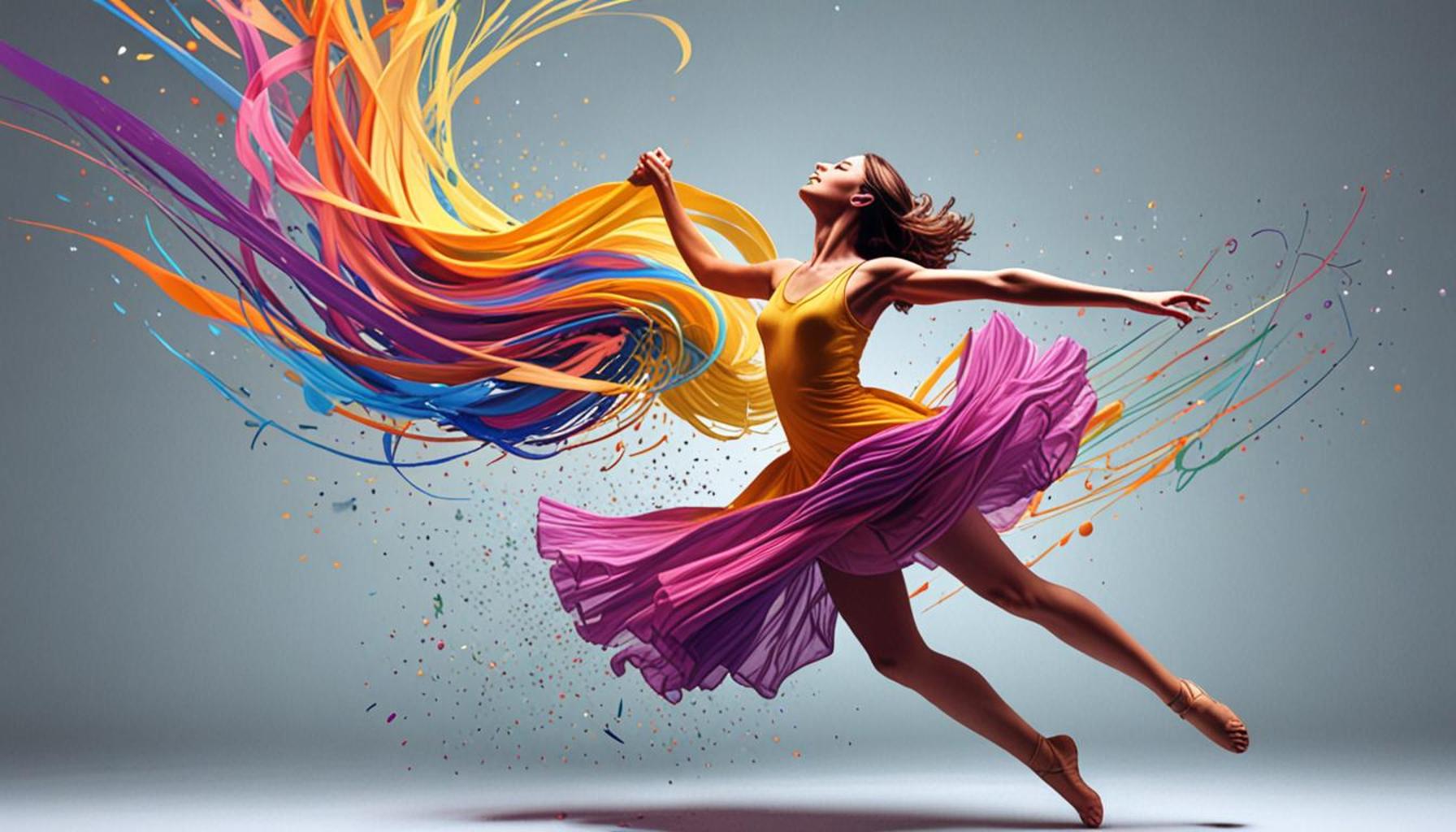
Have you ever noticed how your mind races with ideas when you move? Dance and body movement are not only expressions of art; they can also ignite the creative processes involved in writing. When you engage in movement, be it through dancing, stretching, or even brisk walking, you often find that your thoughts become more fluid and innovative. This phenomenon can be attributed to the intricate connection between physical motion and cognitive function.
The exploration of this connection reveals intriguing nuances. Consider the following:
- Physical Rhythm: Movement establishes a rhythm that can mirror the cadence of written language. For instance, a poet might find inspiration during an energetic dance class, as the beats and flows can evoke the syllabic patterns found in their verse. Similarly, a novelist might articulate their narrative’s pacing through the physicality of their body, using movement to inform the emotional weight of their story.
- Emotional Flow: Dance can evoke emotions, sparking inspiration for storytelling and character development. A ballet performance, characterized by grace and strength, can inspire a writer to draw from themes of resilience and beauty. Conversely, the raw energy of hip-hop can open a writer’s mind to vibrant, urban characters who embody that explosive rhythm.
- Mind-Body Connection: Engaging the body can unlock different thinking pathways, enhancing ideation. For example, writers who take breaks to dance or move may find that their ideas become more diverse and imaginative. This is because physical movement promotes better brain health and increases blood flow, allowing for clearer thinking.
These elements raise important questions about the relationship between motion and creativity. How do various forms of dancing influence the way we generate ideas? What parallels exist between the spontaneity of movement and the fluidity of writing? This inquiry points to a deeper understanding of how creativity is not merely a mental exercise but is also rooted in the physical experience.
Research indicates that engaging physically can release endorphins and foster a state of flow—essential for any creative endeavor. A famous study by Stanford University found that walking can increase creativity by up to 60%. This suggests that as many writers struggle with blocks, incorporating aspects of dance could revolutionize their process. By allowing themselves to move freely, they may unleash new depths of creativity they never knew existed.
In the following sections, we will explore the transformative power of motion on the written word. Through interviews with authors and dancers, and examination of case studies, we will delve into how the synergy of writers and dancers can lead to profound expressions of creativity, encouraging readers to reconsider how they approach both movement and the arts.
The Dance of Ideas: Exploring the Kinesthetic Connection
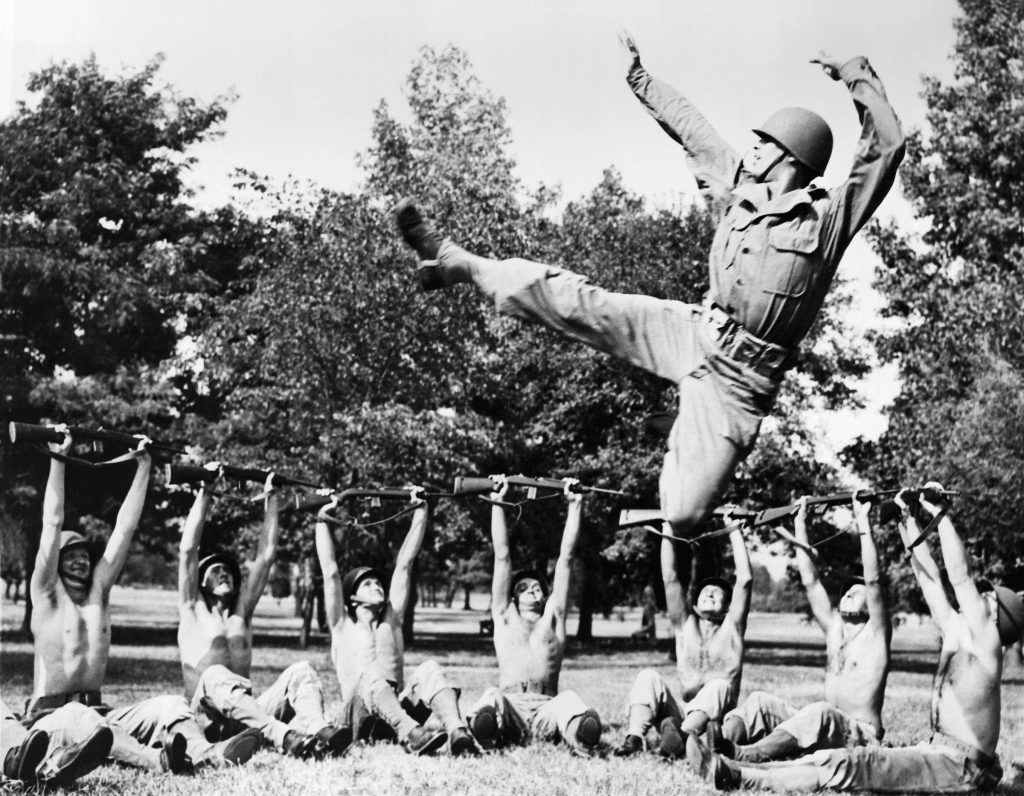
To fully appreciate the link between dance, body movement, and the generation of written ideas, we must first recognize how our bodies respond to music and rhythm. The body is not just a vessel for thought; it plays an active role in shaping our perceptions and, subsequently, our creative outputs. When we allow ourselves to engage in movement, the potential for idea generation expands dramatically. Consider why so many artistic minds choose to incorporate dance into their creative routines.
One compelling reason lies in the nature of kinesthetic learning. This learning style emphasizes the importance of physical activity in understanding and retaining information. Writers, by tapping into this style, can break free from conventional writing processes that often confine them to a desk. By allowing their bodies to experience motion, writers can stimulate fresh ideas that may otherwise remain dormant. This engagement can be particularly impactful when exploring themes or character dynamics, as the movement provides visceral feelings that can fuel narrative development.
Moreover, the sensory experience of movement is crucial. It’s a well-documented concept that our brains process information through various channels. The more senses involved, the clearer and richer the resulting ideas can be. Engaging in activities such as dance not only gets the blood pumping but also activates areas of the brain responsible for creativity. Here are a few notable effects of movement on the writing process:
- Enhanced Visualization: When a writer dances, their body can help them visualize characters and scenes in a new light. The motions can evoke specific emotions tied to writing, providing a strong foundation for vivid descriptions that resonate with readers.
- Improved Focus: Physical movement sharpens concentration. While writing amidst distractions can stifle creativity, going for a dance break or a brisk walk allows the mind to reset. This results in renewed focus and clarity upon returning to the page.
- Unconventional Thinking: Just as dance requires improvisation, writing can benefit from a break away from rigid structures. Writers can embrace spontaneity in their narrative when they are inspired through free-form movement, leading to unexpected storyline developments or character arcs.
These benefits are further substantiated by psychology and neuroscience research, illustrating how even simple movements can rewire thought pathways. For instance, studies have shown that engaging in dance can significantly activate regions in the brain associated with creativity, such as the prefrontal cortex. This area plays a vital role in complex cognitive behavior and decision-making, laying the groundwork for innovative writing.
Ultimately, the synergy between dance and writing invites a broader exploration of how the physical realm contributes to artistic expression. As we dive deeper into this subject, we will uncover stories from writers and dancers alike, each showing how movement can unlock inspiration and lead to profound creative revelations. This exploration invites all creators, whether seasoned or aspiring, to reflect on their creative habits and consider the transformative power of motion in their personal writing journeys.
Exploring the Connection Between Movement and Creativity
The relationship between dance and writing goes far beyond mere physicality; it involves a profound cognitive and emotional interplay. Movement activates various brain regions responsible for creativity, particularly those involved in emotional processing and linguistic development. Studies have shown that engaging in physical activity, including dance, enhances divergent thinking—a key component of the creative writing process. When writers engage in body movement, they often report an increased flow of ideas and thoughts, citing a sense of freedom and liberation that allows for authentic expression.Consider the nature of dance itself: it is a language of its own, rich in nuance and emotion. Similarly, writing aims to evoke feelings and convey messages. Just as a dancer tells a story through movement, a writer weaves narratives with words. This parallel can be particularly evident in structured writing exercises that incorporate dance. For instance, writers may find inspiration through improvisational movement, allowing their bodies to inform the rhythms and cadences of their prose.In many creative writing workshops, instructors use movement exercises to stimulate the imagination. These activities often help participants break through writer’s block by shifting their focus from mental constraints to fluid physical expression. As the body communicates, the mind can unlock new perspectives, leading to innovative ideas.The physical sensations introduced by movement can also create a deeper connection to the subject matter. When writers physically embody the emotions they want to convey, the resulting narratives are often more vivid and alive in their readers’ minds. For example, practicing dance in a classroom setting could inspire narratives that explore themes of freedom, struggle, or identity, establishing a powerful synergy between body and text.In essence, writing in motion invites authors to experience their work akin to dancing—layered, emotive, and impactful. As they gain deeper insights into their own processes, writers may become more attuned to the subtleties of their craft, ultimately enriching the stories they tell. Nurturing this connection between dance and writing opens avenues for experimentation. It urges writers to consider not just the words they choose but how the very act of writing can be a dynamic performance. As a result, both disciplines can enhance each other in unexpected and inspiring ways, illuminating the path toward richer creative expressions.
Movement as a Catalyst for Creativity
As writers delve deeper into the realms of dance and body movement, we uncover the profound impact that the act of moving can have on the writer’s psyche. This inquiry into dynamism in creativity goes beyond mere aesthetic appreciation; it speaks to how movement can act as a catalyst for generating unique and compelling written ideas. By examining various approaches to integrating movement into writing, we can better understand how this practice enhances creativity.
One method that underscores this relationship is free writing while in motion. Writers who engage in activities such as walking or dancing while verbalizing their thoughts often find that their ideas flow more freely. Combining physical exertion with verbal expression taps into the body’s inherent rhythm, allowing ideas to be articulated naturally without the constraints of conventional writing environments. This process liberates writers from the fear of producing imperfect drafts, creating an environment conducive to experimentation and discovery.
Furthermore, many writers report that participating in dance classes has enriched their storytelling skills. Whether it’s contemporary, ballet, or even hip-hop, each dance style presents a unique language in movement that can mirror emotional nuances found in writing. Dancers embody various characters and narratives as they perform, and this inherent storytelling aspect empowers writers who participate to explore their own stories with corresponding physicality. The synergy between the two art forms encourages exploration beyond traditional boundaries, inviting writers to infuse their prose with dynamic energy.
Additionally, the physicality of dance compels writers to experience the world differently. Engaging with embodied cognition, writers can develop a deeper understanding of their characters’ motivations and emotions. This psychological concept posits that the mind is not only connected to ideas but is also deeply interwoven with bodily experiences. Writers who observe their bodies while dancing can access a reservoir of emotional data that can significantly influence their character development and narrative arcs.
The role of spatial awareness in dance further accentuates this connection. Dance movements guide practitioners to become more aware of their surroundings, which can parallel the spatiality in writing. Writers can benefit from recognizing their environments and the physical spaces their characters inhabit. Through this awareness, writers can create richer, more immersive settings that resonate with audiences. For instance, a writer inspired by the fluid movements of a jazz dance routine may craft a scene that captures the rhythm and energy of a bustling city, deepening the reader’s connection to the story.
Moreover, studies show that engaging in physical movement, such as dance, can foster overall well-being, which is essential for maintaining a vibrant creative practice. The endorphin release triggered by movement not only uplifts the mood but can also help alleviate the common struggles associated with writer’s block. In this way, integrating dance into a writing routine may effectively counteract the stagnation often experienced during the creative process.
In conclusion, the profound interplay between body movement and the generation of written ideas highlights a vital exploration of creativity’s multifaceted nature. There exists tremendous potential in drawing from the fluidity of dance to inform and enrich writing practices. With this understanding, writers can embrace motion as an empowering tool, fostering greater freedom to explore narratives that resonate on both an intellectual and emotional level.
Embracing Motion for Enhanced Creativity
In exploring the intersection of dance and writing, we unveil a transformative approach to creativity that encourages writers to step outside traditional confines. The synergy between movement and expression not only stimulates the flow of ideas but also breathes life into the narratives we create. Dance serves as a bridge to understanding characters on a deeper level, allowing writers to capture the nuances of human experience through the lens of physicality. This novel approach illustrates that engaging the body can unlock new pathways for emotional resonance and narrative depth, enriching storytelling in ways previously unimagined.
Moreover, the myriad benefits of physical movement extend beyond creativity alone; they encompass overall well-being, making the integration of dance into writing routines an appealing consideration for many authors. The alleviation of stress, enhancement of mood, and promotional flow of ideas associated with the act of dancing can combat the dreaded writer’s block, fostering a more vibrant and productive writing practice.
As aspiring and established writers alike contemplate their workflows, incorporating movement as a tool for inspiration may open new avenues for exploration. Whether it be through intentional dance sessions or simply taking a walk while brainstorming, embracing motion could be the key to unlocking untapped creativity. Ultimately, recognizing the profound influence of body movement on the generation of written ideas can lead to revolutionary shifts in how we approach writing, inviting us to create with our entire being—mind, body, and soul.