The evolution of digital art: how new technologies are transforming artistic expression and creative hobbies
The Rise of Digital Art
In recent years, digital art has surged from a niche market to a dominant form of creative expression. Artists now utilize an array of innovative technologies that challenge traditional boundaries. This evolution has transformed not only the artwork itself but also the way we engage with and perceive creativity. The ability to create mesmerizing pieces from the comfort of a home studio has attracted both seasoned and aspiring artists alike, leading to a flourishing community that thrives on collaboration and sharing.
Several key technologies have played a pivotal role in this transformation:
- Graphics Tablets: Enabling precision and fluidity in digital painting. These devices allow for a more nuanced approach to art creation, replicating the feeling of traditional brushes or pens with added digital benefits like layers and undo options.
- 3D Printing: Bringing digital concepts into tangible realities. This technology allows artists to transform their digital designs into physical objects, offering endless possibilities for sculptures, jewelry, and even fashion. For instance, artists like Joshua Harker have famously utilized 3D printing to push the boundaries of traditional art forms.
- Virtual Reality (VR): Immersing artists and audiences in experiential art. With tools such as Oculus Medium, artists can create in a 3D space, enabling viewers to step inside their artwork and experience it from a new perspective. This has led to stunning installations like “The Night Café” which takes visitors inside a Van Gogh-inspired VR experience.
- Augmented Reality (AR): Blending digital elements with the physical world. Artists are now using AR to add a dynamic layer to traditional artworks. Apps like Artivive allow users to enhance their physical pieces with digital animations, creating an interactive experience that engages audiences in unprecedented ways.
The shift towards digital mediums has redefined creative hobbies. From design to animation, the digital landscape offers artists versatile platforms for experimentation. This has resulted in an explosion of artistic communities where individuals share techniques, receive feedback, and collaborate on projects. Platforms like Instagram and DeviantArt have made it easier than ever for artists to showcase their work, build a follower base, and even monetize their creations through print sales or commissioned pieces.
As digital art gains traction, it’s essential to understand its implications. How do these technologies breathe new life into creative expression? They not only expand the toolkit available to artists but also challenge the traditional understanding of what art can be. Conversely, digital art faces challenges such as debates over originality and ownership, especially when artworks can be reproduced endlessly. Furthermore, as physical galleries grapple with the rise of digital, they must reconsider how to showcase these innovative works effectively.
Join us as we explore the intricate relationship between technology and artistic innovation, diving deeper into the transformative power of digital tools and the discourse surrounding this new frontier in creativity.
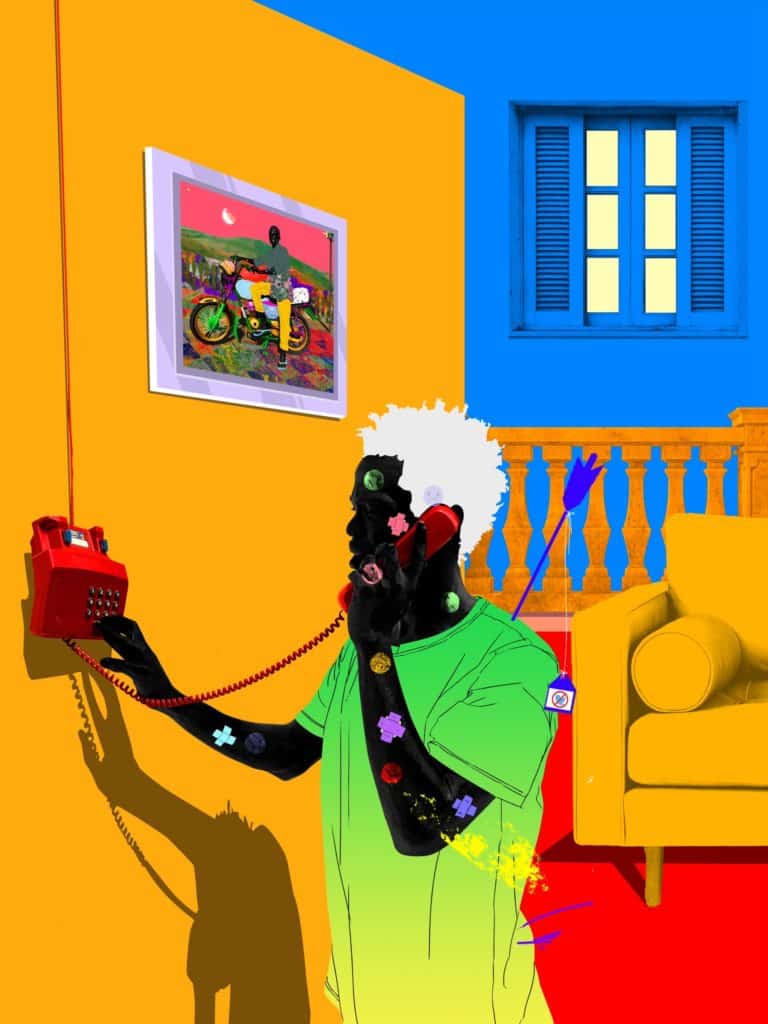
Innovative Tools Shaping Artistic Expression
The introduction of new technologies has not only altered the medium of artistic creation but has also fostered an evolution in the techniques and approaches artists employ. This dynamic landscape invites exploration, pushing artists to adopt an experimental mindset that integrates digital tools into their traditional practices. The advent of digital painting software such as Adobe Photoshop and Procreate exemplifies this integration, allowing artists to manipulate vibrant colors and intricate details with precision that traditional methods often struggle to achieve.
As the accessibility of these powerful tools grows, so too does their influence on creative hobbies. A diverse array of artistic disciplines that were once confined to brick-and-mortar studios are now flourishing in digital environments. The following are key areas where technology has significantly transformed creative endeavors:
- Graphic Design: The rise of user-friendly graphic design platforms like Canva and Adobe Illustrator enables individuals without formal training to produce professional-quality visuals. This democratization of design has given birth to a new wave of content creators who use their skills for marketing, entrepreneurship, and personal projects.
- Animation: Software such as Blender and After Effects has revolutionized the field of animation. These tools not only empower seasoned animators but also invite hobbyists to delve into motion graphics, giving life to their ideas in ways previously unattainable. The phenomenon of short animated clips shared on social media platforms highlights the increasing popularity of this form of artistry.
- Digital Photography: With the advent of smartphones equipped with sophisticated camera technology, photography as a hobby has seen an unprecedented boom. Editing apps like Lightroom and Snapseed further enhance the creative quality of images, allowing users to engage in artistic storytelling through visual media.
- Online Workshops and Tutorials: The digital age has made art education more accessible than ever. Online platforms such as Skillshare and Udemy offer a plethora of workshops and courses encompassing various digital art forms, enabling aspiring artists to acquire new skills and refine their techniques from the comfort of their homes.
As new technological advancements make their mark on the art world, the interaction between artists and audiences is also evolving. Social media has become a quintessential aspect of this landscape, enabling artists to reach wider audiences, interact with followers, and forge collaborations across geographical boundaries. Platforms like TikTok and Instagram have fostered a sense of community, as artists share their creative journeys through time-lapse videos of their process or tutorials aimed at fellow creators.
However, with rapid advancement comes critical discourse. The ease of reproduction in the digital sphere raises pertinent questions regarding originality and ownership. As artists navigate copyright laws in a world where art can be shared, copied, and modified at alarming rates, understanding the boundaries of one’s work is more vital than ever. The journey of digital art is not merely about new tools and techniques; it is a comprehensive narrative that redefines the values of the artistic community.
This transformation continues to unfold as artists fully embrace technological advancements, challenging them to rethink their definitions of art and expression. As we delve deeper into this evolving landscape, we will uncover the profound impacts these technologies are making on artistic practices and how they are reshaping the definition of creativity in our modern world.
Digital art has evolved significantly over the past few decades, driven by rapid advancements in technology and the increasing accessibility of creative tools. Among the most notable transformations is the incorporation of artificial intelligence (AI) into the artistic process. AI-powered platforms can now assist artists in generating unique imagery, enhancing creativity, and streamlining workflows. For instance, tools like DeepArt and Artbreeder employ algorithms to blend different styles, allowing for an expansive range of creative possibilities that challenge the traditional notions of artistry.Moreover, the advent of virtual reality (VR) and augmented reality (AR) has redefined the viewer’s experience, immersing audiences in interactive environments. Artists can create 3D installations that come alive in AR, bridging the gap between the physical and digital realms. This transformation not only enhances artistic expression but also democratizes art experiences, enabling participation from global audiences regardless of physical location.In addition to this, the rise of blockchain technology has introduced innovative ways to buy, sell, and own art. NFTs (Non-Fungible Tokens) have created a new marketplace for digital artists, allowing them to monetize their work and retain ownership rights in a way that was not possible before. These advancements represent a bold shift in art’s economic landscape, empowering artists and collectors alike.As technology continues to progress, it is clear that the boundaries of artistic expression are constantly being redrawn. Each new tool and platform not only enriches the world of digital art but also challenges the established status quo, inviting both creators and enthusiasts to engage with art in ever-evolving ways. The transformation of creative hobbies through digital means underscores a broader societal change, where art becomes more accessible, interactive, and integrated into our everyday lives.
The Emergence of New Creative Communities
The digital art landscape is not merely defined by the tools at artists’ disposal but also by the communities that have formed around them. As artists experiment with new forms of artistic expression, a rich tapestry of creative communities has emerged, leveraging technology to foster collaboration and sharing. Virtual platforms, forums, and social media groups have connected artists with peers and enthusiasts, creating spaces where ideas can flourish and cross-pollinate.
These communities are vital for enhancing artistic growth and innovation. Websites such as DeviantArt and ArtStation serve as online galleries, showcasing an array of digital art styles and talents while providing networking opportunities. Artists can receive feedback, gain exposure, and even sell their works directly to consumers. Moreover, niche platforms focusing on specific subcultures—like pixel art, 3D modeling, and concept art—allow for targeted engagement within specialized audiences.
The rise of Virtual Reality (VR) and Augmented Reality (AR) technologies has further transformed how communities interact with art. Applications like Tilt Brush allow artists to create immersive 3D environments that can be explored and experienced, not just viewed. These technological advancements encourage collective participation, where users can contribute to a shared virtual space, thereby fostering collaborative projects that transcend traditional boundaries.
Creative Opportunities in Non-Traditional Spaces
With the digital art movement gaining momentum, artists are finding innovative ways to utilize non-traditional spaces for their creative endeavors. Digital exhibitions held in online environments offer artists a platform that reaches global audiences, eliminating the need for physical galleries. Events like the Virtual Art Fair and online art showcases have become more prevalent, allowing creators to present their works without the constraints of geography or logistics.
Furthermore, digital art has carved a niche within the realm of interactive storytelling. Artists are marrying visual art with narrative techniques, leading to the rise of graphic novels and webcomics that engage readers in unique ways. Platforms such as Tapas and Webtoon empower artists to share their stories and reach wider audiences, often integrating community feedback into their creative processes to enhance narrative depth.
Monetization and New Economic Models
As digital art gains prominence, artists are also exploring innovative ways to monetize their works. The emergence of Non-Fungible Tokens (NFTs) has created a new economic model for digital artists, allowing for the sale and trade of unique digital assets. NFTs provide a mechanism for ownership and provenance, enabling artists to sell their creations directly to collectors while enjoying the benefits of smart contracts. This model has sparked a revolution in how digital art is perceived and valued, turning traditional notions of art selling on their heads.
While the NFT market has seen both highs and lows, artists across the spectrum are beginning to experiment with this technology, finding creative ways to blend artistry with blockchain, and shifting the economic landscape of digital art sales. This shift not only democratizes access to art buying but also encourages aspiring creatives to diversify their income streams by exploring various avenues of artistic expression.
The growth of platforms such as Patreon has also changed how artists sustain their creative practices. By engaging directly with their audience and offering exclusive content, artists can cultivate dedicated fanbases that provide ongoing support, often decreasing reliance on traditional gallery representations and fostering more sustainable art careers.
Conclusion: The Future of Digital Art and Creativity
As we have explored, the evolution of digital art is marked by an impressive synergy between technology and creativity. With the advent of sophisticated software, immersive experiences, and innovative platforms, artists are experiencing a paradigm shift in how they create, share, and monetize their work. The rise of online communities facilitates collaboration and dialogue, ensuring that ideas and techniques can spread rapidly across geographical boundaries and artistic styles.
The transition to non-traditional spaces for art showcases opens new avenues for exposure and engagement, allowing digital artists to reach audiences far beyond conventional galleries. Furthermore, the integration of interactive storytelling has not only expanded the definition of art but has also enriched the user experience, making art a participatory endeavor.
As economic models continue to transform—such as the growing popularity of Non-Fungible Tokens (NFTs) and platforms like Patreon—artists are empowered to redefine their relationships with both their work and their audience. This evolution democratizes art, making it accessible to anyone with a digital device while encouraging creativity that reflects a diverse range of perspectives and backgrounds.
Ultimately, whether through virtual reality, augmented reality, or the latest online platforms, the journey of digital art is just beginning. The continuous blending of artistic expression with technological innovation holds the promise of an exciting future, inviting anyone curious to explore the boundless creative possibilities that lie ahead. As this realm unfolds, artists and enthusiasts alike have the opportunity to not only witness but actively participate in the transformation of artistic expression.