The Intersection of Literature and Fashion: How Styles and Trends Can Inspire Creative Narratives
The Intersection of Literature and Fashion
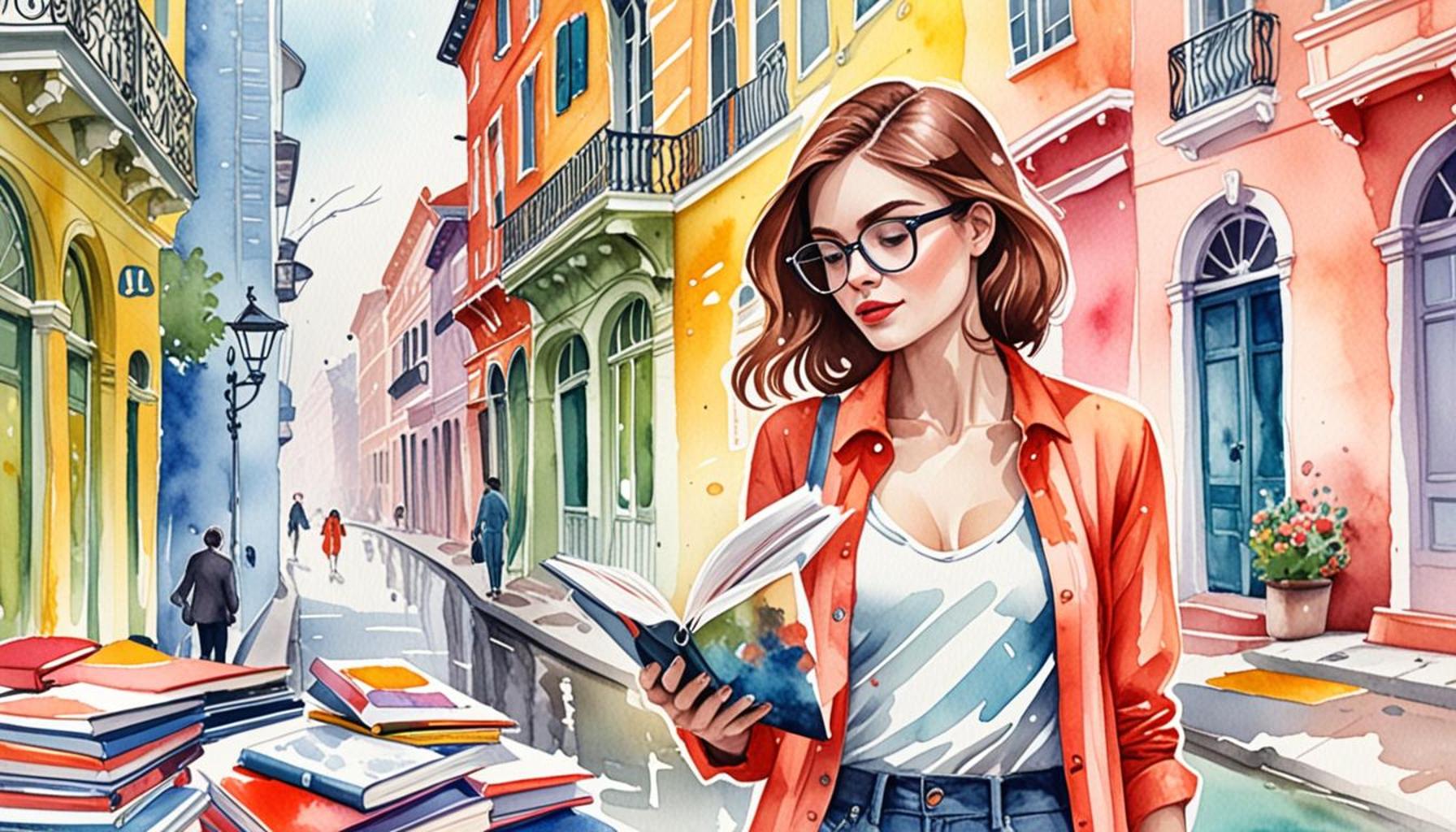
Fashion and literature share a profound connection that transcends mere aesthetics. Both art forms serve as reflections of society, encapsulating values, ideas, and emotions. They inspire and influence one another, creating a vibrant dialogue rich with possibilities. This relationship is not only historical but also contemporary, showcasing how literature can inspire fashion trends and how fashion can recount stories through its designs.
From iconic novels to runway trends, here are several ways in which clothing can shape narratives:
- Character Development: Fashion often defines a character’s identity, aligning with their personality traits, social status, and evolution throughout a story. For instance, in F. Scott Fitzgerald’s classic, “The Great Gatsby,” the opulent fashion of Jay Gatsby is not only a reflection of his wealth but also his desire to be seen as part of the elite. Every shimmering suit and extravagant party he throws speaks volumes about his aspirations and the societal expectations of the Roaring Twenties.
- Historical Context: Literature frequently captures the essence of specific eras, and fashion serves as a visual representation of those times, offering readers a deeper understanding of the narrative backdrop. Consider how novels set in the Victorian era, such as the works of Charles Dickens, vividly describe the elaborate dresses and tailored suits that symbolize the societal structures of the time. This attention to detail allows readers to visualize and immerse themselves in the world the author has created.
- Themes and Symbols: Clothing can symbolize themes such as rebellion, conformity, or freedom, enhancing the layers of meaning within a literary work. In George Orwell’s “1984,” the drab uniforms worn by party members convey themes of oppression and conformity, contrasting sharply with the protagonist Winston’s desire for individuality. This dichotomy allows readers to engage with the themes on a visual level, making the narrative even more impactful.
As we explore the intersection of literature and fashion, we uncover a fertile ground for creativity. Authors can draw inspiration from current fashion trends to further engage readers, while designers can find narrative threads in literary works that inform their collections. For example, the revival of 1920s flapper styles in modern fashion collections often draws from literature such as “The Great Gatsby,” illustrating how the historic blend of literature and fashion endures and evolves.
The dialogue between these two realms invites us to consider how styles and trends can inspire innovative storytelling. Authors may find muses in fashion icons, while designers may craft looks based on literary characters. Such synergy not only enriches creative expression but also encourages audiences to consume and interact with these art forms in new and meaningful ways. Join us on this journey as we delve into the captivating ways these cultural forces intertwine.
Fashion as a Narrative Tool
Fashion is not merely superficial; it serves as a potent narrative tool that can evoke emotions, convey messages, and shape perceptions in literature. The incorporation of fashion into storytelling offers authors a unique avenue to explore complex themes and character arcs, inviting readers to embark on a multifaceted journey through both visual and textual artistry. By examining the nuances of clothing, accessories, and styles, writers can create rich tapestries of meaning within their narratives, allowing readers to engage with the text on a deeper level.
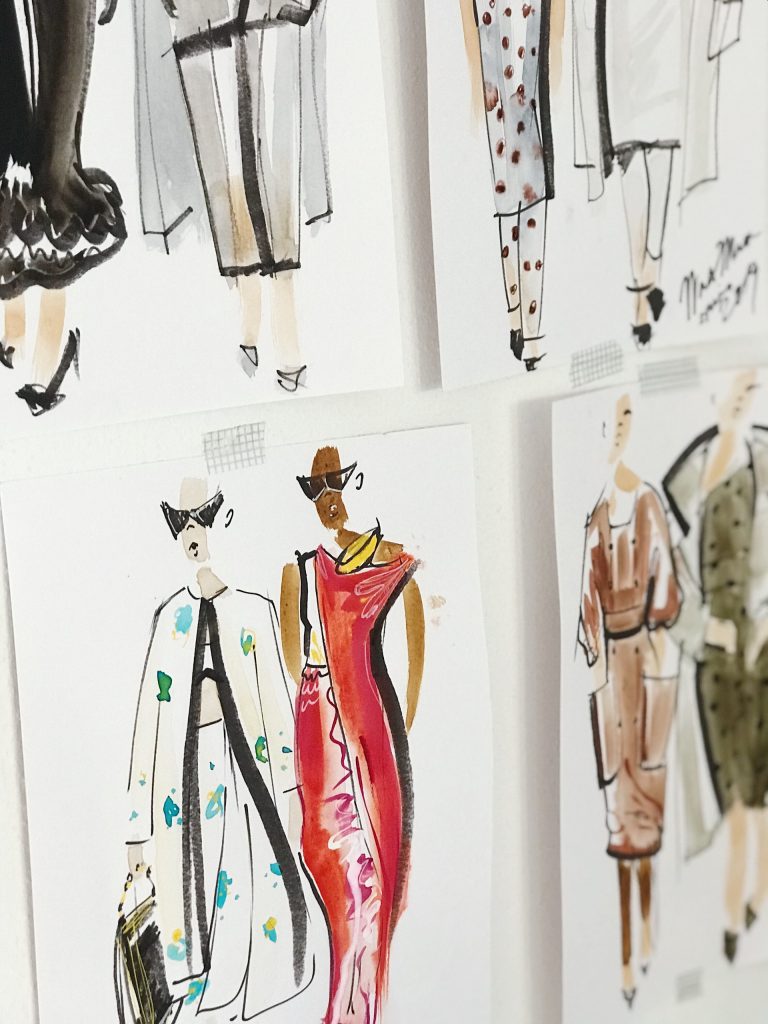
One of the key ways fashion influences literature is through the portrayal of social classes and cultural contexts. Costumes and wardrobe choices are often used strategically to delineate class distinctions, which can illuminate societal structures within a literary plot. For example, in “Pride and Prejudice” by Jane Austen, the contrasting attire of the Bennet family compared to that of Mr. Darcy and Miss Bingley signifies not only wealth but also social propriety and morality. This sartorial detail informs readers of deeper societal norms while simultaneously reflecting the characters’ internal conflicts and aspirations.
Similarly, literature often serves as a driving force behind fashion trends, inspiring designers to create innovative collections that resonate with the themes explored in various works. The phenomenon of “literary fashion” has gained momentum in recent years, as designers increasingly draw from characters and narratives. For instance, the 2019 Met Gala, themed “Camp: Notes on Fashion,” showcased outfits that echoed the flamboyant excesses of literary figures like Oscar Wilde and the vivid, surreal descriptions found in works of magical realism. This interplay illustrates how fashion not only reflects but also reinvents literary inspirations, sparking exciting new trends.
Moreover, the relationship between literature and fashion can be analyzed through specific motifs and symbols found in clothing. The use of color, texture, and patterns can reflect key themes within a narrative. In works like “The Handmaid’s Tale” by Margaret Atwood, the color-coded uniforms of the Handmaids create a stark visual representation of oppression and control. The red dresses signify both fertility and subjugation, acting as a powerful symbolic element that enriches the storyline. Through such symbolism, readers can engage with the narrative beyond the text, experiencing the emotional weight carried by the characters’ clothes.
A broader examination of this synergy also reveals how cultural factors influence the aesthetics of both literature and fashion. The trends emerging from subcultures find their way into literary works, manifesting in characters that personify these styles and attitudes. The punk movement’s emergence in the 1970s led to a wave of literary works celebrating rebellion, with authors like William S. Burroughs capturing the essence of the movement in their narratives, while fashion designers like Vivienne Westwood channeled that spirit into their clothing. This historical crossover demonstrates the reactive nature of both fields, as they navigate societal change and personal expression.
As we dissect the dynamic interplay between literature and fashion, we uncover a rich landscape that fuels creativity and innovation. Fashion can provide vibrant imagery and context for narratives, while literature can inspire collections that resonate with stories and cultural movements. The intricate connection between these two worlds not only enhances artistic expression but also encourages audiences to experience and interpret storytelling in diverse and exciting ways.
The Intertwined Evolution of Literature and Fashion
As we delve deeper into the intersection of literature and fashion, it is intriguing to observe how historical contexts have shaped both realms. Throughout history, writers have often drawn inspiration from the fashion trends of their time, while the narratives they create have, in turn, influenced societal perceptions of style. The garments worn by iconic literary figures often convey their personalities, societal roles, and aspirations.Consider the captivating world of Victorian literature, where authors such as Charles Dickens and the Brontë sisters painted vivid images of their characters through meticulous descriptions of clothing. The layers of a character’s outfit often symbolized their status, challenges, and eventual transformations. This fashion-as-narrative device serves not only to enrich the story but also to immerse readers in the social intricacies of the era.Moreover, the modern literary scene continues to explore the symbolism found in contemporary fashion trends. Authors like Ian McEwan and Zadie Smith use clothing as a tool for character development, reflecting contemporary culture, issues of identity, and self-expression. In novels where protagonists navigate the complexities of urban life, their fashion choices often reveal insights into their struggles, aspirations, and emotions, making them resonate deeply with readers.
Fashion as a Catalyst for Narrative Exploration
Fashion has also inspired authors to imagine fantastical worlds or speculative futures. In dystopian novels, the portrayal of attire often reveals the commanding authority or rebellion against norms. For instance, the striking uniforms in George Orwell’s “1984” serve as a metaphor for control and dehumanization, prompting readers to think critically about the implications of clothing in society.Furthermore, the relationship between fashion design and literature can lead to collaborative projects, such as fashion collections inspired by literary works or characters. These partnerships not only celebrate the aesthetic qualities of literary themes but also breathe new life into both industries, attracting a clientele that appreciates the artistic connections between them.As trends cycle and new narratives emerge, the dialogue between literature and fashion will continue to evolve. Each new wave of creativity presents an opportunity for authors to delve into the rich tapestry of style and expression, encouraging readers to explore the nuances of both worlds. This symbiotic relationship serves as a reminder that creativity knows no bounds, inviting us to explore the transformative power of storytelling through the lens of fashion.
| Category | Key Features |
|---|---|
| Literary Inspiration | Fashion heavily influences character development in narratives. |
| Societal Reflection | Clothing styles reflect social hierarchies and individual struggles. |
As we continue to investigate the intersection of literature and fashion, it becomes clear that the evolving relationship between these two domains not only enriches narratives but also expands our understanding of cultural identity and expression.
The Influence of Literary Characters on Fashion Trends
The impact of literary characters on fashion is profound, as many iconic figures have become synonymous with specific styles, sparking trends that resonate across generations. The concept of a “literary muse” is not just limited to the pages of books; it extends to runways, street style, and casual wear. Characters like Jay Gatsby from F. Scott Fitzgerald’s “The Great Gatsby” exemplify the decadence of the 1920s, influencing contemporary fashion with elements such as tailored suits, flapper dresses, and an aura of opulence. Designers frequently revisit these narratives, incorporating Gatsby-esque glamour into their collections, demonstrating the time-honored relationship between literature and fashion.
Classic novels often serve as blueprints for fashion collections, allowing designers to reimagine attire through a modern lens. For instance, the whimsical world of Alice’s Adventures in Wonderland by Lewis Carroll has inspired various designers to adopt a playful aesthetic, featuring vibrant colors, oversized hats, and surreal patterns. Collections from renowned brands such as Dolce & Gabbana and Moschino have showcased pieces reminiscent of Wonderland’s eclectic style, presenting a visual feast that pays homage to literary sources. This trend exemplifies the cyclical nature of inspiration, where fashion draws from literature and reinterprets it in an ever-evolving context.
Furthermore, the emotional depth and psychological complexity of characters can lead to an exploration of fashion as an expression of identity. For example, Virginia Woolf’s characters often wear attire that reflects their emotional states and internal conflicts. Claire from “Mrs. Dalloway” embraces fashion as a way to navigate her societal standing, symbolizing the pressure to conform to expectations. Designers have recognized this interplay between character and fashion, creating lines that highlight mental health themes, such as Alexis Mabille’s whimsical yet contemplative garments that speak to a nuanced understanding of identity.
The Experimental Nature of Fashion Literature
The burgeoning genre of fashion literature has also emerged from this intersection, allowing authors to delve into the culture of clothing while weaving captivating narratives. Books such as Fashionopolis by Dana Thomas and The Little Dictionary of Fashion by Christian Dior explore not only the aesthetics of fashion but also its cultural ramifications and the stories behind iconic styles. This genre bridges the gap between theory and art, conveying how styles can tell a story beyond the surface. By analyzing the evolution of trends, these works act as both cultural critiques and sources of inspiration for designers seeking to infuse new life into their collections.
Another notable trend is the practice of literary-themed fashion collaborations, where brands align with famous authors or literary estates to create limited-edition collections. This partnership not only celebrates the literary canon but also fosters a renewed interest in classic texts. For example, the collaboration between the beloved children’s book “Where the Wild Things Are” and luxury fashion house Stella McCartney brought Maurice Sendak’s characters into the world of high fashion, engaging new audiences and encouraging a dialogue around the art of storytelling.
Through these myriad connections, the interface of literature and fashion remains vibrant and dynamic, continually inspiring and challenging preconceived notions of design while enriching both fields. The ways in which literature shapes fashion trends and vice versa serve as a testament to the enduring power of storytelling, emphasizing how style is not just an exterior cloak but rather an expressive medium that resonates with our cultural narratives.
In Closing: The Enduring Dialogue Between Literature and Fashion
The intricate relationship between literature and fashion serves as a profound reminder of how artistic expressions can influence and elevate one another. Throughout this exploration, we have observed how literary characters can spark fashion trends, serving as cultural icons that transcend their narratives. Characters like Jay Gatsby and Alice from “Alice’s Adventures in Wonderland” not only inspire current fashion designs but also rejuvenate interest in classic texts, proving that stories are as vital to the fashion landscape as the clothes themselves.
Moreover, the psychological interplay of characters and their clothing reveals how fashion can articulate complex identities and emotional states. This exploration encourages a deeper understanding of clothing as a means of personal expression, offering designers new avenues for creative storytelling. The rise of fashion literature further enriches this dialogue, capturing the zeitgeist of style while critiquing cultural phenomena—demonstrating that the narrative of fashion is ongoing and multifaceted.
As literary-themed fashion collaborations continue to flourish, they bridge the gap between readership and runways, inviting a new generation to engage with literature in unexpected ways. Ultimately, this intersection of literature and fashion is not merely an exchange of aesthetics; it is a dynamic conversation about identity, culture, and the stories we tell through our attire. The ongoing interplay between these fields promises to yield even more innovative narratives and styles, reminding us that both literature and fashion remain vital components of our shared human experience.