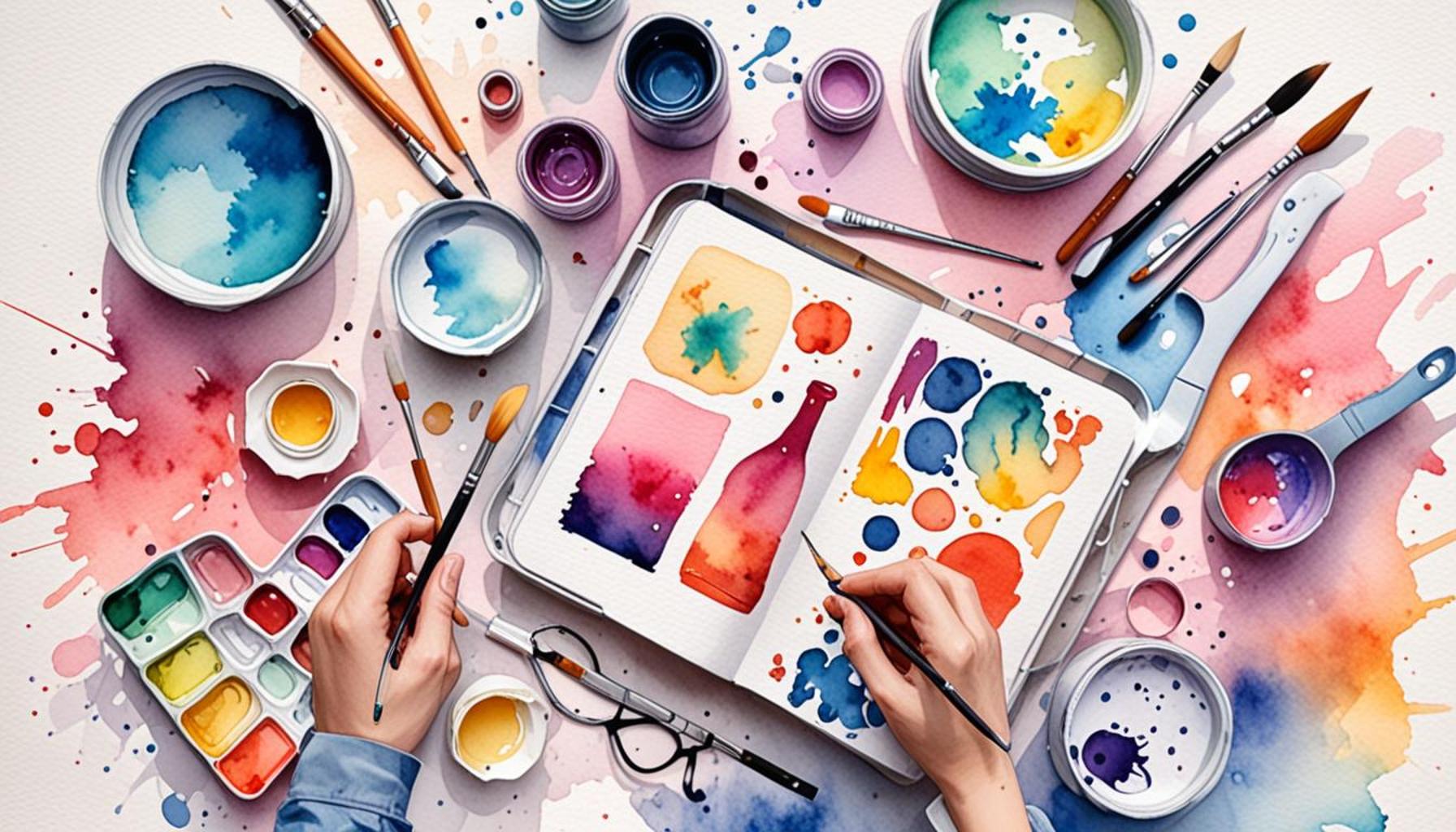
Art and Mindfulness: How Artistic Practice Can Be a Form of Meditation and Self-Care in Creative Hobbies
Finding Peace Through Creativity
Amid the hustle and bustle of everyday life, the quest for mindfulness has gained considerable momentum. One of the most effective yet overlooked avenues for achieving this is through artistic practice. Engaging in creative hobbies can serve as a powerful form of meditation and self-care.
The Intersection of Art and Mindfulness
Art does more than just please the eye; it fosters a deeper connection with oneself. When you immerse yourself in creative activities, several benefits come to light. These benefits not only enhance your artistic skills but also help cultivate a more peaceful and centered state of mind.
- Stress Reduction: Research has shown that engaging in art can significantly lower anxiety levels. For instance, a study published in the journal Art Therapy found that just 45 minutes of creative activity can reduce cortisol levels, the hormone associated with stress. Moreover, immersing oneself in painting or drawing can distract from daily worries, allowing the mind to unwind and relax.
- Enhanced Focus: Artistic practices require concentration, which promotes present-moment awareness. Whether it’s through practicing pottery, which demands steady hands and acute attention, or while playing a musical instrument, the focal point shifts to the task at hand. This immersion helps individuals develop a more acute sense of mindfulness, enhancing their ability to be present in their daily lives.
- Emotional Expression: Art provides an outlet for feelings that may be difficult to articulate. For those navigating life’s challenges—be it grief, joy, love, or fear—creating art serves as a catharsis. Individuals can paint their emotions, write poetry, or even create collages expressing their inner worlds, effectively translating complex feelings into a visual or tangible form.
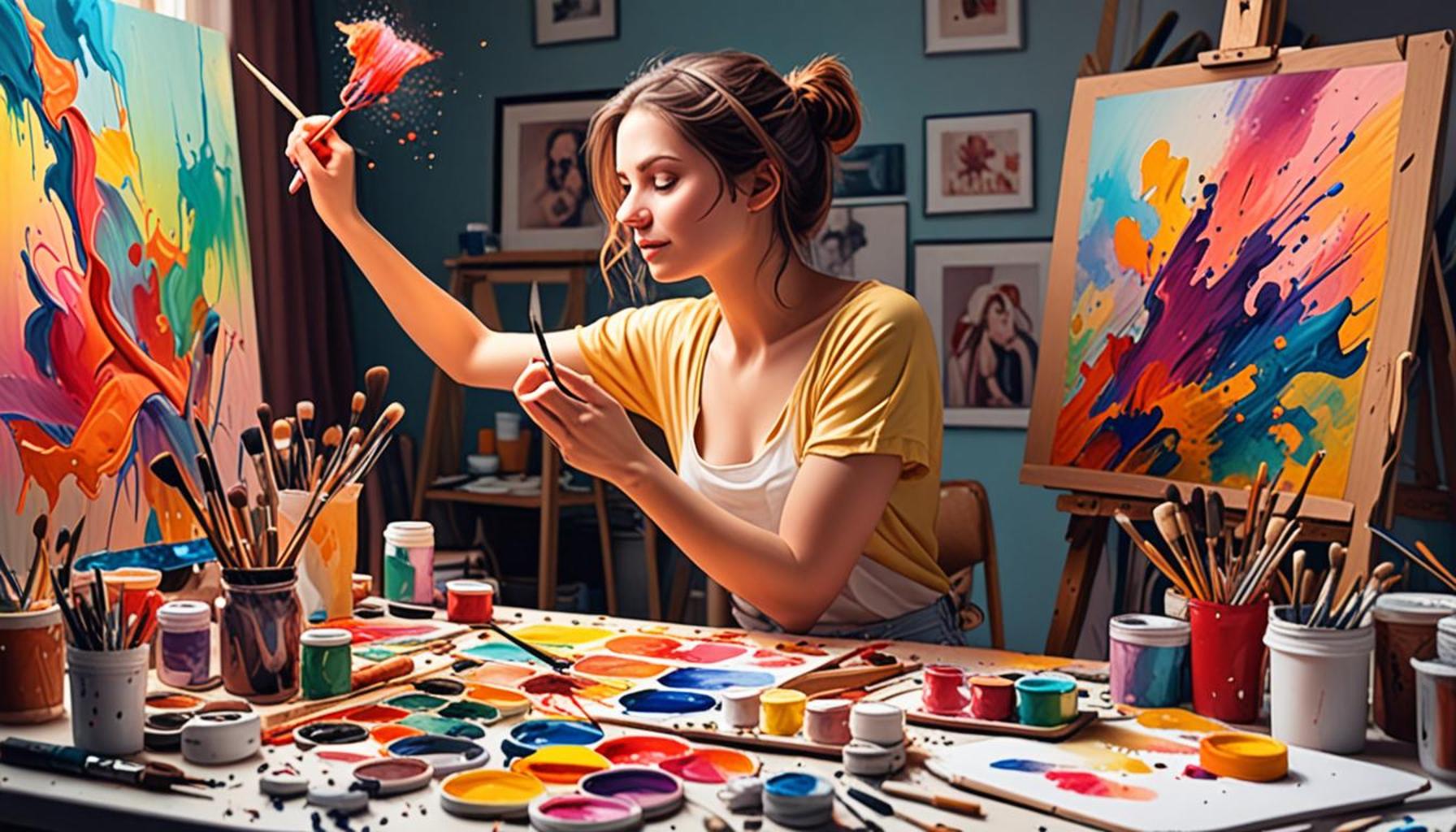
Incorporating mindfulness into artistic pursuits allows individuals not only to create but also to reflect. Whether it’s through painting, sculpting, or even journaling, these activities can lead to a more balanced and fulfilled life. Imagine picking up a paintbrush and letting your emotions flow onto the canvas without judgment. Such experiences can transcend mere hobby and transform into essential rituals for self-care.
Explore the Journey
Curious about how you can use your creative hobbies for self-care? This exploration of art and mindfulness reveals a rich tapestry of techniques and insights. Community art classes, online workshops, and self-guided art journaling are just a few ways to start. Local libraries or community centers often host free events that allow individuals to experiment with different art forms. These avenues not only facilitate skill development but also encourage social interaction and foster a sense of belonging.
By joining the journey towards enhanced well-being through the transformative power of creativity, you may find a new way to navigate the complexities of life while nurturing your soul. Discovering how art can harmonize with mindfulness might just unlock doors to peace you weren’t aware existed.
The Therapeutic Benefits of Artistic Expression
Artistic practices offer a unique pathway to mindfulness, serving not only as a creative outlet but also as a tool for mental and emotional healing. Engaging in art allows individuals to step away from external pressures and immerse themselves in the present moment. The act of creating can provide a respite from the fast-paced world, fostering an environment where relaxation and personal expression thrive.
Art as a Mindfulness Practice
Integrating artistic endeavors into daily life can be a transformative experience. Activities such as painting, drawing, or crafting invite individuals to slow down, breathe, and become aware of their surroundings. By redirecting focus onto the process of creation, participants engage in a form of experiential learning that enhances self-awareness. Here are key aspects to consider:
- Flow State: Artists often experience a state of ‘flow,’ where they lose track of time and become fully absorbed in their work. This immersive experience is associated with heightened concentration and creativity, reminiscent of mindfulness meditation. Studies have shown that achieving a flow state can improve well-being, allowing a deeper connection to the self.
- Mind-Body Connection: Artistic practices engage both mental and physical processes. For example, the act of molding clay or playing a musical instrument can stimulate both fine motor skills and cognitive functions. Such activities promote a harmonious relationship between mind and body, grounding individuals in their present experience and elevating their overall sense of well-being.
- Reduction of Negative Thoughts: By engaging in art, individuals can shift their focus away from negative thought patterns. The creative process encourages self-exploration, diverting attention from worries or anxieties. Positive psychology research supports the idea that artistic practices can act as a buffer against negative feelings, leading to improved mental health.
Incorporating art into personal care routines doesn’t require formal training. The value lies not in artistic perfection but rather in the joy of creation. Simple activities, like doodling, coloring, or journaling, can effectively evoke feelings of tranquility and peace. Take a moment to consider how often you allow yourself to engage in playful creativity, free from judgment or expectation.
Accessible Artistic Outlets
For those looking to use their creativity as a means of self-care, numerous accessible options exist. Classes and workshops abound in communities, offering everything from pottery to watercolor painting. Additionally, online platforms such as YouTube and Skillshare provide tutorials for those seeking to explore artistic techniques from the comfort of home. Libraries and local art studios frequently host events that invite individuals of all skill levels to partake, creating opportunities for exploration and community connection.
As the journey of self-discovery unfolds through artistic practice, individuals may unearth a newfound sense of purpose and clarity. This exploration of art as a form of mindfulness not only nurtures creativity but also offers a vital avenue for emotional growth and well-being.
| Benefits of Artistic Practice | Mindfulness Integration |
|---|---|
| Stress Relief | Art allows individuals to disengage from daily stressors, promoting relaxation and calm. |
| Enhanced Focus | Focusing on creative tasks encourages a present-centered mindset, fostering mindfulness as practitioners immerse themselves in their artistic journey. |
| Emotional Expression | Art serves as a powerful medium for expressing complex emotions, thus acting as a mental health outlet. |
| Creativity Boost | Engaging with art can enhance overall creativity, impacting one’s ability to problem-solve and innovate in various aspects of life. |
Incorporating art into one’s routine provides significant advantages not only for the creative process but also for general well-being. The intertwining of artistic practice and mindfulness enables participants to develop a more profound relationship with their own thoughts and feelings. As they dedicate time to explore their creativity, they unearth layers of self-awareness and personal insight that can lead to positive behavioral changes. Furthermore, the repetitive motions involved in drawing or painting can induce a meditative state, further reinforcing the connection between creativity and mindfulness. Moreover, research options available reveal that dedicated art therapy sessions have been proven effective in reducing symptoms of anxiety and depression. This highlights that creative hobbies can serve not merely as pastimes but as vital tools for self-care and emotional health. An engaging artistic practice within a mindful framework can be the key to navigating life’s challenges with grace and intentionality.
Integrating Art and Mindfulness into Daily Life
Embracing art as a form of mindfulness does not have to be confined to hours spent in a studio or at dedicated craft events. It can seamlessly blend into daily routines, infusing ordinary moments with creativity and awareness. The key lies in intentionally cultivating this artistic practice with mindfulness as its foundation. Let’s explore practical methodologies and insights to help make art a regular component of self-care and meditative practice.
Setting Up Creative Rituals
Establishing creative rituals can be a powerful means of integrating art and mindfulness into your life. Consider designating specific times during the week solely for artistic pursuits. Whether it’s a quiet Sunday afternoon spent painting landscapes in your backyard or capturing thoughts in a journal during evenings, the predictability of a creative schedule can foster anticipation and excitement. Here are some strategies to enhance these rituals:
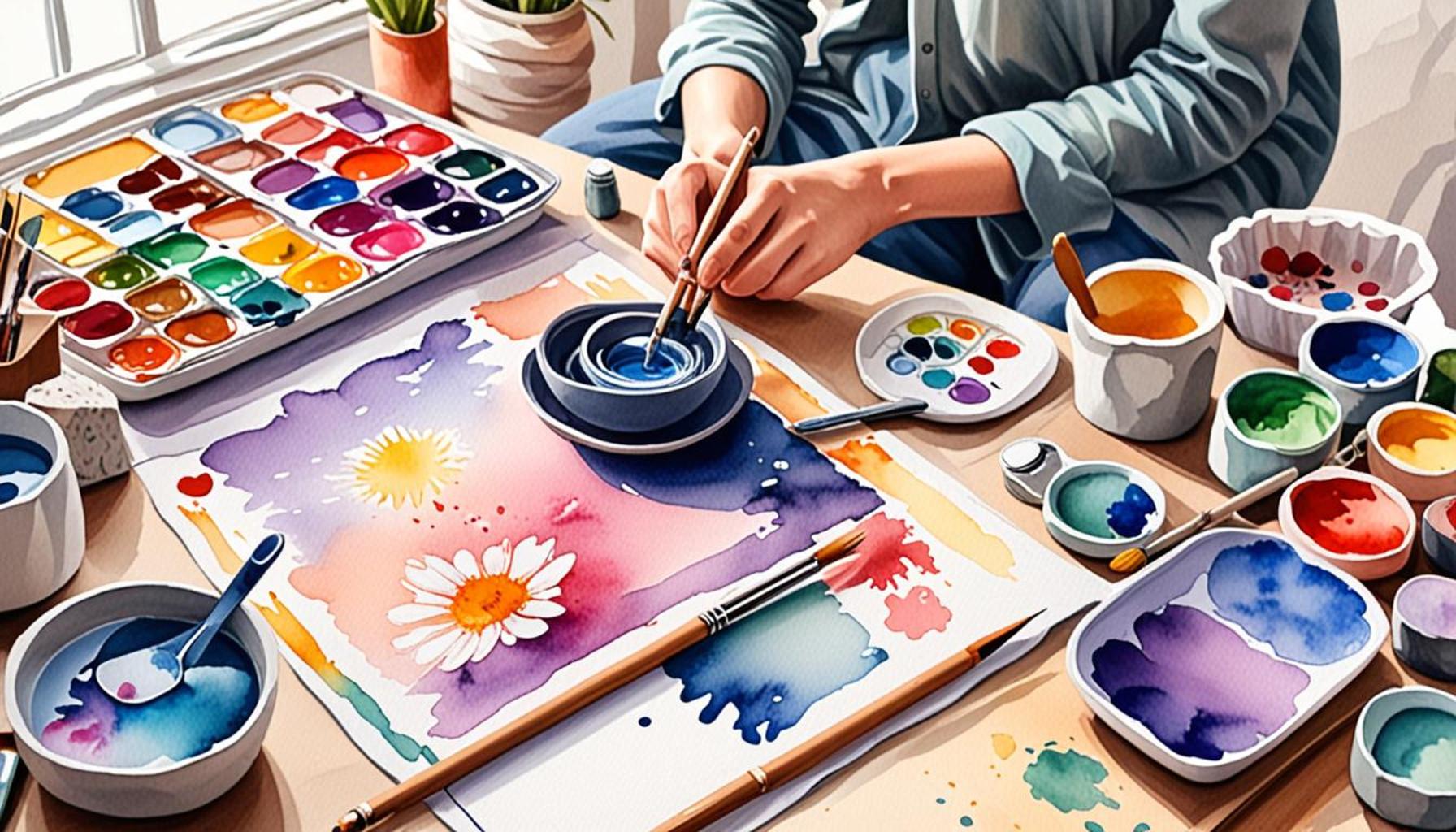
- Designate a Creative Space: Transform a corner of your home into a dedicated art nook, outfitted with supplies that inspire you. This space should feel inviting and free from distractions, empowering you to enter a state of creative flow.
- Mindful Preparation: Prior to starting your artistic practice, take a moment to breathe deeply, centering your thoughts. Use this time to reflect on your emotional state, allowing your current feelings to guide your artistic exploration. This preparation helps anchor the practice in self-awareness.
- Limit Distractions: Turn off electronic devices or anything that could shift your attention away from your art. Embrace the silence or select calming music that enhances your focus. Let the world fade away as you enter your creative bubble.
The Role of Nature in Artistic Mindfulness
Connecting with nature through art can magnify its therapeutic benefits. Nature not only serves as a muse but also promotes relaxation and inspiration. Engaging in *plein air* painting—where you create art outdoors—invites the tranquility of the natural environment into your practice. Studies indicate that environments enriched with natural beauty can enhance mood and inspire creativity.
Consider taking a sketchbook or camera on your next walk, jotting down observations or snapping photos. Engaging your senses to observe details deeply—like the intricate patterns of leaves or the varying hues of a sunset—fuels creativity and heightens mindfulness. This practice encourages the development of a profound appreciation for the beauty around you, magnifying the meditative aspects of your artistic journey.
Community and Artistic Connection
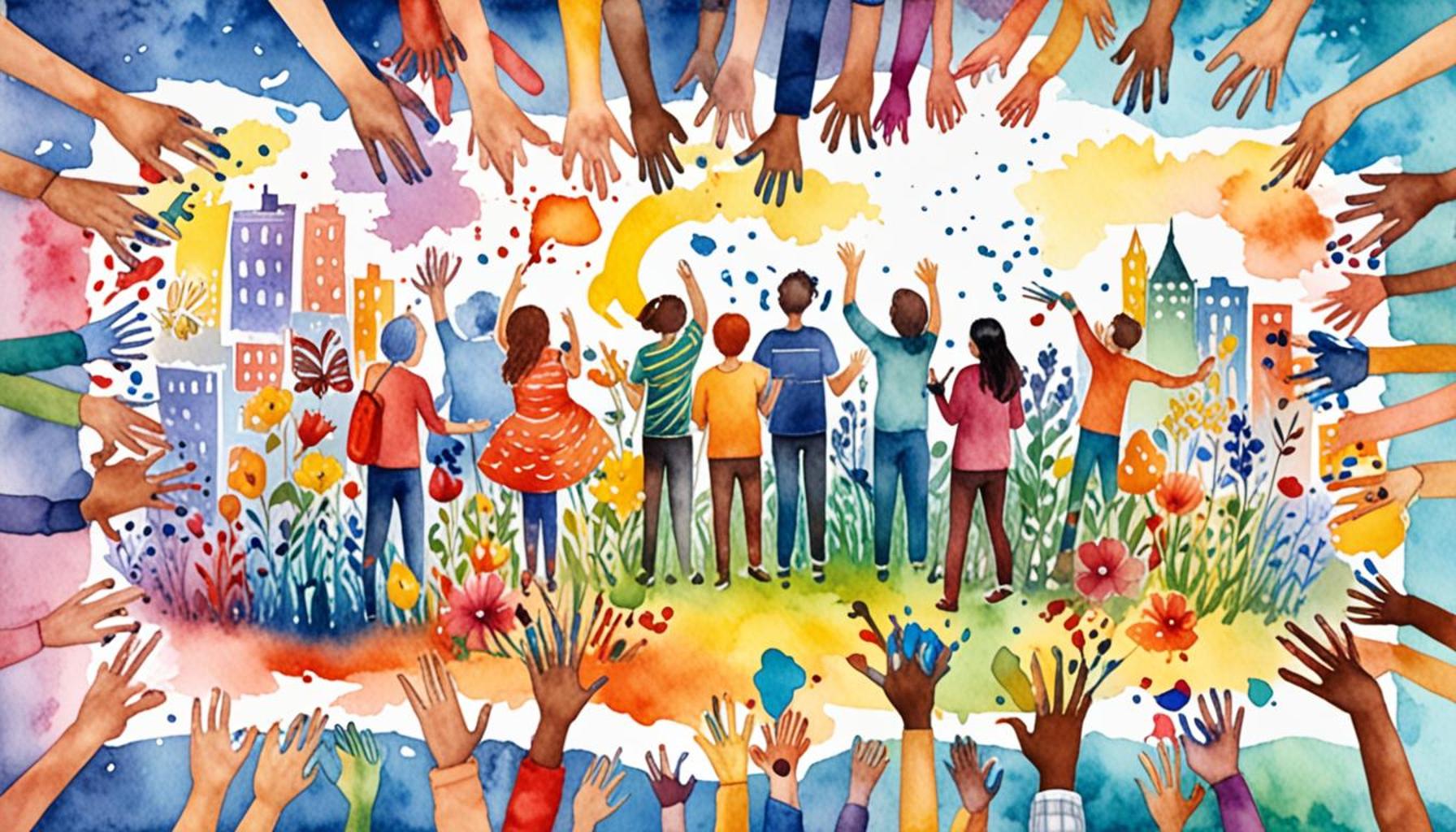
Artistic practice can also flourish in community settings. Engaging with others who share similar interests can provide emotional support and foster collective creativity. Look for local art groups or community centers offering classes that promote collaboration, workshops, or group exhibits. Sharing your work not only enhances confidence but creates a supportive environment that may enrich your mindfulness experience.
Additionally, participating in local art fairs or open studios can inspire creativity. Interacting with diverse visual artists can spark new ideas, prompting self-exploration while providing insight into various techniques and artistic expressions. Community engagement extends the benefits of mindfulness-based artistic practice beyond the solitary space, offering warmth, shared energy, and the inspiration that comes from connection.
In conclusion, as individuals seek avenues for self-care and meditation, integrating art into daily life emerges as a profoundly rewarding practice that nourishes the mind and spirit. By adopting mindful preparations, engaging with nature, and connecting with community, artistic endeavors can serve not just as hobbies, but as fulfilling pathways to mental wellness and self-discovery.
Finding Balance Through Art and Mindfulness
In a world that often feels chaotic and overwhelming, the intersection of art and mindfulness offers a sanctuary for the mind and spirit. Integrating artistic practices into your daily routine not only fosters creativity but serves as a potent form of self-care and meditation. Through intentional artistic rituals, nurturing a connection with nature, and embracing community, individuals can elevate their well-being and enrich their lives in profoundly meaningful ways.
As we’ve explored, dedicating a space for creative expression, prioritizing mindful preparation, and seeking collective artistic experiences can all contribute to a vibrant mindfulness practice. Moreover, the simplicity of drawing inspiration from nature reminds us to appreciate the beauty that surrounds us, inspiring fresh perspectives and emotional healing.
For those looking to deepen their experience, consider establishing a personal art journey tailored to your interests, whether it be through painting, writing, or crafting. You may discover that these creative outlets not only enhance your mindfulness but also reveal insights about yourself that were previously hidden. Ultimately, embracing art as a form of meditation harmonizes creativity with self-reflection, nurturing both the individual and the community.
As you embark on this artistic journey, remember that every stroke, every note, and every written word is a step towards tranquility and self-discovery. So, pick up that brush, pen, or instrument, and let the creative flow guide you towards a deeper, more mindful existence.