The relationship between art and cultural identity: exploring how different communities express their stories through artistic hobbies
Art as a Reflection of Cultural Identity
Art is not just a form of expression; it is a vital link between communities and their cultural heritage. Through various artistic hobbies, individuals narrate their stories and encapsulate the essence of their identity. This article delves into how different communities utilize art to showcase their unique experiences.
Key Aspects of Art and Cultural Identity
- Storytelling: Art serves as a narrative tool, illustrating personal and communal histories. For example, many Native American artists use pottery and beadwork to share their people’s stories, capturing aspects of their heritage, mythology, and connection to the land. This form of storytelling allows a broader audience to glimpse into their lives and traditions.
- Tradition: Many art forms are rooted in cultural practices passed down through generations. The intricate designs found in African textiles, for instance, often signify social status or family lineage, reflecting cultural values in every thread. These traditions not only preserve history but also reinforce communal ties as younger generations learn these skills from their elders.
- Resistance: Art can be a form of protest, allowing marginalized groups to voice their struggles. Urban graffiti often speaks to societal issues, conveying messages of resistance against systemic injustices. Street art in cities like Los Angeles connects the experiences of immigrants and communities of color, turning public spaces into platforms for dialogue and change.
The relationship between art and cultural identity is increasingly relevant in a diverse society like the United States. From Indigenous pottery to urban graffiti, these artistic expressions reveal the intricate tapestry of life in different communities. Each brushstroke and sculpture not only conveys aesthetic beauty but also embodies historical context and shared values. The vibrant murals found in cities like Chicago not only beautify neighborhoods but also immortalize the stories of resilience and unity among their residents.
Understanding this relationship invites us to appreciate the myriad ways in which communities articulate their identities. Artistic hobbies such as quilting, dance, and music all serve as mediums for personal expression and cultural dialogue. For instance, the tradition of quilting in the African American community often serves not just as craft but as a form of storytelling, where each quilt tells a story of family, history, and social movements.
The following sections will explore various examples of how artistic hobbies can act as a mirror reflecting the stories of these vibrant cultures. Prepare to uncover the rich narratives that are often overlooked in our day-to-day lives, shining a light on the diverse experiences that shape our collective identity.
Art as a Cultural Chronicle
The interplay between art and cultural identity is a vibrant and dynamic conversation that occurs in every corner of society, deeply rooted in the unique experiences and histories of different communities. Art does not merely embellish our surroundings; it tells powerful stories that encapsulate the essence of who we are as individuals and as a collective. This multifaceted relationship allows for the expression of cultural identities in ways that resonate profoundly with both creators and observers.
Artistic Expression as a Narrative Channel
Artistic hobbies enable communities to articulate their stories through various forms, ranging from visual arts to performance and crafts. The ways in which these expressions manifest are as diverse as the communities themselves, illustrating a rich tapestry of human experience. For instance, traditional dances in many Indigenous cultures are not just performances; they are living stories of heritage, spirituality, and the struggle for survival. Each dance step and rhythm evokes historical events and ancestral connections, reinforcing a sense of identity.
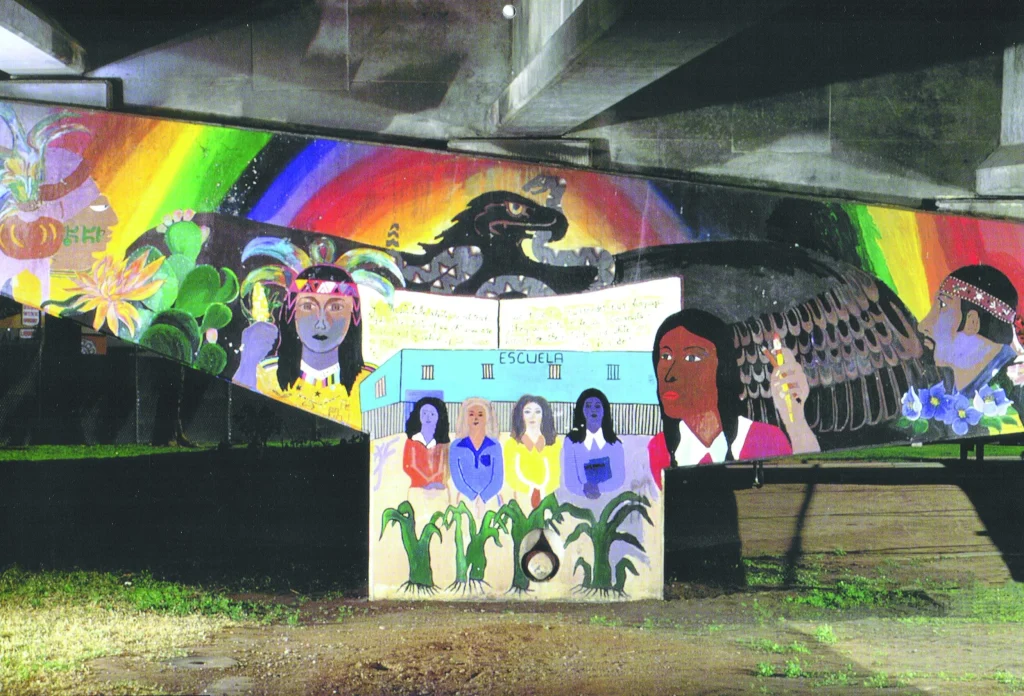
In the realm of visual arts, we witness similar phenomena. Murals have emerged as a powerful medium for community engagement across the United States, often portraying pivotal moments in cultural histories. The murals in neighborhoods such as East Los Angeles stand as testaments to the Chicano civil rights movement, encapsulating themes of struggle and empowerment. These large-scale artworks serve as historical documents, inviting dialogue and reflection on the unique experiences of the Latino community.
Artistry as a Vessel for Tradition
Many art forms are not only rooted in cultural expression but also serve as vital conduits for passing down traditional knowledge. The hand-weaving of rugs by Navajo artisans exemplifies this beautifully; each pattern tells a distinct tale that is often linked to specific family stories or tribal legends. Through the act of weaving, these artists keep ancient traditions alive, reinforcing communal bonds and ensuring that cultural identities are preserved.
Moreover, the revival of traditional craft techniques often signals a reawakening of cultural pride among younger generations. For example, the growing interest in African drumming has seen many young individuals reconnecting with their heritage, learning rhythms and songs that have persisted through centuries. This not only fosters a sense of belonging but also empowers participants to express their cultural narratives in contemporary contexts.
- Dance: Various communities utilize dance for cultural storytelling, including powwows among Native Americans or the salsa rhythms of the Cuban diaspora.
- Music: Genres like blues, originating from African American experiences, encapsulate profound emotional narratives and societal reflections.
- Crafting: Quilting circles within African American communities have long been a platform for social engagement and storytelling, weaving together narratives of resilience and hope.
Art as a form of cultural identity is not static; it evolves with the communities that create it. By examining these artistic expressions, we gain a deeper understanding of the rich histories and values that define various groups. As we continue to explore how different communities express their stories through artistic hobbies, we unlock the potential for greater appreciation and empathy in an increasingly complex world.
| Art Form | Cultural Significance |
|---|---|
| Traditional Music | Forms the backbone of oral history, preserving stories that define community identities. |
| Visual Arts | Acts as a canvas for cultural expression, showcasing unique narratives and traditions. |
| Craftsmanship | Represents community pride, skills passed through generations, and connection to ancestral roots. |
| Dance | Embodies social cohesion, storytelling, and celebrations that unify diverse populations. |
| Literature | Serves to articulate community struggles and triumphs, forging a deeper understanding of shared experiences. |
Artistic hobbies are more than mere entertainment; they are the lifeblood of cultural identity. Different communities utilize various art forms to share their uniqueness, recounting stories that profoundly highlight their histories and experiences. For instance, traditional music in many cultures encapsulates oral histories, preserving tales passed through generations. Similarly, visual arts offer a significant medium, enabling artists to narrate their heritage and showcase traditions visually.Craftsmanship plays a key role in connecting present generations to their roots, maintaining community pride that resonates through crafted pieces. Dance, on the other hand, showcases social unity and celebration, making it an integral part of community gatherings. Literature, too, becomes a powerful vessel for expressing struggles and victories, fostering understanding across different cultural divides. Each of these art forms serves not only to entertain but also to deepen the connections individuals feel toward their identity within their communities.
The Evolution of Artistic Hobbies and Cultural Representation
Artistic hobbies not only reflect cultural identity but also evolve and adapt to societal changes, shaping and reshaping the narratives of the communities that embrace them. This fluidity allows art to serve as a mirror, reflecting the challenges of modernity while honoring traditional roots. In an increasingly interconnected world, many communities find ways to blend their historical narratives with contemporary influences, creating a dynamic framework for self-expression.
Fusion of Traditions and Modern Expressions
As globalization expands access to various artistic practices, we often see the emergence of hybrid forms that blend elements from multiple cultures. One such example is hip hop, which has transcended its origins in African American and Latino communities, incorporating diverse influences from around the globe. Artists infuse their own cultural backgrounds into this widely embraced genre, creating a mosaic of sound that tells individual and collective stories. For instance, the incorporation of Indigenous languages and themes in hip hop lyrics allows artists to navigate cultural identity while addressing contemporary issues such as social justice and inequality.
Moreover, the culinary arts have become an essential medium for cultural storytelling, bridging gaps between generations and communities. Food, often referred to as a universal language, carries deep cultural significances and invites individuals to share their heritage through flavors and recipes. In cities like Los Angeles, fusion cuisine has become a rite of passage for young chefs—an expression of identity that blends traditional cooking techniques with modern culinary trends. A taco filled with Korean BBQ or a Moroccan-spiced burger offers taste buds a glimpse into the vibrant cultural dialogues occurring within the local food scene.
The Role of Community Art Initiatives
Community art initiatives play a crucial role in fostering cultural identity and expression, often challenging the dominant narratives that exist within society. These projects empower individuals, particularly from marginalized groups, to voice their stories and experiences through collaborative artistic endeavors. Programs such as Art in the Open or Public Allies focus on transforming public spaces into canvases that reflect community heritage, history, and aspirations.
By facilitating workshops, exhibitions, and performances, local organizations help individuals discover and develop their artistic talents. For instance, community mural projects in Philadelphia not only beautify neighborhoods but also provide a platform for the voices of residents to be heard. The process of creating these works fosters a sense of ownership and pride, reinforcing social bonds and enhancing the sense of belonging within the community.
- Story Quilting: Social initiatives often promote quilting as a form of narrative sharing, where community members collaborate to create quilts that document histories and shared experiences.
- Theatre and Performance: Community theatre programs serve as platforms for storytelling, enabling diverse groups to share their narratives through performance and engage audiences in meaningful dialogues.
- Art Festivals: Events like the National African American Art Expo provide artists from various backgrounds an opportunity to showcase their work while celebrating their cultural heritage.
Through these collective artistic endeavors, communities are empowered to redefine their identities and assert their presence in a rapidly changing world. Ultimately, it is the synthesis of tradition and modernity, collaborative efforts, and an ongoing commitment to cultural storytelling through artistic hobbies that enrich our collective understanding of cultural identity.
Conclusion: The Interwoven Tapestry of Art and Cultural Identity
In exploring the intricate relationship between art and cultural identity, it becomes clear that artistic hobbies are more than just creative outlets; they are profound tools for storytelling and community engagement. As we traverse the vibrant landscapes of different communities, we see how artistic expressions—ranging from music and culinary arts to public murals—serve as vital representations of shared histories, values, and aspirations. These activities are essential for preserving cultural heritage while simultaneously adapting to the complexities of a modern, globalized society.
The emergence of fusion genres and collaborative projects showcases the fluidity of artistic expressions. Communities deftly blend traditional techniques with contemporary forms, enriching their narratives and challenging societal norms. Community art initiatives empower individuals from various backgrounds to share their voices, fostering social ties and a sense of belonging. Whether it is through quilting that documents collective memories or theatre productions that engage audiences in critical dialogues, these projects redefine identity and promote inclusivity.
Ultimately, the dialogue between art and cultural identity is an ongoing and dynamic process. As communities continue to utilize artistic hobbies as mediums for self-expression and cultural storytelling, we are reminded of the powerful connections that can blossom through creativity. As we witness these stories unfold, we are called to reflect on our own artistic practices and consider how they contribute to the broader narrative of cultural identity in our ever-evolving world. By engaging with the rich tapestry of artistic endeavors, we can gain deeper insights into the values and experiences that unite us, regardless of our diverse backgrounds.