Exploring Different Forms of Artistic Expression: Painting, Sculpture, and Performance as Creative Hobbies

Unleashing Creativity through Art
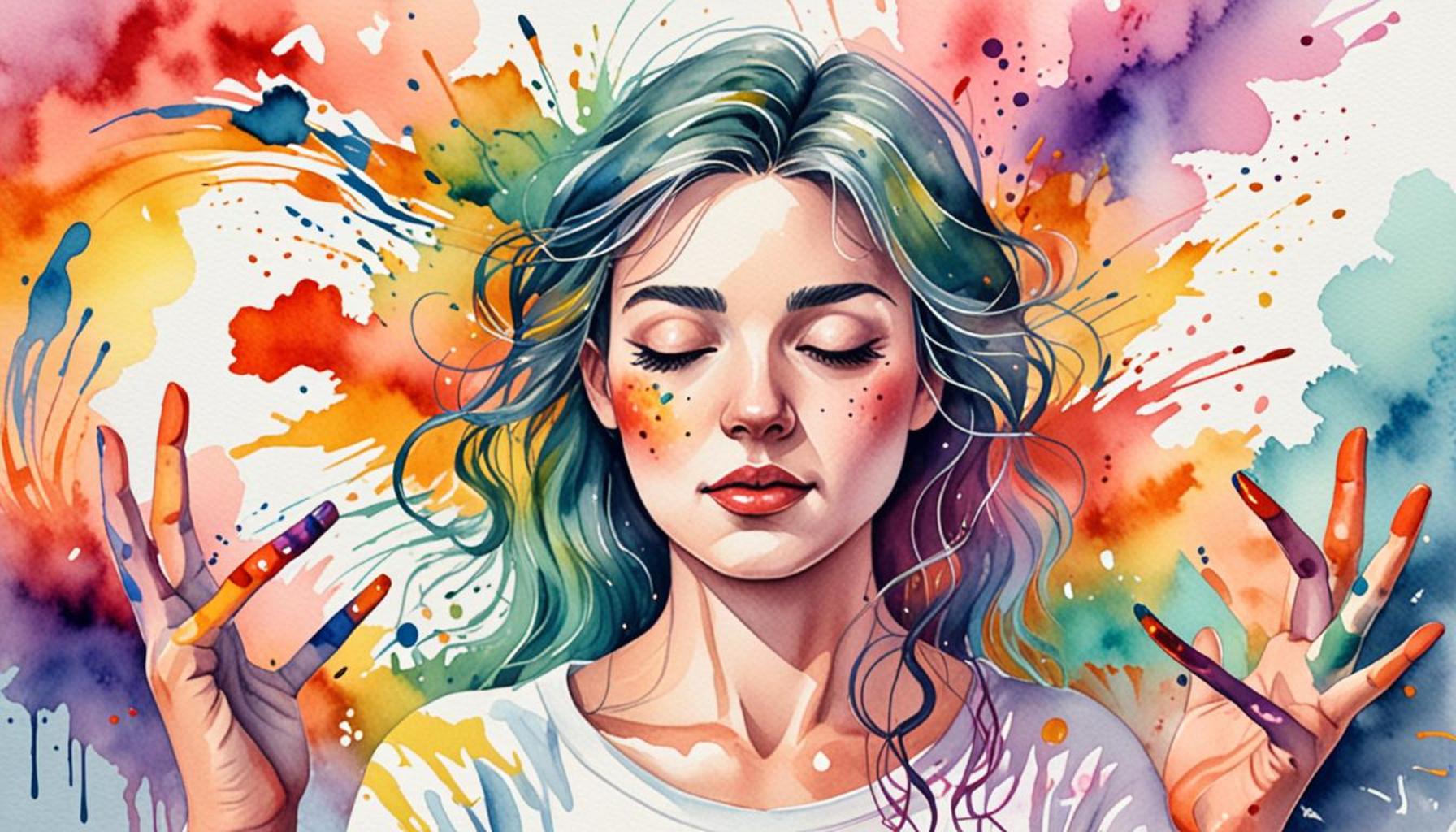
Artistic expression serves as a vibrant avenue for individuals to connect with their emotions and share their unique perspectives with the world. Engaging in creative hobbies such as painting, sculpture, and performance not only promotes personal growth but also enhances mental well-being. Each art form offers its own set of experiences and benefits, inviting individuals to explore their inner creativity in various fascinating ways.
The Allure of Painting
- Variety of Styles: Painting encompasses a diverse range of techniques, from abstract expressionism, which emphasizes emotions through vivid colors and forms, to hyper-realism that captures the intricate details of reality. Each style offers artists a unique language to convey their emotions and thoughts, allowing for endless exploration.
- Therapeutic Effects: Many individuals find solace in the fluidity of brush strokes. Engaging in painting can foster relaxation and mindfulness. Research has shown that creating art can reduce anxiety and stress, making it an excellent tool for emotional regulation. Programs like “art therapy” are widely utilized in mental health settings, showcasing the profound effects that painting can have on well-being.
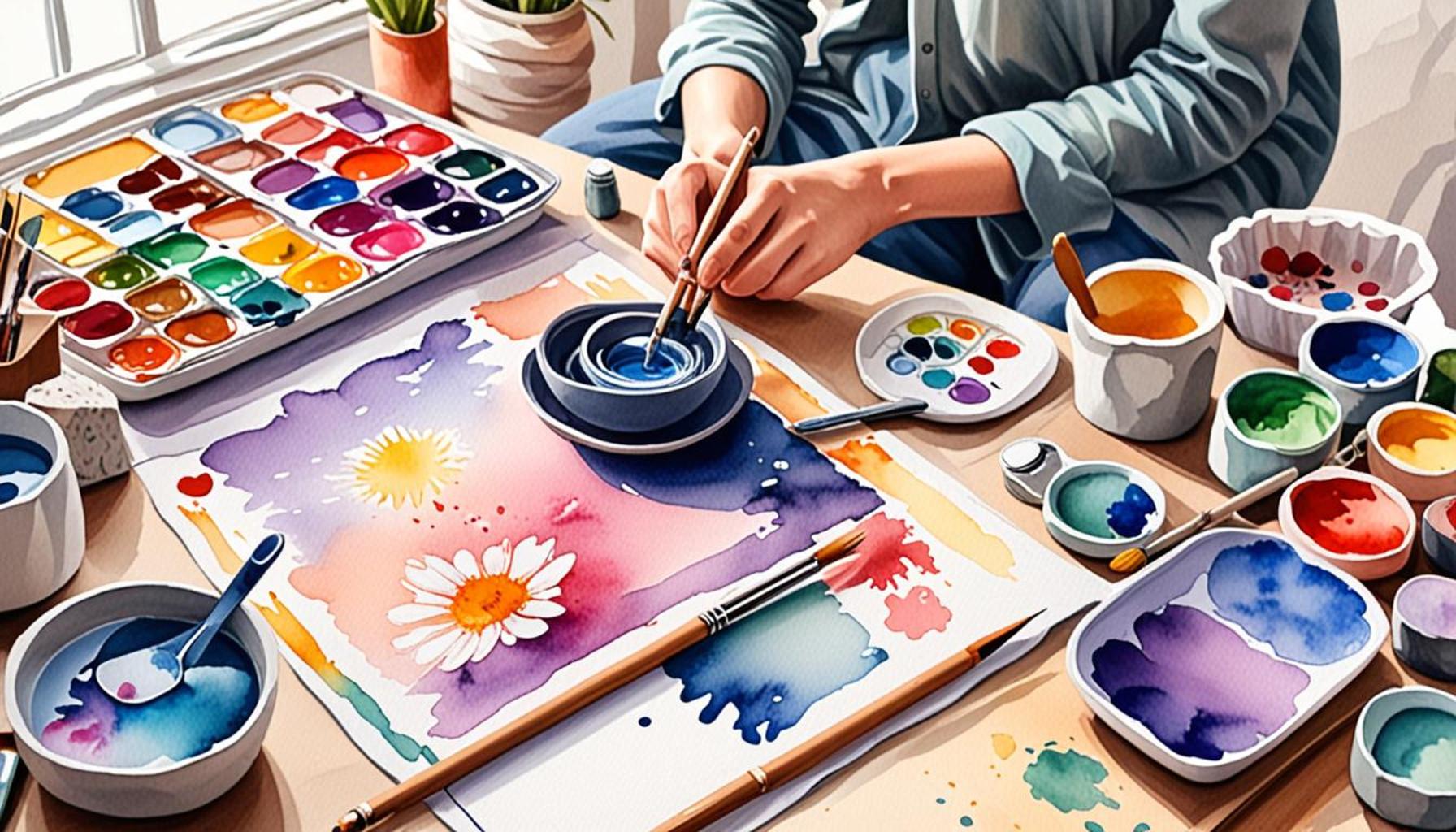
- Accessible for All: One of the most appealing aspects of painting is its accessibility. With minimal supplies, such as canvas, brushes, and paint, anyone can embark on their artistic journey. Community centers across the United States often host painting workshops, enabling people from all walks of life to explore their creativity.
Captivating Sculpture
- Physical Engagement: Sculpting involves a hands-on approach to creation, which can be incredibly satisfying and invigorating. The tactile nature of working with materials offers a different sensory experience compared to painting, allowing artists to express themselves through touch.
- Diverse Materials: The medium of sculpture is boundless; artists can use clay, wood, metal, or stone, each providing a unique challenge and creative opportunity. Consider the renowned works of American sculptors like Alexander Calder, who brought kinetic art to life through his mobiles, or Jean-Michel Basquiat’s use of mixed media in his three-dimensional pieces.
- 3D Perspective: The three-dimensional aspect of sculpture offers a different way to engage visually and emotionally. Unlike paintings that exist within a frame, sculptures invite viewers to walk around them, fostering a more intimate and personal engagement.
The Magic of Performance
- Instant Connection: Performance art creates an environment for immediate interaction, captivating audiences through live expression. This form of art is profoundly unique as it is ephemeral, existing only in the moment it is performed, making every performance a transient experience.
- Multidisciplinary Approach: Often, performance art combines various art forms such as theatre, dance, and music, providing a rich canvas for creativity. For example, the renowned performances of the ensemble Blue Man Group blend music, technology, and visual art to create an engaging spectacle.
- Exploration of Identity: Performance art frequently delves into complex themes like culture, politics, and personal identity. Artists such as Marina Abramović utilize their bodies to confront societal issues, inviting audiences to reflect on their own experiences with identity and the human condition.
By exploring the diverse forms of artistic expression, individuals can discover new ways to articulate their experiences, connect with others, and unlock hidden talents. The journey through art, in its many forms, is not merely a hobby but an enriching experience worth pursuing. Each brush stroke, sculpture, and performance offers a conduit for self-exploration and community connection, transforming individual creativity into a shared human experience.
Unlocking the Doors to Creativity
The journey into the realm of artistic expression begins with the myriad forms that invite participation and exploration. Each art form—painting, sculpture, and performance—offers its own unique pathway to connect with emotions and communicate profound messages. By engaging in these creative hobbies, individuals cultivate not only their artistic skills but also a deeper understanding of themselves and the world around them.
The Versatility of Painting
- Exploration of Mediums: Painting is not limited to traditional canvas and oil paint. Artists can choose from a wide array of mediums, including watercolors, acrylics, pastels, and even digital formats. This diversity allows for experimentation and innovation, fostering a unique artistic voice.
- Emotional Outlet: Many individuals turn to painting as a means to process emotions. The act of selecting colors, textures, and techniques can mirror one’s emotional landscape, allowing for reflection and release. The *American Psychological Association* notes that creative expression can significantly improve mental health, acting as a cathartic outlet that aids in the management of stress and anxiety.
- Community and Collaboration: Group painting projects, often hosted at art studios or community centers, encourage individuals to come together and share their visions. Participating in collaborative art efforts not only strengthens community bonds but also enhances inspiration through the exchange of ideas.
Dynamic World of Sculpture
- Sculptural Techniques: Sculpture invites artists to manipulate materials in three-dimensional forms. Techniques such as carving, modeling, and assemblage allow for diverse means of creation. The tactile nature of working with materials can be highly engaging, fostering a sense of accomplishment and connection to the craft.
- Outdoor Sculptural Installations: Many artists take their work beyond the confines of studios and galleries by creating public sculptures in outdoor spaces. These installations elevate everyday environments, transforming public parks and urban areas into sites of artistic appreciation. Cities like Chicago and New York are renowned for their impressive outdoor sculptures, encouraging community interaction and dialogue around art.
- Artistic Challenges: The challenges inherent in sculpting can provide valuable lessons in perseverance and problem-solving. Every creation—from a dynamic statue to intricate ceramics—serves as a testament to the artist’s journey, reflecting personal growth and exploration.
The Enigmatic Nature of Performance
- Interactivity and Engagement: Performance art thrives on creating dynamic interactions between the artist and the audience. Unlike static forms of art, performances invite viewers to become part of the experience, deepening their connection to the artwork. This unique approach has led to growing popularity in events across the United States, from festivals to galleries.
- Storytelling through Movement: Many performance artists utilize movement, dialogue, and music to weave narratives that resonate on emotional, cultural, and existential levels. This multidisciplinary aspect encourages artists to think outside the box, merging various art forms to enrich their work and engage diverse audiences.
- Personal and Social Commentary: Performance art frequently serves as a powerful medium for social critique or personal reflection. Artists like Marina Abramović and her boundary-pushing works challenge viewers to confront issues surrounding vulnerability, identity, and societal norms, making every performance a thought-provoking experience.
Engaging with these different forms of artistic expression not only enriches the individual’s life but also contributes to community culture and creative discourse. The artistic journey is not merely about creating but about sharing experiences, fostering discussions, and inspiring others to explore their own paths in the world of art.
Exploring the Impact of Artistic Expression on Personal Growth
Engaging in creative hobbies such as painting, sculpture, and performance offers profound benefits beyond mere enjoyment. These artistic pursuits are not just forms of entertainment; they significantly enhance personal development and well-being.
Painting: A Journey of Self-Discovery
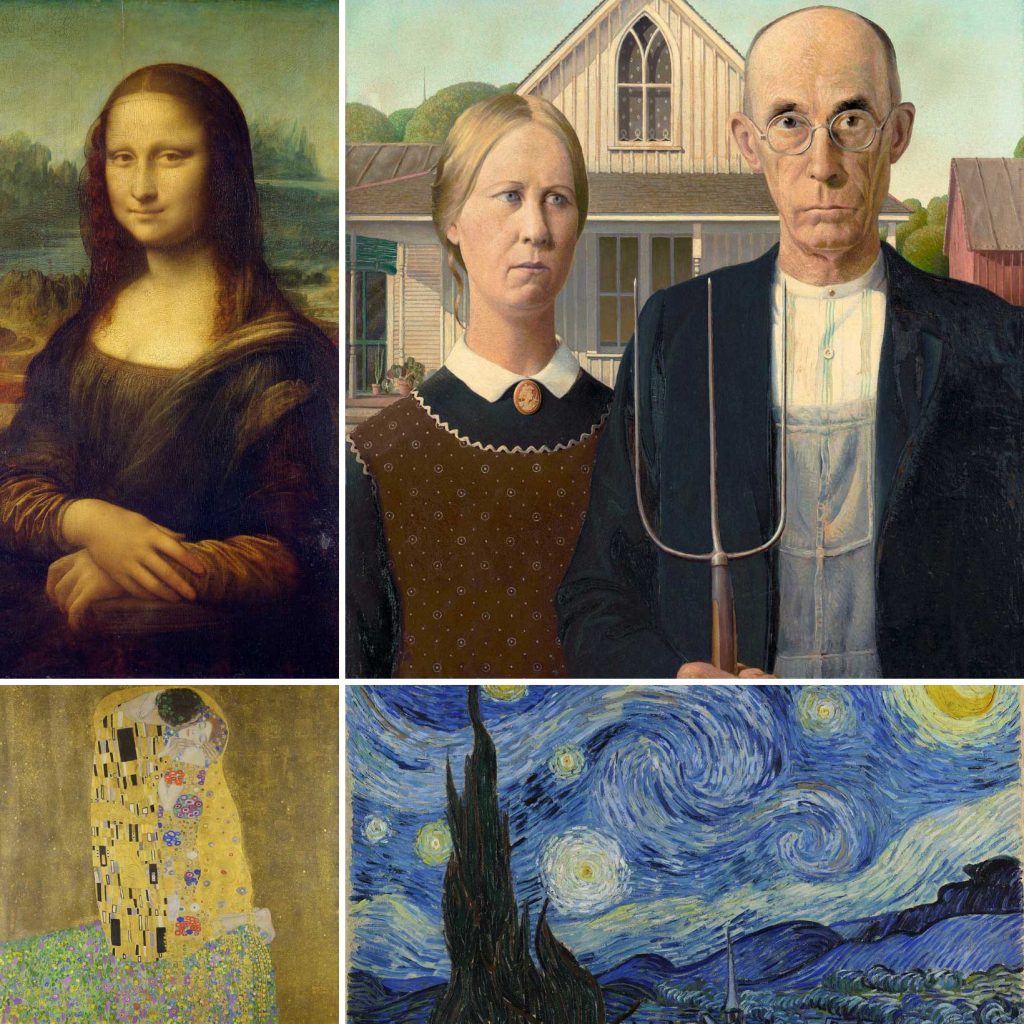
Painting serves as a powerful medium for self-expression. Artists often find clarity and insight into their emotions and thoughts through the act of creating. This process fosters emotional intelligence, allowing individuals to better articulate their feelings and connect with others. Moreover, the act of mixing colors, applying brush strokes, and envisioning a final piece can also improve cognitive skills. Studies indicate that involvement in painting can enhance critical thinking and problem-solving abilities as artists learn to make choices and navigate challenges in their artistic journey.
Sculpture: Building Resilience
Sculpture, on the other hand, emphasizes a tactile approach to creativity. Manipulating materials such as clay or stone requires patience and persistence, teaching artists the value of resilience. The process involves trial and error, helping individuals develop a growth mindset. This learning curve is pivotal in teaching artists to embrace failures and use them as stepping stones for improvement. Additionally, working with three-dimensional forms fosters an understanding of spatial relationships, enhancing visual acuity and refining motor skills essential not only in art but in various aspects of life.
Performance: Connection and Community
Performance arts, including theater and dance, promote a sense of connection and community. Engaging in performance allows artists to share stories, evoke emotions, and provoke thought. This shared experience cultivates a supportive environment where individuals can express themselves freely. Moreover, performance builds confidence as artists learn to perform in front of an audience, enhancing public speaking and presentation skills crucial in many professions. The collaborative nature of performance art also reinforces teamwork—as artists work together, they learn to communicate effectively and appreciate diverse perspectives.These different forms of artistic expression not only serve as enjoyable hobbies but also act as transformative practices that enrich personal growth and foster a deeper understanding of oneself and others. To maximize these benefits, individuals should continue to delve into these art forms, exploring their depths and possibilities as gateways to a more fulfilling life.
| Creative Hobby | Advantages |
|---|---|
| Painting | Enhances emotional intelligence and cognitive skills |
| Sculpture | Builds resilience and enhances visual acuity |
| Performance | Fosters connection, confidence, and teamwork |
By exploring these diverse artistic forms, individuals truly embark on a journey towards greater creativity and personal fulfillment.
Bridging Cultural Gaps through Art
Art has the remarkable power to transcend language barriers and cultural differences, serving as a universal language that connects people across the globe. By engaging in various forms of artistic expression like painting, sculpture, and performance, individuals not only explore their own personal creativity but also help to foster a broader cultural understanding. As venues for artistic expression expand, so too does the opportunity for community engagement and collaboration.
Cultural Significance of Painting
- Reflecting Societal Values: Throughout history, painting has been a vehicle for depicting cultural narratives and societal values. From the intricate murals of ancient civilizations to the modern pop art movement, artists comment on current events and shared experiences through their work. The *Smithsonian Institution* highlights how American painters such as Jacob Lawrence used their canvases to explore themes of social justice and African American history, inviting viewers to learn and reflect.
- Art as Cultural Exchange: Community painting projects and workshops that celebrate diverse cultures provide participants with the opportunity to learn about different artistic traditions. This exchange not only enhances individual skills but also cultivates a richer understanding of cultural diversity. Programs like “Paint the Town” have emerged in various cities, focusing on multicultural art initiatives that unite people through shared creativity.
The Powerful Impact of Sculpture
- Public Art and Community Identity: Sculpture is often utilized in public spaces to promote local identity and pride. Notable installations, such as the *Fallen Leaves* in Washington D.C., not only beautify the landscape but also spark conversations around heritage and collective memory. Local governments and organizations frequently sponsor public art initiatives, recognizing their value in uplifting community spirit.
- Addressing Environmental Issues: Many contemporary sculptors are using their craft to raise awareness about environmental conservation. Works created from recycled materials or those exploring themes of sustainability challenge audiences to reconsider their relationship with nature. Artists like Chris Jordan have gained attention for their large-scale installations that visualize the impacts of consumerism on the environment, compelling communities to take action.
Performance Art: A Living Canvas
- The Role of Technology: With the rise of digital platforms and social media, performance art has evolved into a dynamic space where artists can reach broader audiences. Interactive performances streamed online allow for real-time engagement, breaking down geographic barriers. Artists can now create performances that resonate with a global audience, enabling shared experiences and discussions.
- Art as Activism: Performance art has a unique capacity to illustrate societal issues through immersive experiences. Many artists use their performances as a form of protest or advocacy, pushing for change within communities. Noteworthy examples include the works of artists like LaTasha N. Nevada Diggs, who utilizes spoken word and movement to address issues of race, gender, and identity, invoking both community reflection and action.
Through the exploration of these artistic forms, individuals develop not only their technical abilities but also a profound appreciation for the interconnectedness of cultures and ideas. The creative journey is one of discovery, fostering empathy and dialogue that ultimately enriches the broader tapestry of society.
Conclusion: The Transformative Power of Artistic Expression
In a world increasingly defined by division and differences, exploring various forms of artistic expression—such as painting, sculpture, and performance—offers a profound way to bridge gaps and foster understanding among diverse communities. Each artistic medium serves not just as a personal outlet for emotion and creativity, but also as a catalyst for societal dialogue and change.
Painting provides a canvas to reflect societal values and cultural narratives, capturing the essence of collective experiences. Community workshops and collaborative projects foster an exchange of ideas and techniques, encouraging participants to appreciate cultural diversity while developing their skills. Similarly, sculpture brings art into public spaces, creating visual narratives that can ignite conversations about heritage, identity, and ecological awareness. Through sustainable practices, sculptors challenge audiences to reevaluate their relationship with both art and the environment.
Performance art, on the other hand, redefines how we experience art in a digital age. With technology enabling broader reach, artists can engage audiences in real-time discussions about pressing social issues, making art a powerful tool for activism and community reflection.
Ultimately, immersing oneself in these creative hobbies not only enhances technical prowess but also nurtures a deeper understanding of the interconnectedness of human experience. By engaging with art, individuals embark on a journey of self-discovery that enriches their lives while contributing to the broader cultural landscape. So, whether you are a seasoned artist or a curious newcomer, dive into the world of artistic expression and discover the boundless opportunities that await—you might just find a voice you never knew you had.