The influence of art on mental health: how artistic expression can be therapeutic
The Transformative Nature of Artistic Expression
Art has long been recognized not just as a form of expression, but as a powerful tool in enhancing mental well-being. From painting to music, poetry to dance, creative endeavors can have profound effects on our emotional states and cognitive processes. Numerous studies have highlighted the importance of artistic activities, showing that they can significantly impact mental health in various ways.
Consider these compelling benefits of artistic expression:
- Stress Reduction: Engaging in art can lower cortisol levels, which are often referred to as the stress hormone. Research published in the Journal of the American Art Therapy Association found that just 45 minutes of creative activity can significantly reduce stress levels. By immersing oneself in the creative process, individuals often find a reprieve from daily pressures.
- Emotional Release: Creating art allows individuals to express feelings that may be difficult to articulate verbally. A study conducted at the University of Queensland observed that participants who created artwork reported feeling a greater sense of relief after expressing their emotions through art compared to those who simply wrote about their feelings.
- Enhanced Self-Esteem: Successfully completing an art project can boost confidence and foster a sense of accomplishment. This is especially true for those who engage in community art programs, where shared creative achievements often lead to increased self-worth and social bonding.
Research has shown that immersive artistic activities can promote mental health in various demographics, including:
- Children: Art therapy can address trauma and developmental issues. For instance, programs like the Kids’ Art Therapy Project in the U.S. help children express themselves through art, which can be particularly beneficial for those coping with experiences such as bullying or family instability.
- Adults: Creative outlets can serve as coping mechanisms for stress and anxiety. Art classes and workshops have emerged as popular forms of therapy in urban centers across the United States, where individuals can connect with others while exploring their creativity.
- The Elderly: Programs that incorporate arts such as painting or music can enhance cognitive function and social engagement among the elderly. A study from the University of Utah showed that older adults who participated in regular creative activities displayed improved memory and reduced feelings of isolation.
As we dive deeper into the ways art influences our mental landscape, we uncover how these practices can foster resilience and healing. Studies suggest that the process of creating art may engage the mind in unique ways—acting as a calming force for the anxious, a voice for the silent, and a bridge for the isolated. Understanding the transformative power of creativity might just lead us to new avenues of therapeutic support, providing not only a means of personal expression but potentially paving the way for communal healing and support.
As interest in art therapy continues to grow, more practitioners are exploring how these creative outlets can be integrated into conventional mental health treatment. Whether through community art classes or dedicated therapy sessions, the benefits of artistic expression are becoming increasingly recognized, offering hope and comfort to many seeking mental well-being.
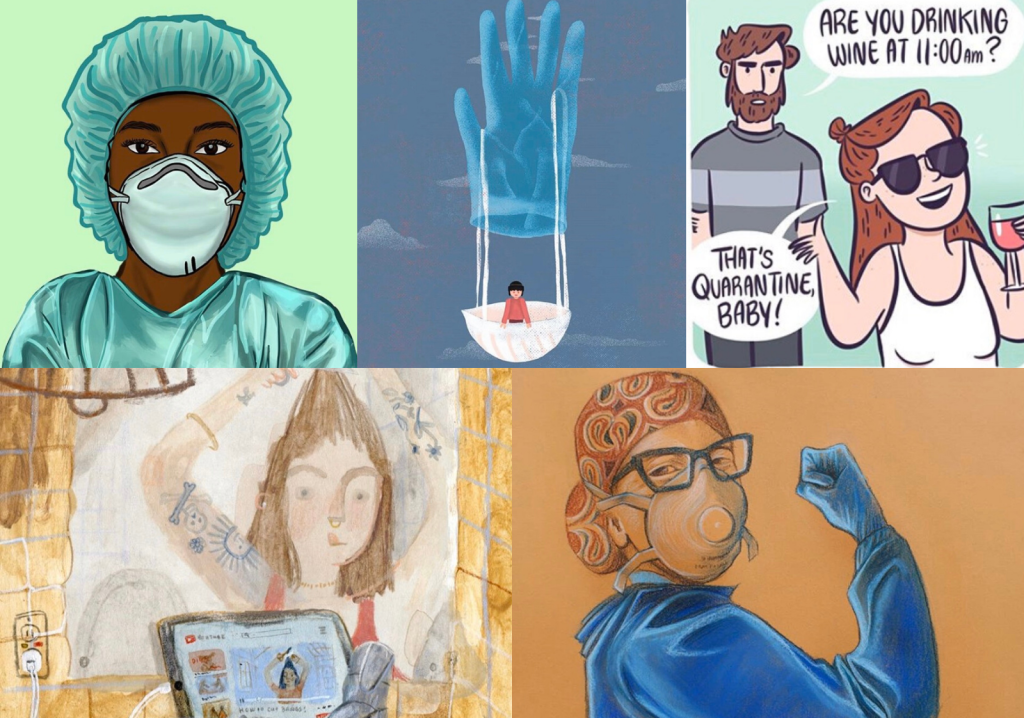
The Therapeutic Benefits of Art in Mental Health
Art serves as a powerful catalyst for emotional healing, offering individuals a unique space to navigate their inner landscapes. As more mental health professionals recognize the benefits of artistic expression, they are increasingly integrating creative activities into therapeutic practices. The beauty of art therapy lies not only in its diversity of forms—such as visual arts, music, and performance—but also in its ability to resonate with individuals across various age groups and backgrounds. This section explores some of the profound ways in which artistic pursuits contribute to better mental health.
Cognitive Engagement and Mindfulness
Participating in artistic activities often encourages mindfulness, allowing individuals to focus on the present moment. This shift in attention can alleviate symptoms of anxiety and depression. A study published in the journal Psychological Science found that engaging with art fosters a state of flow, a mental zone characterized by complete immersion and energy. This state can facilitate a break from negative thought patterns, promoting a healthier mental space.
Building Community Through Creativity
Another significant impact of artistic expression is its capability to foster connections among individuals. Community art projects, such as mural paintings or collaborative sculptures, offer not just a creative outlet but also a sense of belonging. Shared experiences in these settings can break down social barriers and combat feelings of isolation.
- Art Workshops: Regular art workshops provide a platform for individuals to connect with like-minded peers, share personal stories and create lasting friendships.
- Support Groups: Programs that integrate art sessions with support group discussions can encourage participants to share their challenges, thereby fostering mutual understanding and camaraderie.
- Exhibitions and Showcases: Featuring participants’ creative works in local exhibitions helps validate their efforts, boosting confidence and encouraging personal expression.
The Role of Art in Healing Trauma
For those who have experienced trauma, art can be a vital means of processing difficult emotions. Trauma-informed art therapy allows individuals to explore their feelings in a safe, supportive environment. This method enables them to visualize their experiences, work through painful memories, and find pathways toward healing. Research published in The Arts in Psychotherapy highlights that survivors of trauma often find relief and empowerment through creative expression, reclaiming their narratives.
Artistic Expression and Personal Growth
Moreover, embracing creativity offers a unique avenue for self-discovery and growth. Artistic endeavors can illuminate personal strengths and skills that may have previously gone unnoticed. By trying new mediums or techniques, individuals can cultivate resilience and adaptability—traits that benefit not only emotional well-being but various aspects of life. The practice itself becomes a form of therapy, guiding individuals toward a clearer sense of self and purpose.
As appreciation for the therapeutic potential of art continues to expand, it becomes vital to consider how we can harness this power on a broader scale. With tailored programs and increased accessibility, artistic expression can become a cornerstone of holistic mental health treatment, providing individuals with valuable tools for emotional support and personal enrichment.
The Therapeutic Benefits of Artistic Expression
Artistic expression has long been recognized as a powerful medium not only for creativity but also for mental well-being. Engaging in creative activities such as painting, writing, and music can significantly enhance one’s emotional and psychological health. Studies have shown that art therapy can reduce symptoms of anxiety and depression, providing individuals a constructive outlet for their feelings. In fact, the American Art Therapy Association emphasizes how creating art helps in processing emotions, enabling individuals to communicate feelings that may be too distressing to share verbally.Another fascinating aspect is the way art acts as a mindfulness practice. By focusing on the act of creation, individuals often find themselves immersed in the moment, resulting in a decrease in negative thoughts. This process can cultivate a sense of peace and grounding, reducing overall stress levels. Research suggests that even simple acts of doodling or coloring can evoke feelings of relaxation and calmness.Additionally, art fosters a sense of connection, leading to improved social interactions. Collaborative art projects or community art events can build a supportive network, helping to combat feelings of isolation. The National Center for Creative Aging indicates that engaging in group art activities not only boosts social engagement but also enhances cognitive abilities, highlighting the holistic benefits of artistic expression.Whether through structured art therapy sessions or casual creative activities at home, the positive influence of art on mental health is profound. Encouraging people to explore their creative side can open doors to improved emotional well-being and resilience, ultimately fostering a richer, more fulfilling life.
| Category | Benefits |
|---|---|
| Emotional Expression | Allows individuals to process and communicate complex emotions. |
| Mindfulness | Promotes present-moment awareness, reducing stress and anxiety. |
| Social Connection | Enhances community engagement and combats loneliness. |
As we delve deeper into the intersection of art and mental health, it becomes increasingly clear that artistic expression holds a transformative power, offering therapeutic benefits that can enhance life quality and foster emotional resilience.
Exploring Art Forms: Diverse Pathways to Healing
Artistic expression is not limited to traditional disciplines like painting and drawing; it spans a vast array of forms, each with its unique benefits for mental health. From music and dance to drama and digital art, engaging in creative practices can cater to different needs and preferences, providing multiple pathways for emotional and psychological healing.
The Impact of Music on Mindfulness and Emotion
Music therapy has gained prominence as an effective treatment for mental health issues, including depression and anxiety. Research published in The Journal of Positive Psychology indicates that listening to or creating music can facilitate emotional regulation, offering individuals an outlet to express feelings they may struggle to articulate in words. Activities such as songwriting can serve as a vehicle for self-exploration, enabling individuals to confront and understand their emotions more deeply.
- Group Music Sessions: Participating in group drumming or singing can create a strong sense of camaraderie, fortifying social bonds while providing an enriching therapeutic experience.
- Music and Mindfulness: Integrating music into mindfulness practices helps individuals return to the present moment, reducing anxiety and fostering a sense of tranquility.
Dance as a Means of Expression and Release
Dance therapy, which emphasizes movement as a form of expression, is another potent modality in the arena of mental health care. In therapeutic dance sessions, participants use body movements to express complex emotions, often leading to significant breakthroughs in personal self-awareness. According to a study featured in The Arts in Psychotherapy, dance therapy can enhance mood, reduce stress, and even improve physical well-being, ultimately fostering overall resilience.
- Creative Movement Workshops: These sessions allow individuals to explore their physicality, enabling connections between body and mind, and helping them to release pent-up emotions.
- Expressive Dance Events: By participating in communal dance experiences, individuals can celebrate their authenticity, promoting healing through shared joy and expression.
Digital Art: New Frontiers in Therapeutic Expression
The rise of digital art has opened new doors for creative expression, particularly among younger generations. Platforms like social media can serve as creative outlets while also offering unique opportunities for connection. Digital art can be particularly appealing to individuals who may struggle with traditional art forms, as it often provides a sense of immediacy and accessibility.
Programs that incorporate digital art into therapeutic settings can enhance participants’ technological literacy while allowing them to explore themes of identity, belonging, and mental health awareness. In a study by the American Journal of Art Therapy, participants reported feeling a sense of empowerment and agency when using digital mediums to convey their stories, indicating that this contemporary form of art can significantly benefit mental wellness.
The Future of Art and Mental Health Interventions
As the understanding of mental health and the therapeutic potential of art continue to evolve, integrating diverse art forms into wellness programs can yield revolutionary benefits. Organizations and institutions are increasingly recognizing the importance of creating inclusive spaces where artistic expression can flourish. From community-based initiatives to formal therapy frameworks, the growing affirmation of the transformative power of art presents an extraordinary opportunity for mental health treatment.
The interplay between art and mental health ultimately reinforces the idea that creativity is not just a luxury but rather a necessity for emotional growth and resilience. By embracing and promoting various artistic avenues, we can move closer to a future where mental health care is holistic, accessible, and enriched by the healing power of creativity.
Conclusion: Embracing Art as a Catalyst for Mental Wellness
The profound connection between artistic expression and mental health reveals the transformative potential of creativity in facilitating emotional well-being. From the melodic embrace of music and the liberating movements of dance to the innovative realms of digital art, various art forms provide individuals with vital tools for self-expression and healing. These creative outlets not only enable people to process complex emotions but also foster a sense of community and belonging, which is essential for mental resilience.
As explored throughout this article, engaging in artistic practices can lead to significant improvements in mental health outcomes. For instance, music therapy aids in emotional regulation, while dance therapy enhances self-awareness and joy through movement. Furthermore, the rise of digital art creates new opportunities for participation and empowerment, particularly among younger generations navigating mental health challenges in today’s interconnected world.
Looking ahead, it is crucial for society to embrace the arts as fundamental components of mental health intervention strategies. As institutions and organizations increasingly acknowledge the efficacy of art in therapeutic settings, the development of inclusive programs can greatly enrich mental health treatments. This evolution paves the way for a more holistic approach, where creativity is not merely an extracurricular endeavor, but an integral part of emotional healing and growth. By championing artistic expression, we can empower individuals to achieve better mental health and cultivate nurturing communities, ultimately leading to a healthier, more resilient society.