The intersection of art and nature: how outdoor artistic expression becomes a sustainable and inspiring hobby
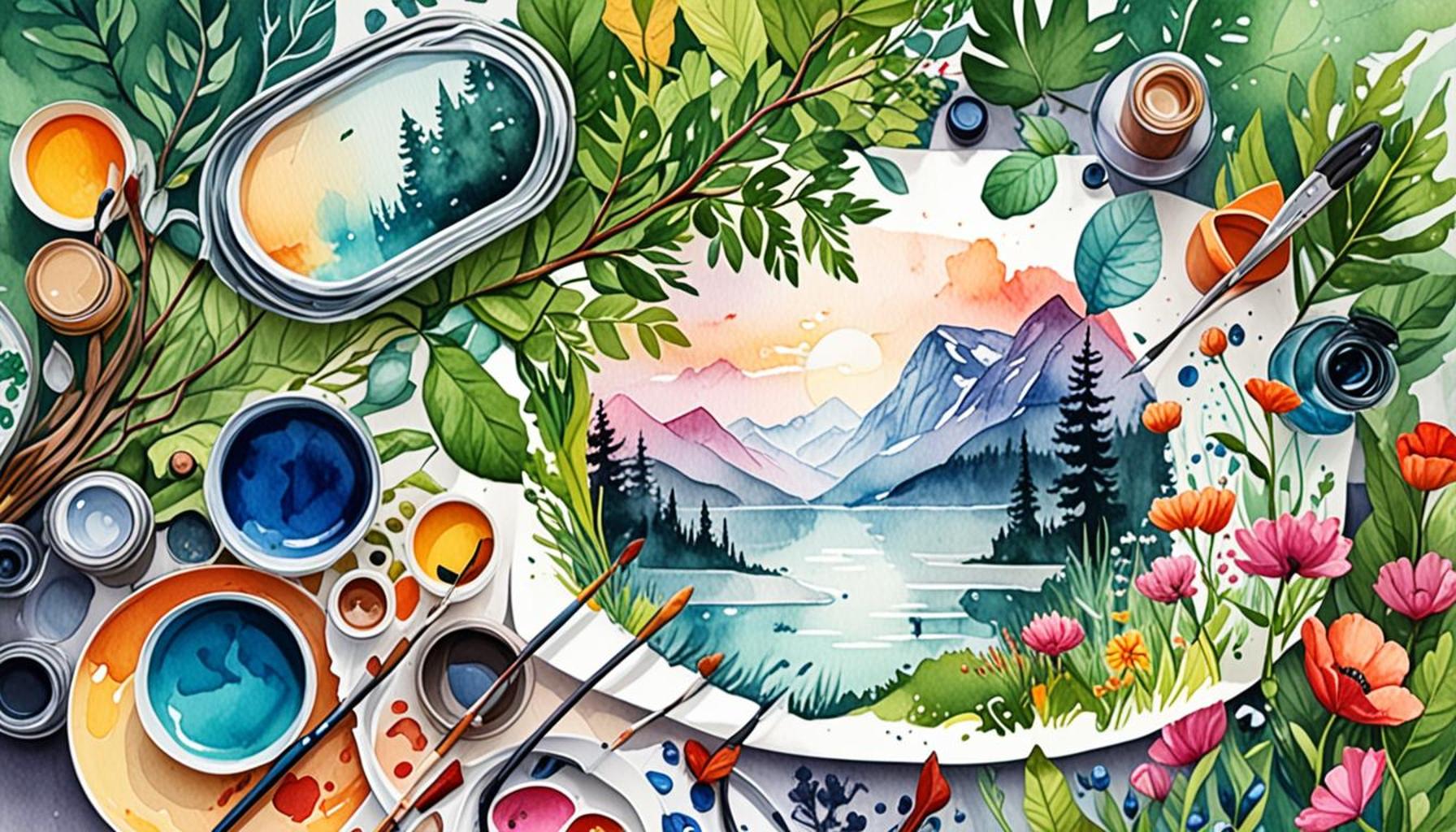
Exploring the Enchantment of Outdoor Artistic Expression
The integration of art and nature is an invitation to experience creativity in its most organic form. As more individuals yearn for solace amidst the hustle of modern life, outdoor artistic activities are becoming increasingly popular. This shift not only promotes individual well-being but also fosters a profound connection with the environment, highlighting the importance of nature in creative expression.
Participating in outdoor artistic ventures presents a myriad of benefits, including:
- Nurturing Creativity: The natural world is an infinite wellspring of inspiration. From the vibrant colors of a sunset to the intricate patterns of leaves, nature ignites the imagination, encouraging artists to explore their artistic visions. For instance, landscape painters often visit locations like Yosemite or the Grand Canyon, where breathtaking vistas can inform their work and elevate their artistic practice.
- Strengthening Sustainability: By opting to use natural materials—such as clay, leaves, and twigs—artists can embrace eco-friendly practices that resonate with the growing movement towards sustainability. Using found objects not only reduces waste but also creates a dialogue around the preservation of our natural resources, enhancing the aesthetic experiences without harming the environment.
- Fostering Community: Outdoor art projects frequently serve as communal experiences, drawing together individuals with a shared passion for creativity. Collaborations, such as community mural initiatives or public art festivals, provide platforms for artists to share ideas and techniques while building lasting relationships. Events like Art in the Park invite local artists to showcase their work and engage the public, thereby strengthening community bonds.
Some popular forms of outdoor artistic expression include nature photography, where photographers capture the stunning landscapes and wildlife that surround them, and land art, where artists use the earth itself as their canvas. Renowned examples, like Robert Smithson’s “Spiral Jetty,” merge art and landscape in profound ways, prompting viewers to contemplate their relationship with nature. With each brushstroke or photograph taken in natural settings, artists not only showcase beauty but also emphasize the need for environmental conservation.
As you delve into this captivating intersection of art and nature, you may uncover new avenues for self-expression while making a positive impact on the planet. Engaging with the outdoors through creativity not only enriches your artistic journey but also enhances your appreciation for the world around you.
Harnessing Nature’s Palette: A Canvas Beyond Walls
Outdoor artistic expression thrives at the intersection of creativity and nature, inviting artists and hobbyists alike to step outside the confines of traditional studios. Nature itself serves as both the muse and medium, offering a dynamic and ever-changing backdrop that fuels innovation. Artists in the United States are increasingly discovering that the outdoors is not just a location, but an essential component of their creative process. By embracing this relationship, they are not only enhancing their art but also advocating for sustainable practices that honor the planet.
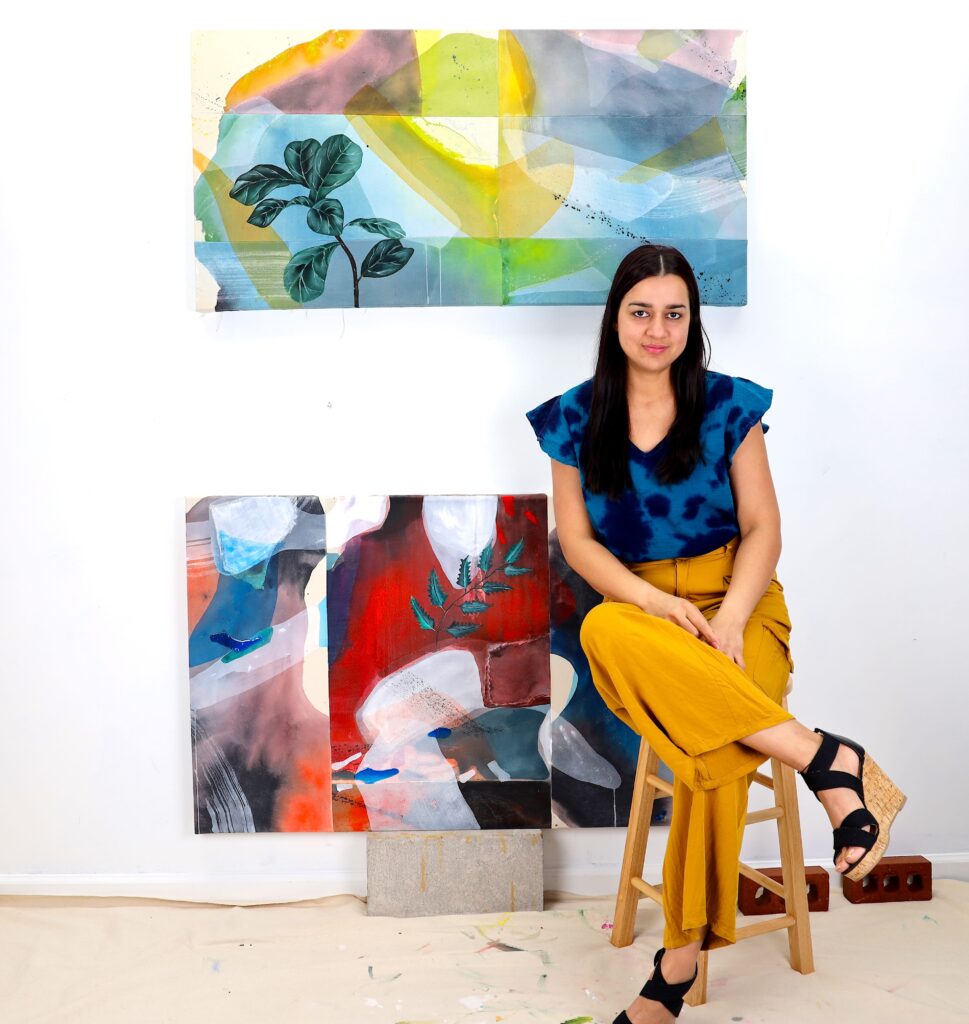
One of the most compelling aspects of engaging with art in a natural setting is the opportunity for immersive experiences. Art forms such as landscape painting, nature sculpture, and environmental installations demonstrate how artisans draw inspiration from their surroundings. For instance, artists like Andy Goldsworthy create ephemeral works that evolve with their environments, reminding us of the impermanence of both art and nature. This practice opens up dialogue about the fragility of the ecosystems surrounding us, marrying aesthetic pleasure with advocacy for environmental conservation.
Moreover, participation in outdoor artistic endeavors supports a holistic approach to wellness. Exposure to natural landscapes is linked to mental health benefits, such as reduced stress and improved mood. Artists who work outdoors often speak of the profound sense of peace and creativity that flows from being in nature. Research shows that spending time in natural settings can rejuvenate the mind, making it an ideal environment for fostering creativity and inspiration. Whether it’s sketching a serene meadow or capturing the essence of a bustling forest in a photograph, the outdoors beckons individuals to express themselves in novel ways.
The Benefits of Nature as an Artistic Playground
Engaging with the natural world through artistic expression offers numerous advantages, which are particularly relevant in today’s context of environmental awareness. Consider the following benefits:
- Connection to the Earth: Creating art outdoors cultivates a deeper relationship with nature. Artists become more attuned to the rhythms of the seasons and the subtleties of their environments, enriching their work.
- Encouragement of Eco-Friendly Practices: Using sustainable materials and methods encourages a responsible approach. Artists often turn to biodegradable elements, such as petals or stones, which foster a respect for the resources they utilize.
- Growth Through Collaboration: When artists gather outdoors, they share techniques and perspectives, sparking creativity. Informal gatherings and workshops enable skill exchanges that strengthen local art communities.
Ultimately, the intersection of art and nature cultivates a fertile ground for sustainable and inspiring hobbies. As individuals explore this captivating realm, they not only develop their artistic voices, but also contribute to a greater movement focused on environmental stewardship. The call of the wild is not just a prompt for artistic creation; it is also a rallying cry for protecting our planet, providing artists with a dual purpose that resonates far beyond their canvases.
The Intersection of Art and Nature
In today’s fast-paced digital world, the allure of nature manifests itself in various artistic expressions that invite individuals to reconnect with the earth. Outdoor artistic expression is evolving into a sustainable and inspiring hobby, merging creativity with environmental appreciation. Through activities like natural sculpture, landscape painting, or eco-friendly installations, artists channel their passions into projects that not only beautify but also promote environmental awareness. This innovative intersection fosters a deeper appreciation of the natural world while advocating for sustainability.One striking example of this harmony between art and nature is the practice of land art, where artists utilize elements such as rocks, leaves, and soil to craft temporary installations that challenge viewers’ perceptions of their surroundings. Such outdoor activities emphasize organic beauty and captivate audiences in a way that indoor art cannot. This interaction invokes a sense of mindfulness, encouraging participants to observe and reflect upon the intricate processes of nature.Moreover, engaging in outdoor artistic expression has numerous benefits. It promotes mental well-being by reducing stress and anxiety and simultaneously enhances creativity. Surrounded by nature, artists often experience a heightened sense of inspiration, leading to innovative ideas and techniques. Additionally, participating in art in nature provides a canvas for collaboration. Community projects, like mural paintings or public installations in parks, create a shared experience that brings people together in meaningful ways.To discover how outdoor artistic expression can become your sustainable passion, consider the many ways to engage with your environment—whether it be wandering with a sketchbook or creating ephemeral art installations that celebrate local ecosystems. Embrace the intersection of art and nature, and watch how your creativity and appreciation for the world around you flourishes.
| Category 1 | Category 2 |
|---|---|
| Outdoor Artistic Expression | Engaging with the environment through various forms of art. |
| Mental Well-being | Reduces stress and boosts creativity in natural settings. |
| Community Involvement | Fosters connection through collaborative art projects in local spaces. |
Creating Lasting Impact: The Role of Community and Education
The fusion of art and nature has spurred a movement that extends beyond individual creative expression, fostering a sense of community and encouraging education on environmental issues. Various art initiatives and programs have emerged across the United States, aiming to connect people through shared experiences in natural settings. These community-oriented projects not only promote artistic skills but also highlight the importance of preservation and sustainability.
One noteworthy example is the National Parks Arts Foundation, which provides artists the opportunity to create in national parks, encouraging them to draw inspiration from the striking landscapes while developing their artistic visions. In exchange for this immersive experience, artists are often encouraged to engage with the public, sharing insights about their creative processes and the types of environmental challenges these iconic locations face. By participating in such programs, artists contribute to conversations about the significance of conserving natural habitats while simultaneously elevating their own artistic practices.
In schools, outdoor art projects have become increasingly popular as educators recognize the benefits of blending art education with environmental science. Programs like the Art in Public Places initiative in cities such as Seattle and Denver focus on integrating artistic expression into public spaces while fostering engagement with local environmental issues. These projects serve not only as educational tools but also as a means to beautify communities and inspire collective action towards sustainability.
Bridging Generations: Art as a Tool for Environmental Advocacy
Art acts as a powerful vehicle for raising awareness about environmental concerns, providing tangible means to address pressing issues such as climate change, pollution, and habitat destruction. By working outdoors, artists produce visually compelling pieces that emphasize the need for conservation and inspire action within their communities. For example, the artist Christo and Jeanne-Claude are renowned for their large-scale environmental installations that, while temporary, capture public attention and spark dialogue on environmental preservation.
Moreover, initiatives like Earthworks not only aim to create stunning visual art but also directly engage their audiences in ecological awareness. Through the creation of dedicated art installations, these projects examine the impact of human activities on the environment, encouraging viewers to ponder their role in preserving our planet. This captivating intersection of art and social activism nurtures an understanding of our connection to nature while simultaneously inspiring audiences to partake in more sustainable practices.
Technology also plays a crucial role in enhancing outdoor artistic expression. Digital tools like social media and photography apps enable artists to share their experiences and creations instantly and widely, reaching immense audiences eager to engage with their work. Organized challenges and campaigns, such as the Global Positivity Project, unite creatives worldwide, inviting them to reinterpret nature through various artistic mediums. This collaborative approach not only elevates artistic discourse but also cultivates a global community dedicated to environmental sustainability.
In essence, the intersection of art and nature nurtures a dynamic and inclusive platform for community engagement and education. As artists continue to explore the depths of their creativity outdoors, they foster profound connections with their environment and inspire others to recognize the innate beauty of our planet. Through collaborative efforts, both local and global, these artistic expressions not only enrich personal journeys but also work towards cultivating a sustainable future.
Conclusion: The Endless Possibilities of Art and Nature
In exploring the intersection of art and nature, we discover a rich tapestry of creativity that not only enhances personal expression but also fosters a collective mission toward sustainability. Through a engaging array of community initiatives, educational programs, and public art projects, artists find themselves at the forefront of the vital dialogue surrounding environmental conservation. By harnessing their talents, these creators invite us to engage with our surroundings in transformative ways, inspiring a deeper appreciation for the natural world.
As seen with programs like the National Parks Arts Foundation and urban initiatives such as Art in Public Places, the integration of outdoor art-making nurtures not only artistic skills but fosters vital connections within communities. The result is a ripple effect of awareness, action, and advocacy that resonates far beyond the canvas. Art serves as a compelling call to action, challenging us to reflect on our environmental impact and spurring collective movements toward preservation and sustainability.
Moreover, the role of technology cannot be overlooked; with digital platforms enabling artists to showcase their work globally, there is an unprecedented opportunity for collaboration and knowledge-sharing. Through projects like the Global Positivity Project, artists are united in a shared vision, amplifying the communication of issues that matter and mobilizing communities around conservation.
As we stand at the crossroads of exploitation and preservation, the marriage of art and nature offers a vital pathway forward. It urges us to not only appreciate the beauty around us but to take action and foster change for future generations. With every brushstroke, we join a vibrant movement dedicated to celebrating and safeguarding our planet, making art a truly sustainable and inspiring hobby.