Evolution of Art in Cultures Creative Hobbies Reflect Identities
The Intersection of Creativity and Culture
Cultures around the world showcase a rich tapestry of artistic expression, revealing profound connections between societal values and individual creativity. Creative hobbies serve as a reflective medium through which people engage with their cultural heritage and personal identities. From painting and music to pottery and storytelling, these pursuits illustrate how art evolves and adapts within diverse cultural landscapes.
The Significance of Creative Hobbies
As we explore the evolution of artistic expression, it becomes clear how deeply intertwined these hobbies are with the identities they represent. Many creative activities not only fulfill a personal passion but also preserve and transmit cultural narratives. Here are some key points to consider:
- Historical Context: Understanding the origins of particular art forms can illuminate cultural shifts.
- Social Commentary: Artistic creations often reflect societal challenges and changes.
- Personal Connection: Hobbies provide a space for individuals to express their unique cultural perspectives.
In the following sections, we will examine the Top 5 creative hobbies that best illustrate how artistic expression evolves within various cultures, drawing connections between personal identity and broader societal themes. Prepare to discover the fascinating interplay between culture and creativity!
The Evolution of Artistic Expression in Different Cultures: How Creative Hobbies Reflect Cultural Identities
Artistic expression has consistently served as a mirror reflecting not just individual creativity, but entire cultures. Across the globe, creative hobbies often encapsulate the essence of identity, history, and social values of different societies. In this article, we will explore the five foremost forms of creative hobbies that have evolved in various cultures and how they serve as crucial vehicles of cultural identity.
5. Folk Art: The Heartbeat of Tradition
Folk art represents one of the purest manifestations of cultural expression. It has its roots deep in the everyday lives of ordinary people and amplifies the traditions and beliefs of a community. In many cultures, folk art encompasses textiles, pottery, and paintings—each telling stories passed down through generations.
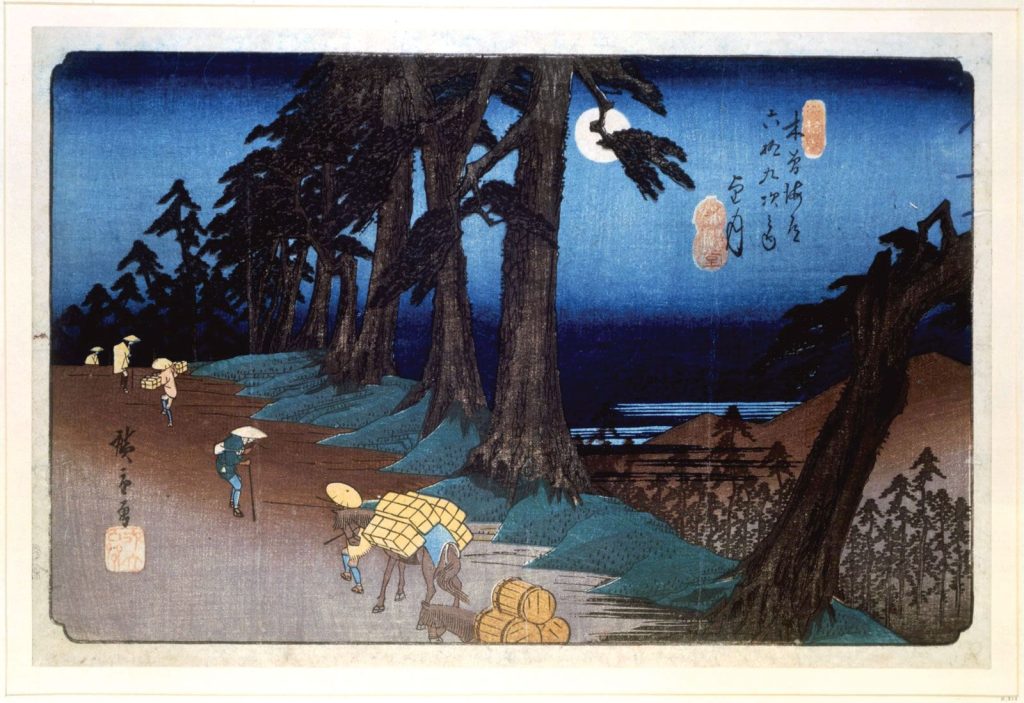
Often manifesting in vibrant colors and intricate designs, folk art is more than just decoration. Take, for instance, the brightly colored embroidery of Eastern Europe or the intricately carved masks from African tribes. They speak volumes about the respective cultures, offering insights into community life and values.
Key Characteristics:
- Community-Oriented: Folk art frequently involves collaborative efforts from community members, emphasizing shared spirituality and societal values.
- Symbolic Representation: Many folk art pieces carry symbolism reflecting local customs, religion, and rituals, such as the spiritual significance of mandalas in Asian art.
- Accessibility: With materials readily available in their environments, folk art remains inclusive across social classes, making it an enduring cultural artifact.
Artists often utilize these mediums to celebrate cultural narratives, making folk art a powerful avenue for preserving cultural identities and traditions.
4. Calligraphy: The Beauty of Language
Calligraphy elevates mere writing into an art form, beautifying the written word and serving as an expression of cultural identity. In various cultures, the way languages are written holds deep significance. Arabic calligraphy, for instance, is not just a form of art but a spiritual practice, embodying Islamic beliefs and teaching. Just as Japanese calligraphy, known as “shodō,” embodies grace and precision, reflecting the beauty of the kanji characters.
Significance of Calligraphy:
- Artistic Expression: Different scripts and styles result in unique visual forms, turning writing into an aesthetic pursuit with a life of its own.
- Cultural Preservation: Calligraphy preserves ancient texts and stories, passing them down through generations and thus safeguarding linguistic heritage.
- Religious Importance: In many cultures, calligraphy holds sacred meanings, often adorning religious texts and places of worship with artistic interpretations of divine messages.
This traditional craft showcases how aesthetics can intertwine with history, belief systems, and community practices, providing a window into cultural heritage.
3. Music and Dance: The Rhythm of Culture
Music and dance are often the lifeblood of cultural expression, encapsulating the emotions, social histories, and shared experiences of communities. From the spirited salsa rhythms of Latin America to the intricate bhangra beats of India, this art form transcends barriers and unites people through rhythm, invoking unity and collective spirit.
Elements of Music and Dance:
- Social Connection: Music and dance traditionally bring communities together to celebrate important events, rituals, and festivals, nurturing a sense of unity.
- Cultural Narrative: Numerous songs and dance forms narrate the stories and struggles of people, offering profound insights into their socio-cultural heritage.
- Innovative Fusion: Contemporary artists increasingly blend traditional practices with modern influences, resulting in a continually evolving cultural expression that bridges past and present.
This dynamic combination highlights how music and dance reflect the communal spirit and collective identity of societies.
2. Visual Arts: Canvas of Identity
The realm of visual arts, encompassing painting, sculpture, and photography, serves as a rich tapestry of cultural identity. Through these mediums, artists convey societal issues, heritage, and personal narratives. Different styles, from Impressionism to Indigenous Art, provide insight into how geography and history shape artistic expression.
Consider the abstract expressionism of the West and how it contrasts with the more ceremonial and landscape-focused works from Eastern cultures. Artists channel their cultural experiences and socio-political observations through their work, creating pieces that resonate with deeper meanings beyond aesthetics.
Insights into Visual Arts:
- Cultural Commentary: Artists frequently critique social issues, offering viewers diverse perspectives on their own cultures, such as the haunting works of Frida Kahlo or Ai Weiwei’s provocative installations.
- Evolution of Techniques: Techniques in visual arts have evolved significantly, reflecting changes in technology, materials, cultural exchange, and societal values.
- Global Influence: As artists traverse cultural landscapes, the fusion of ideas enriches their expressions, broadening the scope of visual arts worldwide.
The importance of visual arts lies in their ability to evoke emotions while also serving as a historical record of societies and their evolving narratives.
1. Literature: The Voice of the People
Literature stands at the zenith of artistic expression as it encompasses narrative storytelling, poetry, and essays that articulate the human experience. The written word holds the power to inspire, provoke thinking, and evoke empathy, thus becoming the voice of the people. From the epic poems of ancient Greece to the magical realism of Latin America, literature captures the essence of human dignity, struggles, and triumphs.
Literature’s Impact:
- Cultural Storytelling: Through plot lines and character arcs, literature conveys powerful cultural narratives, offering a window into a culture’s ethos. Works like “One Hundred Years of Solitude” immerse readers in the rich cultural tapestry of Colombia.
- Preservation of Language: Literature preserves language, dialects, and idioms, ensuring that linguistic diversity thrives and survives through generations.
- Social Critique and Change: Literature serves as a platform for social commentary and reform, with authors using their voices to critique societal norms and influence change, as seen in George Orwell’s “1984” and Chinua Achebe’s “Things Fall Apart.”
By exploring the evolution of these unique creative outlets, it becomes evident how deeply ingrained cultural identities are within these art forms. They offer a profound perspective into the customs, challenges, and joys that have shaped societies throughout history. Together, they open a dialogue that encourages cultural appreciation and understanding, inviting readers to delve deeper into the stories that these art forms tell about the world. As vehicles of cultural identity, these arts animate the spirit of humanity, offering us all a greater connection to one another.
The exploration of artistic expression across various cultures reveals a profound connection between creativity and identity. Throughout history, hobbies that involve artistic activities have not only served as sources of personal enjoyment but have also played a crucial role in embodying and preserving cultural heritage. As communities engage in creative pursuits, they tend to reflect their values, traditions, and unique perspectives, thus enriching the tapestry of global culture.Artistic hobbies, such as painting, crafting, music, and dance, often draw from historical motifs and local narratives that define a culture’s identity. For example, traditional dance forms such as the Indian Bharatanatyam or the Ecuadorian Diablada not only entertain but also transmit crucial cultural stories, moral lessons, and communal bonds across generations. This power of *dance*, as a creative outlet, demonstrates how deeply ingrained cultural practices manifest through artistic expression.In addition to dance, the realm of visual arts provides fascinating insights into cultural identity. Each region boasts particular styles and techniques that tell a story of the people’s history and environment. The intricate patterns found in Indigenous Australian dot painting or the vibrant colors of African textile designs often convey messages about the land, nature, and ancestral spirits. Each brushstroke or weave embodies a narrative that can spark curiosity and prompt discussions about a culture’s profound ties to their surroundings and historical context.Moreover, the growing trend of incorporating modern technology into traditional crafts underscores the dynamic nature of cultural expression. Artists are expanding the boundaries of their identities by merging contemporary practices with ancestral techniques, resulting in a fusion that both respects heritage and embraces innovation. Digital art, for example, allows for the reimagining of traditional stories through a modern lens, promoting a dialogue between past and present. This interplay emphasizes an ever-evolving identity shaped by globalization, technology, and individual experiences.Culinary arts also play a significant role in representing cultural identity, transforming not only into a creative hobby but also a medium for cultural exchange and social connection. Cooking methods, recipes, and dining practices vary widely around the globe, yet food has the power to bridge gaps, bringing people together to share in diverse cultural legacies. The art of food preparation and presentation reflects traditions, rituals, and even social hierarchies, making it a rich field for exploration and creativity.As societies continue to change, artistic hobbies remain a vital part of cultural identity, serving as tools for not just expression but connection and understanding. Whether through spontaneous gatherings showcasing local music or communal painting projects that honor heritage, these hobbies resonate with the collective consciousness of a community. They allow individuals to explore who they are while fostering appreciation for diverse cultures, ultimately contributing to a more interconnected world. Through the lens of hobbies, one can glimpse into the vibrant and multifaceted essence of human identity.
Frequently Asked Questions about Artistic Expression Across Cultures
How have different cultures influenced the evolution of artistic expression?
The evolution of artistic expression is a fascinating interplay of cultures. Each culture contributes its unique perspective, driven by its history, geography, and societal norms. For instance, Asian cultures have significantly influenced Western art, introducing elegant simplicity and balance, as seen in Japanese Zen gardens and Chinese brush painting. On the other hand, African art has lent its dynamic energy and rhythm, reflected in works by artists like Picasso who were inspired by African masks. These exchanges are not static but evolve continuously, leading to new forms that honor past influences while pushing boundaries.
What role do creative hobbies play in reflecting cultural identities?
Creative hobbies serve as a mirror reflecting cultural identities by capturing the essence of a community’s traditions, values, and beliefs. Through activities such as traditional crafting, dance, and music, individuals can express their heritage and personal identity. For example, quilting in American traditions often tells family stories through patterns and materials, while indigenous beadwork in various cultures around the world symbolizes lineage and cultural narratives. Thus, these hobbies are more than leisure activities; they are vital expressions of cultural identity and continuity.
Can the globalization of art forms lead to a loss of cultural identity?
Globalization of art forms presents a double-edged sword. On the one hand, it fosters cultural exchange and innovation by bringing different traditions together. However, there is a concern that it can dilute cultural identities as dominant art forms overshadow local expressions. The key lies in finding a balance—preserving and respecting traditional arts while embracing the global influence that modern technology and connectivity bring. Ultimately, it’s crucial for communities to support and sustain their artistic heritage while participating in the global art dialogue.
How can digital platforms help promote diverse cultural art forms?
Digital platforms have revolutionized the way cultural art forms are shared and preserved. They allow artists from different backgrounds to reach global audiences without the barriers of geography. For example, social media and online galleries provide a stage for showcasing traditional art forms, educating audiences worldwide about their significance and origins. Moreover, digital spaces can foster communities where artists can collaborate, critique, and celebrate each other’s work. In essence, digital platforms hold power not only to promote but also to protect and rejuvenate traditional cultural expressions.
Conclusion: The Interwoven Tapestry of Artistic Evolution and Cultural Identity
The journey through the evolution of artistic expression across different cultures reveals a profound truth: creative hobbies are not mere pastimes but reflections of a society’s soul. They are intrinsically linked to cultural identity and serve as a mirror to a community’s history, values, and transformations. The analysis of these connections has illuminated how diverse practices—ranging from the intricate patterns of Persian rugs to the dynamic rhythms of African drumming—highlight the underlying threads of shared human experience, while maintaining the uniqueness of each cultural tapestry.
By examining how these artistic expressions have evolved, we gain insights into the broader historical and socio-political narratives that have shaped societies. It becomes evident that creative hobbies will always adapt, integrating technology and global influences; however, they remain deeply rooted in the traditions that define cultural uniqueness. This adaptability underscores the resilience and inventiveness embedded in human creativity. Furthermore, these hobbies provide a bridge between generations, preserving tradition while allowing for personal interpretation and reinvention.
In today’s globalized world, the exchange and fusion of cultural ideas through art continue to foster understanding and appreciation among diverse populations. Acknowledging the value of these creative outlets not only enriches individual lives but also promotes intercultural dialogue and empathy. As we navigate an increasingly interconnected global society, recognizing and celebrating the diverse forms of artistic expression empowers individuals and communities to honor their heritage while embracing new influences.
Ultimately, the evolution of artistic expression and creative hobbies as cultural markers is a testament to the enduring significance of cultural identity in shaping and reflecting our shared human story. It invites continued exploration and provides a rich tapestry for future generations to weave their narratives.