The Role of Music in Building Self-Esteem and Personal Identity in Young Artists
The Power of Music in Shaping Identity
Music serves as a universal language, possessing the extraordinary ability to shape an individual’s self-esteem and personal identity, particularly among young artists. This creative outlet is not merely a form of expression; it’s a crucial tool that can help individuals navigate the complexities of their identity during formative years.
For many young artists, engaging with music can lead to significant personal growth. Consider these impactful aspects:
- Empowerment: Expressing emotions through music provides a sense of control and ownership over one’s thoughts and feelings. Whether through writing lyrics or composing melodies, young artists can articulate their innermost struggles, triumphs, and dreams, creating a therapeutic outlet that fosters personal reflection.
- Connection: Collaborating with others fosters a sense of belonging, creating a community that encourages reciprocal support. In music, collaboration can mean anything from jamming with friends to joining larger ensembles, such as school bands or local choirs. These shared experiences often lead to lasting friendships that provide safety nets during challenging times.
- Confidence: Performing in public can boost self-worth, transforming vulnerability into strength. The exhilaration of standing on stage, whether at a school talent show or a local venue, not only cultivates stage presence but also empowers young artists to face their fears and embrace their unique talents.
The relationship between music and identity formation is particularly evident in today’s youth culture. With the prevalence of social media and platforms like TikTok and SoundCloud, young artists can explore a wide array of genres. For instance, a teenager crafting hip-hop beats can harmonize their musical style with cultural narratives that resonate within their community. This accessibility allows them to delve into their roots—be it through discovering traditional folk sounds or immersing themselves in contemporary interpretations of their heritage.
Moreover, as they share their music online, they often receive immediate feedback, fostering an environment where self-exploration meets public validation. Such interaction naturally leads to a greater understanding of who they are and who they wish to become, providing opportunities for constructive criticism that can inspire growth and evolution in their artistry.
In this article, we will delve deeper into how music allows young artists to build self-esteem and shape their personal identities. We will explore various case studies, such as the impact of after-school music programs in urban areas and the role of popular music festivals in connecting young artists to their communities. Insights from experts in music education and psychology will also illustrate this profound connection.
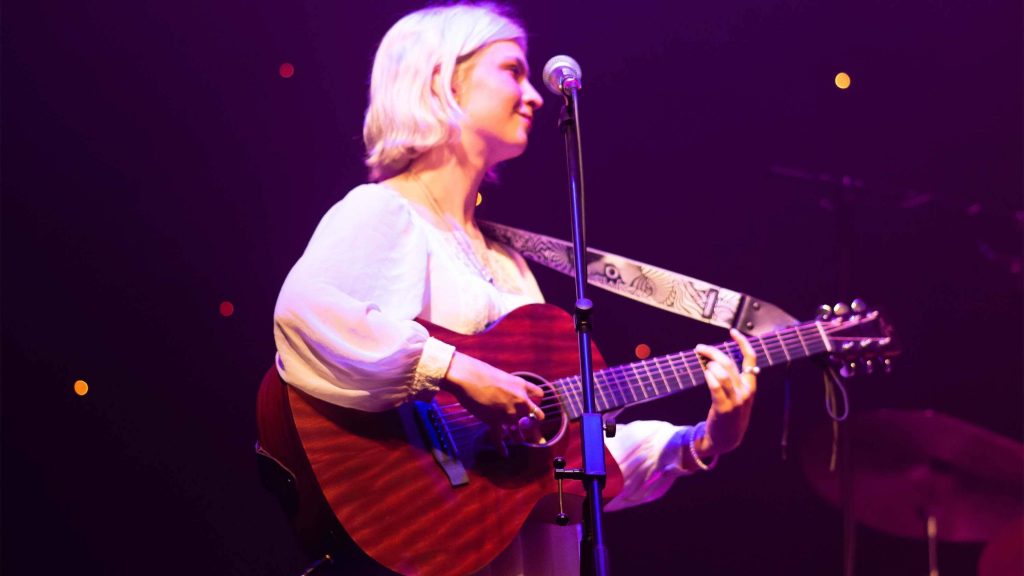
Understanding the transformative power of music is more than just an academic exploration; it is an acknowledgment of the profound influence creativity has on shaping a generation’s identity. As young artists navigate the tumultuous waters of adolescence, music stands as a beacon of hope, identity, and personal empowerment.
Unlocking Emotional Resilience through Musical Expression
Music acts as a powerful medium through which young artists can articulate their emotions, helping them build self-esteem and reinforce their personal identities. This transformative process often begins with the simple act of creating music, which enables youth to confront their feelings in a constructive manner. As they engage with music, they not only explore their inner emotions but also develop coping mechanisms that foster resilience during difficult times.
Research indicates that young people involved in musical activities exhibit higher levels of emotional regulation compared to their peers who are not. For example, a study conducted by the University of California, Los Angeles (UCLA) found that adolescents participating in music programs reported increased feelings of self-worth and a stronger sense of belonging. This alignment illustrates how music becomes a conduit for healing and self-exploration. Here are several key ways in which music contributes to emotional resilience:
- Creative Outlets: Writing songs or composing melodies can serve as a therapeutic outlet for young artists. This creative process allows them to channel their emotions, whether they are experiencing joy, sadness, or confusion. By translating abstract feelings into tangible forms, they can better understand their emotional landscapes.
- Reflection: Engaging with music gives youth the opportunity to reflect on their lived experiences. By revisiting their songs or melodies, they can trace their emotional journeys, recognizing growth and change over time. This introspection can help foster a stronger sense of identity.
- Goal Setting: Participating in music also instills a sense of purpose in young artists. As they set goals—be it mastering a difficult piece or preparing for a performance—they not only build self-discipline but also gain a profound sense of accomplishment once these goals are achieved.
The experience of sharing music with an audience can further enhance self-esteem. Young artists often recount feeling a rush of empowerment when they perform, particularly when receiving positive feedback from their peers, families, or even total strangers. The act of expression not only validates their artistic voices but also nurtures a belief in their abilities. This public acknowledgment holds immense significance; it transforms the artist’s self-perception while fostering a deep sense of connection to others.
In addition to individual experiences, community initiatives play a crucial role in this process. Music programs in schools and local community centers offer safe spaces for young artists to experiment with their talents. For example, initiatives like after-school music workshops often focus on collaboration and teamwork, inspiring youth to connect with their peers through a shared passion for music. These environments ignite creativity while anchoring a sense of belonging and identity, allowing young musicians to test their limits and grow.
Ultimately, the role of music in shaping self-esteem and personal identity among young artists cannot be overstated. It is not merely an art form but a lifeline that helps navigate the tumultuous waters of adolescence, guiding them toward self-discovery and emotional fulfillment.
| Advantages | Impact on Young Artists |
|---|---|
| Creative Expression | Music enables young artists to convey emotions and thoughts, enhancing personal identity. |
| Social Connectivity | Being part of a musical community fosters relationships, crucial for self-esteem building. |
| Skill Development | As young artists hone their musical abilities, they gain confidence, which bolsters their personal identity. |
| Emotional Resilience | Engaging with music helps artists navigate emotional challenges, enhancing their self-worth. |
The exploration of music as a medium for self-expression showcases how it acts as a catalyst for young artists in developing their unique identities. By participating in musical endeavors, they not only articulate their experiences but also build a sense of community that reinforces their psychological development. Furthermore, skill enhancement is a remarkable benefit. As young artists master new techniques, they experience pivotal increases in their self-esteem, which translates into other life areas. Emotional hurdles, often a part of the growing process for young individuals, are navigated and mitigated through the therapeutic nature of music, allowing them to emerge stronger and more confident. Each of these advantages contributes intricately to the mosaic of identity formation, spotlighting the essential role music plays in the lives of budding artists.
The Power of Community and Collaboration in Music
Beyond individual expression, the role of community in music is a transformative aspect that significantly contributes to building self-esteem and shaping personal identity in young artists. Participating in group activities, such as bands, orchestras, or choirs, fosters a collaborative spirit that enhances social interactions and nurtures relationships. This sense of community creates an environment where young musicians can thrive, allowing them to feel supported and validated in their artistic endeavors.
One of the profound impacts of collaborative music-making is the development of interpersonal skills. Engaging with peers in a musical setting helps young artists learn to communicate effectively, listen actively, and work as a cohesive unit toward a common goal. According to a report by the National Endowment for the Arts (NEA), youth involved in collaborative music programs are more likely to build strong relationships and deepen their social connections, contributing to an improved sense of belonging and identity.
This communal experience is not limited to formal settings; local music festivals and open mic nights also serve as platforms for young artists to showcase their abilities and gain recognition. The excitement of sharing their work with others in a supportive environment is particularly motivating. These events often encourage young individuals to step outside their comfort zones, which can lead to increased confidence and self-assuredness. For example, the annual School of Rock program invites youth to perform with peers, allowing them the chance to learn from each other while solidifying their artistic identities.
- Mentorship Opportunities: Within these community settings, young artists can benefit from mentorship relationships with experienced musicians or educators. These mentors provide guidance, encouragement, and constructive feedback, which helps bolster young artists’ self-esteem and fosters their artistic growth. Mentorship figures often serve as role models, inspiring youth to pursue their passions and face challenges head-on.
- Shared Experiences: Music brings together individuals from diverse backgrounds, allowing young artists to share stories and experiences through their art. This exchange enriches their understanding of identity, culture, and self-expression. Interacting with peers who may have different perspectives not only enhances their creativity but also builds empathy and resilience.
- Celebrating Diversity: Community music programs frequently celebrate a wide array of genres and cultural expressions. This emphasis on diversity allows young artists to embrace their unique voices while appreciating the beauty of others’. The fusion of styles can lead to innovative creations, allowing participants to further explore and assert their identities.
Moreover, the digital era has witnessed an explosion of online music communities, such as SoundCloud and social media platforms, where young artists can share their work globally. Engaging with these platforms provides opportunities for feedback and collaboration far beyond local boundaries. This virtual connectivity enables young musicians to build their identities not only through local acceptance but also through global interaction, broadening their horizons and understanding of the music landscape.
The act of creating music as part of a community solidifies a young artist’s sense of identity, imparting a feeling of unity and a shared mission. Such experiences not only bolster self-esteem but also create lasting memories and friendships that enrich their artistic journeys. In revisiting songs crafted collaboratively or reflecting on performances in collective settings, young artists gain valuable insights into their growth and evolution, further anchoring their personal identities in the process.
Conclusion
In the intricate tapestry of youth development, music emerges as a powerful thread, weaving together self-esteem and personal identity for young artists. From solo performances to collaborative projects, the act of creating music serves not only as a method of self-expression but also as a catalyst for personal growth. Through participation in bands, orchestras, and community events, young musicians find validation, support, and a sense of belonging that strengthens their confidence.
The communal aspect of music fosters a unique environment where interpersonal skills flourish. As young artists engage with peers, they learn to collaborate, communicate, and empathize, shaping their identities and enhancing their emotional intelligence. Additionally, opportunities for mentorship provide guidance from seasoned professionals, paving the way for artistic development and self-discovery.
Moreover, the digital age has expanded the reach of artistic expression, offering young musicians the chance to engage with global communities and diverse perspectives, further enriching their sense of self. This virtual connectivity not only broadens their musical horizons but also fortifies their identity in a rapidly evolving cultural landscape.
Ultimately, the interplay between music and personal growth serves as a reminder of the importance of nurturing young talent. As communities celebrate diversity in artistic expression, they empower the next generation of artists to embrace their unique voices, reinforcing that through music, they can confidently assert their identities and flourish as individuals. It is essential to continue supporting initiatives that promote music education and collaborative opportunities, ensuring that future young artists find the resources they need to thrive.