The Interaction Between Music and Dance: Developing Motor and Creative Skills
Exploring the Fusion of Rhythm and Movement
The synergy between music and dance forms a powerful connection that transcends mere entertainment. This interaction is pivotal in enhancing both motor skills and creative thinking among individuals, especially in developmental stages. Research and observations consistently demonstrate that engaging with music through dance can significantly bolster cognitive and physical abilities, serving as a foundational element in holistic personal development.
Motor Skills Development
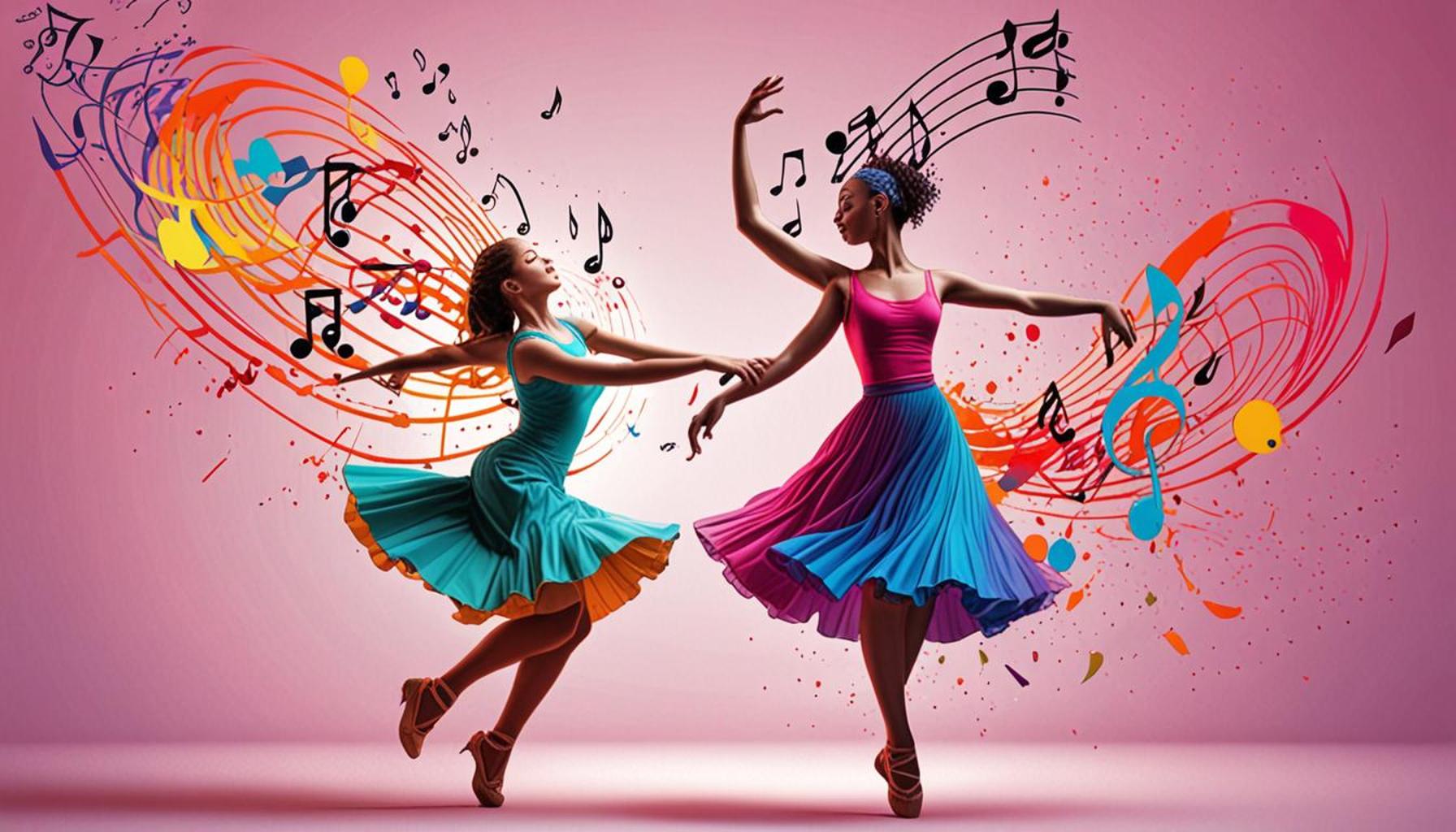
Motor skills development is one of the most visible benefits of integrating dance with music. Dance requires participants to engage their bodies in dynamic ways, requiring a fine-tuned sense of coordination, balance, and timing. For instance, ballet involves intricate footwork and body alignment, which greatly refine both gross motor skills (involving large muscle groups) and fine motor skills (involving smaller, precise movements). Studies show that children who participate in dance education demonstrate improved reaction times, spatial awareness, and overall physical fitness, contributing to healthier lifestyles.
Creative Expression
Furthermore, the art of dance invites profound creative expression. Music has the power to evoke a spectrum of emotions, and through movement, individuals can articulate these feelings in a unique narrative. Modern dance styles—such as hip hop, contemporary, or even traditional folk dances—allow individuals to channel their personal stories and cultural backgrounds into movement. This creative outlet not only enhances emotional intelligence but also fosters a sense of identity and belonging. For instance, dance competitions and local performances provide platforms for individuals to showcase their talents, building self-esteem while simultaneously promoting community engagement.
Social Skills Enhancement
Participating in dance often involves collaboration and communication with others, which is fundamental for social skills enhancement. Group activities in dance classes cultivate teamwork, as dancers must learn to synchronize their movements with others. This cooperative aspect not only strengthens social bonds but also improves conflict resolution skills. In many schools across the United States, dance-oriented programs encourage children from diverse backgrounds to come together, fostering inclusivity and understanding among peers.
As we delve deeper into this fascinating relationship, we will explore the ways music and dance interact to create a holistic approach to learning and personal development. Understanding this dynamic can inspire more innovative practices for educators and parents alike. By incorporating music and dance into educational frameworks, we can pave the way for enhanced cognitive skills, emotional well-being, and social cohesion in future generations, making it a vital component of modern curriculum design.
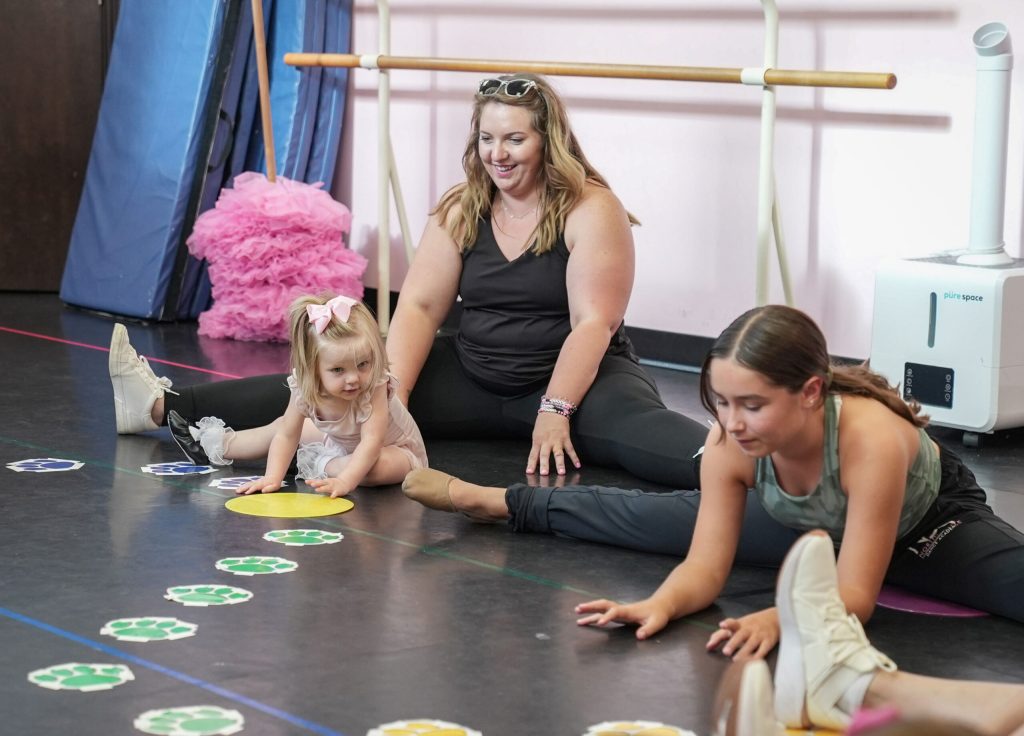
p>In classrooms across the United States, educators are increasingly recognizing the benefits of integrating music and dance in curricula. Programs focused on these art forms have been shown to cultivate not only physical abilities but also academic and emotional growth. A growing number of initiatives aim to not only enhance the arts but also to bridge the gap between multiple disciplines, proving that rhythm and movement are more than just creative pursuits—they are invaluable tools for development.
The Benefits of Integrating Music and Dance
The collaboration between music and dance is not just an artistic endeavor; it serves as a vital catalyst for enhancing various skill sets in individuals of all ages. From early childhood to adulthood, the alliance of rhythm and movement can yield numerous benefits that extend beyond the stage and into daily life. Embracing the arts in educational settings and community programs can result in a more well-rounded development for participants, both physically and mentally.
Physical Coordination and Body Awareness
At the core of motor skills development through music and dance is the enhancement of physical coordination and body awareness. Dancers must continually adapt their movements to align with the beat of the music, fostering a keen sense of timing and rhythm. This consistent practice can lead to:
- Improved balance: Various dance styles, such as jazz or tap, require dancers to shift their weight skillfully, promoting stability.
- Enhanced spatial awareness: Dancing within a defined space helps individuals understand their body’s relationship to others and their environment.
- Agility and flexibility: Regular movement to music increases muscular flexibility and quickness of response, essential skills for physical activities.
Research indicates that children involved in music and dance frequently display better coordination and agility compared to their peers. This development can significantly affect various physical activities, including sports, as well as everyday tasks requiring fine motor skills, such as writing or drawing. Moreover, adults who engage in dance can also reap the benefits of improved motor skills, enhancing their overall mobility and physical health.
Igniting Creative Thinking
The interplay of music and dance further stimulates creative thinking, allowing individuals to express their thoughts and emotions through movement. When participants interpret music through dance, they are not just mirroring a routine; they are leveraging their imagination to create unique performances. This process involves:
- Improvisation: Dancers often experiment with spontaneous movements, leading to innovative expressions and personal styles.
- Cultural storytelling: Various dance forms serve as a canvas for conveying cultural narratives and shared experiences, enhancing creativity through diverse perspectives.
- Problem-solving: Choreographing dance routines requires analytical thinking and adaptability, essential components of the creative process.
By encouraging creativity in dance, participants learn to think outside the box and embrace their individuality. This influence extends beyond the dance floor; creative thinking nurtured in this environment can contribute to improved academic performance and empower students to tackle challenges in various aspects of their lives.
The integration of music and dance serves not only as a method for skill enhancement but also as a holistic approach to personal growth. As we continue to investigate this compelling relationship, it’s clear that fostering an appreciation for the arts can yield rich dividends across physical, cognitive, and emotional spectrums.
The Interaction Between Music and Dance: Developing Motor and Creative Skills
As we delve deeper into the relationship between music and dance, it becomes evident that this synergy plays a crucial role in cultivating motor skills and fostering creative expression among individuals, particularly children. Engaging with rhythmic movements not only enhances physical coordination but also boosts cognitive development. Various studies have indicated that children exposed to musical activities and dance form exhibit improved gross and fine motor skills due to the practice of precise body movements aligned with rhythmic patterns.
Moreover, the improvisational aspect of dance encourages individuals to explore their creative boundaries, allowing for self-expression through movement. This unique blend of musicality and movement opens new avenues for emotional expression, enabling individuals to convey feelings that may be difficult to articulate verbally. It serves as a therapeutic outlet, helping in emotional regulation and social connections. Schools and community programs that integrate music and dance into their curricula are seeing positive artifacts not only in students’ creativity but also in their interpersonal skills and teamwork abilities.
| Category | Advantages |
|---|---|
| Physical Development | Enhances coordination, balance, and strength through rhythmic movements. |
| Cognitive Growth | Improves concentration, memory, and problem-solving skills through musical engagement. |
Incorporating music and dance into daily routines can significantly enrich the learning process, making it more dynamic and enjoyable. As we explore this further, numerous educational settings are beginning to adopt these practices, exemplifying a growing recognition of their importance in holistic development. For parents and educators alike, understanding this integration can lead to enhanced curriculums that benefit children’s overall growth.’
Cognitive Development Through Rhythm and Movement
The combination of music and dance goes beyond physical and creative skills; it also plays a significant role in cognitive development. Engaging with rhythm and movement can stimulate various brain functions, leading to improved focus, memory, and overall cognitive abilities. This intersection serves as a compelling platform for learning and growth, particularly in children and adolescents, who are at an essential stage for cognitive development.
Enhancing Concentration and Memory
Participating in music and dance requires a profound level of concentration, as individuals must coordinate their movements with musical beats. This focused attention leads to:
- Improved Attention Span: Regular involvement in dance classes or music sessions encourages individuals to maintain their focus over extended periods, fostering a stronger capacity for sustained attention.
- Better Memory Retention: Learning choreography or memorizing song lyrics aids cognitive recall, as individuals strengthen neural pathways related to memory and information processing.
- Neuroplasticity: Engaging in music and dance activities can promote brain elasticity, enabling individuals to learn new skills and adapt to changes more effectively.
Studies show that children who engage in musical activities often outperform their peers in tasks requiring memory and problem-solving skills. This trend persists into adulthood, where individuals who consistently participate in dance and music may experience fewer cognitive declines as they age. The process of learning and performing routines promotes critical thinking while enriching overall brain function.
Fostering Emotional Intelligence
The emotional resonance found in music and dance provides a unique avenue for individuals to develop emotional intelligence, fostering effective interpersonal skills. When participants express emotions through movement, they also learn to recognize and interpret feelings in others. This emotional currency translates into:
- Empathy Development: Understanding the emotional intent behind a dance or a musical piece allows participants to connect deeply with others, nurturing a sense of empathy.
- Self-Regulation: Expressing emotions through dance helps individuals learn how to manage their feelings positively, encouraging healthier emotional responses.
- Social Interaction: Participating in group dance classes or music ensembles cultivates collaboration, communication, and teamwork skills, all essential aspects of successful interpersonal relationships.
Research indicates that children involved in musical activities show increased levels of empathy and social awareness, as they develop an understanding of diverse emotional expressions through various artistic forms. These social skills gained through music and dance provide them with tools that are invaluable in their academic and personal lives.
Interdisciplinary Links and Real-World Applications
The nexus of music and dance also establishes a bridge to various academic disciplines, demonstrating its ability to enrich learning experiences and application in real-world scenarios. For example:
- Mathematics and Rhythm: Understanding musical patterns can enhance mathematical skills, as concepts like counting, fractions, and geometric shapes resemble rhythmic patterns.
- History and Culture: Learning dance styles that originate from different cultures encourages students to investigate historical contexts and appreciate cultural diversity.
- Physical Education: Dance as a form of exercise not only promotes fitness but also integrates wellness education, providing students with holistic tools to maintain a healthy lifestyle.
Through these interdisciplinary connections, individuals are not only enriched in the arts but also acquire valuable skills that are applicable in diverse fields such as STEM, cultural studies, and health education. As we deepen our understanding of the interaction between music and dance, the implications for personal and academic development become unmistakably significant and rewarding.
Conclusion: The Transformative Power of Music and Dance
The intricate relationship between music and dance serves as a powerful catalyst for developing not only motor skills but also a wide array of creative and cognitive abilities. As we have explored, the rhythm and movement inherent in these art forms engage individuals in a multifaceted learning experience that nurtures concentration, memory, and emotional intelligence. This synergy allows participants to cultivate essential life skills that extend beyond the dance floor or concert hall, enriching both personal and academic realms.
Moreover, the incorporation of music and dance into educational curricula fosters interdisciplinary learning, bridging connections with subjects such as mathematics, history, and physical education. In doing so, it promotes holistic development, preparing individuals to approach challenges with creativity and analytical thinking. Such skills are invaluable in today’s fast-paced world, where adaptability and innovation are keys to success.
As we continue to understand the profound impact of music and dance, it becomes increasingly clear that these disciplines are not mere forms of entertainment but rather essential tools for cultivating a thriving, well-rounded individual. Encouraging participation in these activities can pave the way for more engaged, empathetic, and self-aware communities. Thus, whether through dance classes, music education, or simply enjoying the art forms in everyday life, individuals are invited to explore the tremendous possibilities that lie within the harmonious interplay of music and dance.