How the Practice of Bands and Musical Groups Fosters Creativity and Collaboration
Exploring the Dimensions of Musical Collaboration
In today’s fast-paced world, creativity and collaboration have become essential skills in both personal and professional realms. Bands and musical groups serve as a unique platform for individuals to cultivate these skills while exploring their passion for music. Working within a collective inspires innovation and enhances the dynamics of teamwork, transforming individual ideas into collective masterpieces that resonate with audiences.
To understand the profound impact of musical collaboration, it is vital to examine some key elements that highlight how it can drive creativity:
- Diverse Perspectives: Musicians from different backgrounds—whether they hail from various cultural, geographical, or musical traditions—bring unique ideas and influences to the table. For example, a group that consists of a jazz saxophonist, a classical violinist, and a pop singer can create compelling blend of styles, leading to a melodic fusion that surprises and delights listeners. Through this diversity, they cultivate fresh and innovative compositions that push the boundaries of genre and tradition.
- Peer Feedback: Collaborating with others allows for constructive criticism, helping musicians refine their craft. A songwriter may share their new lyrics with bandmates, who can offer insights on melody choices or thematic elements. This exchange of feedback not only enhances the song but also fosters a culture of trust and open communication within the group—an essential aspect of artistic growth.
- Shared Goals: Working towards a common musical vision cultivates a sense of unity that inspires members to push their creative boundaries. In a band, each member’s commitment to a shared project—be it an album, a concert, or a charity event—can act as a powerful motivator, leading to levels of productivity and creativity that might not be achieved individually.
Moreover, the very act of making music together fosters important life skills that extend beyond the realm of music:
- Effective Communication: Members learn to articulate their thoughts and feelings, both musically and verbally. This skill becomes crucial during rehearsals when discussing arrangements or during performances where coordination is key.
- Conflict Resolution: Navigating disagreements about artistic direction teaches compromise and empathy. Whether it’s a dispute over a musical arrangement or personal differences, artists often develop strategies to address conflicts that can be applied in other aspects of life.
- Time Management: Juggling practice schedules cultivates discipline and dedication. Musicians learn the importance of punctuality and respect for each other’s time, skills that are vital in any collaborative work environment, be it in music or corporate settings.
As we dive deeper into the world of musical collaboration, we can also explore how these experiences in bands can translate into greater societal impacts. The rich tapestry of collaboration and creativity is not only about creating music; it’s also about forging connections, fostering understanding, and nurturing a vibrant community. Music has the power to transcend boundaries and unite people, often serving as a catalyst for social change and awareness.
In summary, bands do more than just make music; they create a microcosm of society where varying perspectives converge to foster innovation, personal growth, and a deeper sense of community. The skills developed in this collaborative environment not only enhance musical endeavors but also prepare individuals for broader challenges in their personal and professional lives. As we appreciate the magic of musical partnerships, it becomes clear that these collaborations are vital in shaping a more connected and creative world.
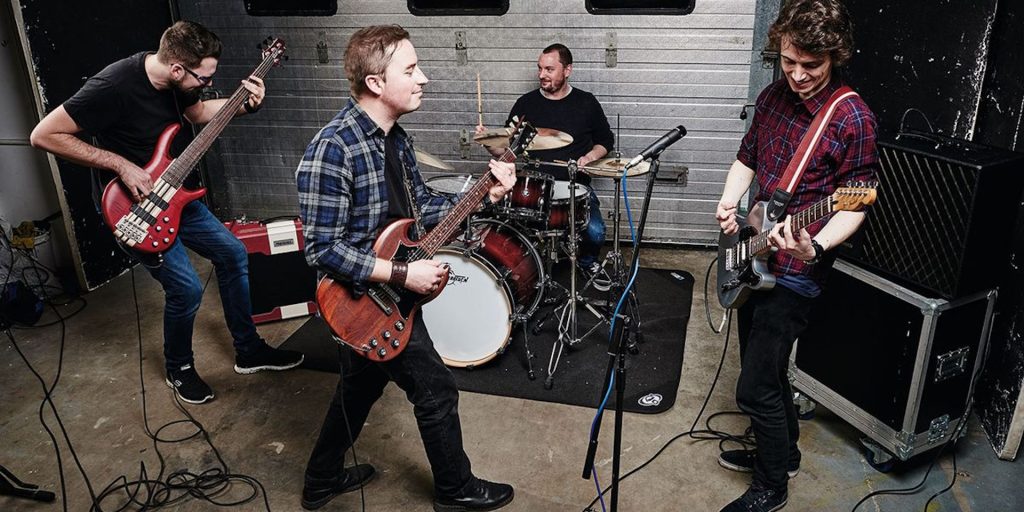
The Creative Exchange: Unpacking Collaborative Musicianship
Collaboration in musical groups is far from a simple process; it’s a complex interplay of ideas that leads to profound creative outcomes. Within a band, members are not only fellow musicians but also co-creators, each contributing to a shared musical landscape. This collaborative process is essential in fostering creativity and helps individuals unlock their full artistic potential. A deeper dive into the collaborative dynamics in bands reveals how these elements work in concert to inspire creativity:
- Improvisation and Experimentation: Bands often experiment with different sounds and techniques, which encourages members to think outside the box. For instance, during jam sessions, musicians might play off each other’s riffs, leading to spontaneous compositions that can become the foundation for a new song. This spirit of experimentation not only enhances their musical prowess but also illuminates the importance of adaptability and flexibility in creative settings.
- Collective Brainstorming: Musicians often come together for brainstorming sessions where they can throw ideas around without the pressure of judgment. In these moments, a guitarist might propose a chord progression, while the drummer responds with a rhythmic pattern that inspires a whole new melody. This synergy creates an environment of shared investment and ownership over the music, anchoring the creativity firmly within the group.
- Style Fusion: When artists from various musical genres collaborate, they can create groundbreaking hybrid styles that draw listeners in. For example, country artists teaming up with hip-hop performers can yield a fresh sound that appeals to fans of both genres. The innovative results of such collaborations often capture public attention, showcasing why bands can be at the forefront of creative trends.
Furthermore, working within a band nurtures a unique set of creative skills that are highly applicable in various aspects of life:
- Active Listening: Musicians are trained to listen attentively to one another. This skill is not just about hearing notes, but about understanding the intentions, emotions, and nuances each member brings to the music. Such active listening fosters a deeper connection among band members and enhances their ability to give and receive feedback.
- Trust Building: Successful collaboration necessitates a foundation of trust. Bandmates must rely on each other’s abilities and creative visions to achieve a cohesive sound. This trust not only strengthens interpersonal relationships within the band but can also transform into self-assurance that resonates in other areas of personal and professional life.
- Iterative Processes: In the rehearsal space, the iterative nature of creating music allows musicians to learn that perfection is often a moving target. They explore, revise, and sometimes completely reinvent pieces, ultimately embracing a process that underscores the importance of persistence and dedication in achieving artistic excellence.
The importance of these elements in fostering creativity and collaboration within bands cannot be overstated. As they navigate the rich tapestry of sounds and ideas, musicians develop skill sets that extend beyond the realm of music, enabling them to tackle challenges in academia, business, and everyday life with greater skill and confidence.
How the Practice of Bands and Musical Groups Fosters Creativity and Collaboration
The act of playing in bands or musical groups is not simply about making music; it is a profound exercise in creativity and collaboration. These settings encourage individuals to express themselves artistically while interacting with others, resulting in an environment ripe for innovation. The synergy created through collective efforts often leads to unexpected musical ideas and improvisations, an ongoing collaborative dialogue that pushes artists to expand their creative boundaries.Moreover, the practice sessions are a microcosm of real-world teamwork. Musicians must communicate effectively, sharing ideas and resolving conflicts in a constructive manner. This situation not only enhances their musical skills but also builds vital interpersonal skills. Each member brings unique influences and backgrounds into the mix, creating a rich tapestry of perspectives that can lead to inspiring outcomes. In particular, diverse genres within musical groups serve as a compelling platform for cross-pollination of ideas. For example, a jazz musician might collaborate with a classical player, resulting in a fusion that defies traditional boundaries. This kind of cross-genre creativity illustrates how collaboration can spark innovation that resonates beyond just music, inspiring broader artistic disciplines.As the musicians learn from one another, they also cultivate a sense of community and belonging. Being part of a band fosters shared experiences that instill a sense of accountability and collective achievement. These feelings can motivate individuals to reach their full potential, both personally and musically.To emphasize this, consider how many of today’s musical icons attribute their growth to their experiences in bands during their formative years. This strong foundation of collaboration has shaped their approaches to creativity, leading to impactful contributions in the music industry and beyond.The creative insights gained from involvement in bands underscore the importance of teamwork and innovation, making it a valuable practice for aspiring musicians. The benefits extend far beyond the music itself, leaving a lasting impression on participants that influences their future endeavors.
| Advantages | Description |
|---|---|
| Enhanced Communication Skills | Band practice requires open dialogue and feedback, honing essential communication abilities. |
| Creative Synergy | Collaboration enables musicians to merge ideas, leading to innovative musical compositions. |
In essence, participating in bands and musical groups is a transformative venture that nurtures creativity and collaboration, allowing participants to grow both as musicians and as individuals. This fusion of artistic practice and relational dynamics emphasizes the importance of community and shared creative expression in the world of music.
Building Community: The Social Dynamics of Musical Collaboration
The experience of being part of a band or musical group transcends mere musical output; it forms a vibrant community that actively nurtures creativity and elevates social interaction. These social dynamics are crucial to a musician’s development and often lead to innovative musical expressions that resonate well beyond their practice space.
- Collective Identity: A shared vision and purpose invigorate members of a band, forging a collective identity. This identity drives collaboration as members work towards a common goal—creating music that reflects their unique experiences and perspectives. This shared sense of purpose serves not only to motivate but also inspires individual musicians to push their creative boundaries, leading to outcomes that would be difficult to achieve in isolation.
- Feedback Loops: Interaction within a band creates dynamic feedback loops where artists discuss ideas, critique performances, and make suggestions for improvement. This setting cultivates a constructive critique culture, fostering an environment that celebrates growth and active participation. Musicians learn to articulate their thoughts more effectively, ensuring that even the most avant-garde concepts are shared openly, often leading to groundbreaking results.
- Cross-disciplinary Synergy: Many bands blend various art forms to create a multi-sensory experience, integrating visual arts, dance, and storytelling alongside music. A musician might collaborate with a visual artist for an album cover, or a dancer might contribute to a live performance. Such interdisciplinary projects not only enrich the artistic landscape but also invite new audiences to engage with their work, widening the scope of collaboration.
Aside from enhancing the creative product, being part of a musical group has profound implications for personal development, particularly in terms of social skills:
- Conflict Resolution: Creative differences are inevitable in any collaborative group. Musicians learn to navigate disagreements constructively, understanding that differing perspectives can lead to better outcomes. This experience equips them with essential conflict resolution skills that can be beneficial in various professional environments, supporting effective teamwork.
- Networking Opportunities: Bands often participate in local gigs, festivals, and music competitions, providing an invaluable platform for networking. Interacting with other musicians, industry professionals, and fans can lead to new collaborations, mentorships, and career opportunities. These connections may also inspire novel ideas, encouraging musicians to think outside their usual framework.
- Cultural Exchange: Many bands incorporate diverse cultural influences into their music, drawing inspiration from different traditions, genres, and histories. Engaging with various musical styles fosters an understanding of cultural nuances, enriching the creative process. This exchange illuminates how music can act as a bridge, connecting people and ideas across various backgrounds.
In this light, collaboration becomes a two-fold benefit: it not only fuels creativity within the band but also nurtures social evolution, equipping musicians with invaluable skills that extend into everyday life. This social and creative synergy ultimately creates an ecosystem where artistic expression can flourish, leaving a lasting impact on both the artists involved and the broader community they serve.
Conclusion: The Lasting Impact of Collaborative Musical Endeavors
The practice of being part of a band or musical group is not just an artistic endeavor; it represents a profound catalyst for both creativity and collaboration. Throughout this exploration, it is evident that the dynamics of collective creativity foster a sense of unity and purpose, encouraging individual members to expand their artistic horizons. The feedback loops established within these musical partnerships not only refine the final product but enhance the personal growth of each musician, equipping them with essential communication and conflict resolution skills.
Moreover, through cultural exchange and cross-disciplinary synergy, bands become microcosms of the broader society, enriching their art by embracing diverse influences. This vibrant mix encourages collaboration that resonates with audiences and cultivates a deep appreciation for different perspectives. As musicians participate in various networking opportunities, they not only propel their musical careers but also contribute to a community that values artistic expression.
Ultimately, being part of a band or musical group is an immersive experience that transcends sound and rhythm—it develops vital social skills while illuminating the creative process. For those intrigued by the transformative power of music, it invites further exploration into the ways in which collaboration in musical settings can shape not only the artists involved but the larger cultural landscape they inhabit. Investing time and effort in these collaborations not only enhances artistic output but also fosters a thriving community that continues to inspire future generations of musicians.