Art and Neuroscience: How Artistic Expression Impacts the Brain and Creativity in Our Hobbies
The Impact of Artistic Engagement on Brain Functionality
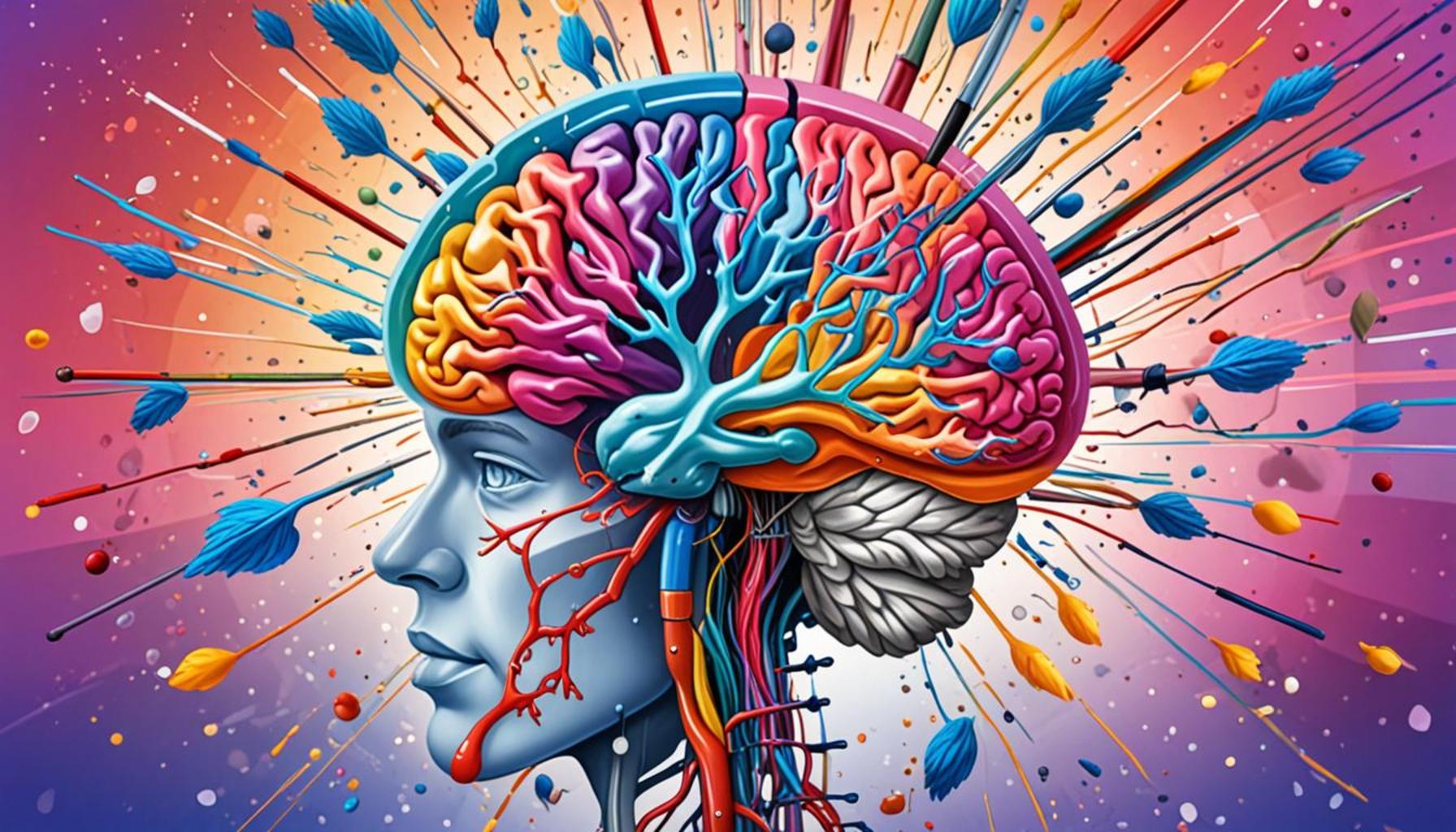
What happens to our brains when we engage in artistic expression? This intriguing question invites us to delve deep into the fascinating world of neuroscience and creativity. Recent studies show that art can dramatically influence how our minds work, enhancing emotional well-being and cognitive functions. Research indicates that artistic pursuits can serve as more than just a hobby; they can be instrumental in improving mental health and cognitive capabilities.
Consider the following insights about the impact of art on our brains:
- Neural Connectivity: Artistic activities stimulate various areas of the brain, enhancing connections and fostering neuroplasticity. For instance, when an individual paints or plays an instrument, multiple brain regions including those associated with vision, movement, and sound processing are activated. This stimulation promotes the creation of new neural pathways, ultimately enabling more effective learning and adaptation to new situations.
- Emotional Regulation: Engaging in art can lead to improved mood and reduced anxiety, as it serves as a powerful outlet for self-expression. Just consider the therapeutic effects of art therapy, which has been increasingly integrated into mental health treatment programs across the country. Patients often find that expressing themselves through drawing or sculpting can facilitate the exploration of their feelings and experiences, leading to profound emotional healing.
- Cognitive Growth: Hobbies such as painting, music, or dance stimulate creativity, which is essential for developing problem-solving skills. Studies have shown that children involved in music education demonstrate higher proficiency in math and logic compared to their peers. For adults, creative practices are linked to innovation in the workplace; research suggests that teams engaged in artistic brainstorming can uncover unique solutions to complex challenges.
In a society that often prioritizes logic and analysis, the role of artistic expression can be underappreciated. However, exploring its effects not only enriches our understanding of creativity but also enhances our personal and professional lives. For example, businesses that incorporate creative workshops or artistic team-building exercises often see increased employee satisfaction and productivity.
Join us as we unravel the complex relationship between art and the brain, discovering how our hobbies can ignite inspiration, transform minds, and enrich our lives. As we continue to navigate a world that is increasingly fast-paced and technology-driven, embracing artistic expression could very well be the key to nurturing a well-rounded, more resilient mind.
Unleashing the Creative Mind: Artistic Expression and Its Relation to Neuroplasticity
The interaction between artistic expression and neuroscience has captivated researchers for decades, revealing the remarkable ways in which creativity intertwines with brain function. Engaging in artistic hobbies, whether it be painting, drawing, or playing a musical instrument, has shown to catalyze complex neural processes that enhance our cognitive faculties. This exploration offers not just a glance into how we create, but also a deeper understanding of how these processes can be harnessed to enrich our daily lives.
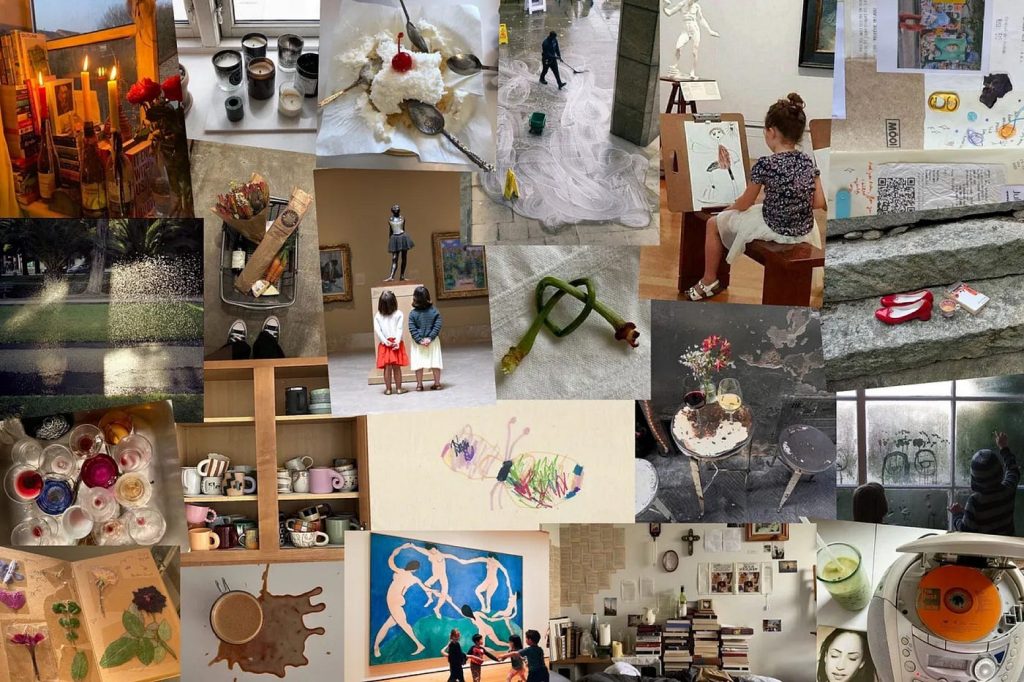
One of the key insights into this relationship lies in the concept of neuroplasticity. This term describes the brain’s ability to reorganize itself by forming new neural connections throughout life. Artistic activities are particularly effective at stimulating neuroplasticity, leading to enhanced brain functionality in several ways:
- Multi-Sensory Engagement: Engaging in art engages multiple senses simultaneously—sight, sound, and even touch. For example, a musician absorbs auditory stimuli while feeling the vibration of their instrument, leading to a comprehensive sensory experience. This kind of multi-sensory engagement promotes a greater level of brain activation, resulting in improved cognitive processing and information retention.
- Improvement in Memory: Studies suggest that the involvement in artistic hobbies can yield significant benefits in memory enhancement. Activities such as acting or dancing require memorization of lines or choreography, which strengthens both short- and long-term memory capabilities. In turn, this can be beneficial for older adults, providing a proactive approach to reducing the risk of cognitive decline.
- Stress Reduction and Enhanced Focus: Engaging in art allows individuals to express themselves without the confines of language, acting as a form of mindfulness. Research reveals that spending time on creative pursuits can reduce cortisol levels—this hormone is often linked to stress. Consequently, artistic expression can create a soothing effect, enhancing concentration and focus on tasks outside of the artistic realm.
Moreover, these cognitive improvements are not just limited to individual experiences; they can influence social interactions as well. Communities that prioritize artistic engagement often find that artistic expression fosters a sense of belonging and collaboration. This is especially pertinent in contemporary American society, where social isolation can be prevalent. Artistic programs in schools and community centers actively encourage collective creativity, enhancing social bonds and cultural understanding.
With these revelations, it becomes increasingly clear that artistic expression extends far beyond the canvas or stage—it holds the potential to transform our minds, enhance memory, promote emotional well-being, and evoke a more profound connection with others. As we cultivate our hobbies in art, we not only explore our creative sides but also engage in a powerful practice that could lead to an invigorated, more resilient brain. The next time you pick up a paintbrush or strum a guitar, consider not just the artistic outcome, but the profound neurological benefits that accompany your creative journey.
Art and Its Impact on Brain Function
Artistic expression profoundly influences our brain function, leading to enhanced cognitive abilities and emotional well-being. Engaging in creative activities, whether painting, sculpting, or playing music, activates various brain regions. This includes areas related to visual perception and emotional processing, which fosters a connection between creativity and neural development.Research indicates that participating in art can release neurotransmitters such as dopamine and serotonin, often referred to as the “feel-good” hormones. These chemicals not only improve mood but can also enhance one’s overall sense of creativity and motivation. Furthermore, studies suggest that artists often have a higher degree of neuroplasticity, allowing their brains to adapt and rewire in response to new experiences and challenges.
The Role of Art in Enhancing Creative Hobbies
Incorporating art into our hobbies significantly boosts creative thinking. Hobbies that involve a creative component, such as photography or DIY crafts, not only provide an avenue for self-expression but also encourage innovative problem-solving. This enhancement arises because artistic activities stimulate the brain’s default mode network, a system that supports imagination and spontaneous thought.Moreover, engaging in art can serve as a therapeutic outlet. It helps alleviate anxiety and stress, promoting mental health as people explore their thoughts and feelings through various media. Indeed, individuals who incorporate creative practices into their personal lives report higher levels of happiness and life satisfaction. As hobbies evolve into expressions of art, they not only represent personal interests but become a crucial component of holistic brain health.
| Category | Key Features |
|---|---|
| Cognitive Enhancement | Improves problem-solving and innovative thinking. |
| Emotional Well-being | Reduces anxiety, promotes happiness through creative expression. |
In summary, the symbiotic relationship between art and neuroscience highlights the necessity of integrating artistic pursuits into everyday hobbies for enhanced cognitive and emotional health. These findings open a doorway to new possibilities in understanding how creativity fuels not just our passions but our overall brain function.
The Emotional Landscape: Artistic Pursuits and Mental Health
The benefits of artistic expression extend beyond cognitive enhancements and delve deeply into the emotional and psychological realm. Engaging in creative activities has been shown to significantly improve emotional health, serving as a powerful therapy for various mental health conditions. For individuals living with chronic stress, anxiety, or depression, the act of creating art can be both a form of therapy and an outlet for self-exploration.
Research indicates that participation in artistic hobbies can lead to a marked reduction in symptoms of depression and anxiety. A study published in the American Journal of Public Health highlighted that adults who were involved in creative arts experienced a decrease in anxiety levels and improvements in overall mood. Engaging in artistic expression allows individuals to channel their emotions into something tangible, giving them a sense of control and purpose during times of turmoil.
- Art as Therapy: Art therapy is increasingly recognized as a valid therapeutic practice. Licensed art therapists use creative methods to help clients express feelings that are often difficult to verbalize. This treatment can facilitate healing and provide emotional insight, helping individuals to process trauma or grief. Numerous institutions, including hospitals and schools, have begun integrating art therapy into their programs, making creative outlets more accessible to those in need.
- Mindfulness Through Art: Many artistic activities encourage a state of flow, a mental state in which individuals are fully immersed in the moment, leading to increased mindfulness. Engaging in an art form allows the individual to focus intently on a specific task, similar to meditation, reducing excessive rumination and fostering a mindset conducive to relaxation and well-being. People in the U.S. are increasingly turning to mindfulness practices rooted in artistic expression as a means to combat the fast-paced pressures of modern life.
- Community and Connection: Artistic expression also promotes social connectedness, which is paramount for emotional health. Group activities like community theater, painting classes, or band practices encourage interaction and collaboration, providing individuals with a support system and a shared purpose. This communal aspect of art fosters a feeling of belonging, which can be crucial in combating feelings of isolation, especially in urban settings where loneliness can be pervasive.
Moreover, neuroscience has begun to unravel the intricate brain mechanisms involved in creative artistic expression when addressing emotions and mental health. Neuroimaging studies reveal that engaging in art activates regions of the brain associated with emotion regulation and social cognition, such as the prefrontal cortex and amygdala. These areas are crucial for processing feelings, managing stress, and promoting empathy towards oneself and others. Thus, participating in art not only alters the brain’s structure via neuroplasticity but also enhances emotional resilience.
For hobbyists and professionals alike, the potential of art to act as a healing force is profound. From local art classes to national art therapy initiatives, embracing creativity provides an invaluable opportunity for individuals to enhance their mental health and emotional well-being. As modern life becomes increasingly stressful and overwhelming, the allure of artistic pursuits offers a beacon of hope, inviting everyone to explore their artistic talents while simultaneously nourishing their minds.
Creating a New Narrative: The Synergy of Art and the Brain
In conclusion, the intersection of art and neuroscience reveals a remarkable synergy that profoundly influences both the brain’s architecture and our overall emotional health. As evidenced by numerous studies, engaging in artistic expression not only enhances creativity but also serves as a catalyst for emotional healing, offering therapeutic benefits for those grappling with mental health challenges. With mental health issues on the rise, particularly in a fast-paced society like the United States, the integration of artistic hobbies into daily life emerges as a critical avenue for fostering resilience.
The neurobiological insights gained from research highlight how artistic endeavors activate crucial areas of the brain, thereby facilitating emotional regulation and promoting social connections. As individuals engage in creative activities, they embark on a journey of self-discovery and expression that cultivates a sense of belonging and mindfulness. This is especially significant in today’s urban environments where isolation is a common experience.
Moreover, the rise of art therapy in healthcare settings underscores the growing recognition of art’s role in mental health treatment. Programs that encourage participation in community arts not only foster personal development but also enhance overall community well-being. As we continue to unravel the mysteries of the brain and its connection to creativity, it is clear that embracing our artistic impulses can lead to profound benefits, enriching both our individual lives and society at large.
Ultimately, exploring artistic expression offers a vital opportunity to reclaim joy, boost mental agility, and rejuvenate our emotional landscape in an age that often feels overwhelming. As we nurture our creativity, we cultivate a path towards a healthier mind and a deeper understanding of our complex emotional worlds. The journey into art is not merely a pastime; it is an essential practice that holds transformative potential for all.