Art and Sustainable Technologies: How Artistic Expression Can Promote Ecological Practices in Creative Hobbies
Artistic Expression Meets Sustainability
The intersection of creativity and ecology is becoming increasingly important as the world grapples with environmental challenges. Artists are using their platforms not just to showcase their work, but also to inspire sustainable practices in their communities. From recycled materials to eco-friendly techniques, the art world is evolving.
The Importance of Eco-Conscious Art
Art does more than just beautify; it has the potential to ignite change and influence public perception regarding environmental issues. Here are some key ways artistic expression promotes ecological practices:
- Awareness: Artists raise awareness about pressing environmental issues, such as climate change, pollution, and biodiversity loss. Through powerful visuals, they tell stories that resonate, urging viewers to recognize their role in the ecological crisis. For instance, the famed artist Olafur Eliasson often incorporates climate-related themes into his installations, compelling audiences to reflect on their impact on nature.
- Innovation: Creative thinkers in the art world are at the forefront of developing new technologies and methods that minimize waste and conserve resources. Projects such as Michael Reynolds’ Earthships showcase how creative architecture can utilize natural materials and solar energy, creating self-sufficient living spaces that make a significant environmental impact.
- Community Engagement: Collaborations between artists and local communities foster involvement in ecological initiatives. Events like the “City of Print” in Philadelphia engage community members to participate in the creation of public art, promoting recycling and community pride through shared artistic efforts.
Examples of Sustainable Artistic Practices
In the United States, numerous examples illustrate how art and sustainable technologies intersect, showcasing the innovative spirit of eco-conscious artists:
- Outdoor murals: Many urban environments have adopted the use of non-toxic paints in outdoor murals. Such projects not only beautify neighborhoods but also contribute to improving air quality and stimulating local economies. The “Walls for Change” initiative in Los Angeles has transformed graffiti-laden areas into vibrant art canvases that tell the stories of their communities.
- Art installations: Creatives like the “The Solar Fountain” in San Francisco are utilizing renewable energy sources to power their artworks. These installations not only highlight sustainable practices but also engage the public in an interactive experience that raises consciousness about energy use.
- Workshops: Various organizations host workshops teaching eco-friendly crafting techniques using reclaimed materials. The “Waste Not” project in New York City encourages participants to create art from discarded items, highlighting the potential of reusing materials and reducing waste.
As we delve deeper into these phenomena, the potential for purposeful art in fostering sustainability becomes more evident. With artists at the helm of this vital conversation, there is an evolving relationship between creativity and environmental stewardship. As we explore how integrating art with sustainable technologies can shape our approach to creative hobbies and ecological practices, it becomes clear that art has an indispensable role in promoting a greener future.
Harnessing Creativity for a Sustainable Future
The relationship between art and sustainable technologies serves as a vibrant canvas for change in ecological practices across various creative hobbies. By intertwining artistic belief systems with ecological responsibility, artists redefine the value of materials and the narratives they convey. The transformative power of art goes beyond visual aesthetics, acting as a catalyst for positive environmental impact and social engagement.
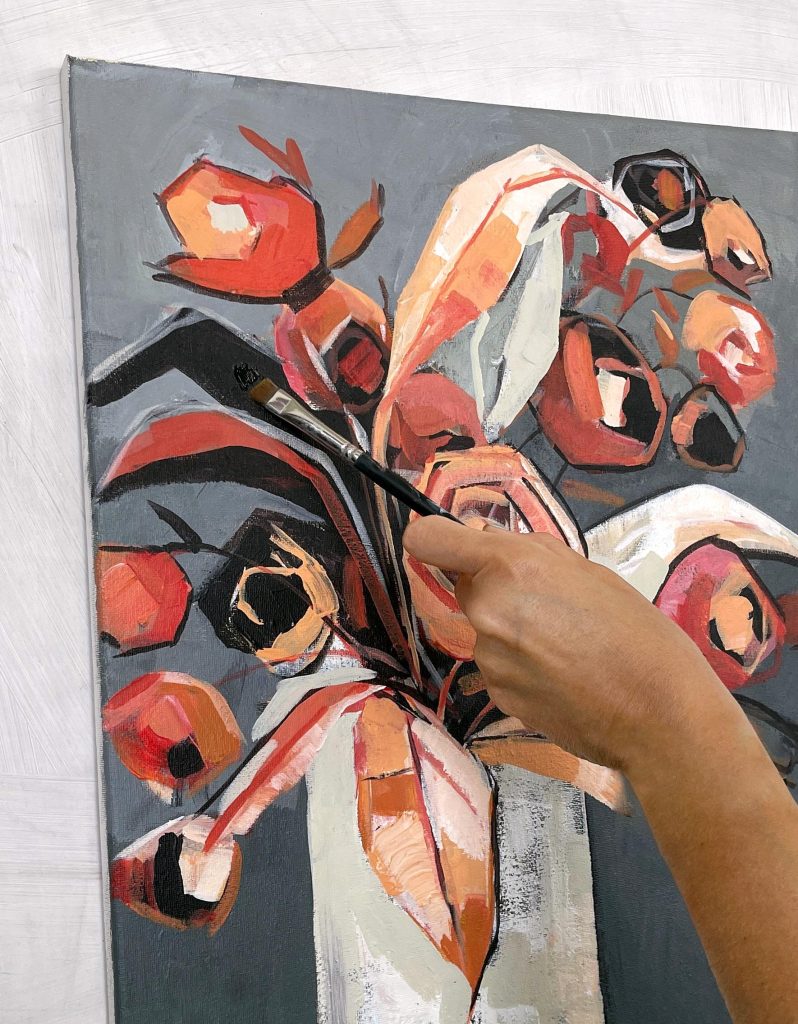
How Art Motivates Sustainable Creativity
The integration of artistic expression with sustainable practices can be understood through several motivational pillars that guide both artists and hobbyists. These pillars not only encourage eco-consciousness but also ensure the longevity of artistic endeavors:
- Resourcefulness: Artists are known for their ability to think outside the box, which extends into adopting resourceful art-making techniques. Upcycling, which involves repurposing waste materials into artistic creations, reduces waste while providing unique and original artworks. For example, artists crafting sculpture from old electronics demonstrate how discarded technology can find new life in unexpected forms.
- Sustainability Awareness: Creative practices that focus on sustainability raise awareness and educate participants on ecological issues. This can be seen in community art projects, such as environmental mural painting initiatives, that illustrate the impact of pollution and habitat destruction while involving local residents in creating meaningful imagery.
- Identity and Representation: Artists often reflect their cultures and values through their work, leading to a deeper understanding of the connection between identity and environment. In the United States, artists from indigenous communities are particularly notable for incorporating elements of their heritage to highlight ecological conservation efforts, connecting personal narratives with broader environmental themes.
As these motivations play a critical role in shaping artistic practices, they also pave the way for innovative projects that intertwine art and sustainability. This dynamic fusion opens doors to a variety of creative endeavors that promote environmental stewardship, while simultaneously providing opportunities for community engagement and education.
Art as a Tool for Environmental Activism
Artistic expression often serves as a powerful tool for activism, amplifying messages related to environmental justice and sustainability. In recent years, movements such as the Artivism movement—a blend of art and activism—have gained traction, demonstrating how art can address ecological issues and inspire community action. Works by contemporary artists highlight pressing issues such as climate change, deforestation, and ocean pollution, fostering a collective consciousness and instigating dialogue around these urgent matters.
For example, acclaimed artist Christo and his team created monumental installations, like “The Gates” in Central Park, that drew attention to urban spaces while encouraging viewers to engage with their surroundings more thoughtfully. Such efforts encapsulate how art can provoke thought, spike curiosity, and evoke a sense of responsibility regarding our planet’s ecological health.
Through these innovative approaches, the potential for art and sustainable technologies to coalesce continues to grow. As we explore further how artistic expression can drive ecological practices in creative hobbies, we uncover a world where creativity not only thrives but also preserves the environment for future generations.
Exploring Intersections between Art and Ecology
Artistic expression not only serves as a medium of creativity but also acts as a powerful tool in addressing ecological concerns. By integrating sustainable technologies into creative hobbies, artists and enthusiasts can promote ecological practices that resonate deeply with today’s pressing environmental challenges. One significant aspect of this synergy is the incorporation of eco-friendly materials in art projects. Artists are increasingly utilizing recycled, biodegradable, or sustainable resources such as bamboo, recycled paper, and natural pigments derived from plants. This shift towards using sustainable materials not only reduces environmental impact but also educates the public about the importance of thoughtful consumption and resourcefulness.Moreover, the act of creating art can foster an emotional connection to the environment. Artistic engagement often leads to a deeper appreciation of nature, inspiring individuals to adopt more eco-conscious lifestyles. For instance, community art installations made from trash or litter can transform waste into a powerful social commentary about pollution, encouraging viewers to rethink their relationship with consumption and waste.
Community Engagement and Environmental Awareness
Another notable advantage of merging art with sustainable practices is the potential for community engagement. Art workshops or eco-art festivals can unite individuals with a shared interest in creativity and environmentalism. These events provide participants with hands-on experiences that highlight the importance of sustainability. They create a platform for dialogue about ecological issues and inspire collective action towards a greener future.Furthermore, the use of art for activism highlights pressing ecological issues. Murals or sculptures that depict themes such as climate change, deforestation, or biodiversity loss serve to inform and provoke thought among communities. Through visual storytelling, artists can engage audiences, compelling them to consider not only the beauty of nature but also the necessity of its preservation.In summary, the marriage of art and sustainable technologies offers a multitude of benefits that encourage healthy interactions between creativity and the environment. By fostering awareness and inspiring action, artistic expression becomes a catalyst for meaningful change in our approach to ecological practices.
| Advantages | Description |
|---|---|
| Increased Awareness | Artistic expression acts as both a medium and a message, raising public consciousness on urgent ecological issues. |
| Community Building | Engaging in art-related eco-initiatives fosters connections among enthusiasts, creating stronger community ties and collective action. |
| Sustainable Practices | Utilizing recycled or renewable materials promotes sustainable habits that encourage responsible consumption. |
Innovations in Sustainable Art Practices
The intersection of artistic expression and sustainable technologies presents rich opportunities for innovation and experimentation. As artists increasingly embrace eco-friendly materials and methods, the realm of creative hobbies transforms into a source of inspiration and a platform for advocating for sustainability. Innovative practices not only contribute to ecological preservation but also challenge traditional perceptions of art itself.
Eco-Conscious Materials and Techniques
One of the most significant trends in sustainable art is the growing use of eco-conscious materials. Many artists are now exploring plant-based paints, biodegradable glues, and organic textiles, which minimize negative environmental impacts. For example, natural pigments derived from fruits, vegetables, and minerals offer vibrant color alternatives to synthetic paints, further aligning artistic practices with ecological values.
Moreover, advancements in sustainable technologies, such as 3D printing with recycled plastics, create new avenues for artistic exploration. Artists can design and produce intricate sculptures or functional art pieces while utilizing materials that would otherwise contribute to landfill waste. This realignment of purpose allows artists to engage directly with issues such as consumption and waste management, as well as to create artworks that foster discourse on sustainability.
Collaborative Community Projects
Community-based art projects serve as powerful means of encouraging participation in sustainable practices and fostering local unity. Collaborative initiatives often focus on environmental themes, such as community gardens, pollution clean-ups, or public art installations aimed at raising awareness of ecological issues. These joint efforts not only educate participants about sustainability but also promote inclusivity and shared responsibility.
For instance, the Earth Day Network coordinates global art projects that invite individuals and communities to express their commitment to environmental stewardship through creative endeavors. Participants utilize various mediums, from painting mural messages about climate change to creating sculptures from ocean debris, turning environmental advocacy into an enriching artistic journey.
Art in the Digital Age
The advent of digital technologies has also transformed how artists communicate messages about sustainability. Through the creation of digital art, virtual reality installations, and interactive experiences, artists can reach broader audiences and inspire change through immersive storytelling. For example, a virtual reality experience that simulates the effects of climate change on various ecosystems can evoke empathy and provoke emotional responses, leading to a heightened awareness of environmental issues.
Furthermore, social media platforms have become essential tools for artists to amplify their sustainability messages and connect with like-minded individuals. Artists can share their processes, showcase eco-friendly practices, and cultivate communities centered around sustainability—all while inspiring others to adopt similar approaches in their creative hobbies.
As these innovative approaches demonstrate, the potential for art and sustainable technologies to intertwine is immense. By utilizing new materials, implementing community initiatives, and embracing digital platforms, artists can enrich their creative practices while promoting ecological consciousness.
Conclusion: The Power of Art in Advancing Sustainability
In a world increasingly aware of environmental challenges, the fusion of art and sustainable technologies offers a unique and impactful pathway for promoting ecological practices. Artistic expression—whether through community projects, innovative use of eco-friendly materials, or digital installations—serves not only as a medium for creativity but also as a catalyst for environmental awareness. By creatively engaging diverse audiences, artists can communicate complex ecological messages, making sustainability more accessible and emotionally resonant.
The exploration of eco-conscious materials and sustainable techniques in art not only signifies a shift in traditional practices but also fosters a deeper understanding of our relationship with the environment. Through collaborative efforts, communities can unite under the mission of sustainability, transforming shared spaces into platforms for dialogue and action against ecological degradation.
Furthermore, the digital age amplifies this potential by enabling artists to reach broader audiences, creating immersive experiences that spark curiosity and compassion for the planet. As more individuals participate in creative hobbies that align with sustainability, they build a culture of responsibility and innovation, challenging others to reconsider their own practices.
Ultimately, art’s role in advancing ecological awareness is profound and multifaceted. As emerging artists and hobbyists continue to innovate, the art world will undoubtedly play a pivotal role in inspiring environmental change, shaping future generations to embrace sustainability as an inherent aspect of creativity. Engaging with this movement not only enriches our lives but also ensures the protection of our planet for generations to come.