Art as a Means of Activism: Exploring Artistic Expression in Contemporary Social Movements
Exploring the Impact of Art on Social Change
In an age where societal issues dominate headlines, art emerges as a powerful medium for activism. From street murals to performance art, artists across the United States are harnessing creative expression to advocate for change. This dynamic relationship between art and activism plays a key role in shaping public discourse on critical issues, making art a beacon of hope and inspiration in a turbulent world.
The Role of Artistic Expression
Artistic expression fosters engagement and amplifies voices often marginalized in society. Artists utilize various forms of media, including:
- Visual Art: Murals and installations that confront social injustice, like the iconic “Black Lives Matter” mural in Washington, D.C., or the installations created for climate protests, visually arguing for immediate action. These pieces not only beautify urban environments but also serve as poignant reminders and calls to action.
- Music: Songs that inspire movements and rally communities, such as Kendrick Lamar’s “Alright,” which has become an anthem for the Black Lives Matter movement, reflecting the struggles and resilience of Black communities. Similarly, folk and protest songs from the 1960s, like Bob Dylan’s “The Times They Are A-Changin’,” have shown the timeless nature of music as a unifying force for social change.
- Theatre: Performances that challenge norms and provoke thought. Plays such as “The Vagina Monologues” and “Hamilton” illustrate how live performances can spark discussion around gender rights and racial inequality, making complex topics accessible and engaging through storytelling.
Each of these forms has the potential to resonate deeply with audiences, encouraging them to reflect and act. The intersectionality of contemporary social movements reveals the profound impact art can have on issues such as:
- Racial Equality: Artistic endeavors often highlight the injustices faced by minority communities, making their experiences relatable and urgent for a wider audience.
- Climate Change: Artists like Olafur Eliasson use installations to provoke conversations about environmental issues, inviting viewers to rethink their relationship with nature.
- Gender Rights: Through various artistic expressions, women’s rights movements gain visibility, illustrated by campaigns like “He for She,” which leverage art to change perceptions and foster allyship.
In this exploration of art as a means of activism, we uncover how artists are not only documenting struggles but are also vital participants in shaping the future. Understanding this synergy opens avenues for dialogue and action, allowing communities to unite and progress toward a more just society. Engaging with art in this way can lead to greater awareness, empathy, and ultimately, a transformative approach to the pressing issues of our time.
Art’s Transformative Power in Social Movements
Art as a means of activism has been instrumental in giving voice to the underrepresented, challenging societal norms, and inspiring collective action. In contemporary social movements, art serves not only as a reflection of shared struggles but also as a catalyst for change. By employing innovative methods, artists have captured the essence of complex social issues, making them more relatable and accessible to the broader public. This section delves into the various ways art enhances activism, enriching formats that amplify messages of hope, resistance, and unity.
Visual Art’s Role in Activism
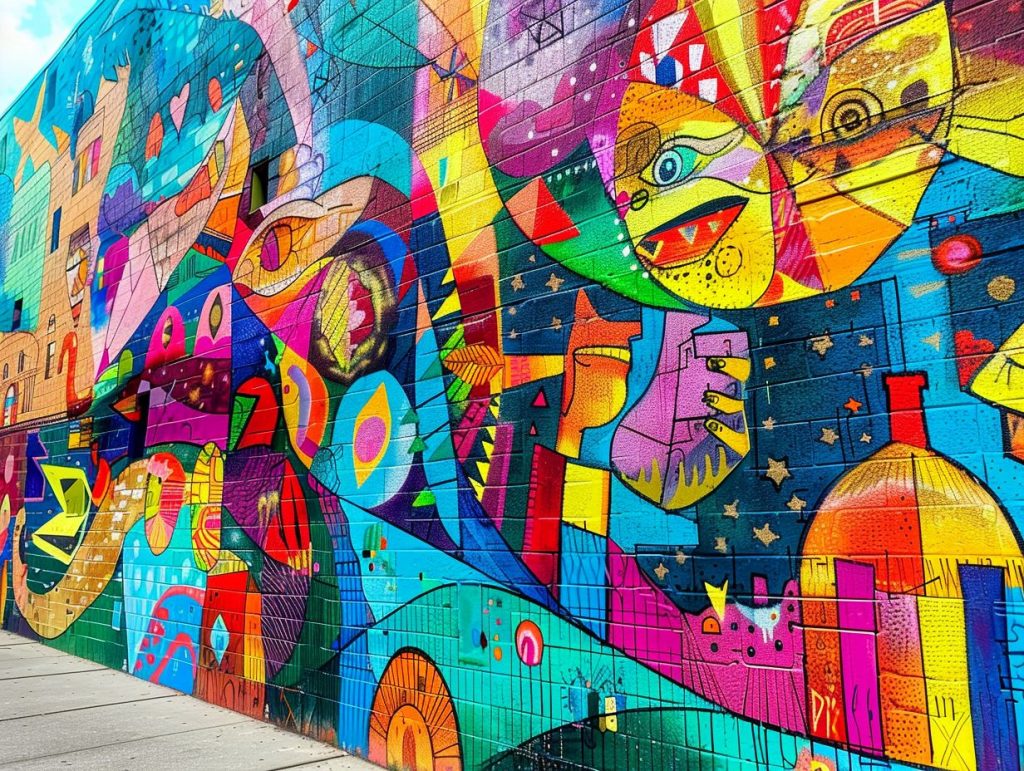
The realm of visual art stands as a cornerstone of artist-led activism. Large-scale murals, graffiti, and installations have become widespread in urban landscapes. For instance, the global response to racial injustice has seen street art emerging as a vital means to express solidarity and demand reform. In cities from New York to Los Angeles, murals depicting influential leaders like Martin Luther King Jr. and contemporary icons such as George Floyd serve not only as memorials but as ongoing dialogues about race and inequality. These vibrant expressions resonate with passersby, prompting introspection and conversation.
Additionally, art installations often invite viewers to immerse themselves in experiences that provoke thought and emotion. Take the work of artist Olafur Eliasson, whose installation “Your Concern Is Urgent” at the 2019 Venice Biennale sought to transform the viewer’s perception of climate change. His immersive pieces combined natural elements and social commentary, encouraging participants to rethink their roles in environmental activism. Such artistic endeavors engage audiences on deeper emotional levels that stark statistics sometimes fail to achieve.
Music: The Heartbeat of Activism
Music has long played a pivotal role in mobilizing social movements. From civil rights protests to modern environmental campaigns, songs have been anthems of solidarity, resistance, and change. An excellent example is the significant impact of Kendrick Lamar’s “Alright,” which resonated deeply within the Black Lives Matter movement. Its lyrics encapsulate the struggles of marginalized communities while offering a message of hope and resilience. This song not only provides encouragement during protests but also sparks conversations about systemic racism and social inequality.
Furthermore, the influence of folk and protest songs from the past continues to inspire contemporary artists. Modern musicians often draw on the legacies of giants like Joan Baez and Bob Dylan, who used their platforms to foster awareness around issues like war and injustice. The ongoing connection between tradition and modernity in music ensures that activist songs remain a vital medium for voicing dissent and rallying support.
Theatre’s Provocative Narratives
Theatre, too, plays a crucial role in bridging the gap between activism and art. It brings stories to life and presents narratives that challenge societal structures. Productions like “The Vagina Monologues” by Eve Ensler have garnered immense attention, shedding light on women’s rights and sexual violence. Such performances not only inform audiences about critical issues but also empower individuals to engage in activism by prompting them to confront hard truths.
In essence, through a diverse array of artistic expressions, the intersection of art and activism becomes a rich tapestry depicting the struggle for a better world. By blending creativity with advocacy, artists not only enhance public discourse but also galvanize communities to unite for meaningful change. Exploring these artistic avenues remains essential in understanding the lasting impact of art on social movements today.
Art as a Catalyst for Change
Art has long been intertwined with activism, influencing social movements and enabling voices that have been historically marginalized. As society grapples with issues such as racial injustice, climate change, and gender equality, artists are stepping forward to create powerful works that not only reflect societal concerns but also spur action. The use of visual arts, music, and performance as tools for activism serves multiple purposes. Firstly, art encapsulates complex emotions and transcends language barriers, making it a universally accessible medium. This inclusivity allows artists to communicate urgent messages in impactful ways, inviting participation from diverse audiences. For instance, murals portraying systemic inequalities visibly alter public spaces and incite dialogue, drawing attention to pressing social issues.Additionally, the integration of art into protest movements can amplify digital activism, leveraging social media to spread awareness and mobilize support. The viral nature of art-related campaigns—whether through striking imagery, empowering hashtags, or video content—demonstrates art’s capacity to reach millions, often leading to tangible societal change.Moreover, art can foster solidarity among activists by creating a shared identity, providing a soundtrack to protests, or visual documentation of movements. For example, the song “This Is America” by Childish Gambino challenges audiences to confront systemic racism, while also becoming an anthem for a new generation pushing for equity.The relationship between art and activism continues to evolve, showcasing the transformative power of artistic expression in contemporary social movements. Raising awareness through artistic means not only humanizes issues but also inspires collective action—a testament to the enduring legacy of art as a vehicle for social dissent and reform.
| Art Medium | Impact on Activism |
|---|---|
| Visual Arts | Transform spaces and invoke public dialogue around social issues. |
| Music | Amplifies messages of resistance and fosters community identity among activists. |
| Performative Arts | Creates immersive experiences that encourage emotional connections to social issues. |
Engagement through art not only sparks awareness but also challenges the status quo, demonstrating the vibrant intersection of creativity and activism. With each brushstroke, lyric, and performance, artists contribute to a narrative that transcends traditional boundaries, inspiring future generations to stand for change through the power of artistic expression.
The Impact of Digital Art and Social Media on Activism
In the digital age, the fusion of art and activism has expanded significantly through the power of social media and online platforms. Artists are now utilizing these tools to create and disseminate their messages, reaching a global audience almost instantaneously. The rise of digital art has transformed traditional notions of creativity, allowing for diverse expressions that capture contemporary social issues, from climate change to racial injustices.
Memes: The Language of the Internet Generation
Among the various forms of digital art, memes have become a prevalent means of engagement within social movements. These succinct and often humorous images convey complex messages quickly, making them easily shareable among different demographic groups. The use of memes during the Women’s March and the Black Lives Matter protests illustrates how they can encapsulate powerful themes of resistance and solidarity. For instance, the viral meme “We’re All in This Together” showcased unity during the COVID-19 pandemic while concurrently addressing systemic inequalities exacerbated by the health crisis.
The digital nature of memes encourages rapid circulation, enabling them to influence public opinion and mobilize individuals for grassroots action. Such creativity in activism helps draw attention to critical issues that may otherwise be overlooked in mainstream media. Additionally, the accessibility of creating memes democratizes voice, making it possible for anyone with internet access to partake in the discourse around social justice.
Virtual Reality and Activism
Emerging technologies such as virtual reality (VR) are redefining the landscape of activism in breathtaking ways. Artists and activists are leveraging VR to create immersive experiences that allow audiences to viscerally encounter social issues. For example, the project “The 360° VR Experience” produced by the arts organization Documentary Now! highlights the lives of families affected by the refugee crisis. Through this technology, viewers become part of these narratives, fostering empathy and deeper understanding of challenges faced by displaced individuals.
The unique capability of VR to evoke emotional responses makes it a potent tool for raising awareness. This medium enhances traditional storytelling by adding dimensions that encourage reflection, prompting viewers not only to comprehend issues intellectually but also to experience them emotionally. Such experiences can result in heightened engagement and compel viewers to take action beyond the digital realm.
Collaborative Art Projects: A Collective Voice
Another significant mode of artistic activism is through collaborative art projects, where community members unite to express shared experiences and aspirations. Initiatives like the Street Art Project or collective mural paintings in neighborhoods around the country forge connections among participants and promote local pride. These projects often address pressing issues like gentrification, environmental degradation, and social injustices, amplifying the voices of those who may feel marginalized or unheard.
For example, the “Mending Walls” project in Richmond, Virginia, showcases partnerships between artists and individuals from varying backgrounds to collaboratively create murals that reflect their diverse stories. Each mural tells a story of struggle and resilience, blazing a trail for dialogue and understanding within the community. Such collective efforts exemplify how art can bridge divides and forge unity, demonstrating the interconnectedness of individual experiences in the fight for social justice.
As the art world continues to evolve in tandem with contemporary social movements, exploring the multifaceted relationship between creativity and activism reveals how powerful expressions can ignite change and foster hope. Artistic mediums, both traditional and modern, are crucial in raising awareness, challenging injustices, and inspiring individuals to take part in the ongoing quest for a more equitable world.
Conclusion: The Transformative Power of Art in Activism
The intricate relationship between art and activism has proven to be a dynamic force in contemporary social movements, shaping perceptions, mobilizing communities, and challenging the status quo. As this article has explored, artistic expression transcends mere aesthetic appeal; it serves as a vital instrument for advocating justice, promoting equality, and fostering dialogue. From meme culture that easily captures the zeitgeist of our times to immersive experiences facilitated by virtual reality, the digital age has expanded the boundaries of how we engage with critical issues.
Moreover, collaborative art projects offer a unique platform for individuals to unite their voices, reflecting shared struggles while forging a sense of community. This collective creativity not only empowers marginalized groups but also invites broader societal participation, making activism accessible and relatable. Artistic endeavors have the potential to inspire feelings of empathy, provoke thought, and usher in societal change through provoking conversations around pressing matters such as racial justice, environmental sustainability, and human rights.
As we move forward, it is essential to recognize the profound implications of integrating art into activism. By embracing new mediums and respecting the transformative potential of artistic expression, we can cultivate a more inclusive dialogue, ensuring that diverse voices resonate in the quest for a more equitable future. This ongoing symbiosis between art and activism encourages all of us to engage with our surroundings critically and creatively, reminding us that through collective artistic expression, profound change is not only possible but achievable.