Menu

The role of art in education: how creative hobbies can be tools for learning and personal development

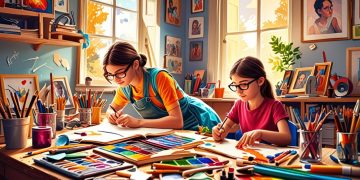
Art significantly enhances education by fostering critical thinking, emotional intelligence, and social skills. Engaging in creative hobbies like painting or theater promotes personal development and academic success, while also preparing students for future challenges. Integrating art into curriculums is essential for holistic learning and lifelong resilience.

Exploring Different Forms of Artistic Expression: Painting, Sculpture, and Performance as Creative Hobbies

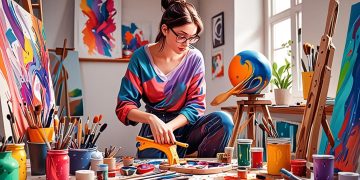
Artistic expression through painting, sculpture, and performance offers vibrant avenues for creative exploration and personal growth. These hobbies enhance emotional well-being, foster community connections, and encourage self-discovery, making art a transformative tool for understanding the human experience and bridging cultural gaps. Unlock your creativity today!

The influence of art on mental health: how artistic expression can be therapeutic

Artistic expression serves as a transformative tool for mental health, promoting emotional well-being through various creative outlets. From stress reduction to fostering community connections, art therapy offers individuals pathways for healing, self-discovery, and resilience, proving vital in enhancing mental wellness across all demographics.

The Renaissance of Handicraft: The Rediscovery of Traditional Techniques in a Digitalized World

The article explores the revival of traditional handicraft techniques in a digitalized world, highlighting artisans' efforts to merge sustainability with craftsmanship. It emphasizes the cultural shift towards handmade artistry, fostering connections between makers and consumers while promoting authenticity and community engagement amidst mass production's dominance.

The art of storytelling: how visual narrative can transform creative hobbies into engaging experiences

Visual storytelling transforms creative hobbies by enhancing emotional connections and fostering engagement. By integrating personal narratives and visual techniques, creators can elevate their projects into immersive experiences. This dynamic approach not only captivates audiences but also encourages meaningful dialogues around art, self-expression, and cultural reflections.

The Influence of Music on Writing: How Melodies and Lyrics Can Inspire Stories

Music profoundly influences writing by evoking emotions, inspiring themes, and enhancing narrative flow. Writers can harness melodies and lyrics to enrich their storytelling, allowing music to shape character development and setting. This creative synergy unlocks new dimensions, creating deeper connections for readers and enriching the overall narrative experience.

Free Writing: Creative Unlocking Techniques to Overcome the Fear of the Blank Page

Facing the fear of the blank page can paralyze writers, but creative unlocking techniques like free writing, prompts, and timed sessions can reignite inspiration. These methods allow thoughts to flow freely, reduce anxiety, and enhance creativity, transforming writing into an exciting journey rather than a daunting task.

The evolution of digital art: how new technologies are transforming artistic expression and creative hobbies

Digital art has evolved into a leading form of creative expression, driven by advancements like graphics tablets, VR, and AR. These technologies enhance artistic techniques, democratize creativity, and foster vibrant online communities. As new economic models and non-traditional spaces emerge, artists reimagine their work, making art more accessible and interactive than ever.

The Intersection of Literature and Fashion: How Styles and Trends Can Inspire Creative Narratives

Fashion and literature intertwine, creating a rich dialogue that shapes narratives and influences trends. Clothing defines characters and reflects societal values, allowing readers to engage deeply. This ongoing relationship inspires innovative storytelling and encourages exploration of identity, culture, and the dynamic impact of styles and fashion in literature.

The importance of community art: how collaborative projects promote artistic expression and social cohesion

Community art projects are essential for promoting artistic expression and social cohesion. By fostering collaboration among diverse individuals, these initiatives strengthen community bonds, encourage dialogue, and address social issues. Through murals, workshops, and performances, community art enhances cultural understanding while empowering local voices and inspiring meaningful change.