Menu

How Learning Rhythms and Beats Can Stimulate Creativity and Motor Coordination

Embracing rhythms and beats enhances creativity, motor coordination, and cognitive development. Engaging with music and rhythmic activities fosters neuroplasticity, boosts focus, and improves emotional expression. Integrating rhythmic learning in various environments promotes collaboration, making it a vital tool for personal growth and innovative thinking in today’s fast-paced world.

The Impact of Musical Improvisation on the Development of Self-Confidence

Musical improvisation serves as a transformative tool for enhancing self-confidence by fostering creativity, encouraging risk-taking, and promoting social interaction. Through individual and collaborative experiences, musicians develop resilience and self-expression, ultimately boosting their self-esteem and personal growth within supportive communities.

How Composing Music Can Stimulate Critical Thinking and Problem-Solving

Composing music significantly enhances critical thinking and problem-solving abilities by integrating creativity and analytical skills. The process encourages strategic decision-making, emotional intelligence, and collaborative dialogue, fostering resilience and innovative thinking. Engaging in music creation cultivates essential cognitive skills, benefiting individuals in various academic and professional contexts.

The Connection between Music and Mathematics: Developing Logical Skills Through Music Study

This article explores the profound connection between music and mathematics, showcasing how music study enhances logical skills, critical thinking, and problem-solving abilities. Engaging with rhythms, patterns, and compositions not only nurtures creativity but also strengthens mathematical reasoning, making a compelling case for integrating music education into academic curricula.

Techniques of Traditional Craftsmanship: Reviving Ancestral Skills and Knowledge

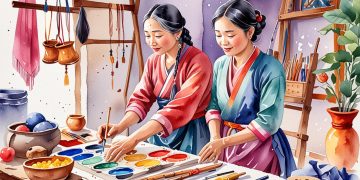
The article explores the revival of traditional craftsmanship techniques, highlighting the significance of ancestral skills and cultural heritage. As artisans embrace sustainable practices and modern adaptations, they create unique, meaningful products that strengthen community ties and promote environmental responsibility, celebrating the intricate stories behind handmade artistry.

International Crafts: Exploring Techniques and Styles from Different Cultures

Explore the rich tapestry of international crafts, showcasing diverse techniques and styles that reflect cultural heritage and community identity. From Japanese origami to African beadwork, each handcrafted piece tells unique stories, fostering appreciation of artistry and promoting intercultural connections while preserving traditional skills across cultures.

The Evolution of Handicrafts: Modern Trends and Innovations in the World of Creation

The evolution of handicrafts blends traditional techniques with modern trends and innovations, embracing sustainability, digital tools, and customization. Artisans are reshaping their crafts through technology and community engagement, fostering a renewed appreciation for handmade goods that celebrate culture and creativity in today's interconnected world.

The Influence of Musical Games on the Learning of Artistic Skills in Children

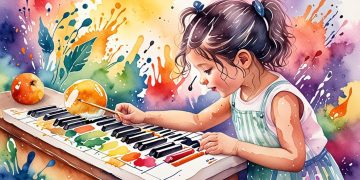
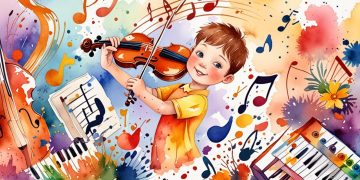
Musical games significantly influence the development of artistic skills in children, enhancing creativity, fine motor skills, and emotional expression. These engaging activities foster cognitive growth and social skills, creating a holistic approach to artistic learning. Integrating music into creative education nurtures innovative thinkers and well-rounded artists.

The Impact of Music on Creativity in Work and Innovation Environments

Music significantly influences creativity in work and innovation environments by enhancing mood, improving focus, and stimulating collaborative thinking. By strategically incorporating various musical elements, organizations can foster a culture of innovation, reduce stress, and boost productivity, ultimately unlocking their teams' full creative potential for greater success.

The Interaction Between Music and Dance: Developing Motor and Creative Skills

The article delves into the vital connection between music and dance, highlighting their role in developing motor and creative skills. Engaging with these art forms enhances physical coordination, cognitive abilities, and emotional expression, fostering holistic personal growth and cultivating essential life skills in individuals across different age groups.