Craft and Well-Being: The Therapeutic Impact of Handicraft on Mental Health
The Therapeutic Effects of Crafting
In a fast-paced world filled with digital distractions, the allure of handicrafts continues to resonate deeply. Engaging in creative activities not only fosters personal expression but also serves as a profound tool for enhancing mental well-being. Recent studies shed light on the significant therapeutic effects that crafting can yield, unveiling a treasure trove of benefits that come from dedicating time to create.
- Stress Reduction: Crafting activities such as knitting, painting, or pottery can lower stress levels significantly. For instance, a research study conducted by the Journal of Positive Psychology found that participants who knitted for just 30 minutes experienced measurable decreases in anxiety. The repetitive motions involved in knitting or sewing can induce a meditative state, akin to mindfulness practices.
- Mindfulness Practice: Many individuals find that focusing on intricate tasks promotes a state of mindfulness. Engaging with the tactile sensations of materials, such as the smoothness of clay or the texture of fabric, helps to ground individuals in the present moment. This focus can be particularly beneficial for those struggling with racing thoughts or anxiety, creating a peaceful oasis away from life’s chaos.
- Social Connectivity: Group crafting sessions can foster social bonds, reducing feelings of isolation. Activities like quilting bees or community paint nights not only provide an opportunity to create but also encourage connection and conversation. This social aspect is critical, especially for individuals who may feel disconnected or lonely—a common obstacle in today’s society.
Evidence suggests that these activities stimulate the brain, leading to improved mood and greater satisfaction in life. A 2020 report from the American Psychological Association noted that dedicated crafting can enhance neuroplasticity, the brain’s capacity to form new connections. For many, handicrafts offer a refuge from daily stressors, transforming negative emotions into creative outputs. This transformation often leads people to rediscover passions they might have set aside during busier times in their lives.
As we delve further into the therapeutic impact of crafts, it’s essential to recognize the various outlets available. From quilting bees in rural America, which often evolve into social gatherings, to pottery classes in bustling urban areas where creativity flows freely, the benefits of creating with one’s hands are backed by a growing body of research. Even DIY craft kits available in local stores provide an accessible entry point for individuals wishing to explore their crafty side.
In conclusion, engaging in handicrafts can be a gateway to improved mental health and overall well-being. By embracing these hands-on activities, individuals not only cultivate their artistic talents but also harness a powerful means of self-care. So whether it’s through joining a local crafting group or exploring solo projects at home, inspirational journeys abound for those willing to pick up a needle, brush, or roll of clay. Embrace the craft—your mental health may just thank you for it!
Exploring Different Craft Disciplines
The therapeutic potential of crafting extends across a diverse array of disciplines, each offering unique benefits tailored to different needs and preferences. From the soothing rhythm of crochet to the expressive freedom found in painting, various crafts can act as conduits for emotional release, aiding in the management of stress, anxiety, and even depression. Understanding the nuances of these crafting activities can empower individuals to select the right outlet for their mental well-being.
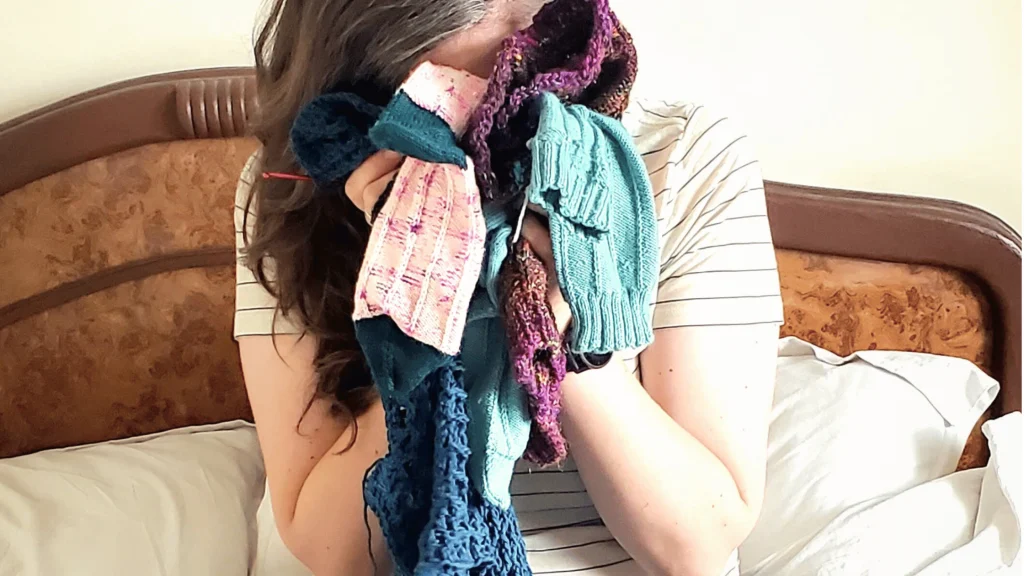
Some of the most popular crafts associated with positive mental health impacts include:
- Knitting and Crocheting: These fiber arts have retained a loyal following for good reason. The rhythmic nature of creating stitches can produce a calming, meditative effect. Research from the University of Sussex supports this, indicating that engaging in knitting can reduce stress levels by up to 68%. The portability of these crafts also allows individuals to take their projects anywhere, making it easy to incorporate moments of creativity into a busy day.
- Painting and Drawing: Color therapy, utilized through artistic expression, has been shown to evoke emotional responses and reduce feelings of despair. A 2016 study indicated that art therapy could significantly improve psychological well-being. The act of laying down colors on canvas fosters a visual dialogue, encouraging individuals to articulate emotions they may struggle to express verbally.
- Pottery and Ceramics: Working with clay is particularly influential in grounding oneself in the present moment. The tactile experience of molding clay can manifest feelings of connection to the earth and one’s body. A study published in the journal Art Therapy revealed that participants in pottery classes experienced enhanced mood and lowered levels of stress after just a few sessions.
- Scrapbooking and Journaling: Combining creativity with the written word, these activities not only allow for personal expression but also serve as a form of reflection. Documenting thoughts and memories can clarify one’s emotions, providing a therapeutic outlet for processing life events and experiences.
The versatility of crafting means that there is likely an activity that resonates with nearly everyone. Engaging in handicrafts not only contributes to personal enjoyment but also facilitates emotional exploration and resilience. As we delve deeper into the benefits of crafting, it’s essential to highlight that the process often supersedes the finished product. The journey of creation itself becomes a crucial part of the therapeutic experience, allowing individuals to focus less on perfection and more on personal fulfillment.
Additionally, exploring local workshops or online classes can serve as an excellent way to discover a new passion. For example, many communities across the United States host ceramics evenings or painting parties that bring together enthusiasts and novices alike, creating safe spaces for self-expression.
In essence, each craft serves as a colorful thread woven into the broader fabric of mental health. The choices are abundant, and the benefits are profound. Engaging in hands-on activities encourages individuals to connect with their emotions, release pent-up stress, and, ultimately, cultivate a sense of well-being. The exploration of crafting not only enriches the individual but can also strengthen connections within communities, fostering collective support in the journey toward mental well-being.
| Advantage | Description |
|---|---|
| Enhanced Mindfulness | Engaging in handicrafts encourages individuals to focus entirely on the task at hand, fostering a state of mindfulness that helps alleviate anxiety and promotes emotional regulation. |
| Creativity Boost | Handicrafts allow for personal expression and creativity, leading to increased self-esteem and a sense of accomplishment, which are vital for mental well-being. |
Exploring the therapeutic impact of handicraft on mental health reveals profound psychological advantages. For instance, enhanced mindfulness, achieved through the rhythmic motions of crafting, can create a meditative state that diminishes stress and anxiety levels. Studies have shown that when individuals focus their attention on creating something tangible, they can escape the overwhelming pressures of daily life. This allows the mind to reset, offering a refreshing break that uplifts the spirit.Additionally, the act of making something with one’s hands enhances creativity. Engaging with various materials can unlock new ideas and perspectives, leading to innovative self-expression. This creative outlet not only bolsters self-esteem, but it also serves as a significant coping mechanism that aids in managing complex emotions and experiences. Through the rich tapestry of handicrafts, individuals discover a revitalizing path to mental health, underscoring the importance of art in our lives.
Crafting as a Community Connector
Beyond the individual benefits of crafting, there exists a profound impact on community dynamics and social well-being. Engaging in handicrafts often creates opportunities for connection, fostering relationships that can serve as lifelines for mental health. Group crafting initiatives, workshops, or clubs encourage collaboration and interaction among participants, which can combat feelings of isolation that frequently accompany mental health challenges.
Local craft fairs and community centers offer a range of events where people can unite over shared interests. For instance, organizations like the Craft in America initiative highlight the importance of crafts in cultural identity and community bonding. They encourage participation in various artistic endeavors and workshops that celebrate regional heritage. Such programs not only promote skill development but also create networks of support among participants.
Research suggests that the benefits of social crafting extend even further. A study published in the journal Psychology of Aesthetics, Creativity, and the Arts indicated that group-based crafting can enhance feelings of belonging and reduce symptoms of anxiety. This is particularly relevant in organized events like knitting circles or community quilting bees, where participants can share personal stories and life experiences while creating together. The combination of crafting and conversation serves as a powerful therapeutic mechanism, enabling individuals to confront emotional burdens in a supportive environment.
Workshops and Support Groups: Many mental health organizations incorporate crafting activities as part of therapy programs. For example, the American Art Therapy Association advocates for the use of art and crafts in therapeutic settings, where trained professionals guide participants through the creative process while addressing mental health issues. These workshops provide a structured yet flexible format for engagement, allowing individuals to explore creativity under expert guidance.
Healing Through Service: Crafting can also be intertwined with altruism. Initiatives such as making blankets for hospitals or creating care packages for those in need combine creativity with purpose, fostering a sense of achievement and fulfillment. Studies have shown that volunteering activities, particularly those involving crafts, can lead to significant boosts in serotonin levels. This phenomenon, often referred to as the “helper’s high,” not only nurtures mental health but also galvanizes community spirit.
Furthermore, social media platforms have catalyzed the creation of virtual crafting communities, allowing individuals to connect across geographical boundaries. Programs like Instagram Live crafting sessions or Facebook crafting groups enable participants to share their projects, seek advice, and celebrate each other’s progress. This digital connectivity enhances the therapeutic potential of crafting, providing yet another layer of support for mental health improvement.
In essence, crafting serves dual roles as both an inventive outlet for personal expression and a vital connector of community. Engaging with others through shared creative experiences can transform the landscape of mental health support. As participants create together, they build resilience, develop support networks, and foster a deeper understanding of their emotional landscapes. Thus, the therapeutic impact of handicraft extends far beyond the individual, weaving collective threads of well-being within communities.
Conclusion: The Art of Healing
In a world increasingly characterized by disconnection and stress, the therapeutic potential of crafting emerges as a beacon of hope for individual and communal well-being. This journey through the art of handicraft demonstrates that engaging in creative activities not only nurtures personal expression but also builds vital social networks that combat isolation. As evidenced by numerous studies, the mental health benefits extend beyond the crafting table; they influence broader emotional landscapes and create inclusive spaces where individuals can connect and heal together.
Crafting as therapy unites people from diverse backgrounds, transcending barriers and fostering a sense of belonging. Through group activities like knitting circles and quilting bees, participants share experiences, create meaningful connections, and develop resilience. Moreover, initiatives that combine crafting with community service echo the sentiment that true fulfillment often flourishes when paired with altruism, enhancing one’s mental health while also addressing the needs of others.
As we navigate the complexities of modern life, it is essential to recognize the powerful role crafting can play in supporting our mental health and cultivating community bonds. Organizations and mental health practitioners are increasingly acknowledging this potential, integrating various forms of art and creativity into therapeutic practices. For those seeking solace or a sense of purpose, exploring the world of handicrafts might just provide the therapeutic outlet needed to thrive. In summary, the act of crafting is not merely a hobby; it is a profound path to healing that promotes mental well-being, creates supportive communities, and leaves an indelible mark on our collective psyche. Embracing this art form may very well be the key to unlocking a healthier, more connected future.