Craft as a Tool for Social Connection: Creating Communities Through Handmade Creation

The Role of Crafting in Community Building
In today’s fast-paced, technology-driven environment, the value of craft as a vehicle for social engagement and connectivity has gained renewed significance. Handcrafted items are more than personal expressions; they represent shared ideals and experiences among individuals. Across the United States, crafting not only serves as a hobby but also establishes networks that yield enduring relationships. By bringing people together, these activities enhance community spirit and foster meaningful interactions.
Crafting activities manifest in diverse formats, offering unique avenues for engagement. For instance, workshops often create a collaborative atmosphere where individuals can learn new skills, such as woodworking, quilting, or jewelry making. Not only do they provide educational opportunities, but they also cultivate friendships formed through shared learning experiences.
Moreover, craft fairs act as vibrant marketplaces where local artisans come together to showcase their work. Events like the Renegade Craft Fair in cities like Chicago and San Francisco highlight the talents of crafters while fostering a sense of community pride. Shoppers looking for unique handmade items are drawn into interactions with creators, bridging a gap that often exists in our digital-first lives.
In recent years, online platforms such as Etsy or Facebook groups have expanded these communities beyond geographical constraints. Crafters can connect, share, and inspire one another in ways that transcend physical borders while promoting a collaborative spirit via social media. Virtual groups centered around specific types of crafts, such as knitting or scrapbooking, not only provide motivation but also a sense of solidarity as members share project tips and personal encouragement.
The emotional benefits of engaging in crafted activities are compelling. For example, studies indicate that craft-based endeavors can reduce stress by providing an escape route from everyday pressures, offering a form of meditation that focuses the mind and calms the spirit. Participating in crafting can significantly build confidence, especially through the visible results of one’s labor, allowing individuals to see progress in tangible forms like a completed scarf or a beautifully painted vase.
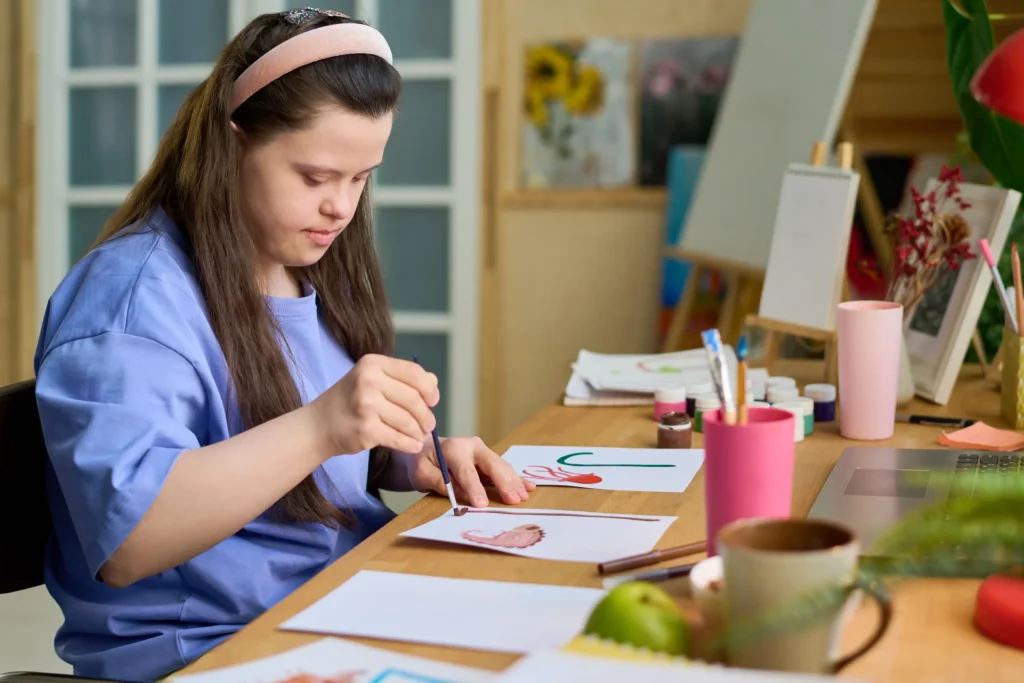
Additionally, crafts encourage the development of social skills. Through teamwork in workshops or collaborations at craft fairs, individuals naturally improve their communication abilities, learning to work alongside others towards a common goal. These interactions not only build skills but also contribute to a greater sense of community belonging.
As we will explore further, crafting transcends the label of a mere pastime. It evolves into a powerful tool for cultivating vibrant communities in the United States. By nurturing connections through handmade creations, these activities enrich our social experiences and reinforce the fabric of community life.
Crafting as a Community Catalyst
Crafting does not merely end with the creation of tangible items; it serves as a powerful catalyst for community building. Engaging in various crafting activities can bring together individuals from different backgrounds, encouraging interaction and collaboration. This collective participation fosters social networks that help bridge gaps in understanding and promotes a sense of belonging. The act of creating side by side nurtures interpersonal relationships and strengthens community ties.
One of the most effective ways crafting brings communities together is through thematic events. These gatherings can range from seasonal festivals to dedicated crafting sessions for causes. Consider the emergence of *knit-a-thons*, where crafters come together to create hats or blankets for those in need. These events unite participants with a shared intention, which not only enhances the crafting experience but also amplifies the impact on the community. Many participants cite the joy of working towards a common goal as a significant motivator in joining such causes.
Moreover, local organizations are recognizing the potential of crafting as a tool for promoting community health. For example, community centers across the country have begun offering classes designed to teach various crafting techniques while also addressing issues such as mental health and social isolation. These courses appeal to diverse demographics, from seniors looking for new hobbies to young adults seeking creative outlets. Here’s how crafting can support community health:
- Therapeutic Benefits: Engaging in handwork has been shown to alleviate symptoms of anxiety and depression, providing participants with a constructive escape.
- Skill Development: Workshops focus not only on crafting techniques but also on life skills such as teamwork and communication.
- Increased Social Engagement: Regular participation encourages individuals to venture outside their homes, forming new relationships and networks.
- Intergenerational Connections: Crafting events can bring together people of all ages, fostering mentorship and the sharing of cultural traditions.
Furthermore, the communal aspect of crafting extends beyond in-person events. With the rise of DIY videos and online crafting tutorials, more individuals are joining global crafting communities from the comfort of their homes. Platforms such as YouTube and Instagram have turned crafting into a shared experience, where creators showcase their artistry, exchange tips, and provide emotional support. This digital connectivity empowers budding crafters to venture into new creative realms, and often leads to the formation of local meetups and affiliate groups, further solidifying community bonds.
Ultimately, craft as a tool for social connection does not solely revolve around the act of making. It permeates our social fabric, creating a sense of shared purpose and belonging. As we continue to explore different avenues of crafting, it becomes evident that every handmade item tells a story about the individuals and communities involved, weaving a rich narrative that enhances our social lives.
| Advantage | Impact |
|---|---|
| Skill Sharing | Facilitates knowledge transfer and enhances community bonds. |
| Networking Opportunities | Creates spaces for individuals to forge relationships with similar interests. |
| Emotional Well-Being | Engaging in crafting reduces stress and boosts happiness in social settings. |
| Inclusivity | Crafting activities invite diverse groups to participate and collaborate. |
The theme of “Craft as a Tool for Social Connection” invites us to explore a vibrant world where community engagement thrives through creativity. Activities like group knitting sessions or pottery workshops not only foster a collaborative spirit but also amplify social networks. Conversations that emerge while sharing techniques and tips can lead to lasting friendships or joint ventures. Importantly, crafting can serve as a remedy for isolation. By connecting individuals who harbor a passion for handcrafts, these gatherings cultivate a sense of belonging and shared purpose. For instance, communities may come together to create handmade gifts for local charities, showcasing the altruistic nature of such gatherings. As attendees experience both the joys of creation and the satisfaction of being part of a greater cause, their emotional well-being is fortified. The act of crafting, infused with social interaction, indeed acts as a powerful catalyst for enhancing community ties and building meaningful relationships.
Crafting for Collective Identity
In addition to enhancing interpersonal relationships, crafting plays a significant role in the formation of collective identity within communities. This phenomenon is particularly visible in cultural and heritage-based crafts that reflect the unique history and traditions of a community. For instance, Indigenous artists across the United States preserve their cultures and share stories through art forms like beadwork, weaving, and pottery. Such crafts do not merely serve as decorative artifacts; they act as vessels of cultural expression that bring together generations, instilling pride and cohesion.
Furthermore, crafting can serve as a form of activism and social change. Communities increasingly engage in crafting initiatives that aim to raise awareness about pressing social issues. Projects like *yarn bombing*, where public spaces are adorned with colorful knitted or crocheted pieces, spark conversations around topics such as homelessness, climate change, and mental health. These communal installations engage local residents and visitors alike, creating dialogue and prompting action. In this way, craft transcends the personal and taps into the collective consciousness, uniting individuals under shared values and causes.
Another burgeoning area where crafting fosters community is through business initiatives. Small local businesses and artisans are increasingly focusing on sustainability and ethical sourcing. Craft fairs and local markets provide a platform for these creators to showcase their work while forging connections with their customers. By participating in these events, community members support one another economically while generating a vibrant sense of local identity. According to the *American Craft Council*, the craft movement has surged in recent years, with more consumers seeking handmade goods over mass-produced items, a drive largely fueled by the desire to connect with artisans on a personal level.
- Community Workshops: Many local businesses and organizations host workshops that marry craft with entrepreneurial skills, empowering participants to turn their passion into profit.
- Creative Collaborations: Crafting events can lead to partnerships among local artists and businesses, further strengthening economic ties and community resilience.
- Marketplaces for Change: Initiatives like re-use markets encourage communities to come together, share resources, and focus on sustainability through crafting.
Moreover, crafting education in schools has been gaining momentum, promoting a spirit of cooperation and teamwork among students. Schools implementing programs centered around handmade creation help children develop fine motor skills, creativity, and a sense of accomplishment. These educational settings also foster friendships and collaborative projects, ensuring that the values of teamwork and social connection are embedded from an early age. Artistic initiatives like these contribute to building a more inclusive community; when children craft together, barriers fade, and relationships blossom irrespective of background or belief.
Lastly, the diverse realm of community crafting online signals a shift in how people connect through shared passions. Virtual social crafting groups and challenges on platforms like *Facebook* and *Pinterest* allow members to share their creations, offer support, and exchange narratives, regardless of geographical distance. This digital evolution not only enhances crafting as a social connector but positions it as a vibrant, dynamic collective experience. As individuals collaborate on shared projects or engage in friendly competitions, they continue to foster connections that stretch the very definition of community.
Conclusion
In summary, crafting serves as a powerful mechanism for fostering social connection and building inclusive communities. The unique amalgamation of tradition, creativity, and social purpose found in handmade creations resonates deeply with individuals, transcending personal expression to cultivate collective identity. By participating in craft activities, community members not only preserve cultural heritages but also engage in activism, promoting critical conversations around pressing societal issues.
The rise of local businesses dedicated to sustainable practices further highlights how crafting can stimulate economic growth while forging strong social ties. As the craft movement gains traction, consumers increasingly seek not only products but meaningful interactions with artisans, affirming the human element at the heart of creativity. Moreover, the growth of crafting workshops, collaborative projects, and online crafting communities demonstrate the adaptability of this medium in nurturing connection, regardless of geographical barriers.
Ultimately, crafting encourages both personal fulfillment and communal solidarity, making it an invaluable tool in today’s diverse society. By engaging in handmade creation, individuals can contribute to a more cohesive and supportive environment, proving that every stitch, brushstroke, and crafted piece is not merely an object, but a thread weaving stronger ties between us. Therefore, as we explore and expand the realm of crafting, let us embrace its potential to create vibrant, interconnected communities that celebrate collaboration, sustainability, and shared histories. Craft is not just a pastime; it is a pathway, leading us towards a more united world.