Craftsmanship and Inclusion: Creative Projects for People with Disabilities
Understanding the Power of Creativity
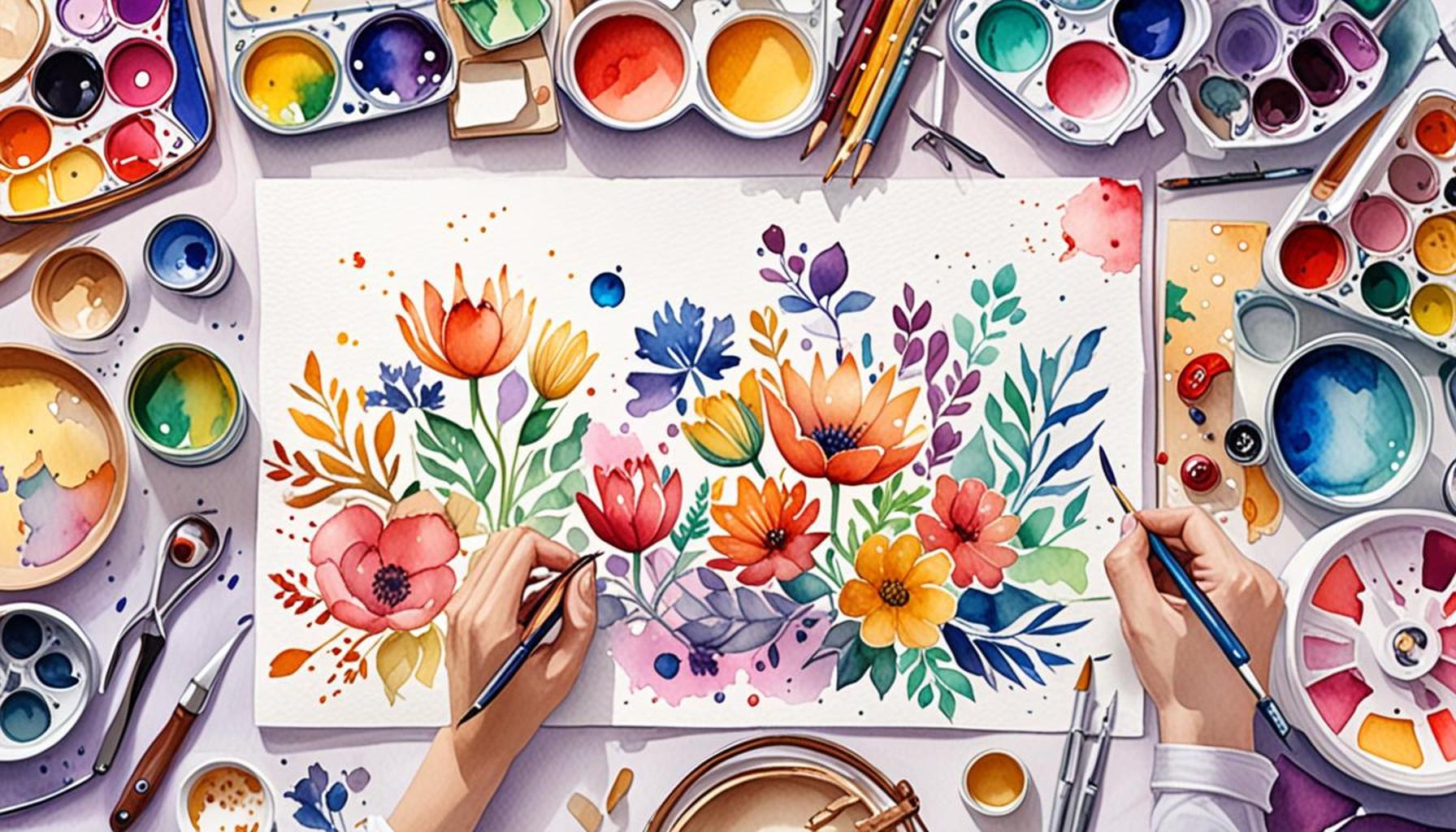
Art and creativity are universal languages that transcend boundaries. In the world of craftsmanship, there exists a powerful opportunity to foster inclusion for people with disabilities. Engaging in creative projects not only enhances skills but also promotes social interaction and a profound sense of belonging within communities.
Innovative Programs and Their Impact
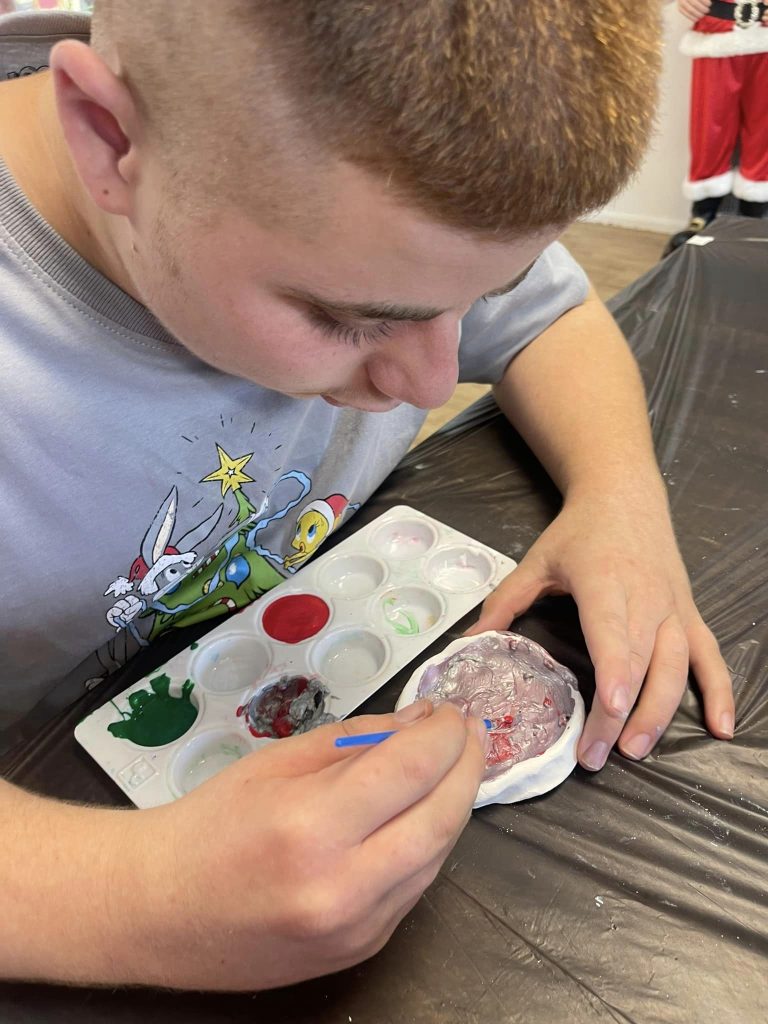
Across the United States, innovative programs are reimagining how craftsmanship can be accessible to everyone, including individuals with disabilities. Through various initiatives, these programs allow participants to explore their talents and express themselves in meaningful ways. For instance, consider the significance of Art Therapy Workshops. These workshops blend art-making with therapeutic practices, enabling individuals to work through their emotions while cultivating their artistic skills. Clients might use painting or sculpting to process feelings of anxiety or depression, thereby fostering a healing environment that promotes personal growth.
Another example is found in Adaptive Craft Programs. These initiatives use specialized tools and equipment designed to meet the unique needs of varying abilities. For instance, a participant with limited dexterity might utilize tools with larger grips or modified paintbrushes that facilitate better control. By allowing access to such resources, these programs ensure that everyone—regardless of their abilities—can engage in the creative process.
Building Community Through Creativity
Community engagement is further enhanced through Community Exhibitions. Showcasing artwork created by participants in local galleries not only builds confidence but also facilitates connections among artists and their communities. For example, events like art fairs can serve as a platform for individuals with disabilities to share their stories and perspectives, fostering empathy and understanding within broader society. The visibility of their work can challenge stereotypes and highlight the diverse range of talents that exists within these groups.
The Broader Significance of Craftsmanship
Participating in artistic endeavors fosters valuable life skills beyond creativity, including problem-solving, critical thinking, and teamwork. These skills are vital not only in the realm of art but also carry over into daily life, reinforcing the notion that creativity knows no limits. With suitable resources and structured support, individuals with disabilities are empowered to thrive in artistic communities, cultivating self-expression and celebrating their unique perspectives.
Conclusion
This article endeavors to delve into the multifaceted world of craftsmanship and inclusion, uncovering inspiring stories and effective initiatives that promote artistic engagement. By highlighting how creative pursuits can bridge gaps, empower individuals, and celebrate diversity in artistry, we can illuminate the transformative potential of craftsmanship in the lives of people with disabilities. Engaging with these programs not only enriches the lives of individuals but also enhances the fabric of our communities as a whole.
Unleashing Potential Through Craftsmanship
The intersection of craftsmanship and inclusion opens a window into a realm where creativity flourishes and individuals with disabilities find their voices. By participating in various creative projects, these individuals not only hone their artistic skills but also gain a profound sense of purpose and identity. Many organizations recognize this potential, dedicating their resources to nurture talent while advocating for inclusivity.
One notable initiative is the Creative Arts Programs specifically designed for individuals with disabilities. These programs provide structured environments where participants can experiment with a variety of mediums—including pottery, textiles, and mixed media—tailored to accommodate varying levels of ability. In addition to enhancing artistic skills, these programs are instrumental in teaching essential life skills such as:
- Self-expression: Participants learn to communicate their thoughts and feelings through their artwork, creating an avenue for emotional release.
- Teamwork: Collaborative projects foster bonds between participants, encouraging them to work together and support one another’s creative decisions.
- Confidence-building: Completing a project can lead to a significant boost in self-esteem, empowering individuals to take on new challenges.
- Critical thinking: Crafting requires planning, experimentation, and problem-solving, skills that are transferable beyond the art studio.
Supporting Diverse Talent
A key aspect of promoting inclusion in craftsmanship is the focus on accessibility. Many programs have begun adopting Universal Design principles, which emphasize creating products and environments that are usable by all people, regardless of their abilities. This means not only modifying tools and materials but also training instructors to adapt their teaching methods to cater to diverse needs.
For instance, art institutions across the United States are increasingly providing workshops equipped with adaptive technology like voice-activated software or specialized software for digital art creation. By using these resources, artists with disabilities can explore digital craftsmanship, expanding their creative horizons beyond traditional media.
In addition to physical adaptations, organizations are also working to raise awareness about the importance of diversity in art. When art is used as a means to reflect societal narratives, it challenges preconceived notions about disability. Exhibitions featuring works by artists with disabilities convey powerful messages and invite broader conversations about representation in the arts.
Engaging with the Community
Community involvement is another critical facet of these creative initiatives. By inviting local residents to participate in workshops or volunteer, organizations work to dismantle barriers between artists with disabilities and their communities. This fosters an environment of understanding and camaraderie, where art becomes a common ground for fostering relationships. Moreover, the resulting connections between artists and community members can lead to long-lasting support systems that benefit everyone involved.
As we delve deeper into the world of craftsmanship and inclusion, it becomes clear that the creative process holds transformative potential. By embracing diversity and acknowledging unique talents, we can unlock the inherent value within every individual, ultimately enriching our communities and redefining perceptions of disability.
| Advantage | Impact |
|---|---|
| Enhanced Skills Development | Participants engage in hands-on creative projects, fostering new skills and focusing on personal growth. |
| Community Engagement | Encourages collaboration and social interaction, building a supportive network that promotes inclusion and understanding. |
Incorporating craftsmanship and creative projects for people with disabilities can profoundly impact individuals by developing skill sets that enhance their potential. For instance, engaging in projects not only cultivates practical skills, such as woodworking or textile arts, but also encourages participants to embrace their unique creativity. Furthermore, the aspect of community engagement cannot be overlooked. These projects create opportunities for individuals to connect with others, promoting social interactions that are vital for mental health and community integration. Participants not only learn from each other but also contribute to a greater understanding of diversity and inclusion in a society that benefits everyone. To discover more about these transformative experiences and their outcomes, individuals and organizations are encouraged to explore local workshops and initiatives tailored to facilitate such remarkable projects.
Empowering Through Skill Development
As we explore further into craftsmanship and inclusion, it’s essential to emphasize the invaluable role of skill development within creative projects designed for individuals with disabilities. These initiatives don’t just serve as artistic outlets; they also build a framework for vocational opportunities and economic independence. Various community centers and programs across the United States are strategically creating pathways that lead participants toward potential careers in the arts, showcasing the tangible impact that these creative endeavors can have on the lives of individuals with disabilities.
Vocational training integrated into arts programs is increasingly becoming a standard practice. For instance, organizations like VSA (The International Organization on Arts and Disability) offer courses that help participants cultivate skills in craft-making, graphic design, and digital media. By equipping individuals with marketable abilities, these programs prepare them for future employment, thus fostering self-sufficiency and reducing the stigma often associated with disability in the workplace.
Moreover, partnering with local businesses and art institutions provides invaluable networking opportunities for participants. Collaborative projects that involve local artisans can create a platform for artists with disabilities to showcase their work. Take, for example, a recent initiative in Chicago where local art shops collaborated with artisans from disabilities programs to produce and sell handmade crafts. This not only broadens the market reach for these artists but also helps reshape community perspectives around disability.
A Focus on Mental Health and Well-Being
In addition to skill development, one cannot overlook the profound impacts that involvement in craftsmanship can have on mental health and well-being. Engaging in creative projects has been shown to alleviate symptoms of anxiety and depression, particularly in marginalized groups such as those with disabilities. Participating in arts-based therapies allows individuals to process their experiences and emotions. It offers a sense of relief and a coping mechanism that is often crucial for mental health.
Art therapy programs specifically tailored for individuals with disabilities have gained traction in various regions, including New York and California. These programs not only encourage creativity but also provide a therapeutic environment where participants can explore their identities and feelings. Studies indicate that such forms of expression can lead to improvements in mood, increased feelings of self-worth, and reduced feelings of isolation.
Innovative Examples in the Craftsmanship Space
Another significant aspect of craftsmanship and inclusion lies in the innovative projects being developed to further enhance creativity among individuals with disabilities. Accessible makerspaces—collaborative workshops equipped with various crafting tools—are emerging across the country. These spaces often feature 3D printing machines, sewing stations, and other adaptive technologies geared towards inclusivity.
In places like San Francisco, the Maker Access program collaborates with local schools and rehab centers to introduce individuals to the world of making and creating. With the incorporation of assistive devices such as modified sewing machines and tactile tools, individuals with varying abilities can engage in hands-on projects. This approach provides a unique blend of technology and craftsmanship, further expanding the creative capacities of participants.
Ultimately, the evolution of craftsmanship and inclusion is marked by innovative practices, skill development, and a heightened focus on mental well-being. The continued commitment of organizations to create inclusive environments not only nurtures talent but also cultivates a richer, more diverse artistic landscape that benefits society as a whole. Through these initiatives, we are witnessing the transformative power of creativity as it becomes a gateway for empowerment and community connection.
Conclusion
In conclusion, the intertwining of craftsmanship and inclusion through creative projects for individuals with disabilities is not merely a trend, but a crucial evolution in our societal landscape. By prioritizing skill development and providing platforms for expression, we unlock not only the creative potential of these individuals but also their capacity for empowerment and economic independence. Organizations such as VSA and community-driven collaborations are paving the way for a future where talent knows no boundaries, redefining how society perceives disability.
Moreover, the inclusion of mental health benefits highlights the deep impact that artistic engagement can have. It fosters resilience, combats feelings of isolation, and enhances overall well-being. As we consider models like accessible makerspaces, we can envision a world where creativity is within everyone’s reach, regardless of ability. These innovative spaces serve as laboratories of possibility, where collective creativity begins to dismantle the barriers posed by stigma and misunderstanding.
Ultimately, by recognizing and uplifting the unique artistic voices within our communities, we not only enrich our cultural fabric but also usher in a more inclusive future. The call to action here is clear: support these initiatives, spread awareness, and advocate for policies that champion craftsmanship and inclusion. As we invest in diverse artistic expressions, we truly embrace the power of creativity to transform lives—both for individuals with disabilities and for our society at large.