Craftsmanship and the Connection with Nature: Creating Pieces Inspired by the Environment

Revitalizing Heritage Through Nature’s Influence
In an era dominated by digital innovation, the art of craftsmanship is undergoing a powerful revival. Amidst this resurgence, many artisans draw profound inspiration from the natural landscape, translating its beauty into handcrafted masterpieces. This deep-rooted connection not only encapsulates an appreciation for the environment but also promotes sustainable practices that are crucial in today’s world.
Craftsmanship inspired by nature often embodies three central themes that connect artisans with the environment:
- Natural Materials: Many creators utilize locally sourced materials, such as reclaimed wood, regional stone, and natural fibers. For example, furniture makers in Appalachia may use walnut and oak harvested from nearby forests, creating pieces that resonate with their surroundings.
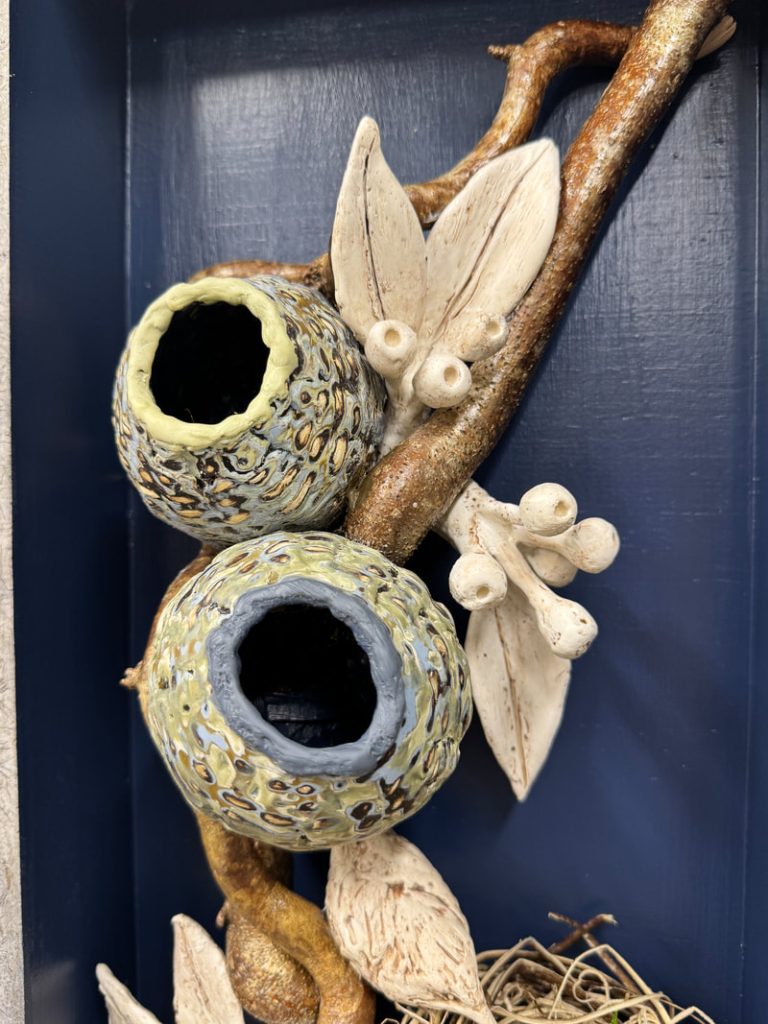
- Techniques Influenced by Nature: Artisans employ methods that mimic natural forms or textures. This can be seen in the work of ceramicists who replicate the fluid contours of river stones in their pottery, or textile artists who incorporate organic dyeing techniques using plant-based materials, creating vibrant colors reminiscent of wildflowers.
- Themes Reflecting Ecosystems: Many creations highlight the delicate balance of ecosystems. For instance, jewelry makers often incorporate motifs of local wildlife, such as hummingbirds or oak leaves, reminding consumers of the intricate web of life that surrounds them.
In the United States, artisans are leading the way in embracing these ideals, crafting pieces that reflect both environmental stewardship and cultural heritage. From bespoke furniture that tells the story of its material origins to artisan textiles that highlight traditional weaving techniques, these makers advocate for a harmonious relationship with nature. By prioritizing sustainability, they not only contribute to the preservation of the environment but also create works that resonate personally with their audience.
As this movement gains momentum, it encourages a narrative shift that invites admirers to reflect on the stories behind each piece. For instance, visiting a craft fair or workshop often reveals artisans discussing their inspirations, connecting consumers more deeply to their work. By appreciating craftsmanship that honors the natural world, individuals are inspired to consider their own relationships with nature and how they can engage in supporting sustainable practices.
This article explores the intricate bond between craftsmanship and the natural world, showcasing how talented artisans are cultivating this relationship through innovative and inspired works. As such, their creations not only beautify spaces but also inspire a deeper appreciation for the environment, urging society to reclaim its connection with nature through the art of craftsmanship.
Nurturing a Sustainable Future through Craftsmanship
The marriage of craftsmanship and nature manifests in ways that not only reflect the aesthetic attributes of the environment but also uphold its integrity. As more artisans consciously choose to create works that symbolize their connection to the earth, they highlight the critical importance of sustainability and ethical sourcing in their craft. Vintage techniques fused with contemporary styles enable artisans to breathe new life into traditional practices, often echoing the landscapes and ecosystems from which their materials originate.
One of the most significant aspects of this trend is the choice of materials. Artisans across the United States are increasingly opting for ethically sourced and sustainable materials, which have a considerably lower environmental impact. Here are some examples of how various craftspeople highlight the use of natural materials:
- Woodworkers: Many furniture designers select reclaimed timber, saving valuable resources while incorporating the unique character of aged wood into their pieces. For instance, artisans in regions like the Pacific Northwest are known for transforming fallen trees into stunning dining tables that showcase knotty grains and natural imperfections, creating functional art while preserving the ecology.
- Jewelry Designers: An emerging trend in jewelry crafting involves using recycled metals and conflict-free gemstones. Artists are committed to reducing waste and promoting ethical sourcing. This not only elevates the beauty of their creations but also makes a statement about sustainability.
- Textile Artists: Many textile creators focus on sustainable fibers like organic cotton, hemp, or Tencel. By using natural dyes derived from plants and minerals, they create textiles that evoke images of lush landscapes, connecting consumers directly to the source of their garments.
Moreover, the techniques employed by artisans often reflect a deep respect for the environment. For example, potters may utilize wheel-throwing techniques influenced by earthy motifs, such as the swirling patterns of river beds. This artistic representation not only honors the natural forms but also encourages a mindful conversation with the earth’s raw materials. The integration of such techniques fosters an understanding of the delicate balance of nature, allowing the artisans to emphasize their roles as custodians of the environment.
As inspired creations emerge from workshops across the country, they often carry narratives steeped in personal experiences and cultural heritage. These stories ignite a sense of connection, where admirers of the craft can appreciate not only the finished products but also the journeys behind them. Some artisans invite patrons to participate in their creative process, conducting workshops aimed at fostering a shared appreciation for traditional techniques while highlighting the values of environmental stewardship.
The idea of craftsmanship rooted in nature is progressively fostering a broader understanding of sustainability and eco-consciousness. As creators intertwine their work with messages of conservation, consumers are encouraged to reflect on the implications of their purchases and the stories behind their beloved objects. In this new narrative, each piece becomes a tangible reminder of the beauty of nature, igniting a passion for both craftsmanship and environmental respect.
| Advantages of Craftsmanship | Connection with Nature |
|---|---|
| Promotes artisan skills | Enhances appreciation for natural materials |
| Supports sustainable practices | Encourages eco-friendly design choices |
Craftsmanship rooted in a deep connection to nature does more than just create beautiful objects; it inspires a movement toward sustainability and creativity that resonates throughout communities. By embracing artisan skills, individuals engage in a treasure trove of techniques passed down through generations. This revival fosters a renewed interest in hand-made goods, inviting consumers to consider the stories behind each piece and the thoughtfulness infused within. Meanwhile, the connection with nature invites craftsmen to utilize materials sourced in environmentally responsible ways. Instead of opting for mass-produced items, artisans increasingly choose sustainable and renewable materials, resulting in a product that not only reduces waste but also enhances the consumer’s engagement with the environmental textiles. The juxtaposition of traditional craftsmanship and modern ecological awareness offers a unique perspective into how people can create and consume with greater mindfulness. Thus, as craftsmen and consumers intertwine their desires for aesthetics and sustainability, they contribute to a culture that cherishes the beauty inherent in nature while recognizing the importance of responsible practices. Explore these themes further, and discover how you can support and participate in this enriching journey.
Innovative Practices: Bridging Artistry with Environmental Advocacy
The craft movement’s dedication to nature extends beyond materials and techniques. Many artisans are adopting innovative practices that fuse artistry with environmental advocacy, spurring a revolution in how consumers and creators perceive their relationship with nature. This dynamic shift is not only changing the way artisans design and produce but is also transforming consumer consciousness surrounding handmade goods.
One impressive example is the movement towards upcycling, where artisans repurpose discarded materials and transform them into unique, functional pieces. This practice is particularly prominent in industries like fashion accessories and home decor. Creative makers are turning old glass bottles into striking vases or reclaimed industrial materials into stunning light fixtures. For instance, a workshop in rural Idaho specializes in crafting jewelry from discarded fishing line, emphasizing ocean conservation while producing one-of-a-kind pieces that tell a story of regeneration.
Moreover, many artisans are employing biomimicry in their designs, whereby they draw inspiration from natural processes and ecosystems. Designers often study the adaptability of local flora and fauna to create products that naturally harmonize with the environment. For example, furniture makers in Michigan have created outdoor seating that mimics the structure of tree branches, facilitating wind resistance and maximizing heat retention while maintaining aesthetic appeal. Such designs showcase overall efficiency and provide a lesson in respecting the climate that nurtures their creations.
Another key aspect of how craftsmanship connects to nature is through active involvement in community engagement and education. Many artisans endeavor to share their knowledge of sustainable craftsmanship, hosting workshops and events that educate others on the importance of environmental stewardship. These initiatives create opportunities where participants can learn traditional skills while fostering a respect for nature. For example, artisans in the Appalachian region have organized community events to teach skills like basket weaving and woodworking utilizing local, sustainable resources—an initiative that strengthens both community bonds and environmental awareness.
With the rise of online platforms, these artisans have the opportunity to reach a wider audience delving into the narratives of craftsmanship and sustainability. Social media channels are rife with inspiring stories from various creators who passionately share their journeys, from sourcing materials to creating finished goods. This trend allows consumers in places like California’s urban centers to connect with rural artisans, creating a dual appreciation for the importance of craftsmanship and nature.
As these connections flourish, a new lexicon of conscious consumerism emerges. Buyers now actively seek out products that align with their values, favoring pieces that symbolize their ecological principles. This growing demand encourages artisans to deeply consider not only their craft but also the impact of their choices on the environment. Workshops and marketplaces that focus on sustainable craftsmanship are thriving, as consumers are more than ever aligning their purchasing habits with their environmental ethics. Through these intricate intersections of art, community, and nature, the movement of craftsmanship imbues pieces with rich stories that resonate beyond mere aesthetics, creating a shared value for both artists and admirers.
Embracing Nature Through Craftsmanship
As the dialogue between craftsmanship and the natural world grows more intricate, it becomes evident that artisans are not merely creators but also stewards of the environment. By weaving ecological consciousness into their practices, these makers inspire a deeper appreciation for nature while highlighting the beauty of sustainable living. The shift towards upcycling and biomimicry not only reflects a commitment to ecological principles but also encourages consumers to rethink their purchasing choices, seeking out pieces that embody stories and values of resilience and creativity.
This evolving movement fosters a unique connection between communities, as artisans engage in education and collaboration. Workshops and local events not only impart traditional skills but also cultivate a culture of awareness regarding the environmental impact of crafting. With the use of digital platforms, these artisans can now reach a global audience, sharing their narratives and practices while encouraging conscious consumerism that extends far beyond aesthetics.
As we navigate this intersection of art and ecology, the call to action is clear: embrace the stories behind crafted items that connect us to our environment. By supporting artisans who value sustainability, we contribute to a movement that honors not only the beauty of handmade goods but also the rich tapestry of our shared ecological heritage. Thus, the future of craftsmanship is intrinsically linked to our commitment to the planet, as we find harmony in the marriage of artistry and nature.