DIY Furniture Projects: Building Functional and Attractive Pieces with Affordable Materials
Embrace the DIY Movement in Furniture Design
The world of home décor is embracing a thrilling shift towards individuality and creativity. The trend of DIY furniture projects has surged in popularity, encouraging homeowners to infuse their personal touch into their living spaces. Beyond the clear financial benefits of creating your own furniture, these projects present an unparalleled opportunity to design custom pieces that reflect your unique style and functional needs.
Engaging in DIY furniture projects can yield numerous benefits that can enhance both your home and your personal experience. Here are some of the key advantages:
- Customization: When you create your own furniture, you can tailor every detail, from the dimensions to the materials used. This means you can design a dining table to fit perfectly in your eat-in kitchen or craft a bookshelf that complements your existing décor seamlessly.
- Cost-Effective: DIY projects allow you to utilize readily available materials, often repurposing items you may already have at home. For instance, turning a discarded dresser into a chic bathroom vanity can save significant costs while creating a stylish statement piece.
- Satisfaction: There’s a profound sense of achievement in creating something with your own hands. Each completed project becomes a source of pride, showcasing your skills and creativity to friends and family.
Imagine transforming old pallets into a rustic coffee table, or constructing a sleek shelving unit from easily sourced laminate. The possibilities are virtually limitless! With just a few simple tools and a dash of creativity, you can achieve remarkable results that elevate your home’s overall aesthetic.
Whether you’re a novice or an experienced DIYer, there are projects to fit every skill level. Here are some popular DIY furniture ideas to get you started:
- Repurposing Furniture: Breathing new life into old furniture is a phenomenal way to customize your space. For example, an old wooden chair can be refinished and reupholstered, giving it a fresh and modern look.
- Building a Versatile Farmhouse Bench: With its timeless design, a farmhouse bench can serve as a functional addition to your entryway or a charming accent in the dining room. Woodworking plans for such benches are widely available, making this an accessible project for many.
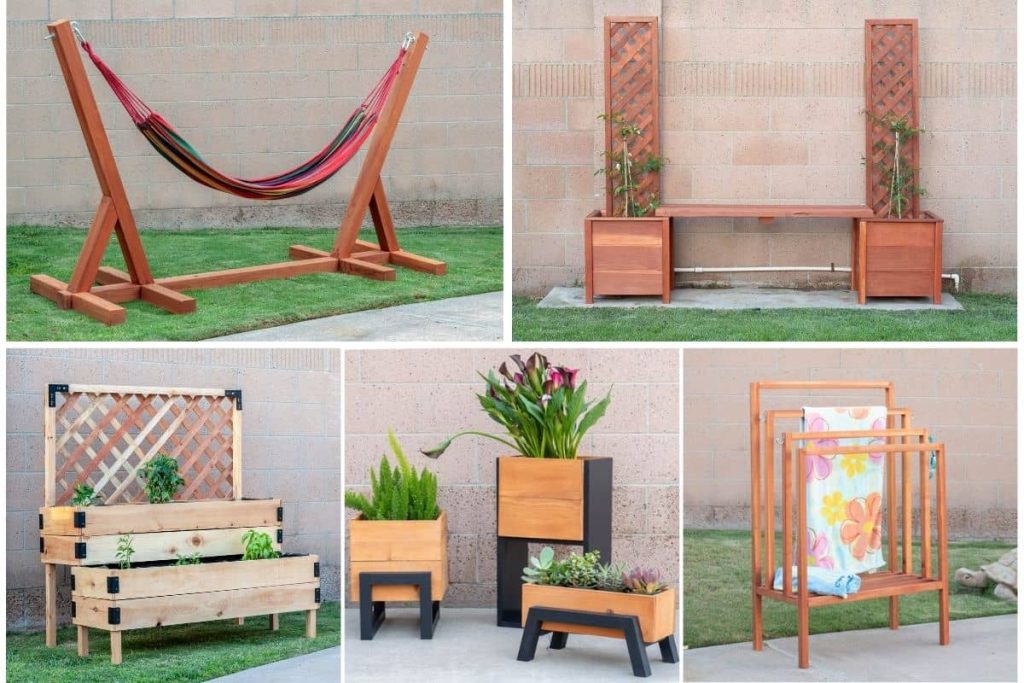
- Designing Chic Outdoor Seating: Crafting your own outdoor furniture can transform your backyard into an inviting retreat. Simple plans for benches or lounge chairs can be adjusted for your space, ensuring you have seats that are both comfortable and stylish.
Delve into the rewarding journey of building attractive furniture without the hefty price tag. It’s the perfect time to create pieces that truly embody your personality while enhancing your home’s appeal. Whether it’s through a journey of trial and error or a display of expert craftsmanship, every DIY project not only beautifies your space but also nourishes your creativity—sparking new ideas and inspiring future endeavors.
Choosing the Right Materials for Your DIY Projects
One of the most significant aspects of successful DIY furniture projects is selecting the right materials. The beauty of DIY lies in the availability of various affordable materials that can be transformed into stunning furniture pieces. From reclaimed wood to repurposed pallets, the options are numerous. This section delves into the various materials that can be found locally and how they can elevate your projects both in functionality and aesthetics.
Consider these popular materials that not only add character but also save costs:
- Reclaimed Wood: Sourced from old barns, shipping pallets, or salvaged furniture, reclaimed wood possesses a unique charm that new pieces often lack. Its imperfections tell a story, and its durability makes it an ideal choice for sturdy furniture. DIY enthusiasts can create everything from tables to bed frames using this eco-friendly option.
- Laminate and MDF: Manufactured wood products like medium-density fiberboard (MDF) or laminate are highly versatile and inexpensive. They are perfect for novice DIYers looking to craft pieces such as bookshelves or entertainment centers. Laminate finishes come in various colors and patterns, mimicking the look of natural wood without the hefty price tag.
- Metal Accents: Incorporating metal elements, such as pipes or old furniture legs, can provide a modern twist to traditional designs. For instance, using metal pipes as bases for wooden tabletops can create an industrial-style coffee table that combines both strength and elegance.
- Upholstery Fabrics: The fabric you choose can drastically transform a piece of furniture from drab to fab. Searching for remnants or even reusing textiles from old clothing can lead to unique upholstery solutions for chairs or benches, turning them into striking focal points in a room.
- Repurposed Materials: Old furniture doesn’t need to end up in a landfill. Instead, consider repurposing items like an old door into a trendy dining table or converting a vintage suitcase into a chic side table. The creativity in repurposing not only saves money but also minimizes waste, aligning perfectly with sustainable living practices.
Understanding the characteristics of these materials allows DIYers to make informed choices, ensuring each project turns out both functional and pleasing to the eye. Additionally, sourcing materials locally, whether from hardware stores, thrift shops, or online marketplaces, can often yield unique finds, further enhancing the individuality of your handmade furniture.
Once you’ve selected your materials, the next step is to plan your project. Research is key; browsing online tutorials, visiting Pinterest for inspiration, or consulting with home improvement experts can provide valuable insights. Whether you want to build a simple side table or a more complex shelving unit, the right planning will set you on the path to success.
Creating your own furniture not only transforms your living space but also impacts your skills and creativity positively. By embracing the vibrant world of DIY, you can build pieces that are not just functional but also deeply personal and aesthetically attractive.
| Advantage | Description |
|---|---|
| Cost-effectiveness | Utilizing affordable materials allows for significant savings compared to purchasing pre-made furniture. |
| Customization | DIY projects provide the ability to tailor designs to fit personal taste and specific home decor needs. |
| Skill Development | Engaging in DIY furniture projects helps to develop handyman skills and boosts confidence in personal craftsmanship abilities. |
| Sustainability | Creating furniture from recycled or leftover materials promotes environmentally friendly practices. |
DIY furniture projects open up a world of creativity and practicality, making it easier than ever to create unique pieces that reflect your personal style. One of the primary advantages of embarking on these projects is the cost-effectiveness of using affordable materials, which can lead to substantial savings compared to the often high prices of mass-produced furniture. Moreover, these projects allow for extensive customization; whether you’re crafting a bookshelf or a dining table, you can design pieces that fit perfectly into your home and express your individuality. Each small success in DIY also contributes to skill development, enhancing your ability to tackle increasingly complex projects. With a focus on using recycled or leftover materials, DIY furniture crafting not only beautifies your space, but it also aligns with sustainable living practices, reinforcing the value of resourcefulness in home decor.
Designing Your DIY Furniture: Balance Between Functionality and Style
Once you’ve chosen the right materials, the next crucial step in your DIY furniture projects is translating your ideas into functional and aesthetically pleasing designs. Balancing form and function is essential, as you want your creations to serve their intended purpose while also enhancing the beauty of your living space. Here are several essential design principles to consider:
1. Understanding Scale and Proportion
The size of your new furniture piece must be proportionate to the space it occupies. A massive coffee table in a petite living room can overwhelm a space, while a small side table may look lost in a large room. To ensure that your pieces fit nicely, use measuring tools before even starting the build. A helpful tip is creating full-size templates using cardboard or painter’s tape on the floor to visualize how the dimensions fill the area.
2. Functionality First
Your DIY furniture should address a specific need. Identify what role the item will play in your space. Is it providing additional seating, serving as a decorative accent, or offering storage solutions? For example, multi-functional pieces, like a bench that doubles as a storage solution or a coffee table that converts into a workspace, are excellent for maximizing limited space while ensuring practicality.
3. Versatile Designs
Creating adaptable pieces can help you transition your home decor with changing tastes or seasons without breaking the bank. Items like foldable tables, stackable chairs, or modular shelving units can be reconfigured as needed, retaining their usefulness over time. With a bit of creativity, you can design furniture that remains stylish yet functional for years to come.
4. Finishing Touches
The beauty of DIY lies not just in building but also in personalizing. Paint, stain, or apply a seal coat to enhance the texture and color of your furniture. You can use chalk paint for a matte finish or semi-gloss for durability. In the U.S., popular paint brands like Behr and Sherwin-Williams offer eco-friendly options that are both budget-friendly and high-quality. Furthermore, incorporating hardware accents like knobs or decorative hinges can add sophistication to your creations.
5. Sustainability in Mind
As you design your pieces, consider the principles of sustainable living. More consumers are leaning towards eco-conscious choices, making it a value point for DIY projects. Utilizing reclaimed materials or sourcing local wood can aid in minimizing global shipping’s carbon footprint. Plus, introducing sustainable practices such as using non-toxic finishes not only promotes health but can also add an impressive layer of value to your projects.
DIY furniture crafting offers a world of possibilities for savvy makers looking to decorate their homes on a budget. By maintaining a keen focus on functionality, embracing creativity, and considering the sustainable impact of your designs, you can enjoy the rewards of both crafting and living within stylish, personalized spaces. Your furniture can then reflect your individuality while meeting the unique needs of your lifestyle.
Unlocking Your Creative Potential
Engaging in DIY furniture projects can open up a world of creativity, allowing you to manifest your personal flair and style through craftsmanship. Each piece becomes a reflection of your taste, transforming your living space into a unique environment that speaks to who you are. Furthermore, undertaking such projects can be incredibly budget-friendly, enabling you to save money while achieving stunning, customized results that store-bought furniture simply can’t match.
Balancing Design with Functionality
Understanding the principles of practical design is essential in creating furniture that not only looks good but is also functional. Consider your lifestyle and how each piece will be used; for instance, a multi-layered bookshelf can serve both practical and aesthetic needs, accommodating your collection of books while acting as an eye-catching display. By prioritizing functionality, you can design furniture that complements your daily routines and enhances your home’s atmosphere.
An Eco-Friendly Approach
The journey through DIY can coincide with a conscious effort towards sustainability. The rise of eco-friendly living urges creators to explore affordable materials, such as reclaimed wood, to construct unique furniture that minimizes environmental impact. For example, a rustic coffee table made from salvaged wood beams not only looks stunning but also tells a story of preservation and creativity. Upcycling, or repurposing discarded items, allows you to create distinctive pieces like a vintage suitcase turned into a charming side table, thus reducing waste while adding character to your space.
Creating Versatile Heirlooms
Adapting designs to suit evolving tastes is another exciting aspect of DIY furniture. When you construct adaptable pieces—like modular sofas or dining tables with extendable sections—you make room for future changes in your lifestyle without the need for costly replacements. These creations become cherished heirlooms, passing on both utility and sentimental value through generations.
Endless Possibilities Await
In summary, the world of DIY furniture presents a myriad of opportunities waiting to be explored. By emphasizing thoughtful design, utility, and environmental responsibility, you can enrich not only your living space but also your daily life. Take the leap into this fascinating realm, where you can discover innovative ideas and challenge yourself to design more than just furniture—strive to create pieces that elevate the spaces you hold dear and resonate with your personal journey.
Happy crafting, and may your creative adventures lead to beautiful and fulfilling home creations!