DIY Upcycling Furniture Projects: Renewing Old Pieces with Style and Creativity
Embrace the Art of Upcycling
Transforming old furniture into unique treasures not only showcases creativity, but also offers a sustainable solution to modern living. Upcycling has surged in popularity as homeowners seek to blend style with environmental consciousness. This exciting trend encourages you to give new life to pieces that may otherwise end up in landfills. The global emphasis on sustainability has resonated strongly in the United States, prompting consumers to reconsider their consumption habits.
When you dive into DIY upcycling furniture projects, consider the endless possibilities that can breathe new life into your home. It’s an opportunity to reimagine furniture that holds not only functional value but also sentimental significance. For instance:
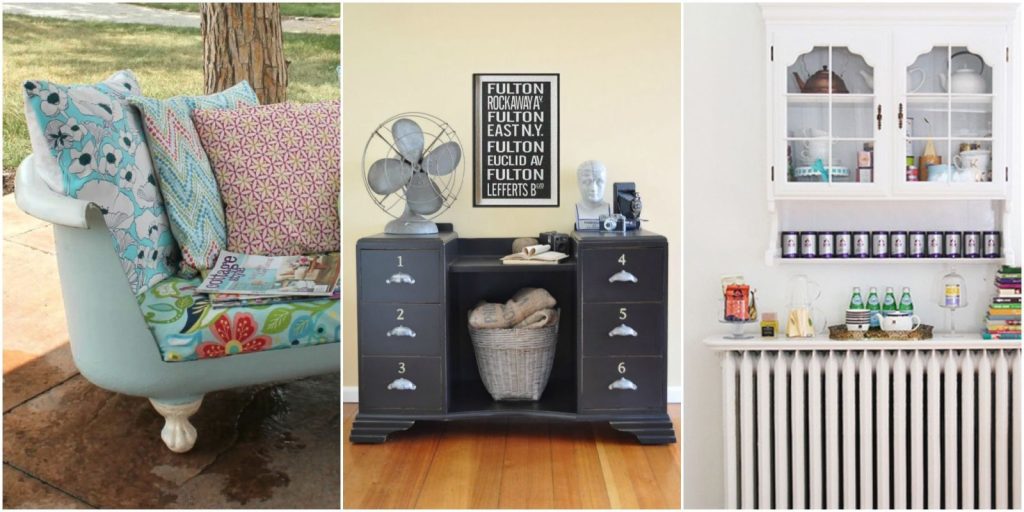
- Repurposing: Turn an old dresser into a chic bookshelf. By removing the drawers and adding shelving, you can create a unique display for books, plants, or decorative items that reflects your personality and saves money.
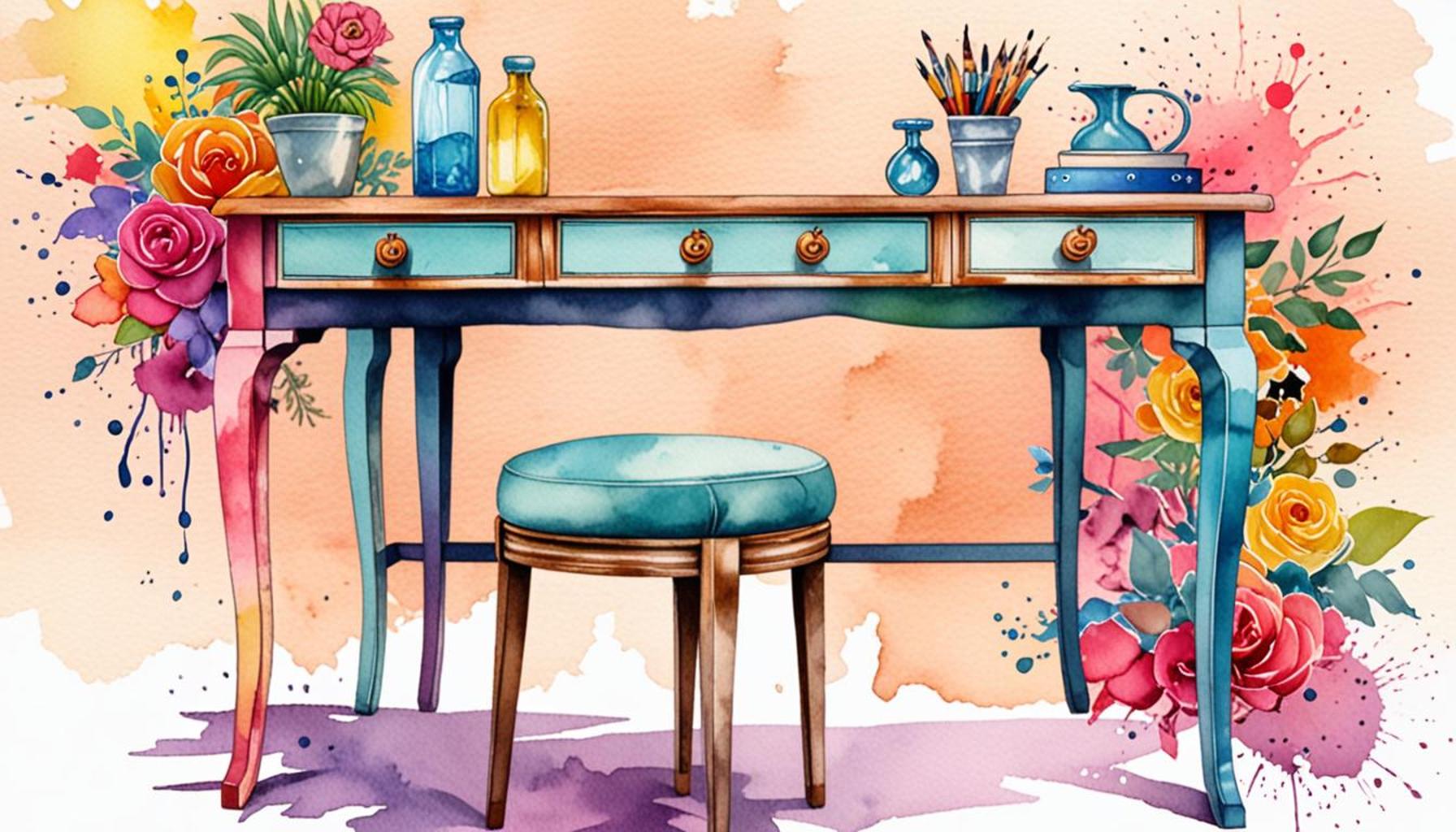
- Painting: Refresh a worn-out chair with a vibrant hue. Use chalk paint for a matte finish that can transform a dated piece into a modern statement chair, or add a pop of color to lift your space.
- Reupholstering: Give new fabric to an outdated couch. Choose an eye-catching fabric that complements your room’s decor; this can dramatically shift the ambiance while ensuring that your couch remains functional.
The beauty of upcycling lies in its flexibility and personalization. Each project allows you to express your style while making thoughtful choices that support a sustainable lifestyle. You don’t need to be a master craftsman; even beginners can successfully tackle simple projects with readily available materials and tutorials online. Many community workshops across the country also offer classes to guide newcomers through the basics of furniture restoration and design.
As you embark on this creative journey, you’ll discover not only the personal satisfaction of crafting something unique but also the chance to make a statement about environmentally friendly living. Brands like Habitat for Humanity ReStores across the United States provide affordable reclaimed materials and supplies, supporting a circular economy while inspiring your next project.
With just a bit of imagination and effort, you can transform your living space—one project at a time. Each upcycling endeavor is more than just a task; it is a step towards mindfulness and eco-consciousness. Get ready to explore innovative techniques, helpful tips, and inspiring examples that will empower you to embark on this rewarding DIY adventure. Whether you’re looking to reduce waste or simply wish to stand out in a sea of mass-produced items, the world of upcycling awaits your creative touch.
Getting Started with Upcycling: Tools and Techniques
Before diving into the world of DIY upcycling furniture projects, it’s essential to equip yourself with some basic tools and knowledge. Successful upcycling doesn’t require a full workshop; rather it calls for a few versatile tools that can transform your creative vision into reality. Here’s a list of essentials to get you started:
- Basic Hand Tools: A good quality screwdriver, hammer, and measuring tape are the foundation of any upcycler’s toolkit. These tools will help you disassemble, measure, and secure your projects.
- Paint Supplies: Paint is often the most transformative element of an upcycle. Invest in brushes, rollers, and painter’s tape, as well as various types of paint suitable for furniture, such as chalk paint or milk paint.
- Upholstery Tools: If you plan on reupholstering furniture, a staple gun, fabric shears, and upholstery needles will come in handy. Choose durable, outdoor-grade fabrics for pieces that will withstand wear and tear.
- Sandpaper and Finishers: Sandpaper is essential for prepping surfaces before painting or staining. Additionally, wood finishers, like varnishes and waxes, can add protection and a beautiful sheen to your finished piece.
The choice of projects can range from simple to complex, depending on your skill level and the furniture’s condition. Here are a few beginner-friendly ideas that can serve as inspiration:
- Furniture Painting: This is perhaps the easiest and most effective way to revamp an old piece. A simple coat of paint can turn a tired-looking cabinet into a vibrant focal point in your dining room. Opting for a glossy finish can bring out the wood grain, whereas matte finishes often lend a more modern appeal.
- Stenciling and Decoupage: For those who enjoy detailed work, consider stenciling patterns or using decoupage techniques to apply decorative paper to surfaces. This method allows for immense creativity and personalization on items like tabletops or drawer fronts.
- Creating Multi-Functional Pieces: Consider furniture that can serve multiple purposes. An old trunk can transform into a coffee table with storage, while a ladder can become a trendy bookshelf with minimal effort. This approach not only rejuvenates the furniture but also maximizes space in small living areas.
As you explore these project ideas, remember that upcycling is about more than just aesthetics; it is also an opportunity to tell a story. Each piece you transform carries a history, and with your creative touch, it can continue to serve a purpose in a new context. Embracing this ethos adds a unique charm to your home while contributing to a more sustainable lifestyle.
Engaging with local sources for inspiration and materials can further enhance your upcycling experience. Thrift stores, garage sales, and estate sales are treasure troves for outdated furniture waiting to be reimagined. Not only do these venues often provide affordable options, but they also allow you to discover pieces with character that mass-produced items simply can’t match.
| Advantage | Description |
|---|---|
| Cost-Effective | Upcycling allows individuals to transform old furniture into stylish new pieces without the steep costs associated with brand new items. This creative approach can significantly reduce your home furnishing budget. |
| Personal Expression | Engaging in DIY upcycling projects offers a unique opportunity to showcase one’s personal style and creativity. Customized designs can set your interiors apart, adding character and charm to your home. |
The allure of DIY upcycling furniture projects lies not only in their sustainability but also in the joyful creativity they inspire. As you delve deeper, the benefits become even more pronounced. Each transformation reflects the homeowner’s aesthetic, turning bland, outdated items into vibrant focal points. For instance, a simple coat of paint or a reupholstered seat can breathe new life into a forgotten chair. Furthermore, the satisfaction derived from completing such projects is immeasurable.Participating in these projects can serve as a rewarding hobby, fostering practical skills while ensuring your living space remains dynamic and fresh. With numerous resources available, including online tutorials, a treasure trove of inspiration awaits those eager to embark on their upcycling adventures. Discovering the hidden potential in old furniture pieces not only champions environmental responsibility, but also nurtures a personal connection to your home decor.
Creative Upcycling Ideas to Spark Your Imagination
After gathering your tools and understanding basic techniques, it’s time to delve into creative upcycling ideas that can breathe new life into your old furniture pieces. From quirky accents to elegant standouts, the only limit is your creativity. Here are several projects that exemplify the beauty of upcycling while allowing you to express your personal style:
- Chalkboard Furniture: Transform an old wooden cabinet door into a chalkboard surface. First, clean the surface thoroughly, then apply a couple of coats of chalkboard paint. Once dry, this clever piece offers functional space for notes, reminders, or fun doodles, making it perfect for a busy family kitchen.
- Repurposed Wine Crates: Wine crates are not just for holding bottles; they can be converted into rustic shelving units. Sand down the edges, paint or stain to match your decor, and stack or mount them on the wall. This approach provides both storage and a display area for books or collectibles while adding a touch of farmhouse charm to your space.
- Upcycled Chairs with a Twist: An old chair can be more than just a seat. By removing the seat and replacing it with a vibrant fabric or paint, you can create an eye-catching piece. Alternatively, mix and match different chairs at your dining table for an eclectic look that showcases your individual taste.
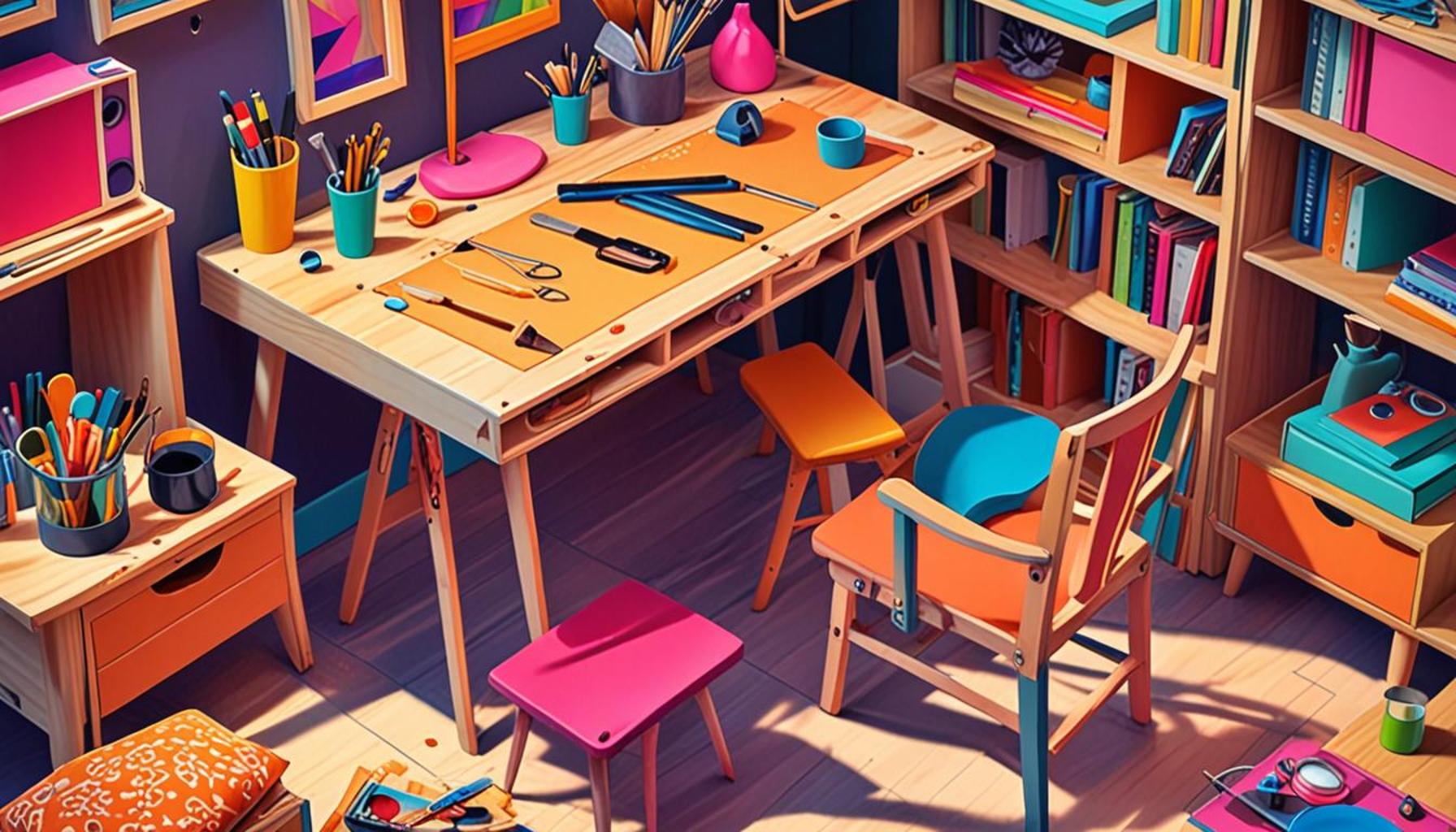
- Craft Table from an Old Door: If you need a spacious crafting or work table, consider repurposing an old door. Attach it to sturdy legs or sawhorses, sand it down, and finish it with a protective sealant. This project yields a unique workspace while utilizing materials that would otherwise go to waste.
Not only does each of these projects serve a functional purpose, but they also exude creativity and character. Embracing these unique aspects can turn simple furniture into conversation starters in your home.
Sourcing Materials and Inspiration
When it comes to embarking on DIY upcycling furniture projects, the hunt for materials is half the fun. Local sources like flea markets, yard sales, and antique shops often have hidden gems just waiting for a transformation. Many of these venues are filled with pieces that are solid in structure but fall short in style, making them perfect candidates for a creative overhaul.
While exploring these places, it’s beneficial to keep an open mind. Some items may not look appealing at first glance, but with a little imagination, they can become something entirely unique. For example, an old dresser can turn into a kitchen island with just a few modifications, while a vintage suitcase can be repurposed as a stylish side table. Moreover, shopping locally not only reduces waste but also supports your community.
Online marketplaces such as Craigslist, Facebook Marketplace, and Freecycle can also provide excellent opportunities to find discarded furniture at little to no cost. However, when ordering online, always communicate directly with sellers to ensure the item fits your project needs and is a worthy investment.
Environmental Benefits of Upcycling
In addition to the aesthetic enhancements and practicality, upcycling furniture contributes positively to the environment. By giving new life to old items, we significantly reduce waste directed to landfills. According to the Environmental Protection Agency (EPA), furniture accounts for a substantial portion of the waste, and each upcycled piece represents a step toward sustainability.
Furthermore, the process of upcycling encourages a culture of creativity and resourcefulness, inspiring others to reconsider their own possessions instead of discarding them. With the right mindset and a touch of creativity, anyone can contribute to a more eco-friendly lifestyle while enjoying the satisfaction of personalizing their living space.
Embrace the Art of Upcycling
In conclusion, DIY upcycling furniture projects offer an exciting avenue for creative expression, sustainability, and personal style. By transforming old pieces into unique treasures, you not only help reduce the amount of waste in landfills but also cultivate a more aesthetically pleasing environment. As you explore creative upcycling ideas, remember that each project has the potential to reflect your personality while breathing new life into outdated furniture.
The journey of upcycling begins with imagination and resourcefulness. Engaging with local flea markets, thrift stores, and online marketplaces expands your possibilities and can lead to unexpected finds that may become focal points in your home. By seeing potential where others might see trash, you join a growing community dedicated to sustainability and creativity.
As you embark on your own projects, keep in mind the environmental benefits that come with every piece successfully revitalized. Engaging in the upcycling movement not only contributes to a less wasteful society but also inspires others to reconsider their own unused items. With every brush stroke and fabric choice, you embrace the profound act of giving old furniture a second chance.
So gather your tools and let your creativity run wild; with each upcycled project, you’re not just changing furniture—you’re making a statement about style, innovation, and the importance of sustainability in our everyday lives.