DIY Vertical Gardening Projects: Cultivating Green in Small Spaces
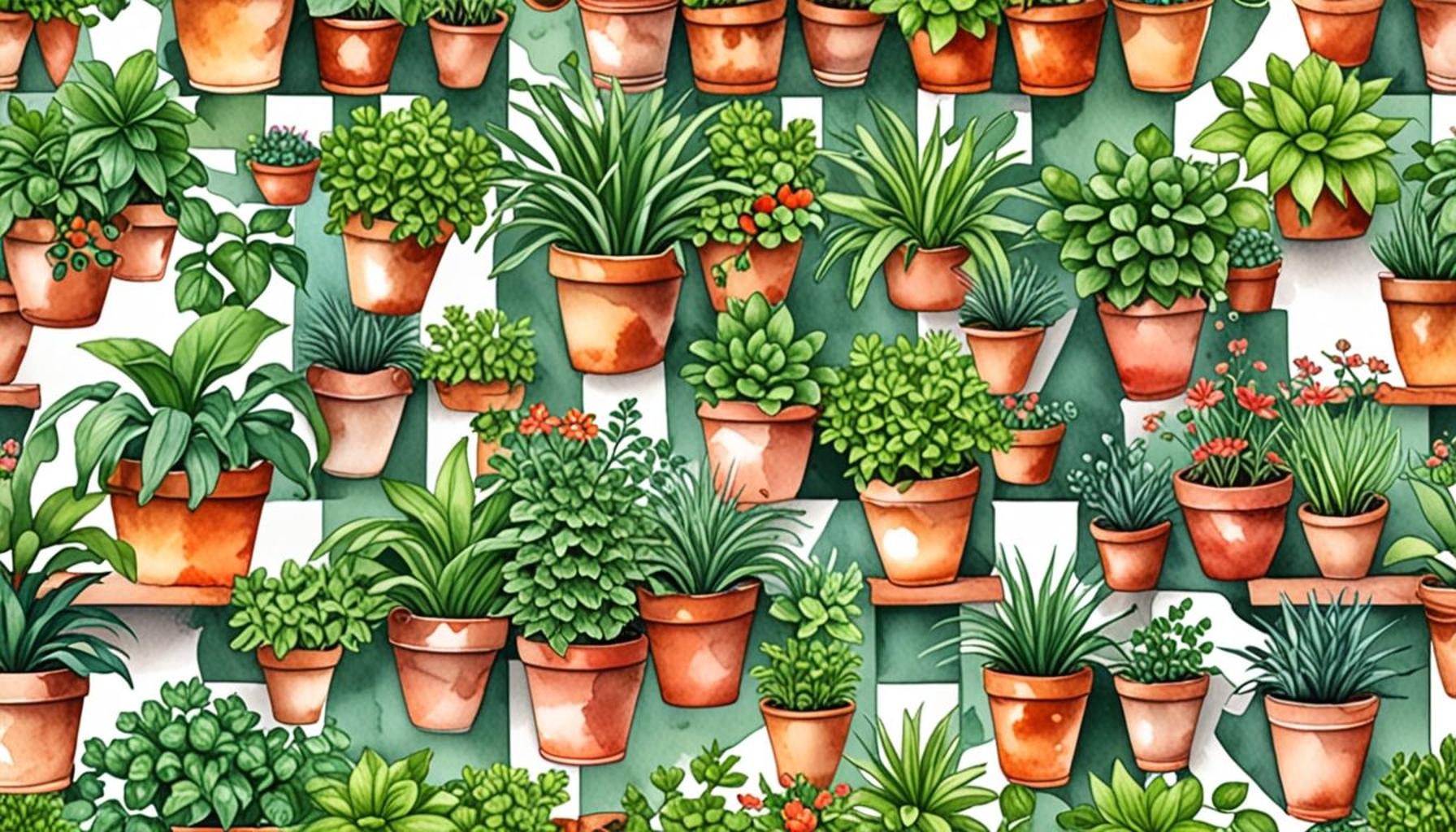
Discover the World of Vertical Gardening
In today’s urban landscape, where space is at a premium, vertical gardening offers a revolutionary solution for plant enthusiasts and homeowners alike. Imagine transforming a small balcony, patio, or even a wall into a flourishing garden oasis. With creative designs and DIY projects, you can cultivate greenery in even the smallest of spaces. This innovative approach not only saves space but also encourages gardening as a viable and enjoyable option for city dwellers.
Why Choose Vertical Gardening?
Vertical gardening isn’t just about aesthetics; it provides numerous benefits that can dramatically enhance your living environment. For starters, it allows for the maximized space utilization required in urban settings. By utilizing vertical surfaces, whether it be a simple trellis or a more complex wall-mounted structure, individuals can grow a wide variety of plants without needing a large footprint.
Moreover, embracing vertical gardening can enhance air quality. Plants naturally absorb carbon dioxide and release oxygen, creating a healthier atmosphere both indoors and outdoors. Studies show that homes with more greenery tend to have significantly improved indoor air quality, leading to better health outcomes for residents.
Another consideration is the improved microclimate that vertical gardens can create. In densely populated cities, green walls can help counteract the effects of urban heat islands by providing shade and reducing temperatures. This is particularly important as cities continue to expand and face challenges related to climate change.
From simple shelving units to elaborate wall-mounted planters, the realm of DIY vertical gardening projects is vast and diverse. Beginners and seasoned gardeners alike can find inspiration from various online resources, community workshops, and even local gardening clubs that emphasize sustainable and creative growing techniques to build their own green paradise.
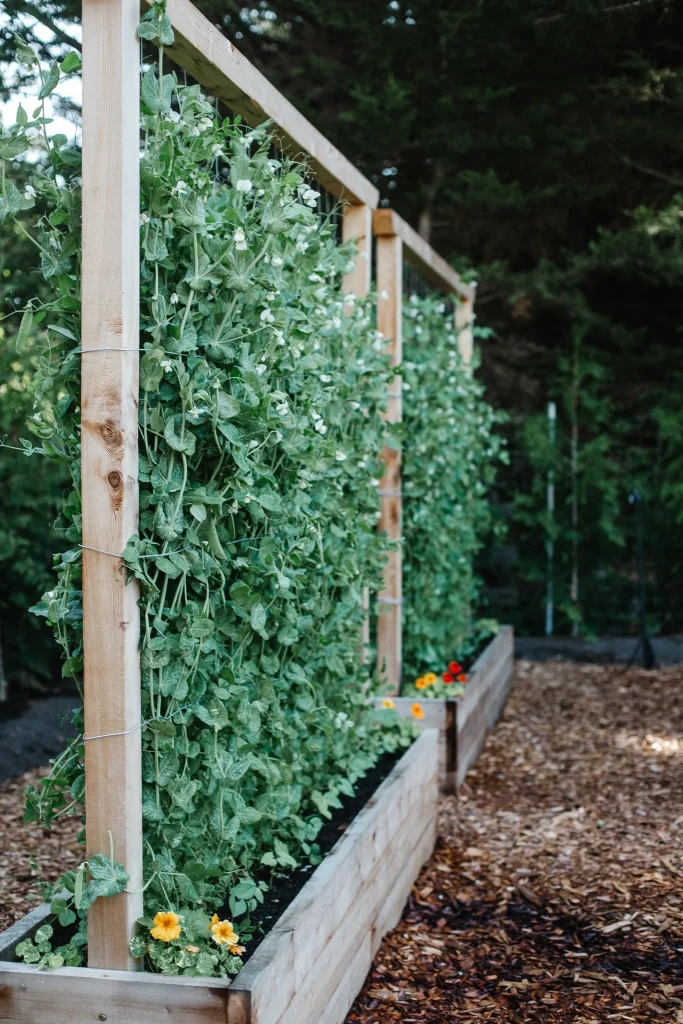
What You Can Grow?
Vertical gardens are not limited to just flowers or ornamental plants. In fact, they can be incredibly versatile and productive, allowing enthusiasts to grow food right at home. Consider cultivating the following:
- Herbs: Culinary favorites like basil, mint, and parsley not only thrive in vertical setups but also enhance your kitchen’s flavor profile.
- Vegetables: Climbing crops such as tomatoes, cucumbers, and pole beans are perfectly suited for vertical arrangements, providing good yields in limited space.
- Succulents: Ideal for those who prefer low-maintenance options, succulents require less frequent watering and are visually striking against any backdrop.
Beyond vegetables and herbs, formal and informal arrangements can also include beautiful flowering plants, ferns, and other foliage. The customization allows individuals to express their personal style and create a unique environment that reflects their tastes.
Join the vertical gardening revolution and discover how to integrate nature into your living space, regardless of size! This trend not only beautifies urban environments but also fosters a deeper connection with nature, enhancing overall well-being.
Getting Started with DIY Vertical Gardening
Embarking on your own DIY vertical gardening project can be both an exciting and fulfilling endeavor. Not only will you be creating a stunning green display, but you’ll also gain practical skills along the way. For starters, consider the location of your vertical garden. Choosing the right spot is essential; it should receive ample sunlight while also being convenient for watering and maintenance. South and west-facing walls often receive the most sun, making them prime locations for plant growth.
Next, you must select your structure. There are countless options available, from simple herb towers made from recycled materials to complex living walls. The structure you choose can reflect both your aesthetic preferences and the functional needs of your plants. DIY solutions like wooden pallets, hanging shoe organizers, or even modular planter boxes can be both economical and visually appealing. With a little creativity, these items can transform into beautiful showcases for your favorite plants.
It’s essential to keep in mind the weight and water retention of your vertical garden. Always ensure that your structure can support the weight of mature plants, soil, and water. For instance, if you’re using a vertical planter or wall-mounted units, ensure they are securely attached to the wall or support frame to prevent any mishaps.
Essential Tools and Materials
Before you dive into your DIY vertical gardening project, gathering the right tools and materials is crucial. Here’s a checklist of what you might need:
- Planter pots or vertical planters: Choose materials such as plastic, wood, or even fabric planters that are designed for vertical use.
- Soil: Opt for a lightweight potting mix that provides excellent drainage for your plants.
- Watering can or irrigation system: Regular maintenance is key, so consider an effective watering method that suits your setup.
- Mounting hardware: Depending on the structure, this could include hooks, screws, or brackets to support your vertical garden.
- Gardening tools: Basic tools such as trowels, pruning shears, and gloves will help in the planting and upkeep process.
As you delve deeper into the world of vertical gardening, remember that experimentation is part of the fun! Each project can lead you to new discoveries regarding plant preferences and growing conditions. Don’t be afraid to try new layouts or plant combinations—you never know what combination might thrive in your unique space.
The journey of creating your own vertical garden extends beyond just home improvement; it encourages mindfulness and appreciation of nature. Embracing this trend allows you not only to beautify your living area but also to reconnect with the environment in a meaningful way. In the following sections, we’ll explore specific DIY projects to ignite your planting passion and enhance your small space with lush, vibrant life.
DIY Vertical Gardening Projects: Cultivating Green in Small Spaces
Vertical gardening is fast becoming a transformative practice for those living in urban areas or spaces with limited ground area. This technique allows anyone with a passion for green living to bring the beauty of nature into their homes, elevating indoor and outdoor spaces without the sacrifice of precious floor space.
Beyond aesthetics, vertical gardening can significantly enhance air quality, as plants absorb toxins and release oxygen. Additionally, these gardens provide fresh produce for families, cutting down on grocery bills and promoting healthier eating habits. Whether you’re a seasoned gardener or just starting your green journey, the potential for DIY vertical gardening projects is limitless.
| Category | Advantages |
|---|---|
| Space Efficiency | Maximizes smaller living areas while allowing for lush plant growth. |
| Customization | Allows personalized designs, adapting to various styles and preferences. |
| Easier Maintenance | Reduces the strain of bending or kneeling, making gardening accessible. |
| Pest Management | Plants grow closer to the gardener’s eye, making pest detection easier. |
Incorporating vertical gardens into small spaces can inspire communities to grow their food and share the love for nature, all while ensuring environmental sustainability. As these gardens bloom, so do opportunities for connection and creativity in cultivating our green spaces.
Choosing the Right Plants for Your Vertical Garden
Once you’ve set up your structure, the next vital step is selecting the right plants for your DIY vertical garden. Not only do you want to consider the aesthetic appeal of your chosen flora, but their growth habits, sunlight, and water needs are equally important. Vertical gardening thrives on plants that are adaptable to smaller spaces—think climbing vines, cascading greens, and compact herbs.
Herbs are fantastic contenders for vertical gardening projects, as they are generally small and can flourish in a variety of conditions. Basil, parsley, cilantro, and thyme not only add wonderful flavor to your dishes but are also easy to grow in pots or wall planters. Moreover, incorporating herbs into your cooking lends an element of freshness that elevates any meal.
Another popular choice is vining plants. Peas, cucumbers, and pole beans can be trained to climb vertical structures, creating an impressive green display while also yielding nutritious crops. It is advisable to provide adequate support for these climbing plants, such as trellises or rods, to help them thrive.
For decorative purposes, consider succulents and fleshy plants like air plants or string of pearls. These low-maintenance options not only require minimal watering but can also be arranged in stunning patterns. Their unique textures and colors can instantly enhance the visual appeal of your vertical garden.
Creating a Cozy Microclimate
Understanding the concept of microclimates can significantly elevate your vertical gardening success. A microclimate refers to the climate of a small specific area that can have different conditions than the surrounding region. For instance, a south-facing wall that’s painted dark can absorb heat during the day and radiate it at night, providing a warmer environment for your plants. Utilizing these spots can help you cultivate a diverse range of plants that may not typically thrive in your broader climate zone.
Additionally, incorporating a drip irrigation system can create a consistent watering schedule for your vertical garden. This method not only conserves water but also prevents over-saturation, making it ideal for plants that require well-draining soil. For those looking to conserve space while maintaining an effective garden, self-watering pots are also an excellent choice, as they help regulate soil moisture.
Maintenance and Care Tips
Maintaining a vertical garden might seem daunting, but several tips can simplify the process. Regular pruning is essential to encourage healthy growth and allow for better airflow among plants. This practice helps prevent diseases that can arise in congested spaces. Additionally, pay close attention to the soil. A well-draining mix is crucial, as it prevents root rot—a common issue in vertical gardening setups.
Lastly, employing a layer of compost or organic mulch can boost your garden’s health while also reducing the amount of water needed. Organic matter not only enriches the soil but also provides nutrients that promote vibrant plant growth. Taking these proactive measures will ensure your vertical garden remains a lush, thriving oasis in your small space.
Conclusion
In conclusion, DIY vertical gardening projects represent an innovative solution for those eager to cultivate greenery in small spaces. By maximizing vertical space, these projects allow urban dwellers and gardening enthusiasts alike to reap the benefits of home gardening, regardless of their available square footage. With careful plant selection, focusing on compact herbs, vining plants, and low-maintenance succulents, you can create a lush and productive vertical oasis.
Moreover, understanding and utilizing microclimates in your gardening practices can significantly enhance plant health and productivity. The right conditions can stimulate growth and expand your planting options, bringing even more diversity to your vertical garden. Incorporating effective irrigation systems, like drip irrigation or self-watering pots, not only conserves water but also ensures that your plants receive consistent moisture without the risk of overwatering.
Maintenance, too, plays a crucial role. Regular pruning and monitoring soil health can prevent common issues such as root rot, ensuring a thriving garden year-round. As more individuals begin to recognize the value of homegrown produce and greenery, vertical gardening presents an exciting opportunity to engage in sustainable living and enhance your environment.
So, whether you’re a seasoned gardener or a curious novice, embrace the possibilities that DIY vertical gardening offers. Dive into this enriching journey, explore different techniques, and watch how even the smallest of living spaces can transform into a verdant retreat. Your personalized vertical garden awaits!