Exploring Nature as a Source of Inspiration for Creative Writers
Unveiling the Muse in Mother Nature
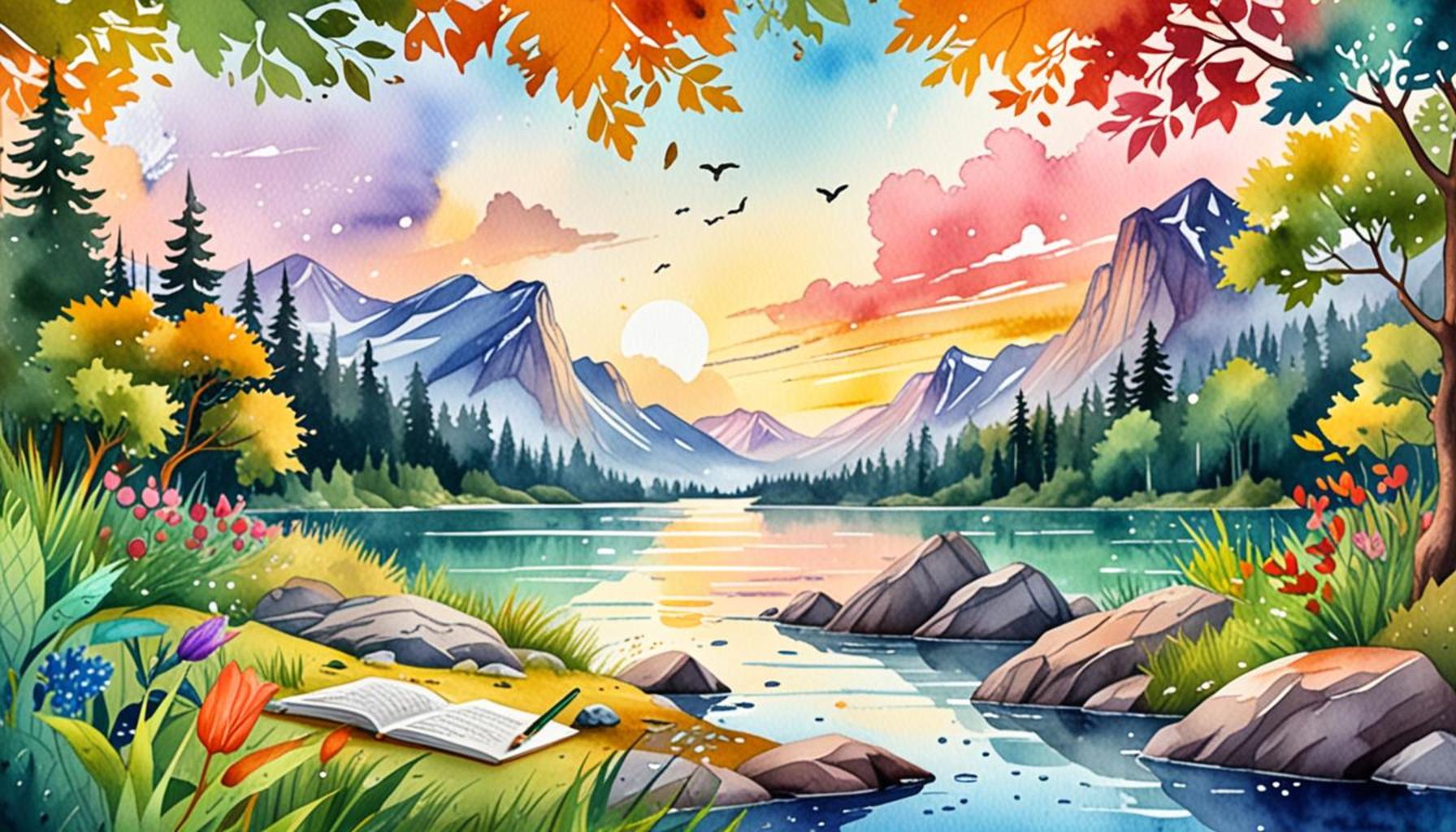
Imagine standing on the edge of a serene lake, surrounded by towering pines and the distant sound of a waterfall. This breathtaking scenery is not just a feast for the eyes; it serves as a wellspring of creativity for writers seeking inspiration. The natural world has long been a source of comfort, reflection, and innovative thought for those who put pen to paper or fingers to keys.
Nature offers a myriad of elements that can ignite the imagination and fuel the writing process. Consider the following:
- Diverse Landscapes: From the rolling hills of Appalachia to the majestic Rockies, each terrain presents a unique backdrop. For example, the lush green valleys of the Great Smoky Mountains can inspire whimsical narratives, while the stark beauty of the Utah desert may lead to more introspective writing. Each location not only provides a visual feast but also influences the mood and tone of the writing.
- Rich Imagery: The vibrant colors of a sunset or the intricate patterns of frost can paint vivid pictures in the mind. A sunset over the Pacific Ocean, with fiery oranges and deep purples, can evoke emotions of warmth and nostalgia, while the delicate beauty of morning dew on spider webs can be a metaphor for fragility and resilience in storytelling.
- Sounds of Life: The chirping of birds, rustling leaves, and flowing rivers create a natural symphony that stimulates the senses. The gentle lapping of waves on the shore may inspire a reflective piece, while the cacophony of a bustling forest can spark adventurous tales of survival or exploration.
The connection between nature and creativity is profound. Countless acclaimed writers have found their voices amidst forests, mountains, and coastlines. Authors like John Muir celebrated the Sierra Nevada, not only for its natural beauty but also for its ability to inspire activism and literary creation. Emily Dickinson often penned her thoughts in the solitude of her garden, using nature as a canvas for her rich, evocative poetry. Similarly, Henry David Thoreau famously documented his experiment in simple living at Walden Pond, demonstrating how immersion in nature can lead to profound insights and a deeper understanding of life.
Beyond nurturing artistic expression, nature serves as a refuge from the hustle and bustle of modern life. With the increasing pace of technology and urbanization, writers often find solace in escaping to natural settings. Such retreats can provide clarity, allowing the mind to meander freely and creatively. Research indicates that spending time outdoors can also enhance focus and cognitive function, making it easier to overcome writer’s block or explore complex ideas.
Join us on this exploration of how nature influences creativity and discover the myriad ways it can inspire your next writing project. Whether you’re an established author or a passionate novice, a walk in the woods or a day by the ocean might be just what you need to unlock your full creative potential.

Embracing the Elements of Inspiration
Nature’s profound influence on the creative process cannot be overstated. Writers often find that stepping into a natural setting—whether it’s a quiet forest, a sunny beach, or even a bustling city park—can trigger a cascade of ideas. This phenomenon raises important questions: What specific aspects of nature serve as the most potent sources of inspiration for creative writers? How can they harness these elements to enrich their storytelling?
One of the primary draws of nature is its unpredictability. The dynamic and ever-changing environment provides writers with a rich tapestry of experiences. Writers can encounter wildlife that surprises them with its behavior or can witness dramatic shifts in weather, from a sunny day turning into an unexpected rainstorm. These elements can add depth and authenticity to their narratives, reinforcing themes of transformation and resilience that resonate with readers.
Moreover, the concept of time in nature is distinctly different from that of urban life. Hours meld into moments when surrounded by trees and mountains, allowing writers to engage in deep reflection. This deep immersion often leads to new perspectives on life, love, and the human condition. Many writers have reported that their best ideas often come to them during long walks or quiet moments in the wilderness, highlighting the value of solitude and silence in the creative process.
But what specific elements of nature evoke the most creativity? Here are some key aspects that writers frequently cite as inspiring:
- Seasonal Changes: Each season brings a unique palette that can invoke different emotions and themes. Spring represents renewal and beginnings, while autumn embodies change and reflection. Writers might draw on these seasonal transformations to reflect the emotional journey of their characters.
- Natural Textures and Patterns: The patterns found in nature—be it the spirals of a seashell or the intricate veins of a leaf—can inspire writers to think more deeply about structure and narrative flow in their works. These elements encourage them to observe and describe the world in vivid detail.
- The Solitude of Nature: Writers often find clarity in the quietude that nature offers. Away from the clamor of everyday life, the mind can wander freely, leading to unexpected insights and breakthroughs in their writing.
- The Interconnectedness of Life: Observing interactions between flora and fauna can spark ideas about relationships and interdependence in storytelling. How characters relate to one another can mirror the complex ecosystems found in nature.
As writers engage with these elements, they may discover that nature is not merely a backdrop for their stories but becomes a vital, living character that interacts with their narratives. By weaving these natural themes into their work, writers can create richer, more resonant stories that capture the essence of the human experience.
In a rapidly evolving world, the timeless allure of nature remains a steadfast source of inspiration. For writers seeking both solace and provocation, a deep dive into the great outdoors might just unlock a treasure trove of creativity waiting to be explored.
Exploring Nature as a Source of Inspiration for Creative Writers
Nature has long served as a muse for writers across various genres, providing a rich tapestry of themes, imagery, and emotions that elevate their storytelling. From the peaceful rustle of leaves to the majestic might of mountains, the organic elements in our surroundings can evoke powerful sensations, stimulating the creative process.
One of the most captivating aspects of writing about nature is the ability to engage all the senses. The hues of a sunset, the sound of a gentle stream, or the scent of damp earth after rain can transport both the writer and their readers to another world, creating immersive experiences. Writers can cultivate a deeper connection with their own creativity by stepping away from urban distractions and immersing themselves in natural settings.
Furthermore, nature offers a plethora of themes and motifs that resonate profoundly within the human experience. Concepts such as growth, change, and resilience are as fundamental to nature as they are to storytelling. These elements can reflect characters’ journeys or moral dilemmas, allowing writers to explore the intricate relationships between humanity and the natural world.
Incorporating nature not only enriches narratives but also serves as an escape from the mundane. Writers may find that solitude amidst trees or the vastness of the sea unlocks new ideas and reinforces their voice. Many celebrated authors have noted that frequent engagement with the outdoors enhances their creativity, urging others to take advantage of the world beyond their windows.
| Inspiration Source | Benefits for Writers |
|---|---|
| Natural Landscapes | Enhances creativity and provides a vivid backdrop for storytelling. |
| Seasons & Cycles | Symbolizes change and character development, enriching plot dynamics. |
By understanding and embracing the profound relationship between nature and writing, authors can uncover new narratives waiting to be woven. It is essential to realize that the landscapes around us are not just settings but active participants in the storytelling experience, guiding writers to explore uncharted creative territories.
Translating Nature into Narrative
To fully harness the inspirations drawn from nature, creative writers must develop a keen awareness of their surroundings. This practice often leads to a heightened sense of observation—a crucial skill that is integral to the craft of storytelling. By becoming attuned to the subtleties of the natural world, writers can create vivid imagery that transports readers into their narratives.
The practice of nature journaling has gained traction among writers who seek to document their experiences in various natural settings. This method encourages individuals to write down thoughts, sketches, and observations during their explorations. By establishing a physical and emotional connection with nature, writers can generate content that is both authentic and evocative. For instance, noting the delicate interplay of light and shadow in a forest can lead to richer scenes that resonate with readers. Such details serve as a bridge, connecting the reader to the world the writer has crafted.
In addition to keen observation, writers can also take inspiration from the diverse ecosystems found within the United States. From the towering Rockies to the stunning Great Lakes and dense Appalachian woods, each region boasts its climate and wildlife that enrich stories in profound ways. These unique characteristics are ripe for exploration; they can inform themes of survival, belonging, and even the struggle against environmental change. Writers like John Muir and Rachel Carson have beautifully illustrated how specific landscapes can evoke deeper philosophical questions and a sense of responsibility towards nature.
A striking aspect of nature’s influence on creative writing is its therapeutic potential. Numerous studies suggest that spending time in nature can reduce stress levels and enhance creative thinking. The connection between mental well-being and natural environments supports the idea that the more one immerses themselves in tranquil surroundings, the more clarity they gain. This clarity can lead to breakthroughs in plot development or character arcs that might otherwise remain elusive amid the chaos of modern life.
Engaging with nature’s elements can also lead to a more exploratory approach to language. Writers can borrow vocabulary from botanical categories and geological formations to evoke emotions in profound ways. For example, a character moving through a foggy morning can symbolize uncertainty in their personal journey while the shimmering sun might illustrate hope and rejuvenation. These natural metaphors can become powerful tools, allowing writers to illustrate complex human emotions through relatable imagery.
Furthermore, collaborations with local environmental organizations can enhance a writer’s understanding of ecological issues, serving not only as a source of inspiration but also as a means to engage with pressing social themes. Writers can attend workshops or participate in community clean-ups to align their creative efforts with activism, ultimately creating narratives that echo the voices of their environment. This blend of inspiration and purpose offers a unique perspective that resonates with readers who may feel the urgent need to connect with the natural world amid growing environmental concerns.
In essence, the relationship between nature and creativity is multifaceted—one that fosters not only artistic expression but also a deeper understanding of both self and surroundings. By embracing and translating the myriad interactions within nature into compelling narratives, writers can create stories that inspire not only reflection but also action within their readership.
Embracing Nature’s Muse
As we conclude this exploration of how nature serves as a wellspring of inspiration for creative writers, it becomes evident that the marriage between the natural world and storytelling is as vital as ever. The rich tapestry of landscapes—from the sun-drenched deserts of the Southwest to the lush wetlands of the Everglades—offers endless opportunities for writers to immerse themselves in their craft. By cultivating a profound connection with these environments, writers can weave authenticity into their narratives, drawing readers into the heart of their stories.
The practice of nature journaling and engaging with local ecosystems fosters a keen awareness of the intricate details that breathe life into writing. Indeed, translating sensory experiences into words allows for the creation of emotionally resonant themes that echo the complexities of human existence. Nature’s therapeutic benefits, evidenced by numerous studies, further illustrate how time spent outdoors can enhance clarity of thought and creativity, enabling writers to break through barriers that may stifle their imagination.
Moreover, as writers align their creative pursuits with environmental activism, they not only give voice to pressing social issues but also instill a sense of responsibility and awareness in their readership. This duality transforms their work into a conduit for empathy and reflective thought, bridging the gap between human experiences and the magnificent ecosystems that surround us. In exploring nature as a source of inspiration, we uncover not just stories waiting to be told, but opportunities to engage with and protect the world we inhabit. The call to embrace nature is not merely a creative endeavor; it is also an invitation to act, reflect, and ensure that future generations can draw from this boundless source of inspiration.