Exploring the Therapeutic Benefits of Music Creation in Creative Hobbies
The Therapeutic Benefits of Music Creation
Have you ever felt the wave of relaxation wash over you after an impromptu jam session? Music creation, as a hobby, can be much more than just a pastime; it can be a form of therapy that transcends mere entertainment. Engaging in music-making activities harnesses therapeutic benefits that contribute significantly to improving mental well-being and emotional resilience. As the world continues to face unprecedented stressors, the importance of music as a healing force has never been clearer.
Consider the following benefits that music creation offers:
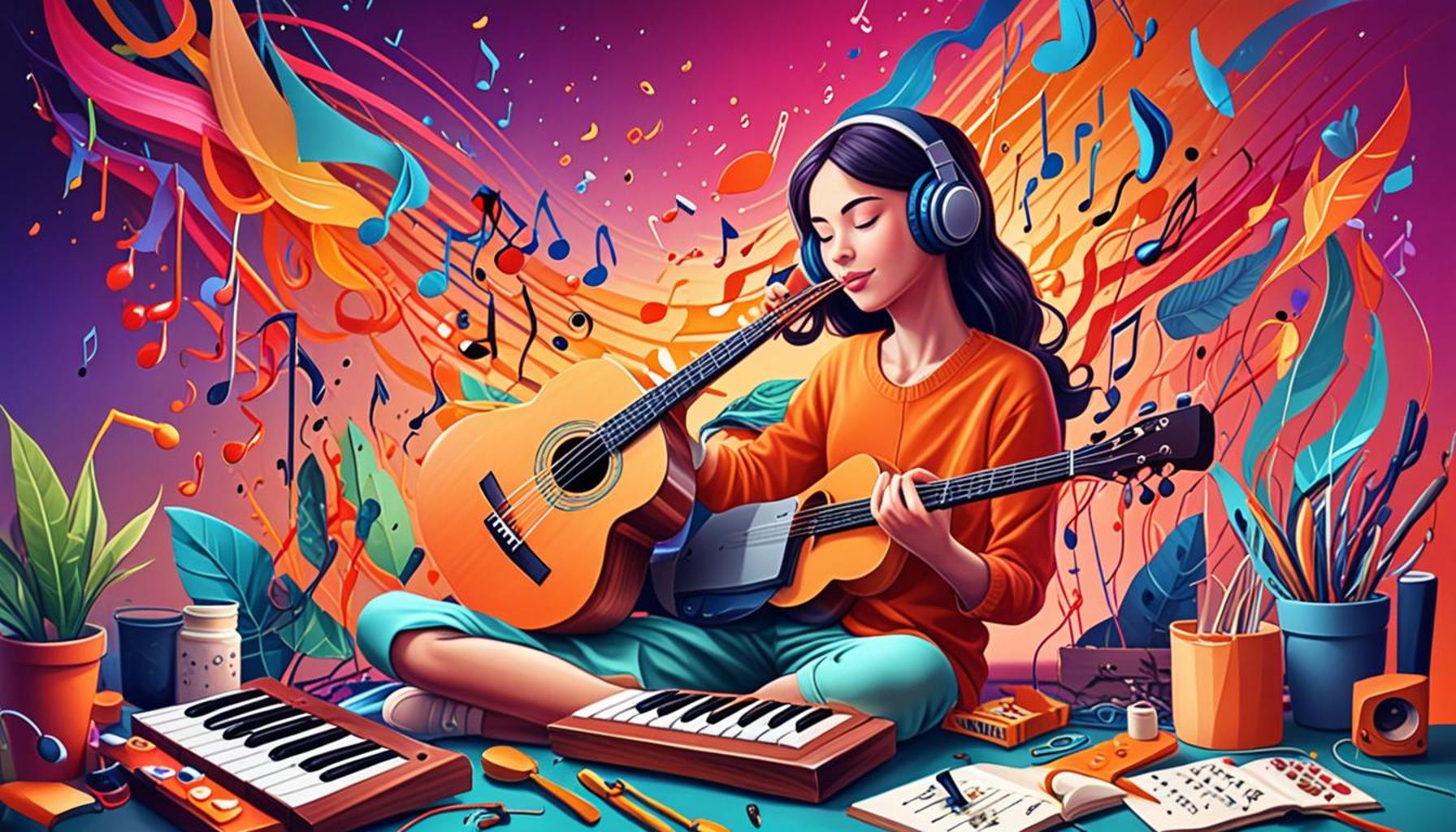
- Stress Reduction: The act of creating music can be an incredible stress reliever. Studies have shown that playing an instrument or composing songs can reduce cortisol levels, a hormone primarily responsible for stress. For instance, someone kicking back with a guitar after a long day at work often experiences a significant shift in mood, finding solace in the rhythms and melodies they create.
- Enhanced Mood: Engaging in music-making activities can lead to increased dopamine production, the “feel-good” neurotransmitter. This boost can enhance overall happiness and diminish feelings of anxiety. For example, a college student writing a heartfelt song may discover that expressing their emotions through music can alleviate feelings of isolation during tough academic periods.
- Social Connection: Music creation fosters connections with others, whether through collaboration or shared experiences. Participating in a local band or engaging in open mic nights not only builds camaraderie but also nurtures a sense of belonging. Even in a digital age, platforms like SoundCloud or BandLab allow budding musicians to share their work and connect globally, strengthening community ties.
In today’s fast-paced world, individuals are increasingly seeking methods to cope with daily challenges. Music as a creative hobby provides an opportunity to express oneself while exploring personal emotions and thoughts. Whether it’s an amateur pianist tinkling away in a cozy living room or a budding DJ mixing beats in a garage, the variety of expressions available in music creation offers something for everyone.
Exploring these therapeutic benefits can open doors to new realms of relaxation and personal fulfillment. According to a 2021 survey by the American Psychological Association, nearly 80% of respondents indicated that listening to or playing music has a notably positive impact on their mood. It is no wonder, then, that music therapy is increasingly being integrated into various mental health treatment plans.
As we delve deeper into this fascinating topic, we will uncover how music creation can serve as a powerful tool for mental health and emotional well-being. Engaging with music may not only enhance our personal lives but also contribute positively to our communities, making it a vital avenue worth exploring for anyone looking to boost their emotional resilience and find peace in a chaotic world.

Unleashing the Power of Self-Expression
At the heart of music creation lies an inherent ability to facilitate self-expression. The act of conjuring tunes and crafting lyrics allows individuals to channel their innermost feelings and thoughts into a tangible form. This process can be profoundly liberating, especially for those who might struggle to articulate their emotions verbally. Research suggests that engaging in music creation fosters emotional clarity, enabling individuals to confront and process their feelings in a healthy manner.
Participating in music-making activities can help individuals of all ages explore their emotional landscape. For example, a teenager might find that writing a song about their experiences with heartbreak can not only alleviate emotional pain but also resonate with peers who share similar feelings. This connection can serve as a powerful reminder that they are not alone in their struggles, making music a tool for bridging personal experiences and communal understanding.
Cognitive Engagement and Creativity Boost
The cognitive engagement involved in music creation also plays a critical role in enhancing mental well-being. When individuals create music, they engage in numerous cognitive processes, from understanding musical theory to experimenting with different melodies and harmonies. This intellectual stimulation can sharpen one’s cognitive abilities, leading to improved problem-solving skills and increased creativity. For instance, a busy executive might find that composing a simple instrumental piece during a lunch break not only serves as a creative outlet but also enhances their focus and productivity upon returning to work.
The therapeutic journey through music creation can be categorized into several distinct aspects, including:
- Skill Development: Learning to play an instrument or write songs encourages perseverance. The sense of achievement from mastering a new chord progression or penning lyrics can boost self-esteem and confidence.
- Mindfulness Practices: Music creation often encourages being present in the moment, promoting mindfulness. Engaging fiercely with the rhythm can draw the mind away from negative thoughts, allowing individuals to experience a sense of calm and clarity.
- Exploration of Identity: For many, music is a means to explore personal identity. By experimenting with different genres or styles, individuals can connect with aspects of themselves they may not have previously recognized, leading to personal growth and self-discovery.
Amidst the chaos of everyday life, creators are discovering the value of turning to music as a sanctuary for relaxation and renewal. Whether through solitary composition or collaborative jamming, individuals are increasingly appreciating music creation not only as a form of entertainment but as an essential aspect of their emotional well-being. This growing awareness is paving the way for community workshops and music therapy programs that encourage individuals to embrace their unique musical voices.
As we explore the depth of these therapeutic benefits, it becomes clear that music creation is not merely a hobby but a pathway to enhanced emotional resilience. In upcoming sections, we will delve further into specific case studies and testimonials, shining a light on how diverse communities in the United States have leveraged music creation as a powerful tool for healing and connection.
| Aspect of Music Creation | Therapeutic Benefits |
|---|---|
| Emotional Expression | Engaging in music creation allows individuals to articulate complex emotions, fostering emotional clarity and resilience. |
| Social Connection | Collaborative music-making enhances social bonds, creating a shared sense of community, which is vital for mental health. |
| Cognitive Development | Music creation sharpens problem-solving skills and boosts creativity, essential for overall cognitive function. |
| Stress Reduction | Playing or composing music can significantly lower stress levels, leading to improved relaxation and mindfulness. |
Engaging in music creation profoundly impacts individuals, not only enhancing their creative expression but also promoting holistic well-being. As individuals delve into melodies and harmonies, they experience an intricate connection between mind and body. Music acts as a medium for catharsis, enabling people to release pent-up emotions and subsequently achieve greater emotional balance.Moreover, the collaborative nature of music creation serves as a powerful tool for fostering community. Participants often find that sharing their musical experiences with others cultivates a sense of belonging and understanding, crucial elements of emotional stability. This newfound connection can also stimulate discussions that lead to increased awareness of personal challenges and collective support.In terms of cognitive benefits, music creation requires multitasking and critical thinking, which can enhance intelligence and cognitive flexibility. Additionally, as individuals confront musical challenges, they develop resilience, equipping them with valuable tools for tackling real-life problems.Lastly, in an increasingly fast-paced world, music offers a form of escapism. Creating music encourages individuals to enter a state of flow, a meditative-like experience that significantly reduces anxiety while promoting happiness. The therapeutic potential of music creation is vast, and its benefits can pave the way for deeper insights into both personal and communal growth.
Community Connections Through Collaborative Music Making
As music creation unfolds, it serves as a remarkable bridge connecting individuals and fostering community bonds. In today’s fragmented society, many people seek meaningful relationships and shared experiences. Collaborative music-making offers an effective solution, as it encourages individuals to come together in creative expression. The simple act of playing music with others can cultivate vital social skills such as teamwork, communication, and empathy, which are essential for building and sustaining healthy relationships.
One powerful illustration of this concept can be observed in community music groups or choirs, which often welcome participants of all skill levels. These groups not only create an avenue for individuals to enjoy the joy of making music but also help to build a support network. A study conducted by the University of Oxford revealed that participants in community music programs reported higher levels of life satisfaction, reduced feelings of loneliness, and an overall enhanced sense of well-being.
The Impact of Music Therapy and Group Engagement
On a more structured level, music therapy programs are becoming increasingly recognized as valuable tools for promoting mental health. Music therapists tailor therapeutic interventions incorporating music creation to address specific mental health concerns. For individuals dealing with anxiety, depression, or trauma, participating in music therapy can provide a safe space to express emotions, process experiences, and develop coping strategies. Many therapy sessions focus on songwriting, improvisation, or learning instruments, empowering clients to express themselves creatively and regain a sense of control over their lives.
Notably, facilitated group sessions can amplify these benefits. For instance, veterans participating in group music therapy programs often find camaraderie through shared experiences, which can alleviate feelings of isolation. A report from the American Journal of Music Therapy emphasizes that collective music-making can significantly reduce symptoms of post-traumatic stress disorder (PTSD), ultimately fostering a sense of belonging and understanding amongst participants.
- Strengthening Communication Skills: Engaging in group music creation helps individuals express themselves more clearly and listen actively to others. The dynamics of timing and synchronization in music mirror the importance of communication in social scenarios.
- Building Resilience: Sharing musical experiences often involves navigating challenges, whether it be learning to harmonize or working towards a common musical goal. This process fosters resilience, as participants learn to confront difficulties constructively.
- Encouraging Cultural Exchange: Music transcends boundaries and allows for cultural appreciation. Participating in diverse musical groups promotes understanding and respect across varying backgrounds, enhancing social cohesion and community spirit.
The appeal of community-based music programs lies not only in their therapeutic benefits but also in the enriching, joyful experiences they create. When individuals gather to create music collaboratively, they forge connections that can lead to long-lasting friendships and support systems, transforming both personal lives and entire communities.
Moreover, the accessibility of music creation as a therapeutic tool continues to expand. Local initiatives and workshops dedicated to teaching music skills and introducing creative hobbies are popping up across cities in the United States. These platforms provide opportunities for individuals from different walks of life to engage in their creative pursuits, promoting mental wellness through the universal language of music. As we further explore the influence of music creation on emotional and psychological well-being, it becomes clear that its role in fostering community connection is equally significant, providing a foundation for both individual and collective healing.
Conclusion: An Ongoing Journey through Melody and Emotion
In summary, the exploration of therapeutic benefits of music creation within creative hobbies unveils a rich tapestry of emotional and social advantages. From enhancing individual well-being to strengthening community ties, the power of music extends far beyond mere entertainment. Through collaborative activities, individuals cultivate essential social skills such as empathy and communication, paving the way for meaningful relationships in an increasingly disconnected world. The evidence is clear: community music programs can significantly elevate life satisfaction, transforming not just the participants’ lives but also the fabric of their communities.
Furthermore, the role of music therapy in addressing mental health concerns illuminates another layer of its profound impact. Personalized therapeutic interventions empower individuals to express complex emotions and develop resilience in a supportive setting. The benefits of group engagement amplify these effects, showcasing how shared musical experiences can alleviate feelings of isolation and foster a sense of belonging. This collective approach not only enriches personal journeys but also nurtures a spirit of unity among diverse groups.
As the accessibility of music creation continues to grow through local programs and workshops in the United States, the opportunity for individuals to engage in these transformative experiences becomes increasingly available. By embracing the creative power of music, we embark on a journey that nurtures our mental health and connects us to one another. Exploring the therapeutic benefits of music creation is not just a fleeting trend; it serves as a vital reminder of the beauty of human connection and the healing potential inherent in our collective creativity. As we dive deeper into this realm, the melody of hope and healing continues to resonate—inviting all to join in the harmony.