Handicrafts and Pop Culture: How Media Influences Transform Handmade Creation
The Resurgence of Handicrafts in American Culture
In recent years, there has been a notable resurgence in the appreciation of handicrafts across the United States. This revival is not just a trend; it’s a fascinating intersection of media influence and handmade creation. The impact of television, social media, and films can transform traditional artisanship into a vibrant part of modern culture, bridging generations and fostering a sense of community among creators and consumers alike.
Consider the phenomenon of DIY crafting shows that have become a staple of television programming. These shows inspire countless individuals to explore their creative potential, encouraging not only personal expression but also, in many cases, entrepreneurship. Notable examples include:
- Craft Wars – A competition program that showcased exceptional craft-making skills, emphasizing both creativity and technical expertise. Contestants often draw on unique cultural references, illustrating how traditional crafts can be infused with a modern twist.
- Making It – This show features artisans competing in challenges driven by creativity, where they are often tasked with incorporating elements of pop culture, thereby making handicrafts more relatable to a broader audience.
- Instagram Influencers – Many creators share their unique handicrafts and tutorials on platforms like Instagram, gaining massive followings. Some influencers have turned their passion for DIY into lucrative businesses, highlighting a shift in consumer behavior towards supporting handmade goods.
This media prominence has further amplified trends such as niche markets thriving on platforms like Etsy, where artisans showcase their goods to a global audience. The rise of these marketplaces allows for the democratization of craft, enabling individuals to easily sell items that reflect personal or popular culture. Many artisans find themselves influenced by cultural phenomena, leading to:
- A blend of traditional techniques with contemporary themes, as artisans experiment with innovative designs that resonate with modern aesthetics. For instance, using age-old pottery techniques but incorporating modern patterns inspired by digital art.
- Increased demand for handcrafted items that reflect pop culture, such as custom merchandise linked to trending shows, movies, or viral internet phenomena, proving that creativity knows no bounds.
- Innovation in materials and methods inspired by digital trends, where artists experiment with digital fabrication tools like 3D printing alongside traditional crafting methods to create hybrid pieces.
As both media and handmade art continue to evolve, it raises intriguing questions about the future of creative expression in America. How will the growing interest in handicrafts influence consumer preferences? Will artisans continue to find inspiration from digital platforms, or will the return to local, traditional practices take precedence? Exploring this dynamic reveals fascinating insights into the ever-adapting world of craftsmanship, where each piece tells a story intertwined with culture, media, and individual creativity.
The Influence of Pop Culture on Handicraft Trends
The connection between pop culture and handicrafts has never been more pronounced, as contemporary media continuously shapes consumer preferences and artistic expressions. From meme-inspired merch to intricate designs based on popular television series, artisans are increasingly using cultural references to connect with audiences and foster community engagement. This synergy creates a dynamic landscape where creativity thrives on the tension between nostalgia and modern-day relevance.
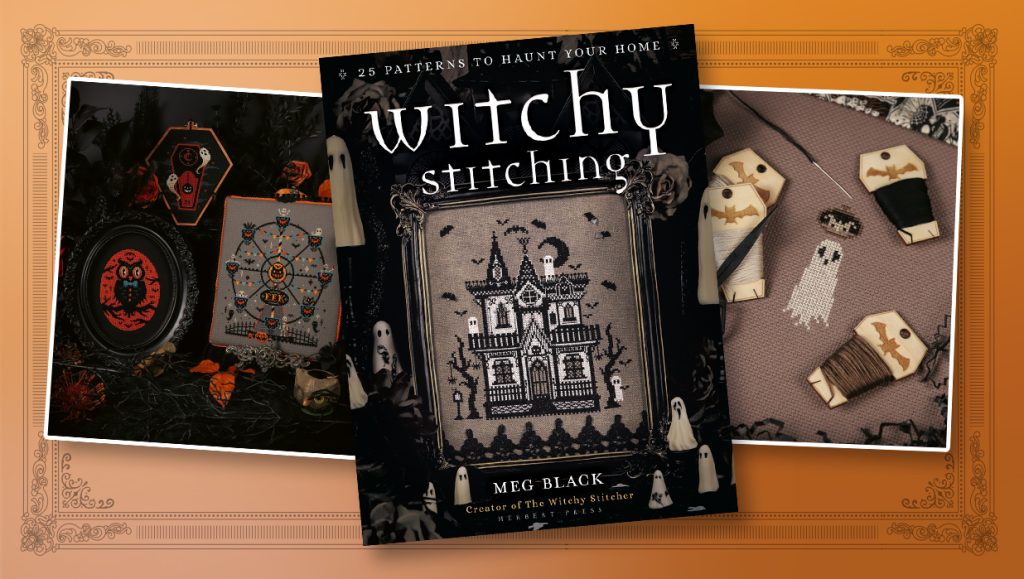
Culturally significant moments—like major film releases, viral internet challenges, or popular music hits—serve as a rich source of inspiration for handicraft creators. Here are a few notable ways that media influence drives the transformation of handmade creations:
- Viral Trends: Platforms like TikTok and Instagram give rise to craft challenges that encourage users to create and share their interpretations of trending themes. From crafting “squishies” inspired by viral memes to painting realistic portraits of celebrities, these trends often propel individuals toward DIY enthusiasm, spurring a newfound interest in handicrafts.
- Brand Collaborations: Many artisans collaborate with popular brands, leveraging recognition to reach wider audiences. These partnerships often produce exclusive handmade goods that carry the essence of both the craft and the brand, enhancing the perceived value of these unique items.
- Nostalgia and Retro Revivals: The resurgence of interest in retro pop culture—from 80s cartoons to 90s nostalgia—is evident in many handmade creations today. Artists are harnessing this wave by crafting items that evoke a sense of longing and connect with consumers on a personal level, such as cosplay costumes or handmade toys representing beloved characters from classic shows.
The advent of digital platforms has democratized the handicraft marketplace, providing artists greater visibility and easier access to consumers across the nation. With sites like Etsy allowing sellers to market their goods to a global audience, there is an increasing demand for handmade products that reflect both personal stories and broader cultural narratives. This trend underscores a shift in consumer behavior toward valuing unique craftsmanship and supporting local artisans.
Moreover, the intertwining of social media and handicrafts is illustrative of a broader cultural evolution, where the notion of “handmade” evolves to include digital engagement. Many artisans have developed online personas, showcasing their creation process through video tutorials or livestreams, which not only enhances their credibility but also fosters a loyal fanbase. These platforms allow for immediate consumer feedback, shaping how artisans approach their future projects.
As the bond between media and handicrafts strengthens, it invites deeper examination of how these interactions influence the very essence of creativity and artisan culture. Will we continue to see a blend of traditional techniques with modern-day influences? The dynamic between the past and present suggests a constantly evolving craft landscape that thrives on inspiration and adaptation.
| Category | Description |
|---|---|
| Cultural Relevance | Handicrafts rooted in traditional cultures undergo transformation through media influence, blending authenticity with contemporary design. |
| Sustainability | Handmade creations promote eco-friendliness, drawing attention from the pop culture movement advocating for sustainable practices. |
| Market Access | Social media platforms create opportunities for artisans, enabling the global market to embrace unique handicrafts, enhancing visibility and sales. |
| Community Building | Online communities and forums bring together artisans, fostering a sense of belonging and promoting the sharing of techniques and ideas that enrich the craft. |
The intersection of handicrafts and pop culture is ever-evolving, marked by the transformative power of media. Social influencers and popular TV shows often spark trends in handmade goods, showcasing how media not only celebrates these creations but also dictates their market relevance. With rising consumer interest in authenticity and craftsmanship, the media serves as a platform for artisans to share their stories and connect with audiences seeking more than just a product—they want a piece of culture. Additionally, as more individuals embrace the idea of sustainable living, the shift towards handmade items becomes even more pronounced. These unique pieces not only support local economies but also tell stories reflecting the rich tapestry of various cultural heritages. Thus, the synergy between media representation and handmade creation highlights a potent movement toward a more sustainable and culturally aware consumer base.
Emerging Artisans in the Digital Age
The intersection of media and handicrafts is further highlighted by the rise of emerging artisans who are leveraging online platforms to showcase their work. These creators are not simply replicating trends; they are innovating, blending traditional techniques with contemporary themes driven by pop culture. This evolution has given birth to a new generation of makers who utilize social media channels to gain recognition and market their products.
Platforms like YouTube, Pinterest, and Instagram are bustling with creators sharing their crafting journeys, often through engaging, visual storytelling. For example, artists on Instagram frequently use hashtags related to trending pop culture events or themes—#MarvelCrafts or #DisneyHandmade—to attract audiences who share similar interests. This fusion of media influence allows artisans to craft items that resonate with cultural moments and tap into a larger narrative, thus establishing themselves as both creators and cultural commentators.
Moreover, the role of cross-platform marketing cannot be understated. Many artisans find success by diversifying their content across various media formats. A craftsman creating handmade jewelry inspired by current film franchises might post a TikTok video showing the crafting process, an Instagram reel displaying the finished product, and a Pinterest board mixing ideas for styling the accessories—all while regularly engaging with followers. This creates a multi-dimensional approach that enhances visibility and fosters community involvement, helping artisans grow their audience exponentially.
- Community-Centric Crafting: Many makers emphasize sustainability and community-building in their work, often highlighting local materials or collaborating with fellow artisans. Popular media plays a role here as well; for instance, shows like “Making It” inspire viewers to explore their creativity and form local crafting groups. By forming these communities, artisans are not just selling products but also cultivating shared experiences.
- Craft as Activism: The influence of pop culture extends beyond consumer goods; it also informs how artisans engage in social issues. Many makers are integrating messages that reflect current events or societal changes into their work. For example, the rise of social justice movements has seen an increase in art that addresses these themes, manifesting in products that promote awareness while still grounded in craftsmanship.
- Interactive Artistry: The integration of augmented reality (AR) and virtual reality (VR) technologies in crafting is another fascinating trend. Artisans are experimenting with AR technology to create mixed-media art that can be experienced in new dimensions, allowing consumers to interact with a piece like never before. This innovative approach melds media technology with handmade artistry, creating immersive experiences that engage a tech-savvy audience.
The continuous feedback loop between media and handicrafts not only enhances the visibility of artisans but also influences the evolution of handmade goods themselves. As more consumers turn to social media for inspiration, the traditional notions of handicrafts are being challenged. Artisans are not just reflecting popular culture; they are actively participating in its creation, generating products that resonate with contemporary audiences and embody a profound connection to the cultural zeitgeist.
This expanding landscape emphasizes the importance of collaboration and adaptation within the handicraft world, suggesting that the amalgamation of digital media influence and traditional craftsmanship is paving the way for a rich and diverse future for artisans who are eager to transform the handmade industry.
Conclusion
The dynamic relationship between handicrafts and pop culture is fostering innovative pathways for artisans, reshaping the landscape of handmade creations. By intertwining traditional craftsmanship with modern media influences, today’s makers are not only redefining their artistic expressions but also influencing cultural conversations. This transformation is evident in how artisans draw inspiration from pop culture phenomena—whether it’s films, social movements, or global trends—and translate those into unique, handmade products that resonate with contemporary audiences.
Moreover, the proliferation of digital platforms has democratized the craft industry, making it more accessible for emerging artisans to showcase their work and connect with a broader customer base. The integration of creative storytelling through various social media channels allows makers to engage with their communities, positioning them as cultural ambassadors who reflect and shape current societal narratives.
As we witness the evolution of handicrafts in the digital age, it becomes clear that this journey is not merely about selling products; it’s about fostering connectivity through shared passions and inspiring creativity among consumers. The blending of immersive technologies like augmented reality enhances the crafting experience, offering audiences a chance to engage more deeply with the art. This interplay between media and handicrafts thus represents a vibrant frontier for both creators and consumers to explore together.
In conclusion, as we continue to navigate this exciting fusion of media and craftsmanship, we invite readers to explore the myriad ways that handmade creations are being revitalized and reimagined, highlighting the infinite potential for innovation within the world of handicrafts. Whether you’re a craft enthusiast or a curious consumer, understanding this nexus of creativity offers new perspectives on the handmade market and encourages a deeper appreciation for the artisans reshaping it.