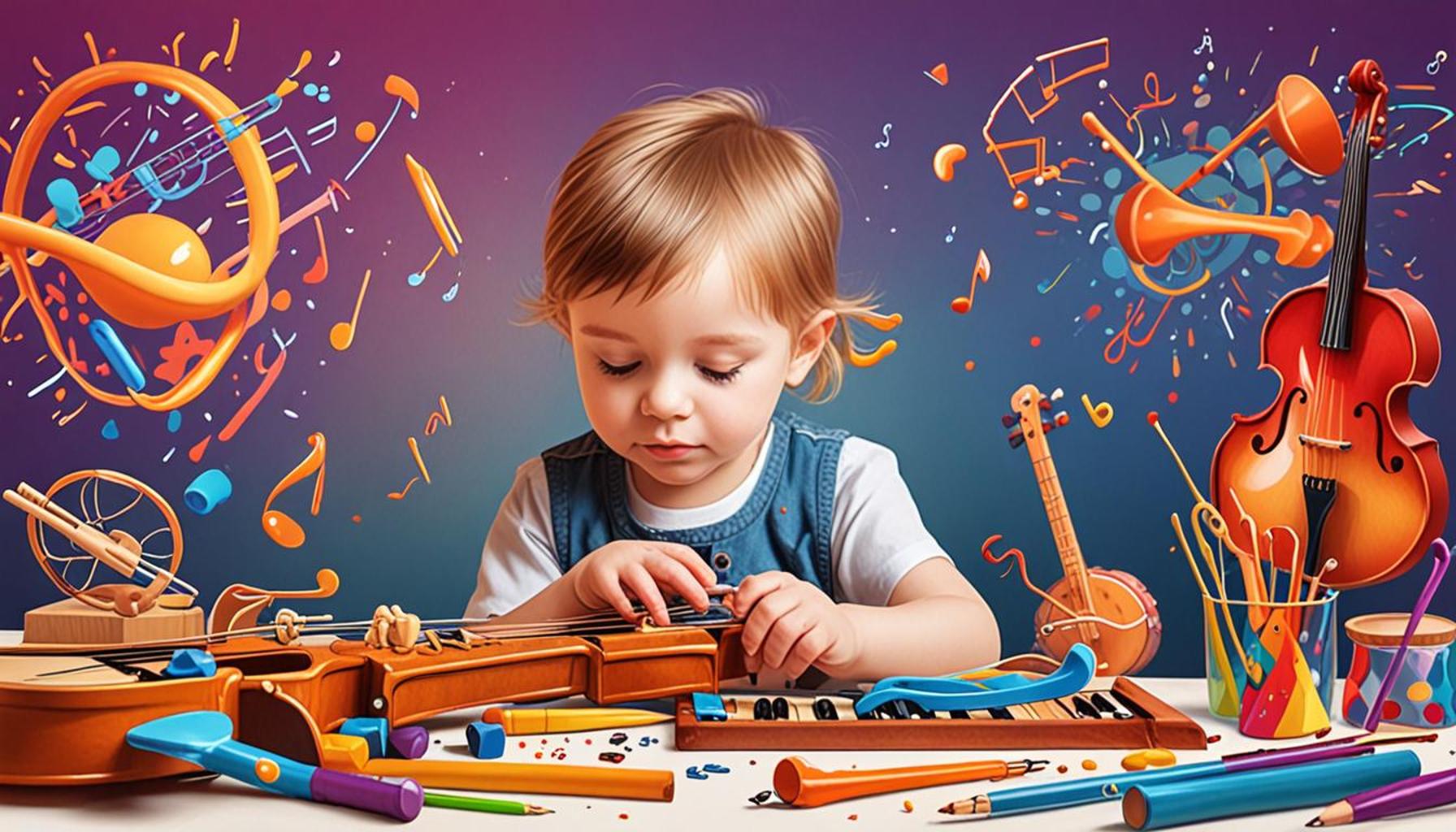
How Learning Rhythms and Beats Can Stimulate Creativity and Motor Coordination
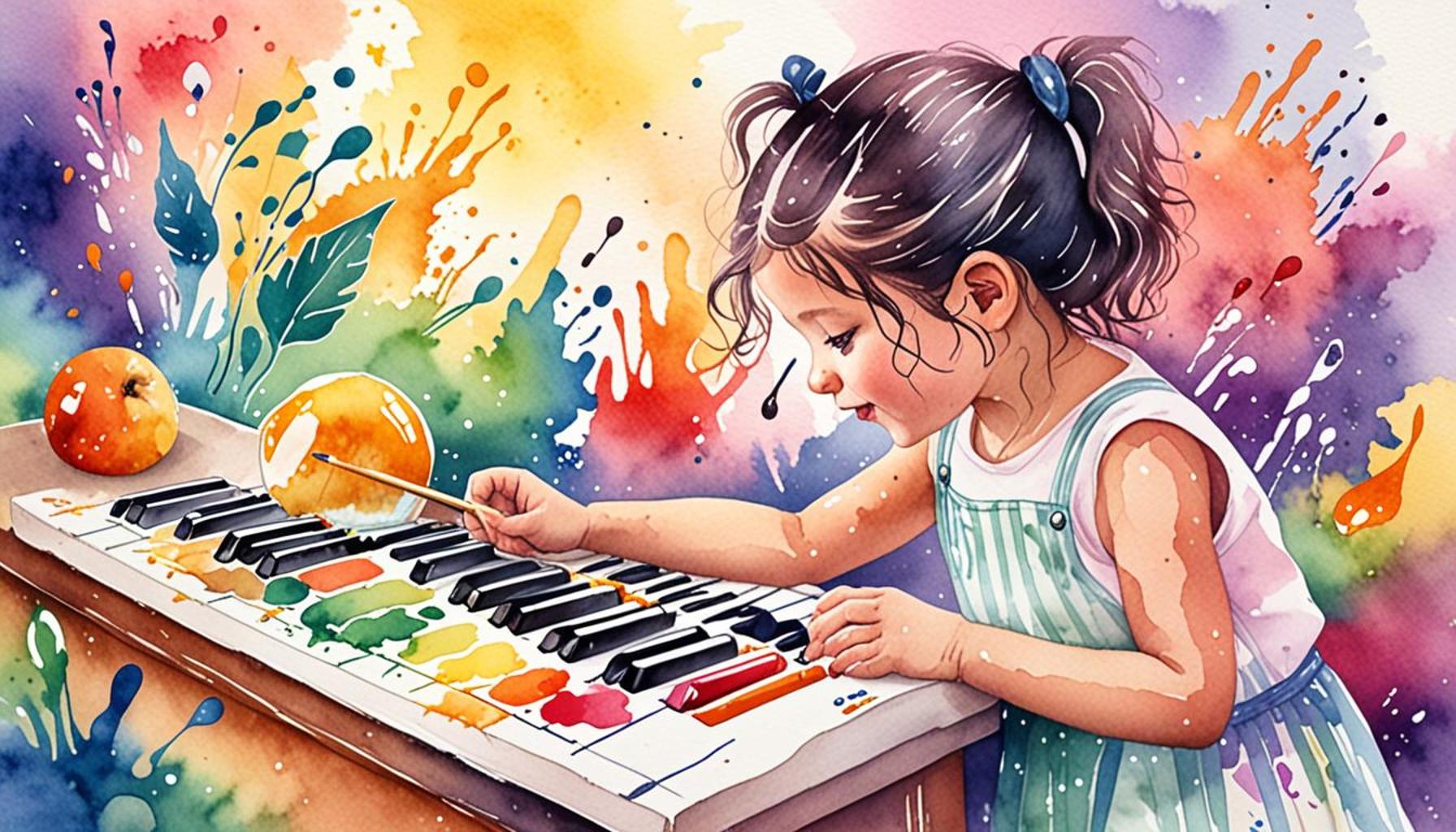
Understanding the Impact of Rhythm on Human Capability
In a world saturated with rapid technological advancements, understanding the impact of rhythms and beats on human capability is more crucial than ever. Music and rhythm are not merely forms of entertainment; they are powerful tools that can carve pathways to unlocking our brain’s full potential. Whether you are a musician, dancer, or an individual seeking to improve cognitive functions, embracing rhythm can lead to remarkable benefits.
Research indicates that engaging with musical rhythms can significantly enhance various skills. For instance, a study published in the journal *Psychological Science* revealed that individuals who regularly participate in rhythmic activities exhibit heightened levels of creativity. This is attributed to the stimulation of the brain’s reward centers, which not only makes us feel good, but also fosters an environment that encourages innovative thinking. Artists such as David Bowie and Kanye West have spoken about how rhythm influences their songwriting process, leading to groundbreaking art that resonates on multiple levels.
Moreover, motor coordination is another crucial skill that benefits from rhythmic engagement. Activities like drumming or practicing dance routines have been shown to improve fine motor skills and overall body movement. Consider rhythmic sports like basketball or soccer, where precise movements and timing are essential for success. Athletes often credit their ability to ‘feel’ the rhythm of the game, which can be honed through both formal training and casual play.
Equally important is the ability of rhythm to enhance focus and attention. Engaging with rhythm trains the brain to maintain concentration and awareness, skills that are particularly valuable in today’s fast-paced world. Numerous educators are now integrating music and rhythm into classrooms to help students stay attentive and engaged. For example, programs like ‘El Sistema’ in Venezuela have successfully utilized music education to transform the lives of children, improving focus alongside their academic performance.
The exhilarating activities of drumming and dancing are not only fun but also serve as effective tools for developing essential life skills. These rhythmic patterns resonate deeply with our neurological wiring, enabling improved neuroplasticity—the brain’s ability to reorganize itself. This neuroplasticity can lead to improved learning capabilities, emotional resilience, and even recovery from brain injuries.
Harnessing the Power of Rhythms and Beats
The question arises: how can one effectively harness the power of rhythms and beats to elevate creative expression and physical prowess? Several techniques can be employed to incorporate rhythmic elements into daily routines. For instance, individuals could start their day with drumming exercises or even join a local dance class that allows them to explore different forms of movement.
Moreover, technology has opened new avenues for engaging with rhythm. Apps that focus on rhythmic patterns, such as those used for beatboxing or even rhythm-based video games, provide enjoyable ways to practice and internalize rhythmic skills. By embracing these practices, individuals begin to experience not only an elevation in creativity and motor skills but also a deeper connection to their own rhythms, whether personal or shared within a community.
The Science Behind Rhythm and Creativity
At the core of the relationship between rhythm and creativity lies the concept of neuroplasticity, the brain’s ability to adapt and reorganize itself by forming new neural connections throughout life. Engaging with rhythms and beats, whether through playing an instrument, dancing, or even clapping, can stimulate these connections. This stimulation is crucial for creative thinking as it allows the brain to forge novel pathways, enhancing our ability to generate unique ideas and solutions.
One of the leading theories in neuroscience supports this link. It suggests that exposure to rhythmic stimuli activates both the left and right hemispheres of the brain, facilitating holistic thinking. The left hemisphere is primarily associated with logical reasoning, while the right hemisphere governs creativity and emotional perception. Activities that involve consistent rhythmic patterns, such as drumming, have been shown to activate these areas simultaneously, bridging the gap between analytical thought and creative expression.
Moreover, the practical benefits of rhythm on creativity can be observed in various fields. Musicians often rely on rhythmic patterns not just to create engaging music but also to inspire creativity in songwriting. Dance choreographers utilize rhythm to craft movements that resonate with audiences on an emotional level. Similarly, artists and writers report that immersing themselves in rhythmic environments can lead to a surge of inspiration, ultimately enhancing their creative outputs.
Enhancing Motor Coordination through Rhythm
The benefits of learning rhythms extend well beyond creativity; they play a pivotal role in enhancing motor coordination as well. Motor coordination involves the integration of various bodily movements into a smooth, controlled action—a skill that can be developed through rhythmic engagement. Below are some key ways in which rhythm enhances motor skills:
- Drumming: Playing drums requires precise timing and coordination between both hands and sometimes the feet, significantly improving overall motor skills.
- Dancing: Dance forms that emphasize rhythm, such as ballet or hip-hop, require the dancer to coordinate movements with musical beats, fostering body awareness and agility.
- Team Sports: Sports like soccer or basketball involve teamwork in sync with rhythm, enhancing player coordination and reaction times.
- Therapeutic Applications: Rhythm-based therapies, often used in physical rehabilitation, can help individuals regain motor function by reinforcing movement patterns.
Engaging with these activities not only cultivates better physical coordination but also promotes spatial awareness and reaction time. The concept of ‘dance as therapy’ is gaining traction, where individuals diagnosed with motor disorders are encouraged to participate in rhythmic movement exercises to stimulate nervous system function and improve mobility.
Understanding the multifaceted role of rhythm in enhancing both creativity and motor coordination opens up exciting possibilities for self-expression, collaboration, and personal growth. Whether you find joy in drumming, dancing, or playing an instrument, harnessing the power of rhythms can be a transformative experience that amplifies your cognitive abilities and physical competencies.
| Advantages | Key Characteristics |
|---|---|
| Enhanced Focus | Learning through rhythmic patterns promotes deep concentration, allowing for a greater absorption of information. |
| Improved Coordination | Engaging with beats and rhythms aids in developing fine and gross motor skills, essential for physical activities. |
| Stimulated Creativity | The interplay of musical elements sparks innovative thinking, inspiring new ideas and approaches. |
| Social Interaction | Collaborative music-making encourages teamwork, enhancing communication and social skills. |
Exploring the intersection of rhythm and creativity not only cultivates motor skills but also transforms the way individuals connect with their environment. By integrating rhythmic learning, children and adults alike can experience an enriching process that harmonizes both body and mind. The science behind rhythm suggests that exposure to beat and tempo patterns influences the brain’s neural pathways, optimizing cognitive functions.Moreover, activities infused with rhythm can serve as therapeutic tools, paving the way for stress relief and improved mental health. As rhythmic engagement fosters emotional expression, individuals discover a unique outlet that can lead to an enhanced creative process—this undesirably creates a loop where creativity continues to flourish through inspirational music-making experiences.
The Impact of Rhythm on Cognitive Development
In addition to enhancing creativity and motor coordination, engaging with rhythms has profound implications for cognitive development. Studies have demonstrated that children exposed to musical rhythms exhibit improved cognitive abilities, particularly in areas like language acquisition, memory, and attention span. This phenomenon can largely be attributed to how rhythmic activities strengthen the brain’s executive functions, which are essential for problem-solving and decision-making.
For instance, a study published in the journal Frontiers in Psychology found that children who participated in rhythm-based music training performed significantly better on tasks involving cognitive flexibility and working memory compared to their peers who did not receive such training. This suggests that the structured patterns inherent in music and rhythm can help children organize their thoughts and enhance their ability to retain information.
Rhythm and Emotional Expression
Another fascinating aspect of rhythm’s role in our lives is its capacity to facilitate emotional expression. Engaging in rhythmic activities fosters a deeper connection with emotions, allowing both children and adults to express their feelings better and navigate complex emotional landscapes. This connection is particularly vital in creative arts, where emotional depth can be the driving force behind a compelling piece of work.
In dance, for example, the rhythm of music not only guides the movements but also informs the emotional narrative conveyed through these movements. Dancers utilize rhythm to connect to their emotional states, creating performances that resonate with audiences on a profound level. Similarly, musicians often report that the act of playing rhythmic patterns allows them to process their emotions, resulting in a cathartic experience that fuels their creative output.
Research in the field of psychology indicates that individuals who regularly participate in rhythm-based activities tend to exhibit greater emotional intelligence. They become adept at recognizing emotional cues in themselves and others, paving the way for improved interpersonal relationships and collaboration in creative endeavors.
Integrating Rhythm into Learning Environments
Recognizing the importance of rhythm in cognitive and emotional development has led educators to integrate rhythmic activities into learning environments across the United States. Schools are increasingly adopting methods that incorporate music and rhythm in their curricula, utilizing percussion instruments, singing, and even clapping exercises to enhance students’ focus and engagement.
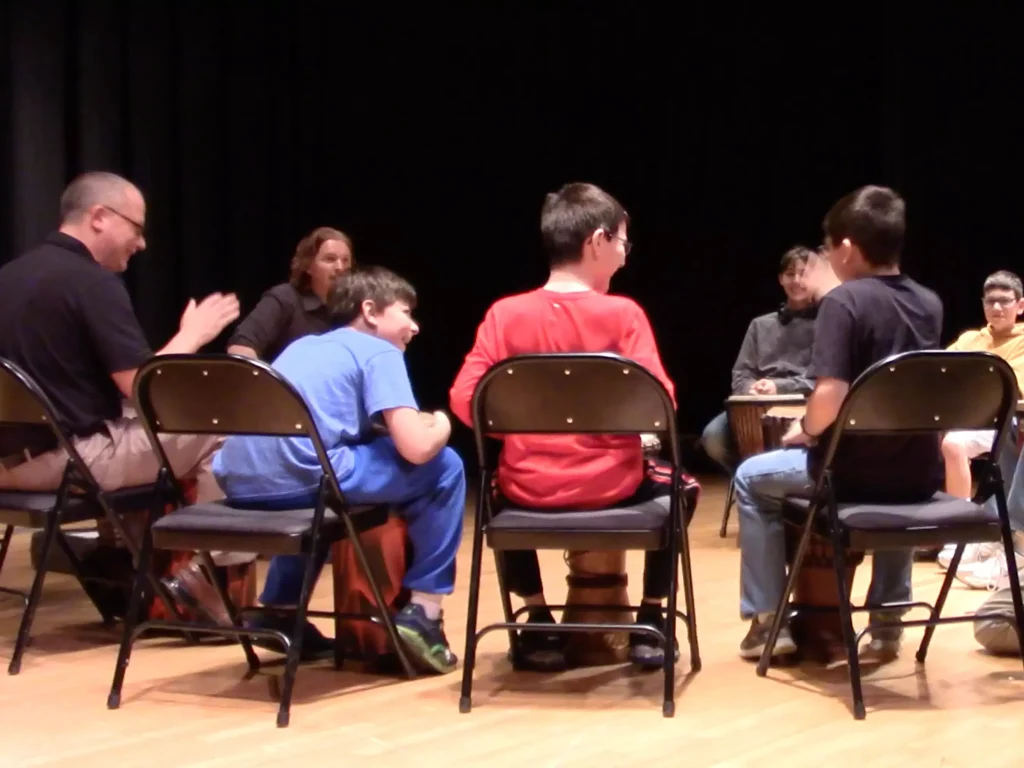
One notable approach is the incorporation of drum circles in classrooms. This communal activity not only encourages collaborative learning but also enhances students’ listening skills and attentiveness. Educational research suggests that such interactive, rhythm-based methods can lead to improved academic performance and foster a positive classroom atmosphere.
Furthermore, educational programs tailored for children with learning disabilities have shown remarkable success by integrating rhythm-based learning. These programs often utilize music therapy and movement exercises designed to build motor skills while also catering to diverse learning needs. The therapeutic effects of rhythm provide a practical, enjoyable means for children to learn and express themselves, creating an inclusive environment for creativity to flourish.
As we continue to understand the breadth of how learning rhythms and beats can stimulate creativity and motor coordination, it becomes clear that rhythm is not just a musical concept but a vital element of human experience that has far-reaching benefits across various domains of life. Integrating rhythm into daily activities promotes a holistic approach to learning, emotional expression, and cognitive enhancement, paving the way for a generation of innovative thinkers and agile movers.
Conclusion
In exploring the profound influence of learning rhythms and beats on creativity and motor coordination, we uncover a multifaceted toolkit for cognitive and emotional growth. The interplay of rhythm in music, movement, and collaborative activities highlights not only its role in boosting motor skills but also its capacity to enhance creative expression and emotional intelligence. Educators have seized upon these insights, integrating rhythm-based learning strategies in classrooms to promote engagement and collaboration among students. This practice leads to richer learning experiences and equips students with crucial skills for their future endeavors.
The compelling evidence linking rhythmic activities to improved cognitive functions—such as memory, attention, and problem-solving—invites further investigation into how structured patterns can help individuals of all ages process information and articulate their thoughts. As research unfolds, it opens doors for innovative educational frameworks that harness the power of rhythm not just as an isolated discipline but as a foundational element of holistic learning.
Furthermore, emotional expression and interpersonal connection are amplified through the rhythmic mediums of music and dance. These activities cultivate a sense of inclusivity and community, encouraging individuals to share their experiences while enhancing their understanding of themselves and others. As the landscape of education continues to evolve, the significance of integrating rhythmic learning strategies will likely grow, enriching the lives of students and fostering a generation that values creativity, collaboration, and healthy emotional expression. Therefore, as we tune into the rhythms of life, we arm ourselves with the tools needed to navigate a complex world with grace, innovation, and creativity.