Sustainable Craft Making Creating Beauty with Recycled Materials
Introduction
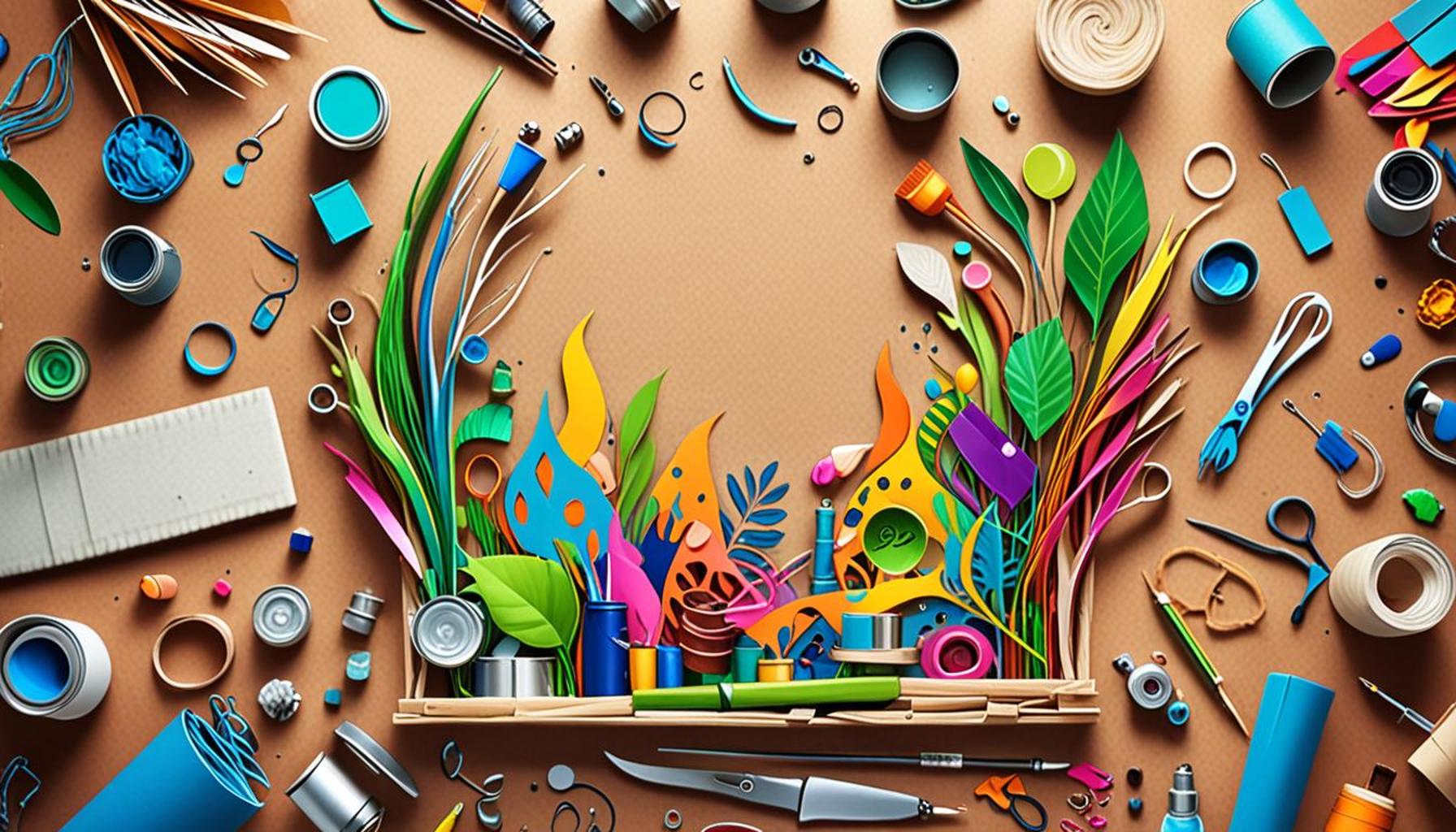
In a world increasingly focused on sustainability, craft making with recycled materials offers a unique avenue for creativity while promoting environmental responsibility. This art form allows enthusiasts to transform everyday waste into stunning pieces, directly contributing to reducing landfill waste and conserving resources. As creative hobbies gain popularity, sustainable crafting stands out, merging ingenuity with environmental mindfulness.
Engaging in this meaningful activity not only fosters artistic expression but also encourages a deeper connection with our planet. Consider the following aspects:
- Environmental Impact: Reducing waste through upcycling minimizes pollution.
- Creative Freedom: Recycled materials open endless possibilities for unique designs.
- Community Connection: Sharing sustainable crafts can build bonds with like-minded individuals.
As we explore the realm of sustainable craft making, get ready to discover the Top 5 innovative projects that not only celebrate creativity but also respect the environment. This journey will inspire you to see potential in what others may deem useless and ignite your passion for a greener future.
Top 5 Sustainable Crafting Ideas: Creating Beauty with Recycled Materials
Craft making has taken a significant turn towards sustainability as creators worldwide embrace the beauty and potential of recycled materials. The emphasis on environmentally friendly practices in the art and craft world has invited people to reconsider how they perceive ‘waste.’ This movement is not just about reducing environmental impact but also about viewing the world with a fresh perspective that sees materials not as refuse but as opportunities for creation. In this article, we rank the top five ways you can explore sustainable crafting, showcasing different projects that not only beautify your surroundings but also contribute positively to the environment. Get ready to be inspired by how you can turn trash into treasure!
5. Recycled Paper Crafts
One of the most accessible and enjoyable forms of sustainable crafting is working with recycled paper. Old newspapers, magazines, cardboard, and other paper products are frequently discarded when no longer needed, but they offer endless crafting possibilities. Beyond creating art, using recycled paper is an excellent way to give these materials a new lease on life. This method has the dual benefit of reducing waste in landfills and providing a limitless canvas for creativity.
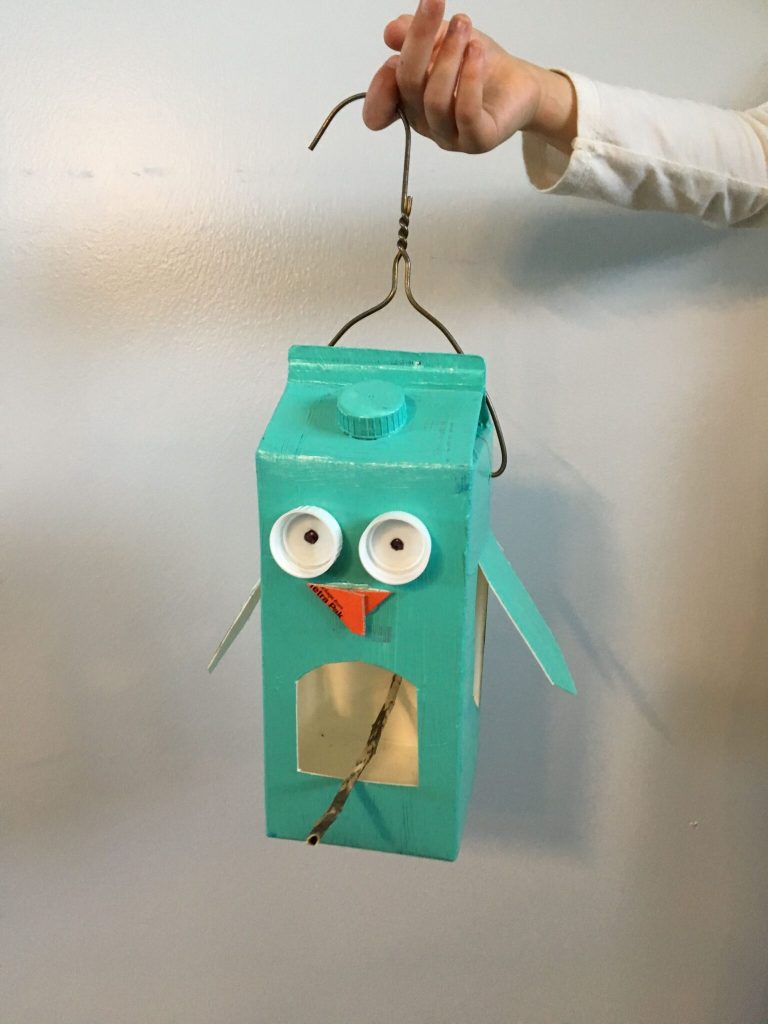
Consider starting with these projects:
- Paper Mache: A timeless classic, paper mache involves crafting sculptures or decorative bowls by layering paper and glue over a form, creating a sturdy structure that can be painted or adorned.
- Origami: This Japanese art of paper folding can transform simple sheets into intricate designs, from cranes and flowers to boxes and fantastical creatures, requiring nothing but precision, patience, and imagination.
- Collages: By compiling colorful scraps of paper, advertisements, and textures, one can create vivid expressions of creativity and stories through visual art.
Recycled paper crafts not only reduce waste but also invite any artist to stretch their imagination, turning what was once considered trash into art that tells a story.
4. Bottle Cap Art
Often overlooked, bottle caps are a versatile yet underused medium in crafting. They frequently end up as waste after serving their initial purpose; however, their uniform shape and vibrant colors make them ideal for various art and decorative projects. Whether you collect them deliberately or find them accumulating from various events, these small items hold enormous creative potential.
Get creative with these ideas:
- Wall Hangings: By arranging bottle caps into a mosaic or thematic design, you can create striking wall art that adds a personal touch to any space.
- Magnets: By attaching a magnet to the back, any bottle cap can become a charming decoration for your refrigerator, perfect for collecting memories or showcasing favorite brands.
- Flower Pots: Use caps as decorative elements around potted plants, giving them a whimsical and colorful flair.
By transforming bottle caps into art, you not only showcase personal style but also reduce environmental impact by preventing them from ending up in landfills—giving a second life to materials while minimizing waste.
3. Upcycled Fabric Crafts
Textiles are one of the largest categories of waste worldwide, with tons of clothing and fabric scraps disposed of annually. However, upcycled fabric crafts offer innovative ways to transform these seemingly unusable materials into something functional and beautiful. The thrill of converting old shirts, jeans, or scraps into new creations not only supports sustainability but adds a personal value to things that would otherwise be discarded.
Here are some creative projects to consider:
- Patchwork Throws: Use various fabric pieces to fashion a cozy throw or quilt, ideal for keeping warm or as a decorative piece.
- Bag Making: Convert old jeans or t-shirts into trendy tote bags or purses, merging fashion with sustainable practices.
- Fabric Art: Assemble scraps into a patchwork of wall art or banners that reflect your unique aesthetic.
Upcycling fabric not only reduces landfill waste but also allows crafters to tell a new story with their creations, showcasing a commitment to thoughtful consumption and creativity.
2. Tin Can Lanterns
Tin can lanterns are an enchanting way to upcycle common kitchen waste into charming, practical decorations. Often thrown away, tin cans represent an underutilized resource—and when repurposed, they provide delightful utility combined with artistic flair. This sustainable crafting practice involves using cans in a way that brightens homes or gardens with warm, atmospheric lighting.
Explore these creative uses:
- Garden Lanterns: Transform cans with holes and paint into glowing lights that enhance outdoor spaces, adding a magical touch to evenings.
- Seasonal Decor: Customize designs for holidays and special events, each can reflecting festive themes or seasonal motifs.
- Personalized Gifts: Craft lanterns tailored to the taste of friends or family, offering a thoughtful and eco-friendly gift idea.
This approach blends creativity with functionality, proof that even mundane materials can illuminate spaces and enrich the world eco-consciously.
1. Creative Furniture Upcycling
Leading the list is the remarkable practice of creative furniture upcycling. As one of the larger components of home waste, furniture often gets discarded when outdated or damaged. Yet, with some creativity, these pieces can be revitalized and infused with personal charm. This trend not only diverts items from landfills but also uniquely personalizes living spaces.
Consider embracing upcycling with these ideas:
- Refinishing Wooden Chairs: Customize these pieces by sanding, painting, or re-staining to create a refreshed look that complements your home’s aesthetic.
- Transforming Dressers: Updating hardware and adding a splash of paint can turn an old dresser into a statement piece.
- Repurposing Shelves: Convert unused shelving units into functional storage by modifying size, shape, or appearance to fit new uses.
Creative furniture upcycling is a profound exercise in sustainability and personal creativity, inviting everyone to reimagine the potential of their old furniture rather than resigning it to the trash heap.
In conclusion, sustainable crafting showcases the potential to turn everyday waste into artistic treasures. These practices not only highlight the importance of resourcefulness and creativity but also promote a positive environmental impact. Each piece created tells a story of transformation and dedication to preserving our planet for future generations. Join this movement by exploring these top five sustainable craft ideas and discover the beauty of creating with recycled materials.
| Category | Details |
|---|---|
| Environmental Impact | Utilizing recycled materials significantly reduces waste that would otherwise end up in landfills, promoting a healthier planet. Crafts that embrace sustainability safeguard natural resources by minimizing the need for new materials. |
| Creativity Boost | Recycling encourages artisans to think outside the box, leading to unique and innovative creations. Crafting with limitations often sparks ingenuity, resulting in stunning artworks that exemplify creativity and resourcefulness. |
| Community Engagement | Sustainable crafting fosters community relationships as people come together for workshops and events. Collaborative projects can strengthen community ties while promoting awareness about sustainability. |
| Economic Benefits | Craft making with recycled materials can open up new business opportunities. Entrepreneurs are increasingly drawn to this market, benefiting from lower material costs and the growing consumer demand for eco-friendly products. |
Frequently Asked Questions about Sustainable Craft Making
What is sustainable craft making, and why is it important?
Sustainable craft making involves creating art or decorative items using recycled or upcycled materials. This approach reduces waste, conserves natural resources, and minimizes environmental impact. It is important because it encourages a shift from a disposable culture to one that values creativity and resourcefulness while protecting the planet.
What kind of materials can be used in sustainable crafts?
Sustainable crafts can utilize a wide range of materials, including glass bottles, newspaper, plastic containers, and even old fabrics. The key is to give new life to items that would otherwise end up in landfills. Many artists experiment with different materials to discover unique textures and designs, often leading to innovative and unexpected creations.
How can I start making crafts with recycled materials at home?
Starting with sustainable craft making at home can be both simple and rewarding. Begin by collecting items that would otherwise be discarded, such as cardboard boxes or tin cans. Look for inspiration through online platforms, workshops, or community groups dedicated to sustainable living. Once you have a concept in mind, experiment with different techniques and remember that there are no mistakes in crafting—only creative opportunities.
Are there any communities or resources dedicated to sustainable craft making?
Yes, there are numerous communities, both online and offline, dedicated to sustainable craft making. Websites, social media groups, and platforms like Pinterest offer a plethora of ideas and tutorials. Additionally, attending local craft fairs or workshops can provide valuable insights and allow you to connect with other enthusiasts who share a passion for sustainability. Engaging with these communities can be inspiring and can enhance your creative journey.
Conclusion: The Art of Sustainable Craft Making
In the rapidly evolving world of creative hobbies, sustainable craft making stands out by offering both an artistic outlet and an ecological conscience. Throughout our exploration of “Craft Making Sustentável: Criando Beleza com Materiais Reciclados,” we discovered that this practice is not only about beautifying homes but also about preserving our planet for the future.
Key takeaways include the innovative use of recycled materials to create visually stunning and functional art. This approach allows crafters to minimize waste while adding unique, personal touches to their creations. The shift towards sustainability in arts and crafts encourages a reduction in environmental impact and promotes mindful consumption.
Moreover, sustainable craft making empowers individuals to think creatively and resourcefully. By transforming discarded items into cherished possessions, crafters contribute to a circular economy that challenges the throwaway culture. This practice fosters a community of like-minded creatives who value both art and the environment.
In light of the growing environmental challenges, embracing sustainable crafting is imperative. It not only sparks creativity but also allows individuals to advocate for a greener planet through their art. Crafting with recycled materials is an inspiring journey, offering endless possibilities to innovate and personalize while maintaining ecological responsibilities.
As we continue to navigate the artistic landscape, the principles of sustainable craft making serve as a reminder of the beauty that comes from conscientious creativity. This practice presents an opportunity to reduce, reuse, and redefine what waste can become. Join the movement, explore new techniques, and contribute to a world where creativity and sustainability harmoniously coexist.