Techniques of Traditional Craftsmanship: Reviving Ancestral Skills and Knowledge
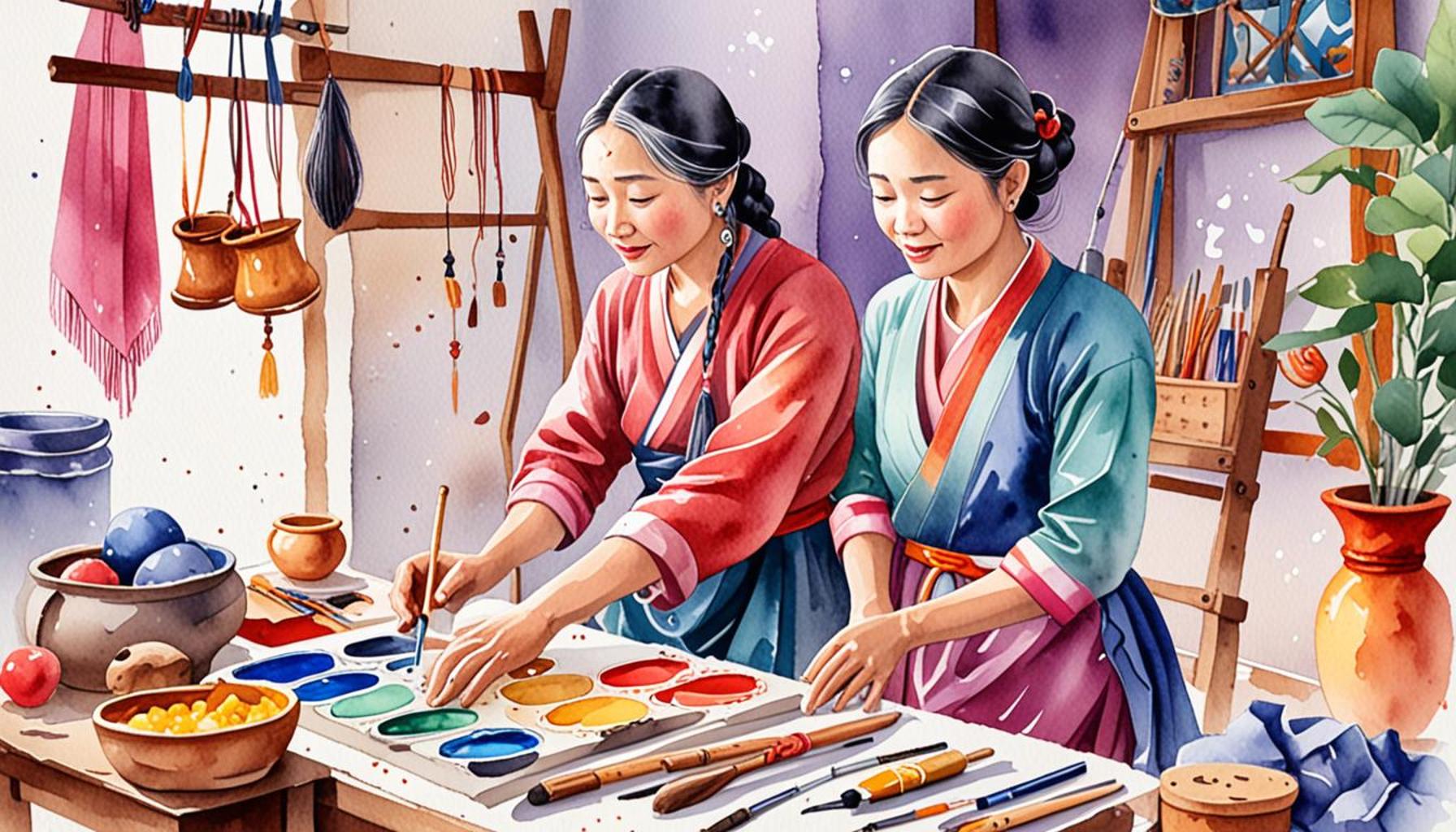
Celebrating Heritage Through Craftsmanship
In an ever-evolving world, the techniques of traditional craftsmanship offer a captivating glimpse into our cultural heritage. The rise of modern technologies has often led to the neglect of time-honored skills, but a renaissance of these ancestral practices is manifesting across the globe. This revival reminds us not only of the beauty of handmade artistry but also of the intricate stories and techniques that accompany these creations.
Reviving these practices is about more than just aesthetics; it serves to sustain communities economically and culturally. Here are a few key aspects of traditional craftsmanship that are gaining prominence and how they impact both artisans and consumers alike:
- Artisanal Techniques: Traditional methodologies, including pottery, weaving, and woodworking, are gaining renewed attention. For instance, the intricate skills of Navajo rug weaving in the Southwestern United States highlight a blend of cultural significance and artistic expression. Each rug emanates tradition, often taking weeks or months to complete, with patterns that reflect the weaver’s heritage.
- Local Materials: Craftspeople are increasingly sourcing organic, locally sourced materials to maintain authenticity. This trend is particularly evident in the revival of basket weaving using native grasses and reeds. By utilizing local resources, artisans not only reduce their environmental footprint but also foster a deeper connection to their regional landscapes.
- Cultural Significance: Each handcrafted piece tells a story rooted in regional history and traditions. Take, for example, the ceramic arts of the Pennsylvania Dutch, whose handmade tiles and pottery encapsulate centuries of cultural narratives. The designs often reflect community values and historical events, ensuring that the stories of the past remain alive in contemporary culture.
Understanding and implementing these techniques can lead to a broader appreciation for our artistic lineage. This movement is not merely about preserving skills but also about fostering a sustainable future through ethical production practices. As consumers become more conscious of their choices, the demand for sustainable and ethically sourced goods continues to grow, pushing artisans towards greater transparency in their processes.
As we dive into the world of traditional craftsmanship, we uncover the profound impact these skills have on local economies and global cultures. With every stitch, stroke, and sculpt, artisans are weaving a narrative that connects generations. This connection inspires new creators to join the journey, exploring these rich methods and learning from the past while contributing to a vibrant future.
In conclusion, embracing traditional craftsmanship not only preserves vital skills and stories but also encourages us to reflect on our values as consumers in an increasingly digital world. By supporting artisans, we contribute to a more sustainable economy and help keep the threads of our shared heritage intertwined.
Rediscovering Time-Honored Techniques
The world of traditional craftsmanship is not just a relic of the past; it is a vibrant practice that continues to evolve and inspire. Techniques that have been handed down through generations are not merely utilitarian; they embody the ethical values and cultural narratives of communities. By exploring these methods, artisans rediscover their roots while infusing modern significance into their work. Every craftsperson has a unique story and technique that contributes to the broader tapestry of tradition.
One such technique is the age-old craft of blacksmithing, which has seen a notable resurgence in the United States. This formidable art, once vital for tool and equipment fabrication, is transforming into an expressive medium where individual creativity flourishes. Blacksmiths are now crafting everything from decorative metalwork to functional household items. This shift not only strengthens the appreciation for metalwork but also aids in cultivating a modern relevance for a skill that was on the verge of extinction.
Another important facet of traditional craftsmanship is its use of natural dyeing, particularly in the world of textiles. Artisans are reviving methods that use plant-based dyes, which are both sustainable and environmentally friendly. Cultivating a profound respect for ecosystems, these practices demonstrate an understanding that art is not isolated from nature, but rather intrinsically linked to it. From the bright yellows of goldenrod to the deep blues of indigo, artisans are reconnecting with nature while creating vibrant fabrics that tell a story in every stitch.
Moreover, the technique of handweaving has recently gained traction among artisans across the country. Skills passed down through generations manifest in intricate patterns and textures woven into blankets, clothing, and wall hangings. One notable example is the revival of the traditional Appalachian weaving techniques, where local artisans blend simplicity and complexity into stunning creations. These textiles reflect the cultural heritage and narratives of the Appalachian region, and the artisans behind them are actively preserving their history while also appealing to a modern audience.
- Blacksmithing: A resurgence of this ancient craft highlights the transition from mere functionality to artistic expression.
- Natural Dyeing: Artisans are embracing plant-based dyes to create stunning textiles that honor sustainability.
- Handweaving: Traditional Appalachian techniques are woven into a narrative-rich tapestry that celebrates local culture.
An integral part of reviving these techniques is the emphasis on community engagement. Workshops, online classes, and artisan markets offer avenues for both seasoned craftspeople and aspiring makers to connect with one another, share knowledge, and promote their work. This approach goes beyond skill-sharing—it fosters a collective appreciation for traditional craftsmanship and invites more people into the conversation about the role of handmade goods in a world dominated by mass production.
As we delve deeper into the world of traditional craftsmanship, we uncover a reservoir of history, talent, and resilience that continues to shape our cultural landscape. Far from just skills, these techniques offer the framework for understanding our past while inspiring the innovations of the future. The revival of ancestral practices not only enhances our appreciation for the arts but also lays a foundation for generations to come.
| Advantages | Impact & Benefits |
|---|---|
| Cultural Preservation | Reviving traditional skills ensures that cultural identities are maintained, allowing future generations to understand their heritage. |
| Skill Development | Learning craftsmanship fosters dexterity, patience, and a sense of achievement, enhancing personal growth and creativity. |
Alongside these advantages, the revival of *traditional craftsmanship techniques* offers a plethora of other benefits. One significant aspect is sustainability; many ancestral methods utilize natural materials and traditional practices that are environmentally friendly. This approach results in fewer resources consumed compared to modern manufacturing processes. Additionally, engaging with traditional craftsmanship can serve as a community-building tool, bringing local artisans together and fostering collaboration and support among them. Moreover, as artisans breathe new life into these time-honored practices, they often innovate by blending old techniques with modern designs. This fusion not only increases the relevance of traditional crafts in today’s marketplace but also opens avenues for economic opportunities within local communities. The growing interest in craftsmanship can consequently drive both tourism and customer engagement, ensuring that artisanal work finds its rightful place alongside contemporary products. The journey of exploring these *ancestral skills* not only leads to personal enrichment but also elevates the broader conversation about *sustainable practices* in today’s world, ultimately urging consumers to consider the origin and impact of their purchases.
Cultural Rejuvenation Through Craftsmanship
Reviving traditional craftsmanship is not merely an exercise in artistic expression; it serves as a critical framework for cultural rejuvenation. Many artisans and collectives are embracing cooperative models to preserve endangered skills while facilitating intergenerational knowledge transfer. For instance, the Mexican Huichol community, known for their vibrant beadwork and yarn paintings, has been actively involving younger generations in these crafts. By doing so, they ensure the continuation of their cultural legacy, while also instilling a sense of pride and identity among the youth.
Similarly, the craft of pottery is experiencing a renaissance in various regions of the United States. Indigenous artisans, such as those from the Pueblo tribes, are reviving traditional techniques that blend functionality with striking aesthetics. These potters are utilizing age-old methods such as coiling and pit-firing, often infusing pieces with traditional motifs that speak to their cultural backgrounds. This resurgence not only honors their ancestral practices but also addresses contemporary consumers’ growing desire for authenticity in handcrafted goods.
Another significant technique gaining traction is woodworking, particularly in green woodworking, where artisans harness traditional methods to create functional and artistic pieces from sustainably sourced timber. This movement fosters a deep connection with the environment, emphasizing a responsible approach to resources—a crucial message in today’s climate-conscious society. Artisans in the United States have been exploring techniques such as spoon carving and bow making, showcasing the inherent beauty of the wood through traditional tools and methods. As they navigate the balance between art and sustainability, these craftsmen contribute to a growing appreciation for the natural world and the importance of preserving it.
Modern Adaptations of Traditional Crafts
The revival of traditional craftsmanship also encourages innovative adaptations that resonate with contemporary audiences. For example, in the realm of leatherworking, artisans have begun to blend traditional techniques with modern design principles to create high-demand products like handbags and accessories. The use of traditional saddle stitching by leatherworkers not only serves to enhance the durability of their products but also tells a story of craft lineage and expertise.
Moreover, artisans are turning to digital tools to complement traditional craftsmanship, making it possible to reach broader markets. By utilizing social media platforms and e-commerce sites, artisans can showcase their work to a global audience. This hybrid approach enables them to maintain the essence of their craft while engaging in contemporary marketing strategies. As a result, traditional craftsmanship is no longer confined to a niche market, but rather enters the mainstream, ensuring its survival and relevance in modern society.
- Cooperative Models: Artisans are using community structures to preserve skills and engage younger generations in craft practices.
- Pueblo Pottery: Indigenous methods are being revived to create functional art that reflects cultural identity.
- Sustainable Woodworking: Green woodworking emphasizes environmentally responsible practices while honoring traditional methods.
- Digital Integration: The adaptation of modern tools helps artisans reach a larger audience while maintaining traditional craftsmanship.
Through these diverse techniques, the revival of traditional craftsmanship is not simply an individual endeavor but a collective movement towards cultural preservation and sustainable living. As more artisans embrace their heritage and redefine their craft, they contribute to a rich storytelling tradition and a vibrant community dedicated to honoring ancestral skills and knowledge.
The Future of Traditional Craftsmanship
In conclusion, the revitalization of traditional craftsmanship represents not just a commitment to preserving ancestral skills and knowledge, but also an exciting opportunity to foster cultural continuity and innovation in today’s fast-paced world. As artisans adopt cooperative models, they ensure that vital techniques are passed down through generations, while simultaneously instilling a sense of identity and community among the youth. The resurgence of practices like Pueblo pottery and green woodworking highlights the deep connection between craftsmanship, sustainability, and cultural heritage.
Moreover, the integration of modern tools and platforms allows these age-old techniques to reach wider audiences, transforming traditional craftsmanship from niche markets to mainstream recognition. The fusion of heritage and contemporary design not only captivates consumers but also encourages a more significant appreciation for authenticity in handmade goods. As we consider the future of these crafts, we are reminded of their relevance in promoting environmental responsibility and cultural storytelling.
Ultimately, the journey of reviving traditional craftsmanship is a testament to resilience and adaptability. It challenges us to value the stories that intricate techniques tell while engaging in a conversation about sustainability and cultural significance. As more artisans continue to chart their paths by honoring their roots while embracing modernity, they pave the way for a richer, more diverse tapestry of creativity that reflects our shared human experience. This is a narrative worth exploring—one that beckons both artisans and consumers alike to participate in a movement that truly celebrates the past while forging new futures.