The Impact of Learning an Instrument on Cognitive Development
The Role of Music in Cognitive Development
Music transcends the boundaries of mere entertainment and emerges as a vital tool for enhancing cognitive abilities in individuals of all ages. Numerous studies have demonstrated that learning to play an instrument significantly transforms brain function, leading to profound implications for cognitive development. This intriguing connection invites us to investigate the ways in which music education fosters cognitive growth and the broader effects on an individual’s life.
Cognitive Skills Enhanced by Music
When one engages in playing an instrument, several cognitive skills are stimulated, each contributing to the enhancement of overall brain function. These include:
- Memory enhancement: The process of learning notes, scales, and full compositions exercises both short-term and long-term memory capabilities. For instance, aspiring musicians often memorize complex pieces, which strengthens neural pathways and improves memory retention across various contexts.
- Improved attention: Concentrating on intricate musical patterns and rhythms promotes an extended attention span. Research shows that musicians develop superior ability to focus on tasks, as they learn to filter out distractions while performing.
- Language skills: Music training can significantly influence literacy and language development. The connection between rhythm, pitch, and phonetic awareness allows children to enhance their grasp of language structures. This is particularly evident in young students who often see improved reading skills in the classroom.
The Broader Implications of Music Education
Beyond the immediate benefits of music education, these cognitive improvements have been shown to transfer into other areas of life, notably impacting academic performance and personal growth. According to research published by the American Psychological Association, children who engage in music education regularly tend to excel in subjects such as mathematics and reading, positioning them for success in both school and life. For example, students involved in band programs are often found to perform better on standardized tests compared to their non-musical peers.
This becomes particularly significant when considering educational policies across the United States. As schools are increasingly faced with budget cuts, arts programs, including music education, are often the first to go. However, understanding the enhanced cognitive benefits associated with music could serve as a pivotal argument for retaining these crucial programs. Schools that integrate comprehensive music education can foster environments where creativity flourishes, driving not only musical skills but also essential cognitive abilities.
Conclusion
As we continue to unravel the intricate connection between music and cognitive skills, it becomes clear that the implications of music education extend far beyond the notes on a page. From boosting memory and attention to enhancing language skills, the benefits ripple through academic achievement and personal development. In a world that increasingly values innovation and creativity, embracing music education could be a key to unlocking potential across generations.
Unpacking the Cognitive Benefits of Instrument Learning
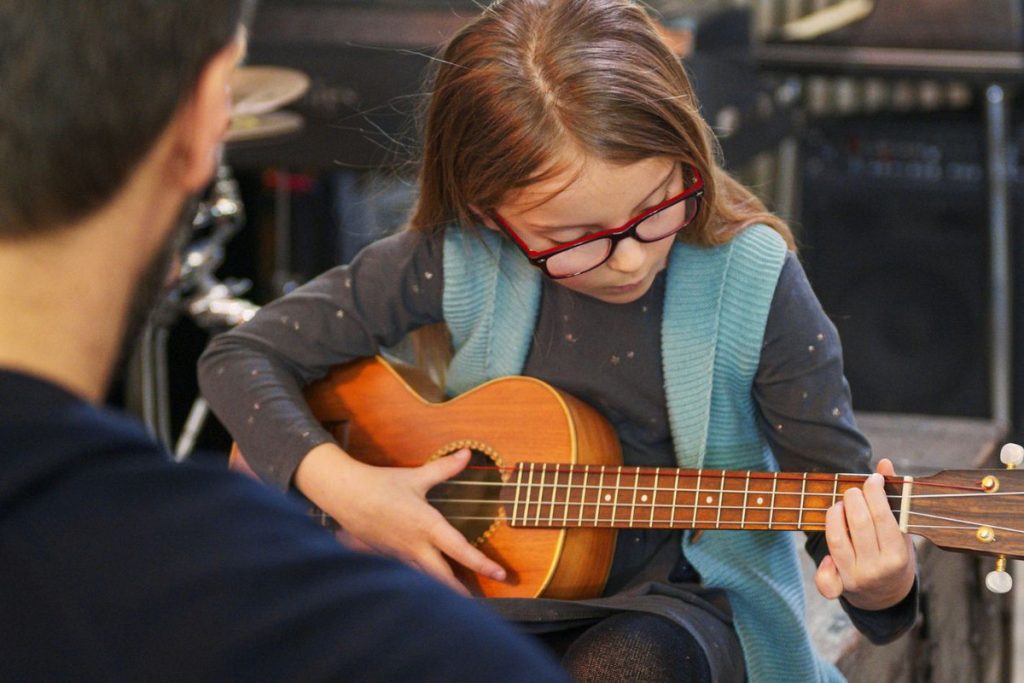
The journey of learning an instrument is much more than acquiring musical proficiency; it serves as a powerful catalyst for cognitive enhancement. Engaging with music requires multifaceted brain processes that shape the way individuals think, learn, and interact with their environment. Studies have revealed that the rigorous practice of playing an instrument can yield substantial benefits across various cognitive domains, promoting improved life skills that extend beyond mere musicality.
Key Cognitive Processes Influenced by Instrument Training
Learning to play an instrument sets off a chain reaction of cognitive functions that collectively bolster brain performance. Here are some key areas positively influenced by this form of education:
- Spatial-Temporal Skills: Musicians are often found to exhibit enhanced spatial-temporal skills, which are essential for problem-solving in areas such as mathematics and engineering. The process of understanding musical notation and translating it into physical movement demands spatial awareness, thereby nurturing critical thinking skills applicable in everyday tasks.
- Executive Function: Learning an instrument engages various components of executive function, such as planning, working memory, and cognitive flexibility. Musicians develop the ability to think on their feet and juggle multiple tasks, which is crucial in both academic settings and social situations.
- Emotional Intelligence: The expressive nature of music fosters emotional awareness and empathy in individuals. By interpreting and conveying emotions through their instrument, musicians become more attuned to both their own feelings and those of others, enhancing their interpersonal skills and emotional regulation.
The Influence of Early Music Education
Research highlights the importance of early exposure to music education as a means for maximizing cognitive development. Children who begin instrument training at a young age often show not only improved memory and attention skills but also an increased likelihood of excelling academically. For instance, a study by the National Endowment for the Arts illustrated that youth involved in music programs demonstrated superior performance in standardized subjects like mathematics and literacy. This early engagement lays a foundational cognitive framework, enabling children to embrace complex learning tasks with confidence.
The implications of this research extend to parental choices regarding children’s extracurricular activities. As communities prioritize education, an emphasis on music programs can bolster cognitive skill development. Moreover, with parents increasingly aware of the significant impact of music on cognitive capacities, there is growing support for schools to invest in music education, ensuring that children are equipped with the skills needed for success in a rapidly evolving world.
As we consider the myriad benefits of learning an instrument, it is imperative to understand that these cognitive advantages can set children on a path of lifelong learning, creativity, and adaptability. In an age marked by technology and complexity, the cognitive benefits derived from music education represent a vital pursuit that merits greater attention from educators, policymakers, and parents alike.
The Impact of Learning an Instrument on Cognitive Development
Learning an instrument is not merely a pleasurable pursuit; it exerts profound effects on cognitive development. Research has shown that musicianship significantly enhances multitasking abilities, allowing individuals to juggle various mental tasks more efficiently. This skill translates into improved performance in academic settings as students become adept at handling complex assignments.
Moreover, mastering an instrument fosters critical thinking and problem-solving skills. Musicians constantly analyze and interpret music, which stimulates brain areas associated with these cognitive functions. Consequently, individuals engaged in learning instruments often demonstrate heightened creativity, enabling innovative problem resolution in both academic and real-world scenarios.
Furthermore, studies suggest that young learners who play instruments exhibit increased neuroplasticity, leading to more robust brain development. This adaptability allows the brain to form new connections more easily, which can enhance learning capabilities across various domains. As they engage with music theory and practice regularly, individuals develop persistence and discipline—traits that are invaluable in any life endeavor.
In light of this evidence, let us delve deeper into the advantages of musical training by exploring its multifaceted benefits through the following informative table.
| Category | Benefits |
|---|---|
| Cognitive Enhancement | Improved multitasking and problem-solving skills. |
| Neuroplasticity | Increased brain adaptability fosters new learning capabilities. |
Continuing to explore these advantages, we can see that the integration of music into educational paradigms can enrich our understanding of its effects on cognitive abilities.
The Socio-Emotional Impact of Learning Music
The benefits of learning an instrument extend well beyond cognitive enhancement, permeating the socio-emotional landscape of individuals. Engaging with music fosters a unique set of skills that can enhance social interaction and emotional resilience. Learning an instrument can cultivate a sense of community and belonging while also promoting personal growth and self-discipline.
The Role of Collaboration in Music
One significant aspect of music education is its capacity for fostering teamwork. Many musicians collaborate in ensembles, orchestras, or bands, which requires effective communication and cooperative skills. In a study conducted by the Berklee College of Music, it was found that students participating in collaborative music settings exhibited improved communication skills, which translated well into their academic and personal lives. The ability to listen, adapt, and respond to fellow musicians during a performance builds essential social competencies, reinforcing cooperation and collective goal achievement.
Building Resilience Through Performance
Learning to play an instrument often involves numerous performances, which can be an intimidating yet profoundly rewarding experience. The process of preparing for and executing a performance teaches musicians crucial lessons about resilience, self-efficacy, and coping with stress. According to a report by the American Psychological Association, musicians who regularly perform report increased levels of confidence and a better ability to manage anxiety in stressful situations. This proficiency acquired on stage can be beneficial in various real-life circumstances, such as public speaking, job interviews, and academic presentations.
The Influence of Music on Mental Health
Furthermore, engaging with music can have a profoundly positive impact on mental health. Numerous studies indicate that playing an instrument can serve as a source of emotional release and stress relief. The act of creating music has been associated with reduced symptoms of anxiety and depression, providing an essential outlet for self-expression. The World Health Organization has recognized the therapeutic benefits of music, stating that musical engagement can improve overall well-being and cognitive function. This perspective emphasizes the integral role that music education can play in promoting mental health and emotional stability.
Long-term Benefits of Instrument Learning
The impact of musical training during formative years extends into adulthood, enhancing not only cognitive skills but also social and emotional realms. Research from the University of California indicates that adults who learned an instrument in childhood exhibit greater emotional intelligence, often finding it easier to connect with others and navigate interpersonal relationships effectively. The ability to interpret emotions through music translates into real-world empathy and understanding, making musicians more adept at forming and maintaining meaningful connections.
In light of these findings, the responsibility of parents, educators, and policymakers to nurture access to music education becomes evident. Investing in music programs not only supports cognitive development but also cultivates the emotional and social skills necessary to thrive in today’s interconnected world. As we delve deeper into the significance of learning an instrument, it becomes clear that this endeavor shapes not just talented musicians, but well-rounded individuals capable of navigating life’s complexities with grace and resilience.
Conclusion: A Harmonious Blend of Mind and Emotion
The journey of learning an instrument is a multifaceted experience that significantly enhances cognitive development while also nurturing social and emotional growth. Throughout this article, we have explored how engagement with music not only sharpens the brain’s capacity for critical thinking, memory retention, and problem-solving but also cultivates essential life skills such as collaboration, resilience, and emotional intelligence. The research highlights that musical training lays a strong foundation for lifelong learning, sharpens interpersonal abilities, and fosters mental well-being.
As we consider the long-lasting effects of music education, it becomes increasingly clear that the benefits extend far beyond the notes and rhythms. For instance, the ability to manage stress gained through performing can prove invaluable in various sectors of life, from academics to professional environments. Additionally, the emotional release and therapeutic potential associated with making music can significantly enhance one’s mental health, offering a positive outlet in a bustling world.
Ultimately, investing in music education is not merely an indulgence; it is a crucial step toward developing well-rounded individuals equipped to face the complexities of life. Therefore, it is imperative for parents, educators, and policymakers to advocate for access to music programs. By doing so, we unlock the door to a wealth of cognitive and emotional benefits, paving the way for future generations to thrive both personally and academically. Embracing the impact of learning an instrument offers a harmonious solution to fostering a brighter, more balanced tomorrow.