The Impact of Musical Improvisation on the Development of Self-Confidence

Harnessing the Transformative Effects of Musical Improvisation
Music is often hailed for its ability to foster self-expression, yet its impact on self-confidence through the practice of improvisation remains an underappreciated facet. Engage with improvisation, and one might find themselves uncovering hidden talents and experiencing significant personal growth along the way.
So, what makes musical improvisation such a powerful catalyst for transformation? Let’s unpack some essential elements:
- Creativity Boost: When musicians engage in improvisation, they tap into a wellspring of spontaneity. This practice compels them to think outside the box, liberating their minds from conventional constraints. For example, a jazz musician might experiment with unexpected chord changes, leading to innovative melodies that wouldn’t be revealed through written scores. The uncharted nature of improvisation can be a launchpad for artistic exploration and discovery.
- Risk-Taking: Improvisation inherently involves a willingness to take risks. Participants embrace mistakes, recognizing that every misstep is an opportunity for growth. Through this lens, musicians learn that perfection is not the goal; rather, the act of creating in the moment holds more significance. A classic illustration can be seen during informal jam sessions, where artists gather to explore new musical ideas without the pressure of formal performance. The process is filled with trial and error, which ultimately fosters a healthier relationship with failure and success.
- Social Interaction: Collaborative improvisation acts as a vehicle for enhancing communication skills and building interpersonal connections. When musicians improvise together, they must listen closely to one another, responding in real-time to what others contribute. For instance, an ensemble of diverse instruments might create a spontaneous piece that reflects the unique voices of each player, fostering a sense of unity and camaraderie as they weave their ideas together.
These core elements culminate in a transformative experience that bolsters self-esteem, empowering individuals to expand their comfort zones. As they navigate the uncharted waters of musical improvisation, they not only acquire new skills but also develop resilience and a profound sense of belonging within a community of fellow artists.
This exploration into the world of musical improvisation reveals its extensive benefits for people from all walks of life. Whether it involves children participating in school band programs or adults who are rediscovering their creativity in adult education classes, the positive effects of improvisation are vast and significant.
Join us as we delve deeper into the unique and intricate relationship between musical improvisation and self-confidence, sharing stories and examples that illuminate its profound impact on individuals, groups, and communities across the United States.
Unveiling the Connection Between Improvisation and Self-Efficacy
The journey through musical improvisation often parallels the evolution of self-confidence in profound ways. As individuals engage with the unpredictable nature of creating music on the spot, they encounter scenarios that challenge their perceptions of ability and self-worth. Here are some vital aspects linking improvisation to enhanced self-confidence:
- Encouragement of Personal Expression: Musical improvisation creates a unique platform for individuals to express their feelings and ideas freely, without fear of judgement. When a guitarist breaks into an unplanned solo or a vocalist ad-libs lyrics, they tap into their authentic selves. This act of genuine expression serves to boost self-esteem, as individuals become more comfortable showcasing their individuality. The result? Increased confidence in sharing personal perspectives not just in music, but in everyday life.
- Overcoming Performance Anxiety: Many musicians grapple with stage fright, a common barrier to full engagement in musical performance. Improvisation inherently teaches methods for navigating this anxiety. When musicians embrace the spontaneity of the moment, they learn to focus on the joy of creativity rather than the potential for failure. A pianist at a small venue may find that the freedom of improvisation allows them to connect more deeply with their audience, ultimately leading to a more satisfying performance experience.
- Building a Growth Mindset: The iterative process of improvisation fosters a mindset that values learning through doing. Musicians are often confronted with challenges that require them to adapt quickly and think critically. This practice cultivates resilience, as individuals learn to approach obstacles with curiosity rather than fear. For instance, a drummer might encounter an unexpected rhythm change during a jam session, prompting them to navigate that challenge creatively. Such experiences reinforce the idea that skill and confidence grow through practice and exploration.
These interconnected facets of improvisation contribute to an individual’s overall self-confidence. As musicians innovate and navigate their way through the improvisational landscape, they uncover strengths they may not have recognized before. This journey is not solely about creating music; it serves as a powerful framework for personal development, encouraging self-discovery and self-reliance.
Across the United States, a growing number of programs are harnessing the power of musical improvisation to help individuals develop not just their musical skills but also their self-confidence. Initiatives in schools, community centers, and music camps spotlight improvisation as a key component in curricula aimed at cultivating resilience and self-esteem in participants of all ages.
This exploration of musical improvisation offers a gateway to understanding how stepping into the unknown can enhance self-worth, providing a fertile ground for personal and artistic growth. Join us as we dive deeper into the stories of individuals whose experiences with improvisation have dramatically transformed their sense of self and confidence levels.
| Category | Key Features |
|---|---|
| Enhanced Creativity | Musical improvisation fosters spontaneous expression, allowing individuals to explore unique melodies and rhythms. |
| Risk-Taking Skills | Engaging in improvisation requires stepping out of comfort zones, ultimately leading to higher resilience and adaptability in various life situations. |
| Social Connection | Improvisation enhances collaboration and interaction among musicians, which fosters a sense of belonging and community. |
| Self-Expression | Through improvisation, individuals can convey emotions and personal stories, thereby strengthening their self-identity. |
Musical improvisation can be a profound vehicle for personal development, significantly enhancing self-confidence through its unique attributes. By immersing individuals in the art of spontaneous music-making, they are pushed to harness their creativity without the constraints of predefined structures, which in turn nurtures innovative thinking. Moreover, musical improvisation encourages individuals to take risks, an essential component in developing self-assuredness. Successfully navigating an uncertain musical landscape translates into increased confidence in real-world scenarios.Additionally, the collaborative aspect of improvisation creates a strong sense of connectedness among peers. Musicians often bond through shared experiences, fostering a supportive atmosphere where self-exploration is celebrated. This interaction not only enhances performance skills but also cultivates a robust self-image.Through this multifaceted approach, musical improvisation serves as a powerful catalyst for personal growth and self-confidence. Combining creativity, risk-taking, social interaction, and self-expression ensures that individuals leave their comfort zones and embrace their true potential.
Transformative Experiences Through Collaborative Improvisation
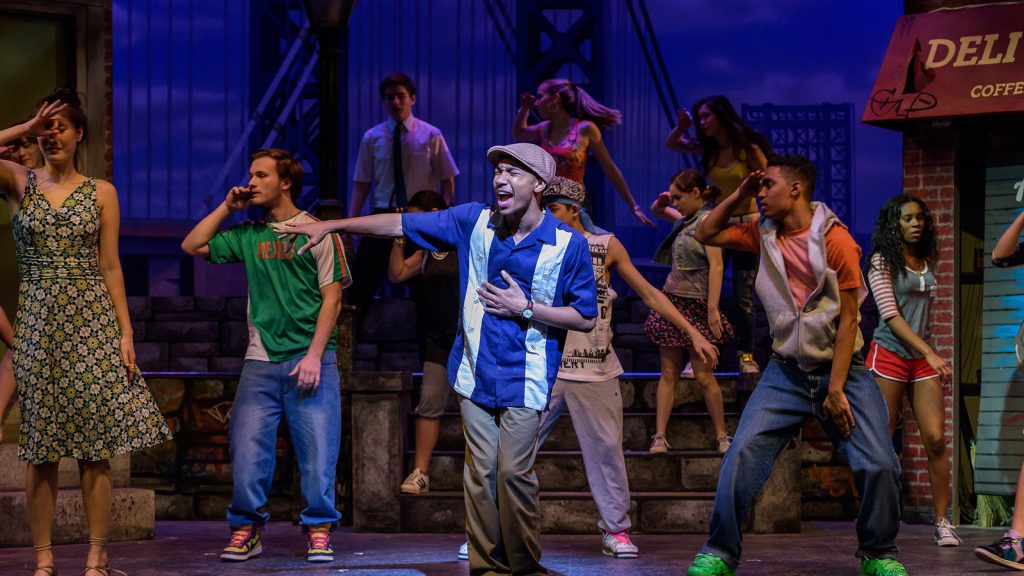
While individual improvisation contributes significantly to self-confidence, the collective nature of group improvisation can amplify these benefits even further. When musicians come together in a collaborative setting, they not only share their talents but also engage in a dynamic exchange that fosters connection, support, and enhanced self-worth. The following points explore how group improvisation influences self-confidence:
- Fostering a Sense of Community: Group improvisation facilitates a powerful sense of belonging. In a band or ensemble, each member contributes their unique voice to create a harmonious blend. This collaboration nurtures relationships that build trust among participants, reinforcing the idea that individuals are valued for their contributions. When musicians witness others appreciating their ideas and creativity, it nurtures an atmosphere where self-confidence flourishes. Programs such as community jazz ensembles or local jam sessions exemplify how shared musical creation cultivates bonds and enhances personal security among musicians.
- Encouraging Risk-Taking: The collaborative improv environment encourages musicians to take risks they might not undertake when performing solo. Group settings alleviate the pressure of individual performance and create a safe space to experiment, push boundaries, and embrace mistakes. When musicians take a creative leap—like a saxophonist throwing in an unexpected note or a bassist altering a rhythm—the response from their peers can validate their initiative and promote risk-taking in future performances. This supportive dynamic grows a culture where failure is seen not as a setback but as an opportunity for growth.
- Reinforcing Feedback Mechanisms: Improvisation in group settings provides immediate feedback that is essential for personal growth. Musicians learn to listen to one another and adjust their play in real-time, allowing for significant improvement in collaboration skills. According to music education research, receiving constructive feedback from fellow musicians not only strengthens techniques but also boosts self-esteem. For instance, a guitarist who masters a riff may receive praise from the ensemble, further solidifying their confidence to tackle more complex improvisations. This constant loop of creation and feedback is crucial for nurturing self-assured musicians.
Many educational institutions and community programs across the United States now integrate collaborative improvisation into their curriculums, recognizing its vital role in bolstering self-confidence. For example, music therapy programs often utilize group improvisation to support individuals dealing with anxiety or social challenges, effectively using music to foster connectedness and personal empowerment. These initiatives showcase that the act of creating music together transcends mere sound; it becomes an avenue for healing and self-affirmation.
As musicians navigate the rich landscape of improvisational collaboration, they cultivate resilience and adaptability, vital traits that extend far beyond the realm of music. The experiences gained through group improvisation serve as a template for tackling life’s uncertainties, leading to a more profound belief in one’s abilities and potential.
Thus, the impact of musical improvisation, especially in group dynamics, presents a fertile ground for nurturing self-confidence, highlighting the intricate relationship between creativity, community, and individual growth.
Conclusion
In conclusion, the journey through musical improvisation reveals profound insights into the development of self-confidence. Engaging in both individual and collaborative improvisation offers a unique platform for personal expression, creativity, and transformational growth. The individual musician who learns to navigate their spontaneity gains a sense of ownership over their artistry, while the collective experience within group settings amplifies these benefits through community, trust, and mutual encouragement. These dynamics are not just advantageous for musicianship; they fundamentally alter the musician’s self-perception, fostering a resilient self-image that extends beyond the confines of music.
Moreover, the atmosphere created in group improvisation encourages risk-taking and the acceptance of mistakes, which are crucial components in building self-confidence. As musicians explore new territories with their peers, they learn that vulnerability can lead to personal breakthroughs, redefining their relationship with failure as a learning opportunity rather than a setback. Such an approach is essential for cultivating not only personal growth but also the essential skills of collaboration and adaptability in various life situations.
By integrating collaborative improvisation into educational settings and community programs, we can harness its power to develop self-confidence effectively. As music continues to serve as a bridge for connection and empowerment, the implications reach far and wide—reminding us that through the art of improvisation, we can all find our voice, bolster our self-esteem, and step into our potential with assurance.