The Influence of Music on Writing: How Melodies and Lyrics Can Inspire Stories
Music’s Impact on the Narrative Craft
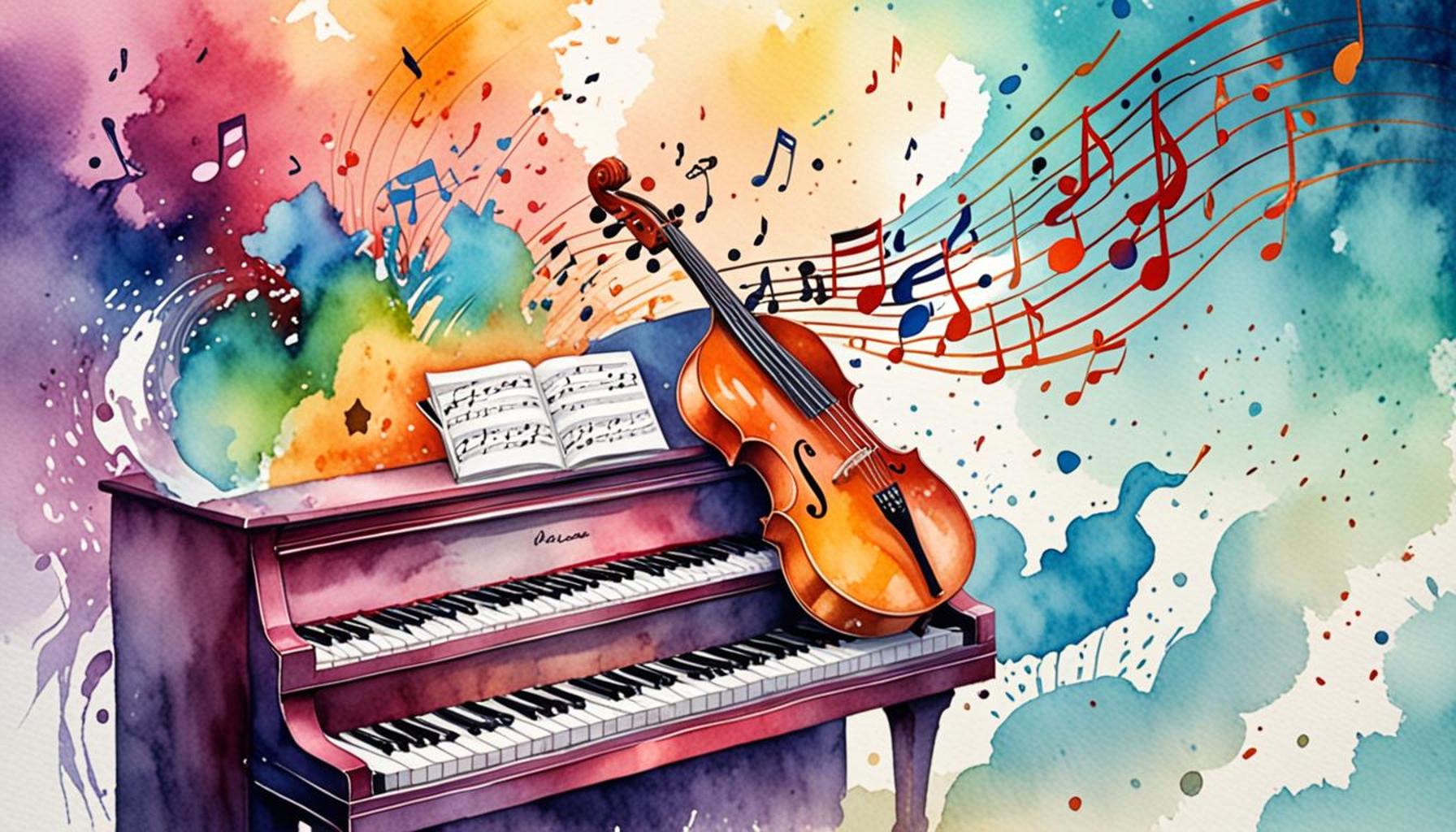
Throughout history, music has been an integral part of storytelling, evolving alongside human culture and expression. From ancient ballads depicting epic tales of heroes to modern pop songs narrating personal experiences, the synergy between music and storytelling is undeniable. The emotional pull of a melody or a poignant lyric can unlock the creative potential in writers, allowing them to craft narratives that resonate deeply with audiences.
One of the most significant ways in which music influences various aspects of writing is through emotional resonance. Music evokes powerful feelings, and when these emotions are channeled into writing, they add richness and depth to characters and settings. For example, a dramatic symphony might inspire a tense scene in a thriller, whereas a cheerful folk tune could set the mood for a heartwarming romance. Writers like Nora Ephron have often discussed the transformative power of music, emphasizing how specific genres can evoke memories and feelings that further ignite their storytelling creativity.
- Emotional Resonance: Music has the unique ability to evoke emotions, offering writers a deeper understanding of their characters’ inner lives. A somber melody can perfectly encapsulate a character’s grief, enhancing the reader’s empathetic connection.
- Rhythm and Flow: The natural cadence found in music can also influence the pacing of prose and poetry. For instance, a fast-paced rock song might inspire a sequence of rapid-fire dialogue, while a slow ballad could lead to a more reflective passage filled with introspection.
- Thematic Inspiration: Lyrics often explore universal themes such as love, loss, and hope—providing a narrative framework. Bob Dylan’s poignant songs frequently delve into social issues, igniting writers to explore similar themes in their works.
Many acclaimed authors have openly declared their fondness for music as a creative stimulant. Stephen King, for example, curates playlists that fuel his writing sessions, often tailoring these playlists to the specific mood of each project. He attributes some of his most powerful scenes to the energy generated by these musical backdrops. Similarly, writers like Haruki Murakami have maintained their writing rituals that include listening to jazz, allowing the genre’s fluid improvisation to seep into their prose.
As we further explore the influence of music on writing, it becomes clear that the harmony of sound and story creates a compelling dynamic that can elevate any narrative. By actively engaging with music during the writing process, authors can uncover new dimensions to their storytelling, revealing fresh ideas and perspectives that they might not have accessed otherwise. Whether you’re composing the next great American novel or crafting heartfelt poetry, understanding this connection could transform your creative endeavors.
Discover how to harness these musical influences for your own writing journey, and explore the rich terrain where melodies and narratives intersect. By leaning into the emotional, rhythmic, and thematic elements of music, you can unlock new pathways for storytelling that captivate and resonate with your audience.

The Interplay of Emotion and Expression
To understand the influence of music on writing, one must first appreciate the intricate relationship between emotion and expression. Music has the remarkable ability to mirror the complexities of human experience, encapsulating feelings and stories in mere notes and rhythms. As writers engage with music, they unlock a reservoir of inspiration drawn from both the melodies and the narratives that inspire them. This creative synergy fosters a unique environment where themes of love, loss, joy, and despair can be woven into compelling narratives.
Consider the way music communicates without words. A soaring violin might evoke feelings of triumph or nostalgia, while a gentle piano piece may convey sadness or longing. This emotional language, crafted through tempo and dynamics, deeply resonates with writers, enhancing their understanding of how to manipulate tone and mood within their own works. The act of listening to music can become a prelude to writing; it helps to set the emotional stage for the thoughts and ideas to follow, allowing writers to tap into feelings that they can articulate eloquently on the page.
- Inspiration Through Imagery: Many authors draw upon the vivid imagery presented in song lyrics. For instance, the poignant storytelling found in folk music often conjures powerful visual elements that authors can transpose into their narratives. Such images can serve as a springboard for plot ideas or character development.
- Character Development: When writers create characters, the music they listen to can help define their personalities. A character drawn from the somber tones of a blues track might navigate the world with a heavy heart, while one influenced by the upbeat sounds of pop could embody optimism and enthusiasm.
- Setting the Scene: The atmosphere created by music can influence the backdrop of a story. A haunting melody might inspire a dark, gothic setting, whereas a lively folk song could prompt a vibrant, bustling marketplace. Writers can use these sensations to create immersive environments that pull readers into the story.
Many successful authors have openly recognized music as an essential part of their creative processes. Notably, the late novelist Ray Bradbury often cited music as a pivotal influence on his works. He would compose while listening to classical compositions, claiming that the intricate structures of the pieces helped him navigate his own narrative architecture. Similarly, author Neil Gaiman has mentioned that listening to specific albums while writing helps him to establish the desired atmosphere, creating a unique synergy between sound and story.
As writers tune into music, they embark on a journey that transcends mere lyrical inspiration; they engage with the nuanced interplay of sound, emotion, and narrative. The possibilities that arise from this engagement are boundless, as each melody acts as a unique guide leading them to unexplored creative avenues. By recognizing and harnessing the multitude of ways in which music influences writing, authors can expand their imaginative horizons and enhance the emotional depth of their narratives, forever altering how they craft their stories.
The Power of Lyrics in Storytelling
Lyrics often serve as a potent narrative device, weaving complex emotions and scenarios in their rhythmic confines. The lyrical structure allows writers to harness the emotive power of language, using it to craft dynamic characters or compelling story arcs. Consider the haunting lyrics of a ballad or the storytelling prowess of folk songs; these melodies and words converge to form vivid imagery that can inspire authors to explore analogous themes in their writing.Certain artists have a gift for painting pictures through music, allowing writers to embrace these themes or even their emotional undercurrents to fuel their own creativity. For instance, Bob Dylan’s “Tangled Up in Blue” unfurls a multi-layered narrative that can spur writers to think about varying perspectives and time shifts within their stories. Similarly, modern artists like Taylor Swift draw from personal experiences, resonating with audiences and encouraging writers to explore their own life experiences as fuel for fiction.Even instrumental music can have a profound impact on writing. Composers like Ludovico Einaudi create soundscapes that evoke specific emotional states. Writers frequently use these scores to set the mood for their work; each note can inspire scenes or character development, thus pushing the narrative forward.
Musical Genres as Frameworks for Narrative
Different musical genres offer unique storytelling frameworks. For example, country music often reflects themes of hardship, nostalgia, or love, which can compel writers to delve deeper into human experiences. In contrast, hip-hop frequently highlights resilience, social issues, and personal identity, provoking writers to confront similar issues in their storytelling. Exploring the lyrical contexts of diverse genres not only broadens the writer’s perspective but can also lead to more enriched narrative experiences.Furthermore, engaging with the cultural significance of music genres can deepen a writer’s understanding of societal narratives. By integrating these musical influences, authors can create more authentic, layered representations of characters and settings that resonate with readers, making their storytelling more impactful and relevant.Taking inspiration from music goes beyond mere imitation; it encourages writers to innovatively interpret the world using different modalities. Whether drawing from lyrics, narratives, or melodies, the intersection between music and writing invites continuous exploration and creativity. Make sure to engage with various musical styles and artists, allowing them to inform and enrich your writing process, as they can serve as a profound inspiration for the unfolding tales that lie within you.
Soundtrack for Storytelling
The role of music in shaping narrative structures goes far beyond mere ambiance; it effectively transforms writing into an evocative experience. Writers can curate specific playlists to accompany their drafting sessions, creating an audio environment that fosters creativity. This practice not only stimulates the imagination but also reinforces a writer’s workflow, enabling them to develop a rhythm akin to the structure of a song. The beats and cadences found in various genres can dictate the pacing of a story, ensuring that key moments are delivered with the appropriate intensity.
For example, an author aiming to craft a fast-paced thriller might opt for high-energy rock or electronic tracks, which fuel adrenaline-fueled passages and races against time. Conversely, an intimate drama set in a quiet town might benefit from soft acoustic music, allowing for moments of reflection and deep emotional connection. This method encourages authors to align the musical tempo with the narrative’s flow, crafting a seamless transition between sections that mirror the shifting emotional landscapes of their characters.
- Cultural Connections: Music serves as a connector between varied cultural landscapes, often informing the depth and authenticity of characters, plotlines, and settings. Incorporating music from different cultures or historical periods allows writers to explore diverse narratives, while also educating themselves and their readers on global perspectives.
- Exploration of Themes: Themes prevalent in songs often find their counterparts in literature. Writers can dive into the lyrical world, drawing from issues such as heartbreak, social justice, or rebellion. Bob Dylan’s poignant lyrics, for example, have inspired many through their ability to capture the essence of societal struggles, pushing writers to explore similar topics in their narratives.
- Emotional Resonance: Lyrics often encapsulate profound emotions, providing a reference point for authors wishing to convey similar sentiments in their writing. A single line in a song can trigger a flood of memories or ideas that serve as the backbone for scenes or character motivations, shaping the narrative’s emotional core.
Additionally, the influence of music extends to the revision stage of the writing process. Many writers listen to music to clear their minds and focus on the intricate art of editing. The right soundtrack can convey the desired tone of a scene, helping authors assess whether their wording captures the mood accurately. An album heavy with melancholic ballads might lead to a sharper, more emotionally resonant treatment of grief in the text, enabling authors to refine their messaging and enhance the overall impact of their prose.
Literature, like music, has the power to transcend generations. The evolution of musical genres—from jazz and blues to hip-hop and indie rock—parallels shifts in literary styles and themes. Examining this interplay can reveal rich layers within both crafts, driving home the notion that storytelling often finds its most resounding voice when harmonized with the world of sound. By drawing inspiration from the symphony of life, writers can elevate their narratives, inviting readers into fully realized worlds that echo the melodies both written and unwritten.
Final Thoughts on the Harmony of Music and Writing
The intricate relationship between music and writing offers writers an expansive landscape of inspiration that can profoundly shape their narratives. By recognizing how melodies and lyrics can ignite creativity, authors are equipped to craft stories that resonate with readers on a deeper level. Whether it’s the pulsating beat of a thrilling soundtrack enhancing the pacing of a story or the reflective tones of soulful ballads guiding emotional scenes, music acts as a powerful catalyst for storytelling.
As writers explore the myriad ways music influences their work, they should embrace the rich tapestry of cultural connections embedded within song lyrics. This not only enriches character authenticity but broadens the narrative scope, encouraging diverse perspectives that resonate with a wider audience. Furthermore, by tapping into the themes prevalent in music, writers can delve into universal struggles and experiences, allowing their work to reflect the complexities of the human condition.
Ultimately, understanding the emotional resonance of music introduces a novel dimension to the writing process. It empowers authors to infuse their stories with the same depth of feeling conveyed through songs. By merging the rhythm of sound with the art of storytelling, writers can create immersive worlds where readers feel the pulse of each scene, captivated by the symphony of life conveyed through words. In this continuous dance between melodies and narratives, the possibilities for creative expression are endless, inviting anyone passionate about storytelling to explore the compelling synergy that music provides.