The influence of social media on artistic expression: how digital platforms shape new hobbies and styles
The Impact of Social Media on Artistic Expression
As the digital revolution continues to unfold, the landscape of art has been significantly reshaped by the advent of social media. This powerful tool has not only democratized art creation and consumption but has also birthed new trends that reflect the diversity of contemporary society. The interplay of technology and creativity is creating new possibilities for artists and hobbyists alike.
One of the most compelling advantages of social media is the access to diverse influences. Artists can now easily explore an array of artistic styles, cultures, and philosophies that were once geographically or economically restrictive. With just a few clicks, a budding illustrator in the United States can find inspiration in traditional Japanese brush techniques or the bold colors of African tribal art. This global enrichment leads to innovative hybrid art forms that resonate across cultural boundaries. A prime example is the viral trend of “art challenges,” where artists globally reinterpret a single theme using their unique cultural lenses.
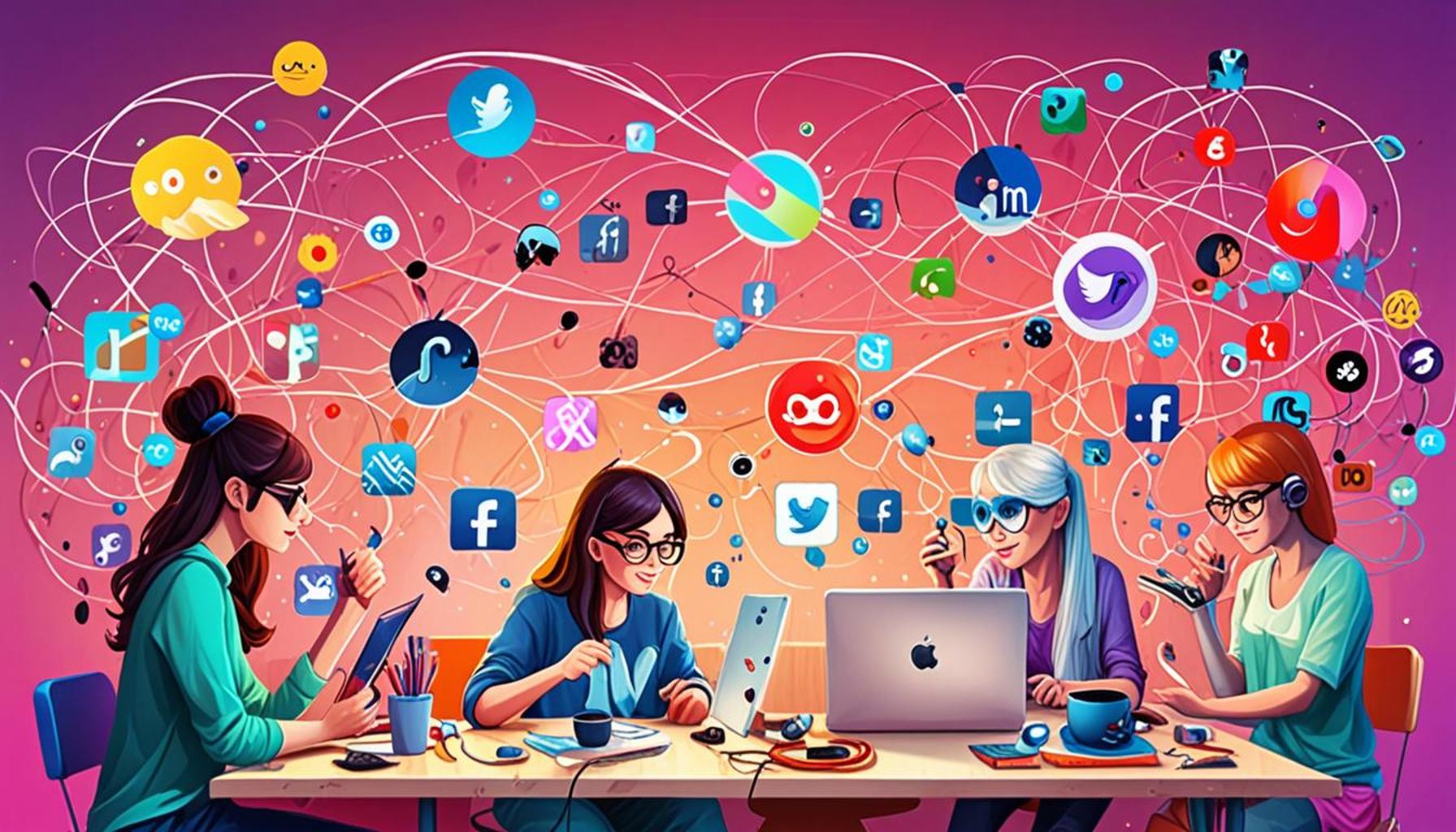
Community building is another cornerstone of social media’s influence on art. Platforms such as Instagram, TikTok, and Facebook have created virtual galleries where artists can share their work with a global audience. For instance, platforms dedicated to specific genres, like DeviantArt or Behance, encourage collaboration, allowing artists to receive valuable feedback and constructive criticism almost instantaneously. Moreover, social media allows for the formation of niche communities, such as watercolor enthusiasts or digital sculptors, where individuals share insights, tutorials, and encouragement, fostering a sense of belonging and support that was less accessible before.
The ability to share artwork in real-time cannot be understated. Artists are empowered to showcase their processes, share “behind-the-scenes” content, and gain immediate feedback from their audience. This dynamic interaction can lead to viral success or insightful critique that drives artist development. For example, the “live drawing” sessions on platforms like Twitch have not only entertained viewers but also provided artists with a participatory audience, enhancing the creative experience for both parties. Artists can literally paint their journey as it unfolds, creating a narrative that engages their followers.
As we explore the intricate relationship between social media and art, it is vital to consider how these platforms are not just altering traditional forms of artistic expression but are also paving the way for new styles. The emergence of digital illustration and DIY crafts are prime examples of this evolution. In the U.S., many young artists are blending their artistic talents with digital technology, producing vibrant illustrations and animations that reflect current social issues or personal narratives, often gaining recognition through viral posts.
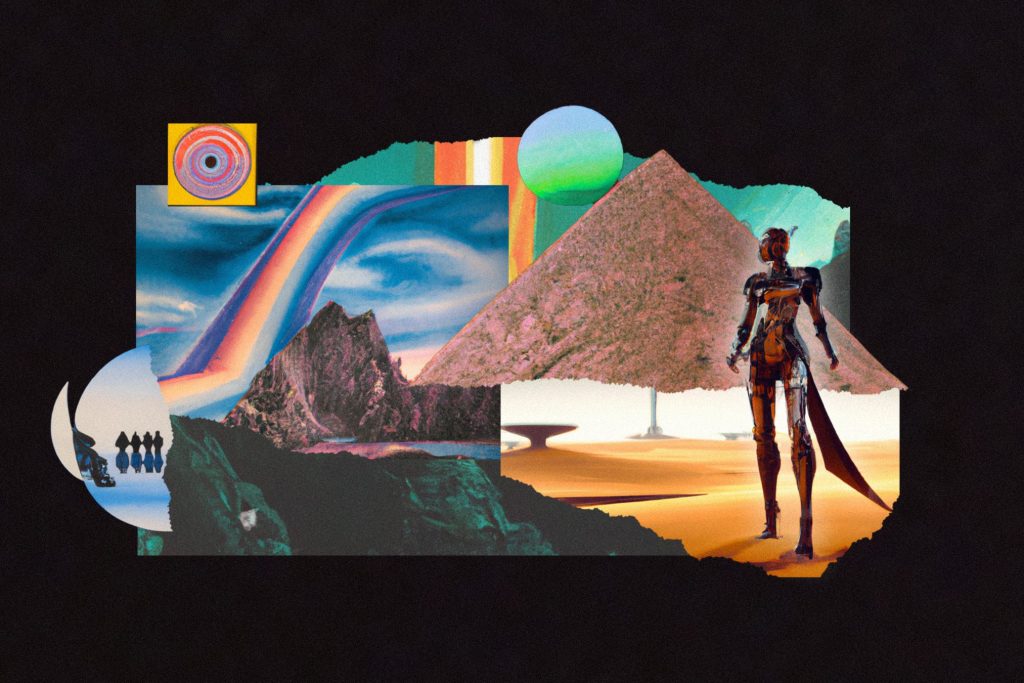
Join us as we further investigate how the fusion of art and technology in the digital age invites us to redefine what art can be. Through this exploration, we will uncover the new forms of artistic expression that are emerging, illuminating the ways in which social media acts as a catalyst for creative innovation and cultural discourse.
Redefining Art Through Digital Engagement
Social media platforms have become instrumental in redefining how art is perceived, created, and shared. As artists harness the power of these digital avenues, we witness a confluence of various mediums and styles that were once confined to specific geographies or cultures. This remarkable transformation stems from several key facets of social media that influence artistic expression and usher in new hobbies.
One of the unique attributes of social media is its ability to provide instant exposure to a wide array of artistic techniques and trends. For instance, platforms like Instagram and Pinterest are overflowing with visual inspiration. Emerging artists can quickly reference thousands of styles, from traditional oil painting to modern mixed-media installations, tailoring their explorations to personal tastes. Moreover, concepts such as “aesthetic” have gained prominence, encouraging artists to not only create but also curate their visuals in ways that appeal to specific demographic groups. This new visual language, which prioritizes presentation and engagement, can shift an artist’s direction significantly.
Additionally, the rise of micro-communities has paved the way for niche artistic hobbies to flourish. Artists and hobbyists are gravitating toward focused interests that resonate with their personal identities and cultural backgrounds. For example, one can stumble upon communities centered around unique crafting methods, such as resin art or pottery, gaining tips and sharing insights. This phenomenon is not limited to visual arts; musical styles, writing, and performance arts are all experiencing a grassroots revival through social media channels.
- Homebound Artists: The COVID-19 pandemic saw a significant surge in people turning to new artistic hobbies such as painting, knitting, or pottery. This shift was heavily influenced by platforms showcasing relatable content, tutorials, and challenges that motivated new creators.
- Sustainable Art: Environmental consciousness has found its way into the artistic realm as creators share innovative techniques utilizing recycled materials. Social media campaigns emphasize the importance of sustainability in art, inspiring individuals to be eco-friendly while expressing their creativity.
- Street Art and Graffiti: Urban artists utilize social media to propagate their work, turning city landscapes into vibrant, interactive galleries. Some platforms help document and critique street art movements, fostering a growing appreciation of this often-underrepresented artistic expression.
Furthermore, the fusion of photography and art in the digital landscape cultivates new genres. Creatives are experimenting with digital manipulation, blending photographs with illustrations to create entirely new works. This shift showcases a definable merging of traditional artistic principles with today’s technological capabilities, resulting in styles that resonate with modern societal narratives and personal expression.
Looking ahead, we stand at a crossroads where artistic expression continues to evolve in tandem with emerging technologies. As social media remains a significant force driving these changes, the ongoing exploration of digital platforms promises to unveil further creative possibilities that encourage not just individual artistry but collective cultural narratives as well.
The Powerful Role of Social Media in Shaping Artistic Expression
In the modern landscape of creativity, social media platforms have emerged as vital arenas where artists can share their work and connect with audiences globally. The ease of accessibility to these platforms has leveled the playing field, allowing budding creators to showcase their talents alongside established professionals. Furthermore, the instantaneous feedback provided by likes, shares, and comments fosters a unique environment for growth and experimentation. Digital platforms such as Instagram, TikTok, and Pinterest have not only transformed how art is distributed but also how it is consumed. For example, the makeup community on these platforms, often referred to as a form of performance art, has propelled numerous individuals into stardom, turning them into influencers who shape trends in beauty, fashion, and even photography. Additionally, these platforms promote a culture of cross-pollination among different art forms, enabling artists to explore and merge various styles.Moreover, many artists now harness social media as a tool for community building and collaboration. The ability to connect with fellow artists and compare techniques fosters a vibrant ecosystem of *shared learning and innovation*. It allows them to tap into a reservoir of inspiration that transcends geographical barriers. This digital exchange of ideas often leads to the birth of new artistic domains, styles, and hobbies that reflect the diverse cultural tapestry of today’s society.The impact of social media is further substantiated by the phenomenon of viral art challenges, which have become commonplace and influential. These challenges encourage participation from not just seasoned artists but also amateurs, creating a fertile ground for artistic exploration. Challenging the notion of who can be an artist, social media democratizes art-making, encouraging a broad spectrum of creativity that might have otherwise remained undiscovered.As artists increasingly navigate this digital ecosystem, the future of artistic expression will likely continue evolving, fueled by technological advancements and the ever-changing dynamics of social interaction online. The influence of platforms like Instagram and TikTok serves as a reminder of how society’s engagement with art is becoming more inclusive, expansive, and innovative, propelling us toward uncharted territories in the artistic world.
| Category | Description |
|---|---|
| Viral Challenges | Engagement-driven events that invite diverse participation, showcasing creativity across the board. |
| Community Building | Social platforms as hubs for collaboration and shared learning among artists, enhancing artistic exploration. |
Through these transformative aspects, social media continues to redefine the relationship between art and society, emphasizing the vibrant nature of artistic expression in our interconnected world.
Collaboration and Cross-Pollination of Ideas
In the realm of artistic expression, social media plays a pivotal role in fostering collaboration among artists, creators, and enthusiasts from diverse backgrounds. The digital age has dismantled geographical barriers, allowing for an unprecedented exchange of ideas and techniques. This cross-pollination can lead to unique fusions of styles and genres that push the boundaries of traditional art forms. For example, an artist in New York may collaborate with a photographer in Tokyo to create a project that blends urban photography with digital art, showcasing the global nature of today’s artistic movement.
Platforms such as Facebook, Reddit, and Discord have enabled the formation of diverse creative groups. These online forums provide a space for artists to share their work, receive constructive feedback, and even collaborate on joint projects. The interactions among members often lead to the emergence of new hobbies, as individuals are inspired to explore artistic outlets they previously hadn’t considered. From digital painting to woodworking, the variety of interests in these communities serves to invigorate traditional art forms and introduce them to new audiences.
Moreover, the phenomenon of viral trends on social media further speeds up the evolution of artistic styles. TikTok, in particular, has gained immense popularity as a platform for sharing short video snippets of artistic processes. Challenges, such as the 30-day drawing challenge or the ‘Paint with Me’ series, encourage users to undertake new artistic endeavors, often resulting in a spike of interest in specific techniques or styles. When a trend captures the attention of the online community, it can motivate large numbers of users to participate, creating a collective artistic dialogue that would be difficult to achieve through traditional means.
- The Role of Influencers: With their vast reach, social media influencers often dictate artistic trends. Their endorsements can propel an emerging art style to mainstream popularity, fostering an environment where many users feel empowered to try their hand at similar techniques.
- Art Challenges and Competitions: Regular contests hosted on social media platforms inspire artists and hobbyists alike to showcase their work. Examples include Inktober or the #ArtVsArtist trend, which encourages individuals to share their artistic journeys and connect with one another.
- Global Art Movements: Social media has been a catalyst for the spread of global art movements, such as the rise of digital nomadism in art, where creators travel while documenting their experiences through their art, leading to enriching cultural exchanges.
Furthermore, the democratization of art through social media has challenged the traditional gatekeepers of the art world. Artists are no longer required to rely solely on galleries or exhibitions to gain recognition; instead, they can build their brands and showcase their work directly to an audience online. This shift has paved the way for self-taught artists to emerge, with many finding success through engaging and relatable content that resonates with followers. Tutorials, time-lapse videos, and behind-the-scenes glimpses have become popular ways for creators to draw in audiences, illustrating the value of authenticity in today’s social media environment.
In this evolving landscape, the influence of social media on artistic expression continues to be profound. As creators navigate this digital frontier, they are not only shaping their styles but also contributing to a collective cultural narrative that reflects the dynamic world we inhabit. The fusion of online engagement with artistic practice will undeniably forge new paths and redefine artistry for generations to come.
Final Thoughts on Social Media’s Impact on Artistic Expression
As we have explored, the impact of social media on artistic expression is multifaceted and far-reaching. Digital platforms have not only democratized art by empowering self-taught artists and emerging creators but have also facilitated a vibrant exchange of ideas across global landscapes. With artists connecting, collaborating, and inspiring one another, we are witnessing the birth of entirely new genres and styles that reflect the diverse cultures and perspectives of our interconnected world.
The rise of viral trends and challenges on platforms like TikTok and Instagram has accelerated the exploration of various artistic forms, encouraging individuals to step outside their comfort zones and experiment with new techniques. This phenomenon redefines how we perceive creativity, shifting the focus from mastery of traditional skills to participation in a collective artistic dialogue that celebrates innovation.
Moreover, the role of influencers in shaping artistic trends cannot be overlooked. Their ability to popularize styles and challenges fosters an environment where creativity thrives, and enthusiasts are motivated to join the conversation. As social media continues to shape the artistic landscape, it’s evident that the lines between creator and audience are increasingly blurred, with both groups contributing to a dynamic cultural narrative.
In conclusion, the influence of social media on artistic expression is profound and transformative. As digital platforms evolve, they will undoubtedly continue to shape new hobbies and artistic styles, challenging traditional norms and inspiring future generations of creators. Engaging with art in the digital age offers endless possibilities, inviting everyone to participate in and celebrate the diverse tapestry of human creativity.