The role of art in education: how creative hobbies can be tools for learning and personal development
Understanding the Role of Art in Education
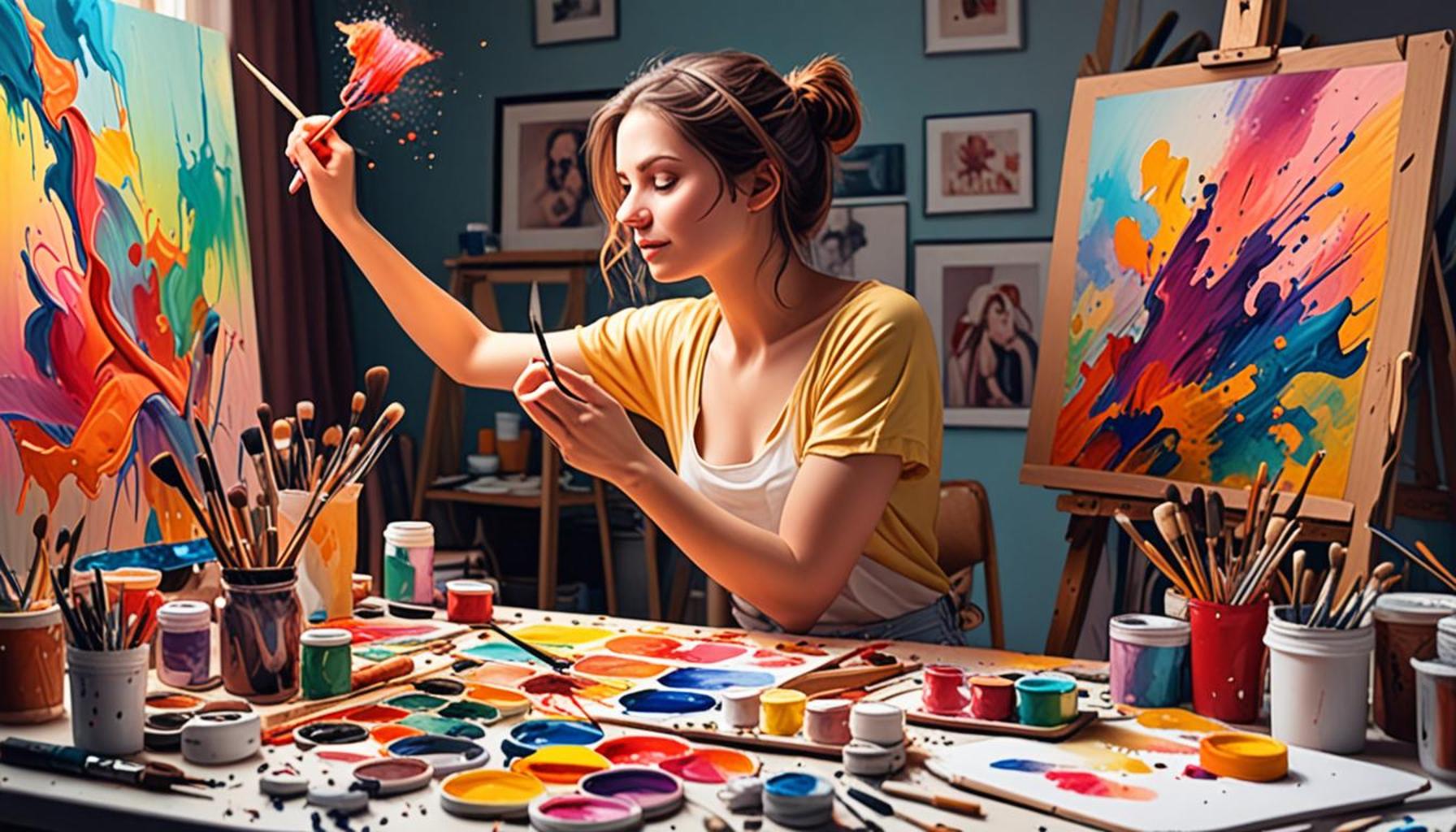
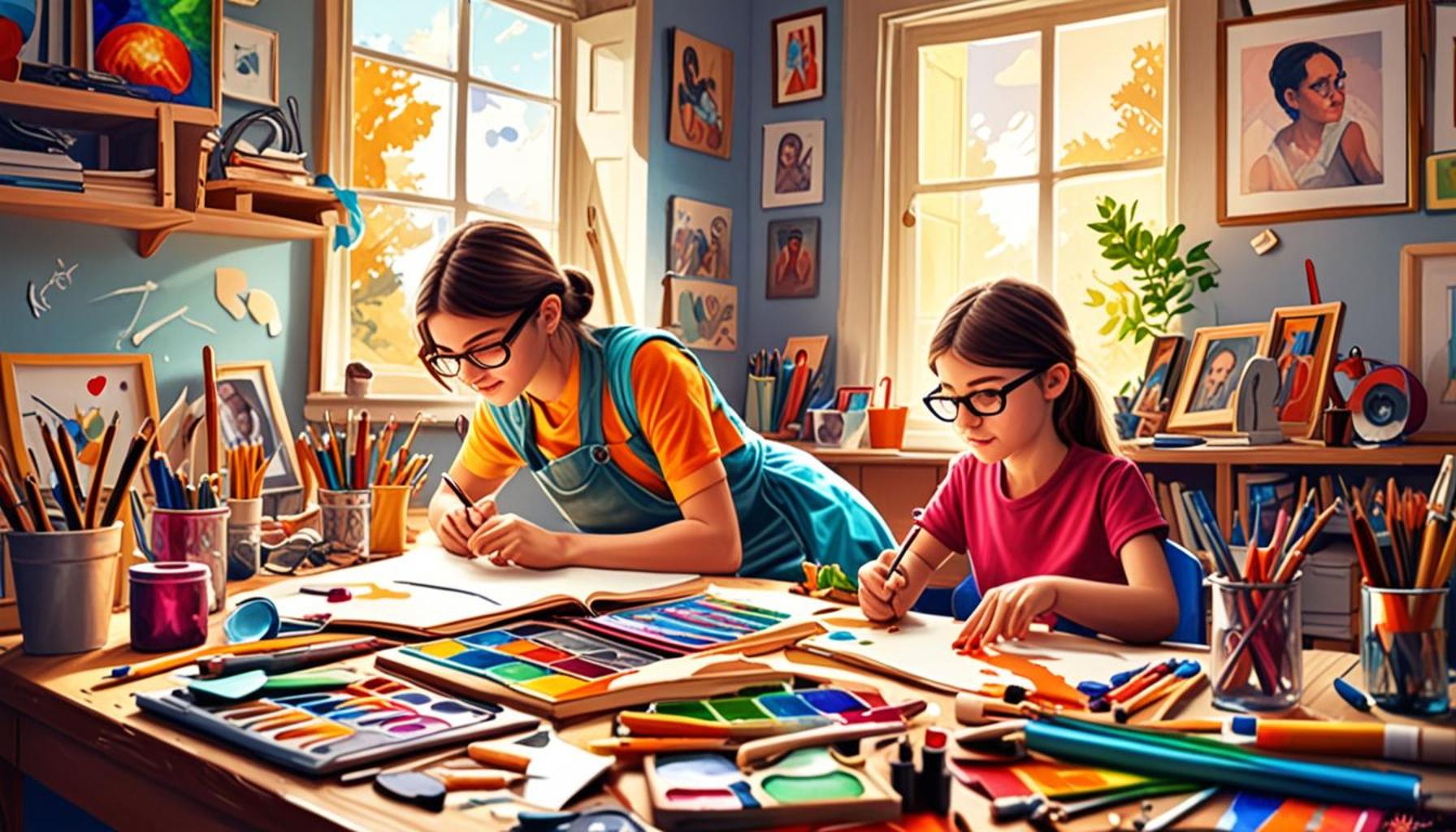
Art transcends mere aesthetic pleasure; it fundamentally enriches educational experiences, transforming conventional learning into a dynamic exploration of creativity and self-expression. Beyond mere expression of feelings, engaging in artistic pursuits equips students with invaluable skills and insights that extend well into their personal and professional lives.
Integrating art into educational settings not only enhances cognitive abilities but also promotes emotional and social development. For instance, consider how art educators use projects that involve creating murals or community installations. Such hands-on experiences compel students to engage in critical thinking. They must analyze their subject matter, evaluate color choices, and make creative decisions that reflect their vision while also considering the feedback from peers and teachers.
Another significant benefit of art collaboration is the promotion of teamwork. Participating in group art projects—like theater productions or collaborative paintings—provides opportunities for students to communicate their ideas effectively, learn to value others’ perspectives, and work toward a common goal. These experiences build essential social skills that will serve students well beyond the classroom.
Art as a Medium for Personal Growth
In addition to fostering interpersonal skills, creative hobbies can also help students develop a strong sense of self and resilience. Completing a challenging art project often leads to a boost in confidence. For example, a student who learns to play an instrument can experience a profound sense of achievement after performing for their peers, reinforcing their belief in their abilities.
Furthermore, art serves as a unique avenue for emotional expression. Activities such as drawing, painting, or writing poetry provide students with tools to articulate complex feelings that they may struggle to communicate verbally. This safe outlet can be especially important during challenging times, such as adolescence, when emotions can feel overwhelming and difficult to manage.
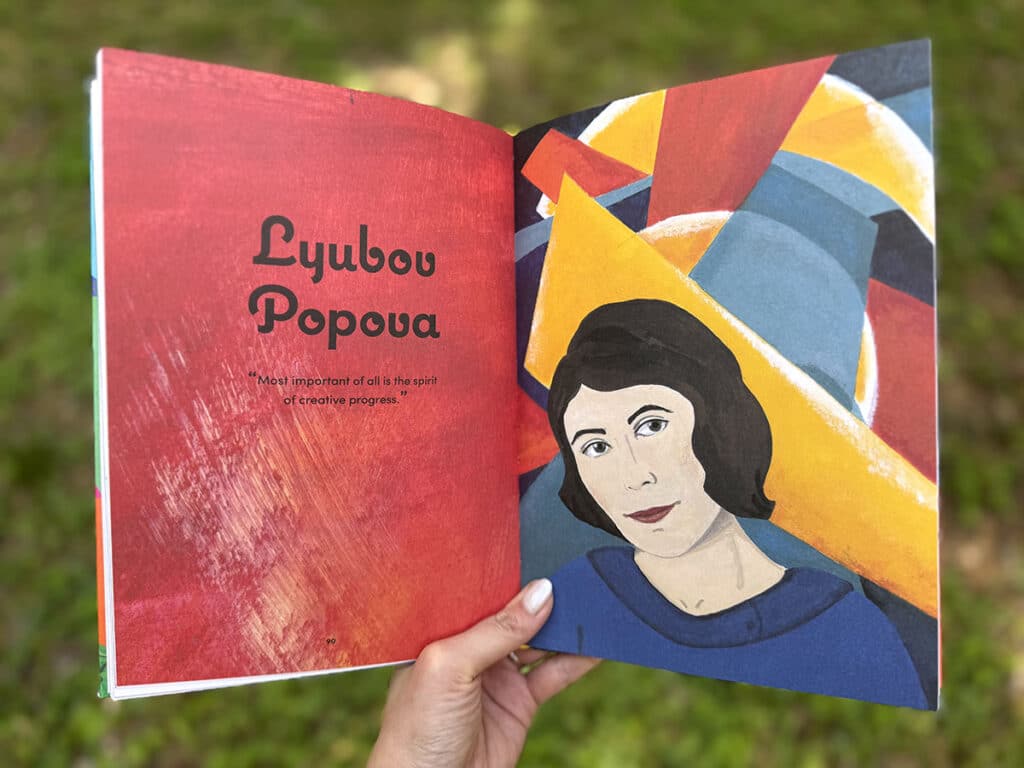
As educational institutions increasingly recognize the myriad benefits of art integration, questions about maximizing these advantages arise. How can teachers and parents alike foster environments that nurture not only artistic talent but also enrich students’ overall development? One approach could involve collaboration between schools and local art organizations to create comprehensive programs that expose students to various forms of art, thereby broadening their horizons and igniting a passion for lifelong learning.
This fusion of creativity and learning underscores the transformative impact of art in developing well-rounded individuals ready to tackle the challenges of a complex world. More than just a subject, art learning offers a pathway to personal empowerment, making it an indispensable component of contemporary education.
The Transformative Power of Art in Learning
Art in education is not simply an extracurricular activity; it is a powerful pedagogical tool that fosters deep learning and personal growth. Engaging in creative hobbies such as painting, music, and theater can significantly enhance cognitive functions, making learners more adaptable and innovative thinkers. Numerous studies have shown that arts participation is correlated with improved academic performance, particularly in subjects like math and science. For instance, a study conducted by the Arts Education Partnership found that students involved in arts programs score higher on standardized tests and achieve better grades.
With this understanding, educators are increasingly integrating art into traditional curriculums. Comprehensive arts education programs encourage students to explore various creative mediums, enabling them to discover their unique talents and interests. This discovery is instrumental in laying the groundwork for a lifetime of learning. By engaging with different forms of art, students not only develop technical skills but also critical cognitive abilities such as problem-solving and innovation.
Some notable benefits of incorporating art in the classroom include:
- Enhanced Creativity: Artistic pursuits stimulate imaginative thinking, allowing students to approach problems from multiple angles.
- Increased Engagement: Hands-on art projects capture students’ attention and foster deeper connections with the subject matter.
- Improved Academic Performance: Programs that incorporate art have been shown to lead to higher test scores and academic success across various subjects.
- Cultural Awareness: Exposure to diverse art forms promotes appreciation of different perspectives and backgrounds, encouraging inclusivity.
As educators adopt multifaceted approaches that incorporate art, students are presented with opportunities to not only learn about artistic techniques but also explore their own identities and beliefs. For instance, through drama programs, students might perform works that explore social issues, leading to discussions that enhance empathy and understanding. By participating in these activities, students are encouraged to question, critique, and innovate, pushing the boundaries of their own thinking.
Moreover, the role of art in education stretches beyond mere academic enhancement; it is directly linked to emotional intelligence as well. Engaging in creative activities can help students navigate complex emotions, understand their feelings, and even share personal experiences in a safe and constructive way. For example, a student working on a visual art piece that reflects their personal struggles with anxiety may find solace in the creative process, ultimately leading to heightened emotional resilience.
As we further explore the role of art in education, it is essential to recognize the vital intersection between creativity and personal development. The ability for students to express themselves artistically not only fosters individual growth but also contributes positively to their academic achievements and emotional well-being.
The Role of Art in Education: Transformative Benefits of Creative Hobbies
Creative hobbies, such as painting, music, or theater, play a pivotal role in education by fostering critical thinking skills and enhancing emotional intelligence. As students engage in artistic endeavors, they learn to analyze their work and express complex ideas, which translates into improved problem-solving abilities in academic settings. Furthermore, involvement in the arts promotes collaboration and communication among peers, essential skills for future success in both personal and professional realms.
| Category | Advantages |
|---|---|
| Enhanced Creativity | Creative hobbies inspire innovative thought processes, allowing students to approach challenges with fresh perspectives. |
| Emotional Resilience | Engagement in the arts helps students manage stress and develop coping strategies through self-expression and creativity. |
Incorporating art into education not only diversifies students’ learning experiences but also contributes to their overall personal development. The ability to connect with one’s emotions and those of others is vital in navigating the complexities of life, and art provides a unique medium for fostering this connection. By encouraging creativity, schools can nurture the next generation of thinkers and innovators, setting them on a path to lifelong success.
Moreover, research suggests that students who participate in the arts tend to have higher academic performance across various subjects. This correlation highlights the significance of integrating artistic expression into standard curricula, making it relevant to the broader educational landscape. As we delve deeper into the profound impact of art on learning, it becomes evident that its role transcends mere enjoyment; it is a fundamental component of a holistic educational approach.
Art as a Catalyst for Social Skills and Collaboration
While the academic benefits of incorporating art in education are impressive, one of the most powerful aspects of creative hobbies stems from their ability to cultivate social skills and collaboration among students. The practice of working together on joint artistic endeavors allows learners to engage in team dynamics, communicate effectively, and develop a sense of community. Whether participating in a group mural project or collaborating on a theater production, students not only learn to value their own contributions but also gain an appreciation for the diverse perspectives and talents of their peers.
Teamwork in artistic projects offers students opportunities to hone their interpersonal skills, which are crucial in both academic and professional contexts. During the collaborative process, students are encouraged to share ideas, negotiate roles, and provide constructive feedback. These experiences foster a spirit of cooperation that is essential in today’s interconnected world. In fact, research conducted by the National Endowment for the Arts indicates that arts education helps students acquire vital strategies for conflict resolution and active listening, allowing them to thrive in group settings.
Moreover, the arts serve as a bridge for self-expression and communication that can sometimes transcend linguistic barriers. This is particularly evident in schools that cater to students from diverse cultural backgrounds. For example, programs that incorporate visual arts or music enable students who may struggle with traditional language-based subjects to find their voice and connect with their classmates. Such exposure not only enriches their educational experience but also fosters a sense of belonging and acceptance.
Art and 21st Century Skills
In addition to social skills, engaging with artistic hobbies in education corresponds closely with the development of 21st-century skills. These include critical thinking, creativity, collaboration, and communication—skills that are highly sought after in today’s job market. Creative pursuits in the classroom enable students to test their boundaries and discover their innovative capacities. For instance, participating in a design thinking workshop that integrates art with real-world problem solving encourages students to think outside the box and develop solutions that are both practical and aesthetically pleasing.
In particular, the rise of technology in the arts is reshaping how students engage with creative processes. Digital art, music production software, and animation tools provide exciting avenues for students to express their creativity while developing digital literacy skills. These technological intersections demonstrate that art is not only about materials and techniques, but is also about adapting to contemporary methods of expression and communication.
The Emotional Development Impact of Art
Furthermore, the role of art in education extends to profound emotional development. Creative hobbies often act as an outlet for emotions and a coping mechanism for stress. For instance, engaging in art therapy has been integrated into school curricula to support students facing challenges such as bullying or family issues. This therapeutic use of art provides a safe space for students to explore their emotions and fosters resilience, enabling them to manage stress and anxiety more effectively.
Furthermore, art can enhance students’ ability to reflect on their experiences and feelings. Through the process of creating and critiquing their work, students develop a deeper understanding of their emotional landscapes, allowing them to articulate their thoughts and feelings in ways they may not have considered otherwise. The resulting emotional intelligence gained from this creative exploration equips them with essential life skills, such as empathy and self-awareness, which are vital as they navigate their personal and academic journeys.
As educators continue to recognize the multifaceted benefits of art in education, it becomes increasingly evident that these creative hobbies are invaluable tools for learning and personal development. The integration of artistic practices into educational frameworks not only enhances cognitive and academic growth but also prepares students for meaningful engagement in a complex and ever-evolving world.
Conclusion
Inwraps, the integration of art into educational frameworks is not merely an enhancement to traditional teaching methodologies; it is a transformative approach that shapes students into well-rounded individuals. The ability of creative hobbies to unlock cognitive potential, foster emotional intelligence, and enhance social skills underscores their invaluable contribution to learning and personal development. By engaging with the arts, students hone 21st-century skills like critical thinking and collaboration, which are crucial in today’s rapidly evolving job market.
Furthermore, the emotional benefits of artistic expression, such as stress relief and self-discovery, create a conducive learning environment where students can thrive both academically and personally. Schools that prioritize arts education demonstrate a commitment to nurturing a holistic learning experience that caters to diverse learning styles and backgrounds. This inclusive approach not only enriches students’ educational journeys but also prepares them to be empathetic, adaptable, and innovative thinkers.
As such, it is imperative for educators, policymakers, and communities to advocate for the inclusion of artistic programs within curriculums. By doing so, we invest in a future generation that is not only academically proficient but also artistically and emotionally resilient. The role of art in education is undeniable—its potential to enrich lives, build connections, and inspire creativity is a testament to its significance as a powerful tool for holistic development.