The Role of Digital Technologies in the Evolution of Musical and Creative Skills
The Impact of Digital Innovation on Creative Processes
The realm of music and creativity is experiencing a seismic shift, driven by the rapid advancement of digital technologies. This transformation is not merely a matter of convenience; it is reshaping the entire landscape of artistic expression, presenting both opportunities and challenges for today’s musicians and creators. In this new era, the skills artists need to thrive are evolving at a brisk pace, reflecting the changing dynamics of the industry.
Access to Tools: One of the most significant benefits of this digital revolution is the democratization of music creation. Software programs like Ableton Live and GarageBand have lowered traditional barriers, enabling anyone with a computer to compose music. For instance, a teenager in a small town can now access the same production tools as a seasoned professional in a major city. This accessibility allows for unprecedented diversity in music styles and genres, as creators from different backgrounds can contribute their unique perspectives and influences.
Learning Opportunities: In conjunction with these tools, the abundance of learning platforms has changed how aspiring artists hone their skills. Websites like YouTube offer an array of tutorials, allowing beginners to learn everything from music theory to complex production techniques at their own pace. Additionally, platforms like MasterClass feature lessons from acclaimed artists, providing insider insights that can inspire and guide creators to refine their craft. For example, students can learn directly from renowned musicians such as Itzhak Perlman or Reba McEntire, gaining valuable tips and motivation.
Collaboration: Furthermore, digital tools such as SoundCloud and Splice have redefined collaboration in the music industry. Artists can connect with like-minded individuals across different geographical locations, mixing styles and producing music that reflects a fusion of cultures. This digital collaboration extends beyond borders, fostering a global network of creativity. A producer in California can seamlessly work with a vocalist in London, resulting in a unique musical blend that could never have materialized in a pre-digital age.
The advent of streaming services like Spotify and Apple Music has also transformed the consumer experience as well as the creative process. The focus has shifted to shorter formats, such as singles and playlists, changing how artists approach songwriting. With algorithms driving music discovery, producing catchy songs that can easily capture listener attention has become a necessity rather than a choice.
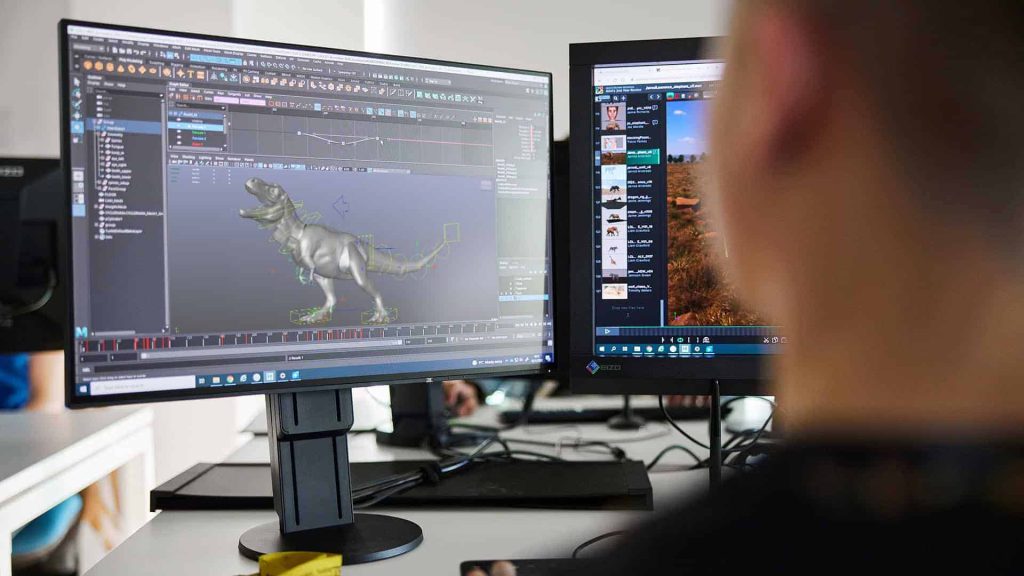
As we delve deeper into the pervasive role of digital technologies in influencing musical and creative skills, it is crucial to explore the current trends and future possibilities. By leveraging these advancements, artists can not only elevate their craft but also connect with broader audiences in ways previously thought unattainable. This evolving landscape is more than just a toolset; it is a pivotal force that is reshaping the culture of music and creativity, inviting us all to take notice and participate in this exciting journey.
Redefining Skill Development in the Digital Age
The integration of digital technologies into the music and creative sectors is not only transforming how art is created but also altering the very nature of skill development for artists and musicians. With new platforms emerging that cater specifically to the evolving needs of creators, the skills necessary for success in a highly competitive environment are becoming increasingly sophisticated.
Emerging Skill Sets: In this digital era, traditional skills such as instrumental proficiency and vocal technique remain crucial, but they are now complemented by a suite of new competencies. For example, proficiency in digital audio workstations (DAWs) is becoming as essential as mastering an instrument. Musicians today must also develop skills in areas such as:
- Audio Engineering: Understanding sound mixing and mastering is vital, as artists often produce tracks entirely on their own.
- Social Media Marketing: Strategizing on how to promote music through platforms like Instagram, TikTok, and Twitter is fundamental to reaching audiences.
- Data Analysis: Artists need to interpret metrics and trends from streaming services, allowing them to respond effectively to listener behaviors and preferences.
As the music landscape evolves, so too must the educational frameworks that shape emerging talent. Programs in contemporary music education are adapting to include these digital skills, creating a generation of multi-talented artists equipped for the challenges of the modern industry.
Tools for Creativity: Digital technologies are also fostering new avenues for creativity through innovative tools and platforms. For instance, apps like BandLab not only allow musicians to collaborate but also integrate educational resources, enhancing the creative process with interactive feedback mechanisms. This collaborative spirit is fostering communities where artists can refine their skills collectively, thus accelerating personal growth and artistic development.
AI and Music Creation: Furthermore, the rise of artificial intelligence in music composition is revolutionizing the creative process. Tools powered by AI, such as Amper Music and AIVA, enable creators to produce original compositions rapidly. This technology is not meant to replace musicians but to augment their creative capabilities, allowing them to experiment with new sounds and styles that might have been previously inaccessible.
With these advancements, the boundary between creator and consumer is blurring. Audiences now play a more active role in shaping music trends through their interactions on social media and streaming platforms. This interactivity can empower artists to refine their skills based on direct feedback, leading to a more responsive and dynamic creative environment.
As we uncover the profound role that digital technologies play in the evolution of musical and creative skills, it becomes evident that the future may hold even more transformative changes. Artists must remain agile, continually adapting their skills and approaches in an industry that thrives on innovation and interconnectedness. In the subsequent sections, we will delve deeper into how these technologies continue to reshape the fabric of music-making and creative expression in an increasingly digital world.
| Advantages | Description |
|---|---|
| Enhanced Accessibility | Digital technologies have democratized music education, enabling learners from diverse backgrounds to access resources and tools readily. |
| Collaborative Possibilities | With tools like virtual collaboration platforms, artists around the globe can create together, breaking down geographical barriers. |
| Innovative Learning Methods | Interactive apps and online courses foster creative skills by engaging users through gamification and real-time feedback. |
| Enhanced Creativity | Digital tools provide endless opportunities for experimentation, helping musicians and creators push boundaries and explore new genres. |
The evolution of musical and creative skills is significantly shaped by how emerging digital technologies influence training methodologies and collaboration. For instance, enhanced accessibility allows aspiring musicians access to virtual lessons and instructional content, irrespective of their geographical location. This transformation has opened doors to education for many who previously faced barriers.Moreover, collaborative possibilities introduced by digital communication platforms facilitate global collaboration, enabling artists to work together seamlessly despite distance. This connectivity is crucial in a diverse cultural landscape where varying influences can enhance creativity. Innovative learning methods are also essential; tools that incorporate gamification not only make learning enjoyable but also improve retention and skill application. These advancements harness the potential of interactive apps to cultivate talents in an engaging and meaningful way. By embracing these technological advancements, musicians can further their skill sets, nurturing a generation of innovative creators capable of rewriting the narrative of music and art in the digital age.
Collaborative Innovation Through Digital Platforms
As we explore the impact of digital technologies, it’s important to highlight how collaboration is distinctly reshaped within the music industry. Traditional methods of creating music often involved closed studio environments where only a few players participated. Today, thanks to digital platforms, collaboration has transcended geographical barriers, enabling artists from diverse backgrounds to unite and co-create seamlessly.
Virtual Collaboration Tools: Platforms such as Soundtrap and Splice allow musicians to work together in real-time, sharing tracks and ideas instantaneously. This accessibility not only democratizes music creation but also fosters interdisciplinary collaborative efforts with creators from visual art, dance, and even coding. By leveraging these tools, artists are able to draw upon a wealth of influences, enriching their creative output while developing their skills in the process.
Moreover, the democratization of music creation through accessible digital tools signifies a shift in who can be considered a musician. Today’s technologies empower amateurs and hobbyists to develop their musical skills alongside seasoned professionals. With platforms like Fiverr and Upwork, musicians can hire talents for mixing, mastering, or even songwriting, facilitating a collaborative ecosystem where knowledge and skills can be shared and augmented collectively.
Online Education Resources: In conjunction with collaborative tools, digital technologies have birthed a new era of education within the music industry. Online resources like MasterClass and Coursera offer courses taught by world-renowned artists, providing invaluable access to expert knowledge previously restricted to formal institutions. These courses cover a range of skills, from songwriting techniques to advanced production methods, enabling musicians to learn at their own pace. The effects of these platforms are profound as they not only enhance individual skill development but also cultivate a community of learners who are motivated and inspired by shared growth.
Adaptive Learning Technologies: The ability to personalize learning experiences takes education a step further. Adaptive learning technologies, utilizing algorithms to tailor content to individual user needs, are revolutionizing music education. For example, platforms like Yousician provide feedback and grading as users practice instruments or learn music theory, allowing artists to see their improvement over time. This immediate feedback loop aids in reinforcing skills and motivates learners to push their boundaries.
Impact of Streaming Services: The digital landscape extends beyond creation and education to the distribution of music. Streaming services like Spotify and Apple Music have transformed how audiences engage with music, shifting the focus from album sales to single releases and playlists. This evolution necessitates that artists adapt their skills to understand not just the creative elements, but also how to craft compelling narratives around their releases to capture audience attention effectively. Artists are increasingly expected to curate their artistic persona and interact with fans through streaming platforms, leading to the emergence of new skills in branding and audience engagement.
In this intricate web of collaboration, education, and distribution, the role of digital technologies is pivotal to nurturing the next generation of artists. As they adapt to new realities, these artists are not solely learners but also become innovators, shaping the future landscape of music with newfound skills and perspectives. The ongoing evolution encourages a culture of experimentation, where the potential for artistry is limited only by one’s willingness to embrace change.
Conclusion: The Digital Dawn of Musical Innovation
As we navigate through the dynamic interplay of digital technologies and music, it becomes clear that these innovations are not merely tools for creation but rather catalysts for a profound transformation in musical and creative skills. The rise of collaborative platforms and virtual tools has dismantled traditional barriers, empowering a diverse range of artists to innovate collectively, regardless of their background or location. The ability to co-create in real-time fosters an environment rich with inspiration and shared learning.
Education has also seen a renaissance; the plethora of online learning resources and personalized adaptive technologies has democratized access to high-quality instruction, leveling the playing field for aspiring musicians. As individuals can now learn from industry leaders at their own pace, we witness an unprecedented growth in skill acquisition and creative exploration.
Moreover, the evolving landscape of music distribution through platforms like Spotify and Apple Music is compelling artists to adapt their methods and narratives, leading them to excel not only in composition but also in audience engagement and branding. This fusion of creativity with business acumen is shaping a new breed of artist who is as much a marketer as they are a musician.
In sum, the influence of digital technologies on the evolution of musical and creative skills is undeniable. As artists continue to embrace these advancements, they are not merely keeping pace with change; they are actively defining it. This journey into the digital realm invites both seasoned creators and newcomers alike to remain open to the possibilities of innovation and collaboration, ensuring that the future of music remains as vibrant and varied as the talents that contribute to it.