The Role of Musical Collaboration in the Development of Social Skills
The Universal Language of Music
Music is more than just sound; it is a universal language that breaks barriers and fosters connections across cultures and communities. When individuals come together to create music, they embark on a transformative journey that enhances not only artistic expression but also essential social skills. This collaborative art form allows people from diverse backgrounds to share their stories, overcoming personal and societal divides.
Engaging in musical collaboration can lead to significant personal growth and community building. For instance, community music programs often bring together individuals from varying socio-economic statuses, races, and ages, creating a harmonious blend of voices and instruments. Below are some ways in which music promotes vital social skills:
- Communication: Musicians learn to express ideas and emotions effectively through melodies and rhythms. This expression is not limited to lyrics; dynamics, tempo, and even silence contribute to how messages are conveyed. In a collaborative setting, individuals must articulate their thoughts clearly, whether in discussion or through their musical contributions.
- Teamwork: Collaborative music-making requires cooperation and coordination among participants. Whether in a symphony orchestra or a jazz band, each member plays a pivotal role. For example, a drummer must listen to the guitar and bass players to maintain rhythm and cohesion, emphasizing the importance of unity in achieving common goals.
- Empathy: Understanding different perspectives is fundamental when musicians collaborate. By listening to others’ creative inputs, they develop a deeper connection and appreciation for the diverse backgrounds and experiences that shape each musician. This skill extends beyond music, allowing for enhanced relationships in everyday life.
- Conflict Resolution: Working through creative differences cultivates problem-solving abilities. In a musical ensemble, differing opinions about arrangement or interpretation often arise, providing a platform for members to negotiate and find mutually agreeable solutions, thus reinforcing the practice of compromise.
In the United States, music programs—whether in schools or community centers—contribute significantly to social engagement among diverse groups. Initiatives like the “Little Kids Rock” program have transformed classrooms by adapting popular music styles to enhance music education, encouraging children to participate and collaborate. Meanwhile, community bands, choirs, and orchestras serve as microcosms of larger society, illustrating how collaboration can bridge gaps and forge lasting relationships.
As we delve deeper into the role of musical collaboration in developing social skills, we uncover fascinating insights and real-life examples demonstrating how music brings people together. From the harmonious experiences of a high school jazz band to the uplifting sounds of a community choir, the profound impact of creating music with others resonates in individual lives and communities alike. By embracing music, we not only cultivate personal talent but also pave the way for a more connected society.
Fostering Communication through Rhythm and Melody
One of the most profound impacts of musical collaboration is its ability to enhance communication skills. Every note played and every lyric sung serves as a vessel for conveying emotions and ideas. In collaborative musical environments, musicians learn to articulate their creative thoughts not only through verbal communication but also through the nuances of tempo, rhythm, and harmony. For instance, when a guitarist adjusts their strumming to complement a vocalist, they engage in a form of dialogue that transcends spoken language, showcasing the importance of active listening. This exchange cultivates an understanding of how one’s contributions can influence the overall performance, mirroring effective communication in interpersonal relationships.
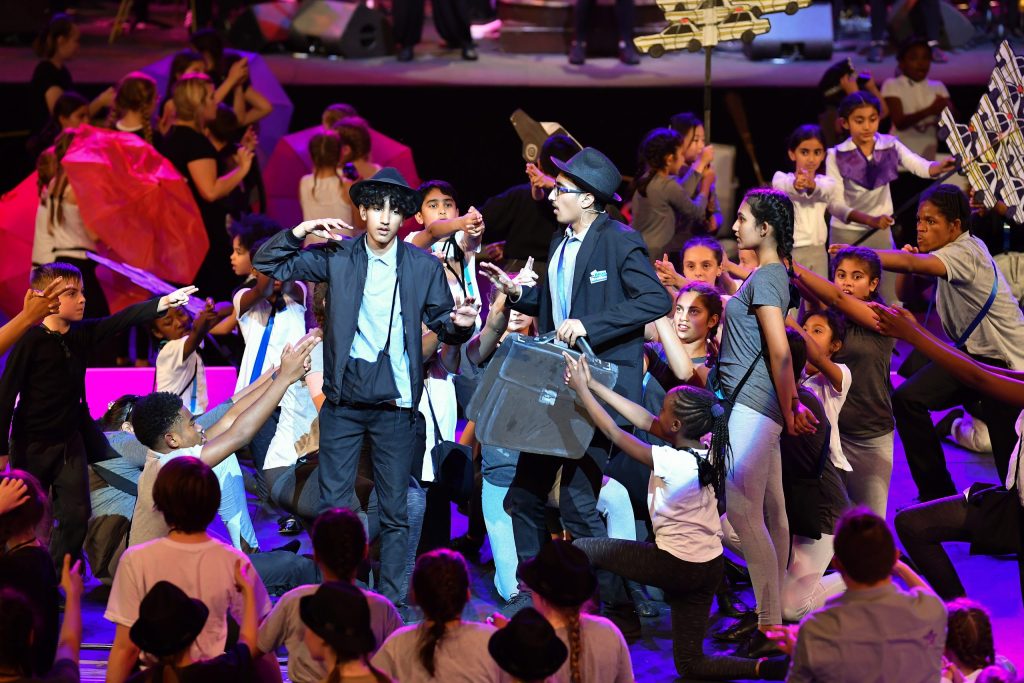
Moreover, effective collaboration in music often involves non-verbal cues. A nod or a glance exchanged between band members can signal shifts in dynamics or indicate when to come in or drop out of a song. These subtle forms of communication underscore the significance of being attuned to one another, reinforcing that communication is as much about what is said as it is about how it is expressed.
Building Teamwork and Cooperation
Another vital aspect of musical collaboration is its emphasis on teamwork. Musicians must blend their distinct talents to create cohesive and harmonious soundscapes. In settings like orchestras or band rehearsals, individuals soon realize that success hinges on their ability to cooperate and synchronize with fellow musicians. The experience of playing together is akin to participating in a complex team sport, where understanding roles and responsibilities is crucial.
Data reveals that students involved in music programs often show improved teamwork skills. For example, research conducted by the National Association for Music Education found that students engaged in group music activities scored higher in surveys measuring collaboration and teamwork compared to their peers not involved in music. Such findings highlight how musical ensembles foster a sense of belonging and commitment, driving members toward shared objectives.
Empathy and Understanding in Musical Interaction
Engaging in musical collaboration also nurtures empathy. As musicians work together, they are challenged to appreciate each other’s artistic contributions, which fosters a culture of understanding and respect. For instance, when jazz musicians improvise, they must remain sensitive to their fellow players’ styles and emotions. This shared experience encourages the development of a deeper connection, as they navigate their music together and respond to each other’s creative impulses.
The ability to view a situation through another’s lens is invaluable not only within music but also in broader social contexts. Participating in musical groups exposes individuals to a variety of perspectives and backgrounds, enriching their understanding of diversity and aiding in the cultivation of compassion and social consciousness. This aspect of musical collaboration serves as a testament to how music transcends individual expression, creating platforms for shared experiences that bridge social divides.
In summary, the role of musical collaboration in the development of social skills is multifaceted, encompassing communication, teamwork, and empathy. As we explore this topic further, we will delve into real-life experiences and studies that demonstrate how musical collaboration continues to shape individuals and communities across the United States.
The Role of Musical Collaboration in Fostering Communication Skills
Musical collaboration serves as a compelling platform for enhancing communication skills among individuals of all ages. When participating in group music-making, members must clearly articulate their ideas, intentions, and emotions, which fosters an environment of open dialogue. Such interactions encourage participants to listen actively, which is crucial for effective communication. Research shows that children engaged in collaborative musical activities exhibit considerable improvements in expressive language skills and non-verbal communication.Furthermore, the dynamics of musical collaboration promote understanding and empathy. When musicians work together, they learn to appreciate divergent perspectives, developing a sense of community and shared goals. This collaborative experience teaches individuals to navigate social cues and interpret body language, enhancing their interpersonal skills in real-world scenarios. Additionally, musical collaboration challenges individuals to step outside their comfort zones, fostering confidence as they present their ideas or perform together in front of peers. This buildup of self-assurance directly contributes to one’s ability to communicate effectively within various social settings, from school environments to professional workplaces.
Building Teamwork and Cooperation through Musical Activities
Engagement in musical collaboration inherently requires teamwork, as every participant has a unique role within the ensemble. This collective responsibility instills a sense of accountability, where each member’s contribution is vital to the success of the performance. By learning how to work harmoniously with others, individuals boost their cooperative skills, an essential aspect of effective social interactions.Moreover, collaborative musical projects often involve complex arrangements that require planning and organization, allowing participants to practice key skills in teamwork. The shared experience of overcoming challenges, such as miscommunication or creative differences, promotes problem-solving abilities essential for all interpersonal relationships. With practice, individuals become more adept at negotiating roles within a group setting, ultimately enhancing their social adaptability.Musical collaboration not only develops essential social skills but also encourages emotional growth. Through shared experiences, individuals forge deep connections that transcend traditional barriers, creating friendships built on trust and mutual respect. These enduring relationships serve as the foundation for ongoing social development, reinforcing the importance of musical collaboration as a powerful tool in enhancing social skills and emotional intelligence.
| Advantages | Key Features |
|---|---|
| Enhanced Communication | Encourages articulation and active listening. |
| Improved Teamwork | Instills accountability and collective responsibility. |
| Emotional Growth | Fosters connections built on trust. |
Creativity and Conflict Resolution through Music
In addition to enhancing communication, teamwork, and empathy, musical collaboration also plays a crucial role in fostering creativity and conflict resolution skills. When individuals come together to create music, they are often faced with differing opinions on stylistic elements, song structures, or instrumentation. These differences, while potentially sources of conflict, can also lead to innovative solutions that enhance the artistic output.
This process of creative negotiation and compromise mirrors real-life situations where individuals must learn to listen actively, discuss differing viewpoints, and arrive at a consensus. For instance, in a band setting, one musician might suggest a different tempo for a certain piece. Other members might initially resist this change; however, the dialogue that ensues can lead to a new interpretation of a song that everyone is excited about. Such interactions teach participants how to negotiate creatively while maintaining respect for one another’s contributions.
Research supports the idea that musical collaboration enhances problem-solving skills. A study published in the Journal of Research in Music Education highlighted that students who participate in ensemble music activities tend to develop superior critical thinking abilities. They learn how to approach problems from various angles, evaluate options, and implement solutions—skills that are immensely applicable in both personal and professional environments.
The Influence of Cultural Exchange on Social Skills
Moreover, musical collaboration promotes cultural exchange, providing further avenues for the development of social skills. Through music, individuals from diverse backgrounds can share their unique traditions, stories, and musical styles. This exchange can have a profound impact on understanding and appreciation among collaborators. For example, in ensembles that blend different musical genres—such as a fusion of jazz and hip-hop—the artists must navigate both their own unique identities and those of their peers. This not only enriches their musical vocabulary but also deepens their cultural understanding.
Programs like El Sistema, which originated in Venezuela and has influenced many music education initiatives in the United States, exemplify the transformative power of music as a tool for social change. El Sistema brings together children from diverse socioeconomic backgrounds to play orchestral music. As participants learn to work together toward a common goal, they also develop a sense of community and cultural awareness that transcends their differences, ultimately enhancing their social skillsets.
Long-term Benefits of Musical Collaboration
The long-term benefits of musical collaboration extend beyond the music itself. Studies show that individuals who engage in collaborative musical experiences tend to demonstrate improved social behaviors well into adulthood. According to a study by the American Psychological Association, adults who participated in group musical activities as children report enhanced emotional intelligence and greater capacities for building and maintaining relationships.
Furthermore, the lessons learned through musical collaboration are applicable in various aspects of life. Whether in workplace settings, educational institutions, or community organizations, the skills cultivated through music—such as teamwork, empathy, creative problem-solving, and cultural exchange—are invaluable. These competencies bolster individuals’ ability to connect with others, ultimately contributing to a more harmonious society.
As we continue to explore the role of musical collaboration in fostering social skills, additional examples and case studies will reveal how such experiences contribute to personal growth, community engagement, and social connectivity throughout the United States.
Conclusion: The Lasting Impact of Musical Collaboration on Social Skills
In conclusion, the role of musical collaboration in the development of social skills is both profound and multifaceted. Through the collective creation of music, individuals not only enhance their communication, teamwork, and empathy but also cultivate invaluable skills such as creativity and conflict resolution. As musicians navigate their differences, they learn to appreciate diverse perspectives, fostering a spirit of collaboration that transcends the confines of musical expression.
Furthermore, the cultural exchange inherent in musical collaboration enriches participants’ understanding of each other’s backgrounds, promoting inclusivity and social awareness. Programs like El Sistema demonstrate how music can serve as a unifying force, breaking down barriers and bridging gaps within communities, ultimately contributing to a more harmonious society.
The long-term benefits of engaging in musical experiences extend well beyond the rehearsal space or stage. From improved emotional intelligence to enhanced relationship-building capabilities, the lessons learned through musical collaboration echo throughout an individual’s personal and professional life. In a world increasingly characterized by division, the skills cultivated through collaborative music-making may hold the key to fostering deeper connections and understanding among individuals of diverse backgrounds.
As we continue to explore the implications of musical collaboration on social skills, one thing remains clear: participating in collaborative musical experiences is not merely an artistic endeavor—it is a vital component in nurturing the skills essential for thriving in a complex, interconnected society. Future research and community initiatives focused on the intersection of music and social development will undoubtedly reveal even more about the transformative power of collaboration in this vital realm.