Transform Recycled Materials into Art Sustainable DIY Projects
Reimagining Waste into Wonder
In today’s world, where environmental consciousness is rapidly gaining traction, the fusion of creativity and sustainability offers exciting possibilities. Transforming recycled materials into art not only reduces waste but also provides a unique form of self-expression. Engaging in sustainable DIY projects allows individuals to rediscover their creative hobbies while contributing positively to the planet.
Why This Matters
As we navigate an age impacted by climate change and excessive consumerism, the relevance of recycling has expanded beyond mere waste management. Creative recycling fosters a culture of innovation where:
- Artistic expression meets eco-friendly practices.
- Resources are maximized, turning the ordinary into extraordinary.
- Communities are energized, as collective projects inspire collaboration.
In this article, we will dive into the top five inspiring projects that transform recycled materials into stunning art pieces. Prepare to be amazed by the ingenuity that can emerge from items often overlooked, sparking your own creativity in the process.
Transforming Recycled Materials into Art: Sustainable DIY Projects
In an era where sustainability is becoming more than just a trend, transforming recycled materials into visually striking art pieces offers a captivating path towards environmental stewardship. This practice not only contributes to waste reduction but also ignites creativity and fosters a new form of self-expression. Dive into this detailed exploration of the top five projects that transform recycled materials into beautiful art forms, where innovative creativity meets environmental consciousness.
5. Artistic Planters from Bottles
Creating artistic planters from plastic bottles is among the simplest yet most impactful Do-It-Yourself (DIY) projects. This transformation takes what is generally considered disposable waste and breathes new life into it, turning it into vibrant decorations that could adorn both your garden and your interior spaces.
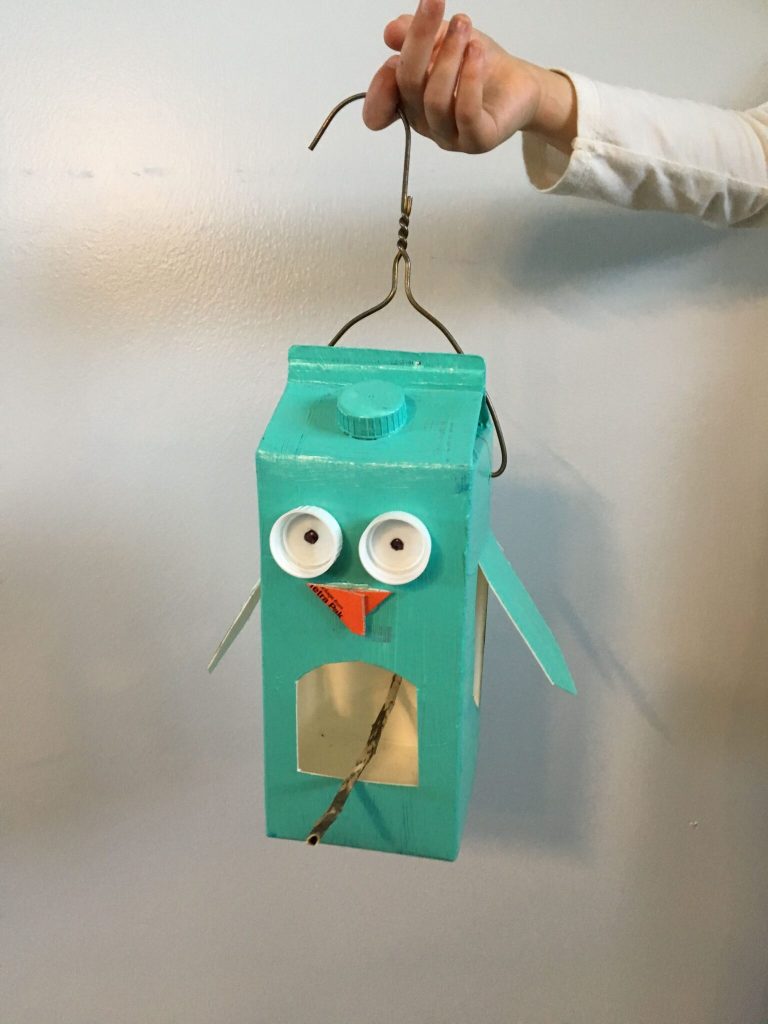
- Step 1: Start by collecting various plastic bottles. Cut them in half, specifically using the top half as the base for your new planter. This step is crucial for determining the size and shape of your planter.
- Step 2: Get creative with your decorations using paint, markers, or even natural elements like leaves and twigs. Personalizing your planters makes them uniquely yours and injects personality into your green spaces.
- Step 3: Fill your newly created planter with soil and plant your favorite flowers or herbs, thereby adding a touch of nature and sustainability to your home.
These planters do more than just beautify – they promote an ethos of urban gardening and sustainability, encouraging individuals to reduce, reuse, and recycle while also indulging in the pleasurable art of gardening. By giving a plant a bright, recycled home, you are simultaneously nurturing life and participating in ecological mindfulness.
4. Jewelry from Scrap Metal
Turning discarded metal into jewelry is an inventive project that seamlessly combines artistry and resourcefulness. This endeavor transforms metal waste into unique, wearable creations, embodying the concept of transformation and renewal.
- Step 1: Assemble a variety of scrap metal pieces, such as old tools, hardware, or machinery components. The type and shape of metal will dictate the style and design of the jewelry pieces created.
- Step 2: Use tools like pliers and metal cutters to carefully shape and form the metal pieces into designs of your choosing. This process may involve intricate work but allows for endless creativity.
- Step 3: Connect these pieces with jewelry clasps or jump rings to create finished wearable art that maintains both durability and aesthetic appeal.
This project not only results in visually captivating jewelry but also offers a narrative of environmental responsibility. Each piece serves to demonstrate that beauty can spring from items commonly relegated to waste, providing an intriguing conversation starter and an endorsement of sustainable practices.
3. Mosaics with Broken Ceramics
By fashioning mosaics with broken ceramics, you have the opportunity to create stunning artworks from otherwise unloved shards. This project allows enthusiasts to reimagine shattered pottery as vibrant pieces of artistic expression.
- Step 1: Collect broken ceramic tiles or plates. Ensure they are clean and free of any residual debris to prepare them for assembly.
- Step 2: Carefully arrange these fragments on a sturdy surface, aiming to form patterns, images, or abstract designs. This stage is akin to painting with pieces instead of paint.
- Step 3: Adhere the ceramic pieces using a strong glue and complete the piece with grout to fix the pieces securely in place, thus creating a durable and lasting artwork.
The end product is an elegantly unique art piece that not only highlights your creative vision but also insists on the narrative that every broken item has the potential for rebirth. Such mosaics bring a distinctive charm to any setting, embodying the notion that imperfection can serve as the foundation for magnificent creative endeavors.
2. Wall Art from Old Magazines
Creating striking wall art from old magazines combines sustainability with expressiveness, transforming what many would simply discard into compelling visual displays. It’s a perfectly family-friendly project that spurs creativity across all age groups.
- Step 1: Gather a selection of old magazines and tear out images or vibrant colored pages that catch your eye, forming the base material for your artwork.
- Step 2: Thoughtfully arrange these clippings in terms of shape, color coordination, or abstract forms on a blank canvas, allowing your creativity to dictate the design.
- Step 3: Securely glue the pieces onto the canvas and consider applying a finishing spray to ensure the longevity and gloss of the final piece.
The resultant work serves as a testament to the incredible capacity for materials to be rebirthed into forms of artistic expression, reinforcing sustainability practices while providing a platform for self-expression.
1. Sculpture from Recycled Materials
Taking the crown in our list is the creation of sculptures from recycled materials. This ambitious and fulfilling project is fit for creativity at either small or grand scales, allowing you to express complex ideas through form and shape.
- Step 1: Gather a variety of recycled materials such as tin cans, cardboard, wire, or even disused toys. The complexity of your materials will often inform the ambition of your design.
- Step 2: Craft a concept for your sculpture, which might range from organic forms such as animals to abstract or structural designs.
- Step 3: Undertake the assembly process, using connecting techniques appropriate to your materials, such as gluing, tying, or welding if you have the tools and skills.
Upon completion, these sculptures artfully display the latent beauty in items destined for disposal, boldly asserting the reusability and transformation potential of discarded materials. Whether showcased outdoors or used as an indoor focal point, these projects are powerful statements of creative environmental awareness.
Transforming recycled materials into artwork does more than decorate; it promotes a cultural shift toward sustainability. By exploring these projects, you encourage innovative thinking, vibrant creativity, and a greater sense of responsibility towards our planet. Each piece created not only stands as a testament to artistic skill but fortifies a growing global commitment to sustainable practices.
| Category | Details |
|---|---|
| Environmental Impact | Transforming materials reduces landfill waste, promoting sustainability and minimizing resource depletion. |
| Cost Efficiency | DIY projects often use inexpensive or free materials, allowing artists to create stunning artworks without relying on high-cost supplies. |
| Creativity Boost | Working with recycled materials sparks innovation, encouraging artists to think outside the box and develop unique pieces. |
| Community Engagement | DIY projects often bring together communities, fostering relationships through workshops and shared initiatives, while promoting environmental consciousness. |
The theme of transforming recycled materials into art is not just about creating visually appealing objects, but rather it embodies a philosophy that resonates deeply within sustainable practices. The environmental impact of these creative endeavors is significant. By repurposing items that would otherwise contribute to the ever-growing issue of landfill waste, artists and crafters take a proactive stance in promoting sustainability. It becomes an art form in its own right — one that reduces the strain on our planet’s resources. This is not merely symbolic; it serves as a practical approach towards a greener future.Another compelling advantage of engaging in DIY art projects with recycled materials is their cost efficiency. Artists and creators often find themselves on a tight budget, and utilizing recyclable materials offers a solution that does not compromise creativity. Items such as discarded fabric, old bottles, and even kitchen scraps can be transformed into stunning works of art, allowing creators to explore their talents without the burden of expensive materials. This accessibility opens the door for countless individuals to express their creativity without the financial constraints that typically accompany artistic endeavors.Furthermore, the process of creating art from recycled materials inherently boosts creativity. The challenge of working with non-traditional supplies compels artists to innovate and adapt, leading to unique sculptures, functional art pieces, and magnificent installations. This form of artistic expression often encourages experimentation with textures, forms, and colors that one might not typically consider, thereby expanding the boundaries of conventional art.Finally, the community engagement aspect of DIY sustainable projects should not be underestimated. Workshops, neighborhood clean-up initiatives, and sharing sessions encourage collaboration among individuals from various backgrounds, fostering interpersonal connections and creating a collective identity centered on creating a sustainable future. As participants share their skills and ideas, they cultivate a culture of respect for the environment and sustainability, reinforcing the importance of community in driving change.The world of transforming recycled materials into art is both vibrant and impactful, touching upon critical issues of sustainability, creativity, and communal relationships that continually inspire change and innovation.
Frequently Asked Questions about Transforming Recycled Materials into Art
What are some common materials that can be recycled into art projects?
Artists often use a variety of reclaimed materials such as cardboard, plastic bottles, aluminum cans, glass jars, and even torn fabric for their creative projects. Each material offers unique textures and possibilities, encouraging innovative approaches to artistic expression. By being resourceful, artists not only reduce waste but also create uniquely captivating pieces.
How sustainable are DIY art projects made from recycled materials?
DIY art projects from recycled materials are inherently sustainable due to their nature of reusing what would otherwise become waste. By incorporating these materials, artists contribute to reducing landfill contributions and conserving resources. Moreover, such projects often raise awareness about the importance of sustainability, inspiring others to adopt similar practices.
Where can one find inspiration for creating art with recycled materials?
Inspiration can be found in various places, from everyday household items to online platforms and communities. Websites like Pinterest and Instagram are rich sources of creative ideas. Additionally, attending local art exhibitions or workshops focused on upcycling can provide first-hand insight and innovative concepts to get started on your own projects.
Are there any challenges in working with recycled materials for art?
Certainly, working with recycled materials can present some challenges. One may encounter materials that are fragile or difficult to manipulate. It’s also important to consider health and safety precautions, such as ensuring that materials are clean and free from hazardous substances. Despite these challenges, the rewards of creating something beautiful and purposeful often outweigh the difficulties.
Can recycled materials art be commercially viable?
Yes, many artists have found commercial success by selling their recycled material artworks. These pieces often appeal to consumers interested in sustainability and unique, handcrafted items. With the growing awareness of environmental issues, the market for eco-friendly art is expanding, providing opportunities for artists to thrive in this niche while promoting environmental consciousness.
Conclusion
Exploring the realm of transforming recycled materials into art not only fuels creativity but also plays a significant role in promoting sustainability. By venturing into DIY sustainable projects, individuals engage in a fulfilling hobby that harmonizes artistry with environmental mindfulness.
Throughout this article, we delved into some of the most compelling reasons and projects that highlight the potential of recycled materials in the art scene. The environmental benefits of reducing waste and promoting a circular economy cannot be overstated. Each DIY project not only repurposes potential waste but also crafts beautiful, unique pieces that tell a story of transformation.
Among the top 5 projects discussed, the importance of using common household items like plastic bottles, glass jars, and old newspapers came to life. These materials, often discarded without a second thought, became canvases for creativity, proving that with a bit of imagination, anything can be a medium for art. These projects emphasize the message that art can stem from the most unexpected sources, often overlooked in daily life.
The effective combination of artistic expression and sustainable practice offers a refreshing perspective for those seeking to incorporate eco-friendly habits into their everyday life. It encourages artists and hobbyists alike to view waste not as trash, but as potential resources for creating something meaningful and aesthetically pleasing.
As more people embrace this creative hobby, the positive impact on both the environment and personal fulfillment becomes increasingly apparent. The journey of transforming recycled materials into art invites further exploration and innovation, fostering a legacy of sustainability and ingenuity.